Discover the innovations and trends of the Shanghai Auto Show 2025



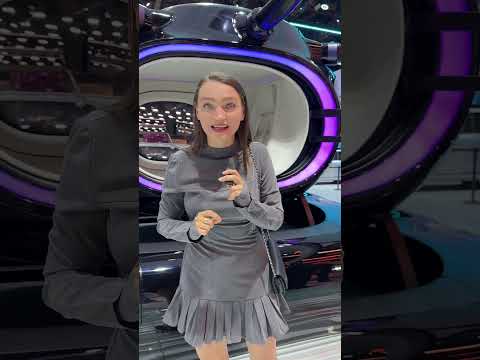
The Shanghai Auto Show 2025 is an unmissable event, where innovation and creativity intertwine to redefine the global automotive landscape. Brands showcase their latest advancements with an emphasis on artificial intelligence, sustainability, and customer experience. In this dynamic, major players from yesterday, like Mercedes-Benz, BMW and Toyota, coexist with bold new brands that are revolutionizing the very notion of mobility.
Technology and artificial intelligence: the revolution of the auto
The convergence between technology and mobility has intensified, making artificial intelligence a central axis of the innovations presented in Shanghai. Automakers are showcasing vehicles that not only meet consumer expectations but anticipate their needs, creating personalized driving experiences like never before. In this context, it is essential to consider what this technological revolution brings.

Cars that learn
The new models showcased in Shanghai are equipped with AI systems capable of analyzing drivers' habits in real-time. These systems not only adjust the vehicle settings – suspension, thermal comfort – but can also suggest routes based on user preferences, traffic conditions, and even the time of day.
Imagine a driver, permanently fatigued by daily commutes. Thanks to artificial intelligence, their car could suggest an alternative route, less congested and ideally more scenic, allowing them to enjoy the landscapes. It is a way to combine convenience and pleasure.
Autonomous cars: from utopia to reality
Autonomous vehicles are gaining traction in Shanghai. Each year, major advancements are demonstrated. It is no longer a futuristic dream but a palpable reality. The models presented at this show feature level 4 autonomous driving systems, allowing the vehicle to take full control of driving in a complex urban environment. This means that drivers can work, relax, or even chat with friends during the journey.
Thus, the concept of Volkswagen ID. Era could soon be seen on the roads, offering an experience that emphasizes comfort and connectivity. But what are the implications of this technology on the market? Does it change our relationship with car ownership?
List of AI features in the new models
- Automatic cabin adaptation systems based on user preferences
- Real-time traffic analysis to optimize routes
- Learning ability of driving habits
- Connectivity with other smart devices
- Enhanced voice interactions
Impact on the automotive industry
With the rise of these technologies, traditional manufacturers like Honda, Nissan, and Peugeot must double their efforts to adapt to the new expectations of consumers. Young brands, primarily Chinese, are gaining ground with models that combine performance and innovation. Competition is intensifying in this area. Established players, such as BMW and Mercedes-Benz, are trying to catch up in the field of artificial intelligence and autonomous driving systems.
| Brand | Model | Type of AI | Availability |
|---|---|---|---|
| Volkswagen | ID. Era | Level 4 Autonomous | 2026 |
| Honda | e-Concept | Adaptive personalization | 2025 |
| Toyota | bZ7 | Route intelligence | 2026 |
| Peugeot | 508 Electric | Voice interaction | 2025 |
Green trends: sustainable and eco-friendly cars
The Shanghai 2025 show also emphasizes ecological initiatives in the automotive sector. Buyers are increasingly concerned about the environmental impact of their vehicle. In response, brands are showcasing models that are fully electric, hybrids, and innovative propulsion solutions. The issue of sustainability is being addressed with clarity and relevance.

Electric cars: innovations and challenges
This year, models like the Denza Z, designed by the giant BYD, promise to compete with icons like the Porsche 718 Cayman. These vehicles combine sporty performance with environmental respect, meeting market demands. The Denza Z features a particularly bold design, powered by a hybrid engine.
However, the road to full electrification faces several challenges. The availability of charging infrastructure and the management of vehicle range remain crucial issues. Brands, aware of these problems, are adopting sustainable development strategies while collaborating with governments to improve these aspects.
List of ecological innovations presented in Shanghai
- 100% electric models from Mercedes-Benz and Toyota
- New recyclable battery systems
- Hydrogen technology for propulsion
- Eco-design of vehicles by Renault and Citroën
- Partnerships for the development of charging infrastructures
Government policies and support for electrification
Governments, particularly in Asia, encourage sustainable practices with tax incentives for buyers of electric vehicles. Brands must align their strategies with this dynamic to maximize their market reach. Support comes not only from economic benefits but also from encouragement to improve sustainability standards.
| Brand | Model | Type | Range |
|---|---|---|---|
| BYD | Denza Z | Plug-in hybrid | 500 km |
| Toyota | bZ7 | Electric | 600 km |
| Audi | E5 Sportback | Electric | 650 km |
| Nissan | N7 | Electric | 635 km |
Future challenges for the automotive sector
The future outlook is complex but promising. This year's event in Shanghai demonstrates a collective industry willingness to move towards greener and safer automobiles. However, the integration of new technologies will not be without challenges. Public acceptance, increased competition, and regulatory changes can all influence this evolution.
Design and user experience at the heart of innovation
Beyond performance and technologies, vehicle design is a key differentiator in the market. In Shanghai, design goes beyond aesthetics, creating a unique experience for the user. Brands reveal their creativity through bold concepts that challenge conventions.

Lorem Ipsum: the creative concept of brands
The concepts displayed reflect each brand's identity. For example, Buick reveals its Electra-GS model, an electric vehicle inspired by mythology, promising both comfort and elegance. This design choice places luxury within everyone's reach and highlights a strong emotional connection between the vehicle and its driver. Designs are not just to be seen; they are to be felt.
Other brands, like Renault and Volkswagen, adopt a more minimalist approach, favoring clean lines and modular interiors, integrating futuristic infotainment technologies.
List of innovative design elements
- Eco-friendly materials in the design of interiors
- Adaptive lighting technologies on Audi models
- Wide screens in dashboards
- Modular concepts allowing adjustable configurations
- Interior layouts promoting comfort
The reimagined user experience
Innovations also touch the user experience. Brands like Honda and Mercedes-Benz offer spa-like interiors, allowing passengers to enjoy massages during trips. These initiatives aim to transform every journey into a moment of relaxation. Moreover, the integration of a high-quality audio system and total connectivity with smartphones provides a unique experience.
| Brand | Model | Comfort elements | Technologies |
|---|---|---|---|
| Buick | Electra-GS | Massaging seats | Premium audio system |
| Toyota | bZ7 | Modular interior | Advanced connectivity technology |
| Audi | E5 Sportback | Adaptive ambient lighting | Digital dashboard |
| Volkswagen | ID. Era | Smart storage spaces | Total connectivity |

The international competition: Shanghai, the new epicenter of the auto
Shanghai is establishing itself as the nerve center of the automobile with brands from around the world converging to this event. While Western majorities align on similar trends, Chinese brands innovate boldly, offering models that stand out for their originality and functionality. All eyes are on these new players who could redefine the industry.
Chinese brands shaking up the market
One of the prominent aspects of this year's event is undoubtedly the rise of Chinese automotive brands. Companies like Zeekr and BYD are presenting models that allow them to compete with traditional major brands. The Zeekr 9X, for instance, combines power and luxury, thus appealing to consumers in search of a high-performing vehicle.
The stakes of international competition
If competition is becoming increasingly tight, this raises the question of identity. Brands must navigate between tradition and modernity. Vehicles of the past are giving way to the emergence of innovative concepts that seek to redefine the codes. Each brand must demonstrate creativity and boldness to stand out.
List of emerging brands to watch
- Zeekr
- BYD
- Geely
- Li Auto
- Xpeng
| Brand | Model | Type | Positioning |
|---|---|---|---|
| Zeekr | 9X | Plug-in hybrid | Luxury class |
| BYD | Han | Electric | Accessible |
| Xpeng | P5 | Electric | Advanced technology |
| Geely | Geometry A | Electric | Innovative |
The Shanghai Auto Show in 2025 thus represents much more than a simple event dedicated to automobiles. It embodies a radical transformation, where technology, sustainability, design, and user experience intertwine to shape the future of mobility. Whether one is a car enthusiast or a casual observer, it is impossible to remain indifferent to this evolution. The future of the auto is no longer just about cars; it is about a truly enriching and sustainable experience. Industry players must constantly reinvent themselves to align with the new expectations of consumers. One wonders: who will succeed in this fierce competition, and how will they transform the global automotive landscape?
Si vous souhaitez lire d'autres articles tels que Discover the innovations and trends of the Shanghai Auto Show 2025, consultez la catégorie News.
-
Ornella Tranquillo says:
C'est fascinant de voir comment l'auto évolue avec la technologie et le design durable.
-
Le salon de Shanghai met vraiment en avant un futur révolutionnaire pour l'automobile!
-
L'auto-show de Shanghai 2025 dévoile des technologies fascinantes et des innovations écolo impressionnantes.
Leave a Reply
Articles relatifs