Czinger 21C: the revolution of 3D printing in the automotive industry

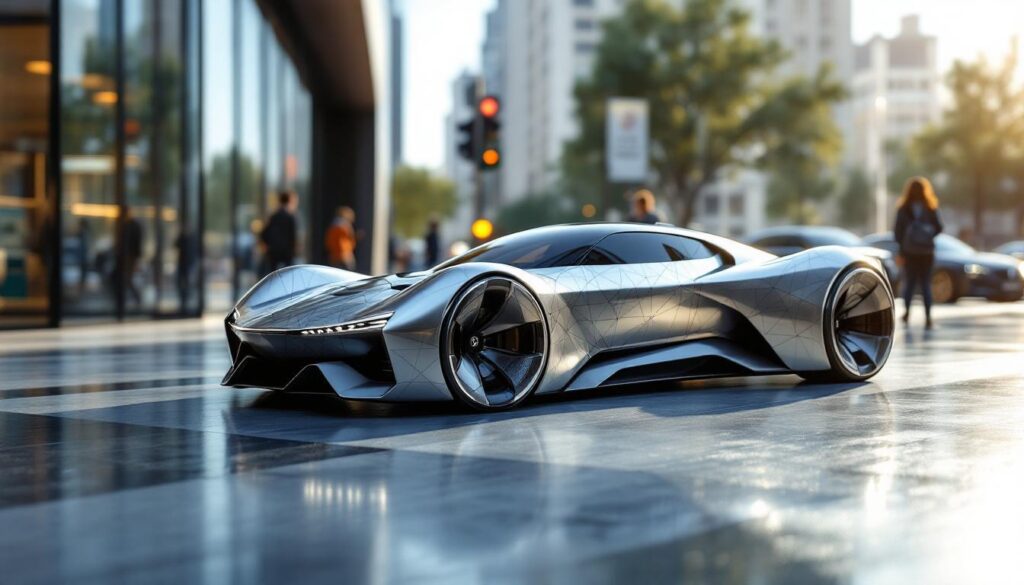

In an automotive sector where innovation reigns supreme, few models manage to stand out like the Czinger 21C. Designed at a time of unprecedented technological advancements, this hypercar perfectly illustrates the possibilities offered by 3D printing. Not only does it redefine performance standards, but it also raises pertinent questions about sustainability and automotive design.
Czinger 21C: the fusion of creativity and innovation
Today, we live in a particularly exciting era where the automobile is evolving at a frantic pace. The Czinger 21C is not just a mechanical masterpiece; it is the result of a bold vision, driven by Kevin Czinger. This man has developed his project beyond the traditional constraints of the industry, betting on innovation as a driving force for renewal.
Kevin Czinger is far from a classic engineer. With an atypical background, ranging from finance to the automotive industry, he has managed to assemble a talented team to bring the 21C to life. This car not only dares to challenge the laws of performance but also redefines our relationship with the manufacture process. Thanks to the use of 3D printing, the 21C showcases a production method that significantly reduces waste while optimizing the precision of parts.
Technical characteristics: an engineering feat
To appreciate the technology that powers the Czinger 21C, it is imperative to dive into its technical specifications. Here is an overview of what makes it so unique:
- Power: The 2.8-liter V8 engine, combined with electric motors, produces an incredible power of 1,250 hp, offering performance worthy of the greatest.
- Lightweight: With a targeted weight of 1,250 kg, this feat results from the intensive use of carbon fibers and aluminum alloys.
- Acceleration: The 21C reaches 100 km/h in just 1.9 seconds, confirming its status as a cutting-edge supercar.
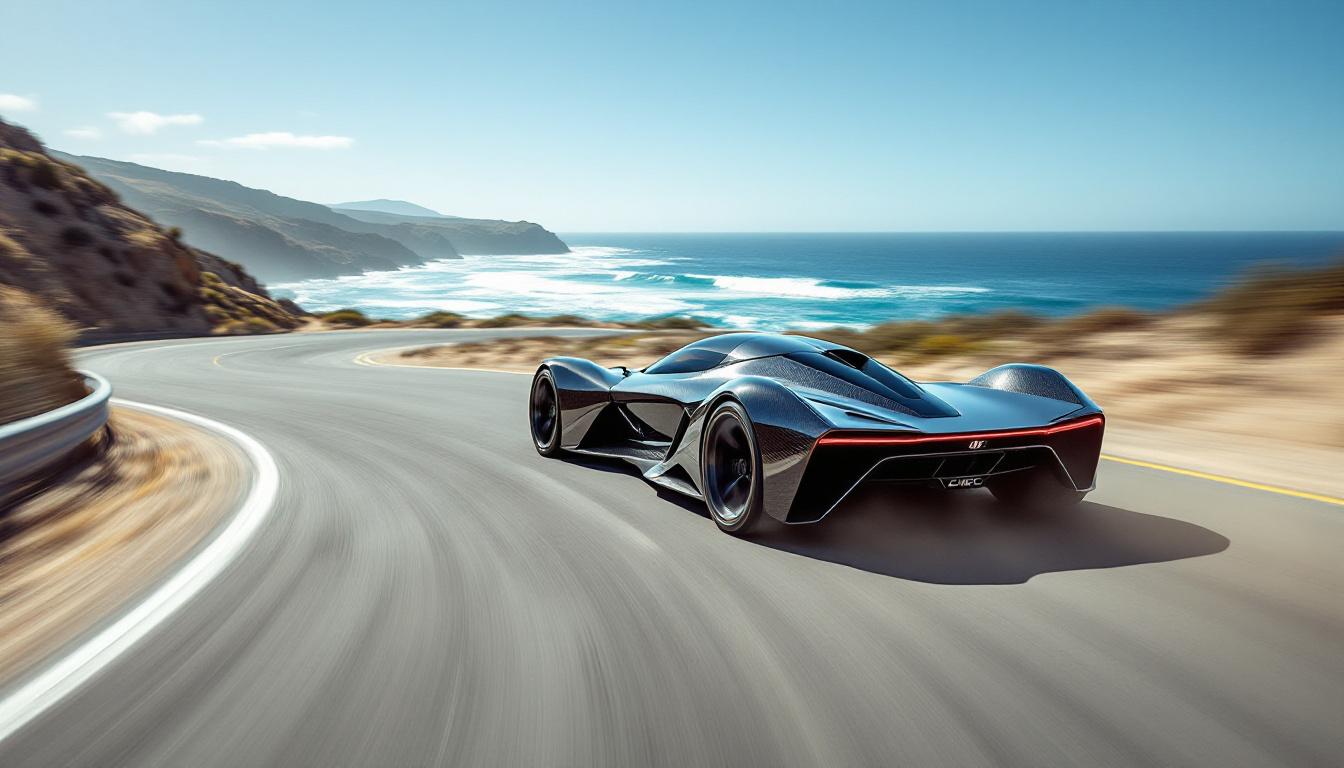
This car is strictly designed for two people, with an arrangement where the passenger is placed behind the driver, a design inspired by the Renault Twizy. This unconventional choice optimizes aerodynamics while maintaining a lightweight structure conducive to performance. The 21C does not just capture the imagination of enthusiasts; it challenges the established norms of the automotive sector.
3D Printing at the heart of innovation
Traditional car manufacturing often involves lengthy and costly processes, generating a large amount of waste. In contrast, 3D printing offers significant advantages, such as material waste reduction and the ability to create complex designs. Czinger has integrated this technology into the design and production of the 21C's parts.
The implications of this approach are vast. Not only does it allow for precise and innovative designs, but it also enables rapid testing of new ideas, fostering a faster cycle of innovation. Imagine this: a part can be designed, printed, and tested in record time, all without the need for expensive tools or molds.
Here are some specific advantages of 3D printing for the automotive industry:
- Flexibility: Designers can experiment with unique designs without fearing production constraints.
- Customization: Cars can be adapted according to specific customer requests.
- Sustainability: The use of lightweight and durable alloys helps improve energy efficiency.

Czinger 21C: a revolution for the automotive industry
In 2020, when the 21C was first presented, it had already begun to change perceptions of what a car can be. This hypercar is proof that talent, vision, and technology can come together to forge a product that transcends market norms. Creation cost $200 million, and for this amount, it offers transformative potential that goes well beyond mere figures.
The development of the 21C has been fraught with challenges. Initially scheduled to be revealed at the Geneva Motor Show, the pandemic forced the team to adapt its plans. Nevertheless, this adaptation resulted in a demonstration in London, thus proving a willingness for resilience and innovation in the face of obstacles. In 2024, the hypercar earned its team accolades, registering surprising performances on legendary circuits such as Laguna Seca.
The challenges of production and marketing
Although 3D printing and the performance of the 21C are already appealing to the market, large-scale commercialization still poses challenges. With only 80 models planned, demand will not be for everyone. Economic concerns and buyers' strategic choices could hinder the sales potential of this exclusive model.
Here are some aspects that could influence commercialization:
- High cost: At 3 million euros per vehicle, the 21C targets a niche market.
- Brand image: Czinger is still a relatively newly established brand and must build a solid reputation in a sector dominated by giants such as Ferrari and Lamborghini.
- Sustainability: Today's customers are increasingly aware of the environmental impact of vehicles, which could play a crucial role in their purchasing decisions.
The future perspectives of the automobile and 3D printing
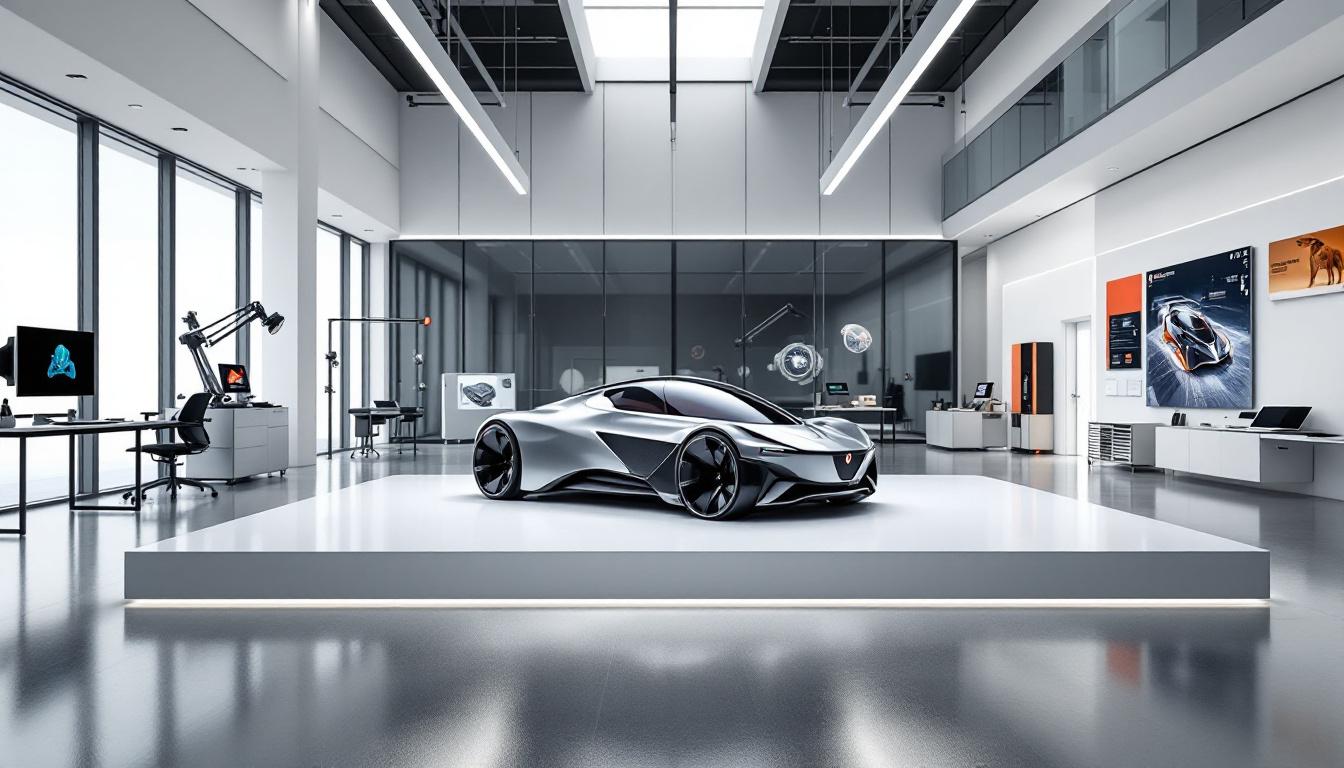
The journey of the Czinger 21C is not limited to its technical prowess. It also signals a broader transformation in the automotive world. If the success of the 21C proves sustainable, it could initiate a revolution in how we design, manufacture, and market our vehicles. The future could be marked by customized models, blending performance, decarbonization, and innovation.
To fully participate in this revolution, it will be crucial for industry players to adopt technologies such as 3D printing and artificial intelligence. By integrating these tools, manufacturers can not only accelerate production but also achieve economies of scale.
Trends to watch in the automotive sector
The challenges and opportunities that are emerging today are shaping the face of the future automotive industry. Here are some potentially disruptive trends:
- Electrification: The shift towards cleaner energy solutions is imminent.
- Connectivity: The integration of intelligent technologies in vehicles could transform the user experience.
- Sustainability: Sustainably manufactured materials will become increasingly central to the future development of vehicles.

A new era for the automobile
The Czinger 21C is more than just a car; it is a symbol of what the future could hold for the automotive sector. Through innovation, creativity, and a bold vision, it illustrates how a new wave of automobiles could evolve, breaking established codes while respecting our planet. Hypersophisticated constructions like the 21C redefine both performance and the manufacture process, establishing paradigms that could dominate the sector in the years to come.
The path ahead will be demanding; however, it is within this exciting quest that the true potential lies. Technology is evolving, and as long as the passion for automobiles combines innovation and imagination, the future looks bright.
Si vous souhaitez lire d'autres articles tels que Czinger 21C: the revolution of 3D printing in the automotive industry, consultez la catégorie Constructeurs.
Leave a Reply
Articles relatifs