Copies automobiles: a know-how that is both Chinese and Japanese, discover the examples!

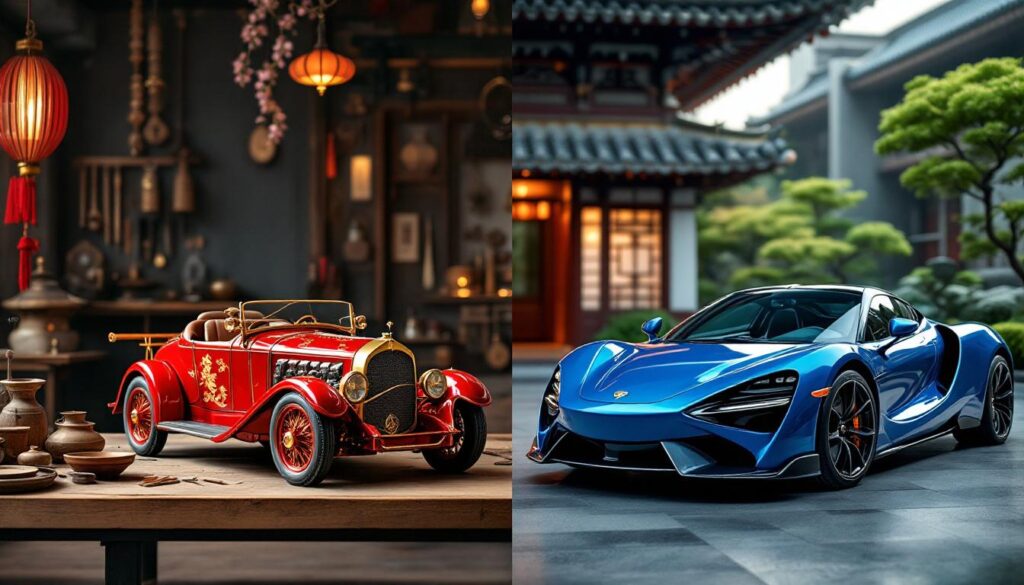

Automobile copies, a fascinating phenomenon at the intersection of ingenuity and innovation. In 2025, the automotive scene is marked by the rise of Asian brands, with a particular focus on Japanese imports and Chinese productions. Whether for economic, strategic, or technological reasons, the collaboration between these two giants of the automotive industry creates a true laboratory of ideas where regular cloning becomes a commonplace and legal practice.
Unexpected collaborations: the case of the Mazda 2 Hybrid and the Toyota Yaris
In today's automotive landscape, the Mazda 2 Hybrid stands out as a prime example of fruitful collaboration between two Japanese brands. Designed on the platform of the Toyota Yaris, it showcases a thoughtful co-production strategy that is not merely about badges.
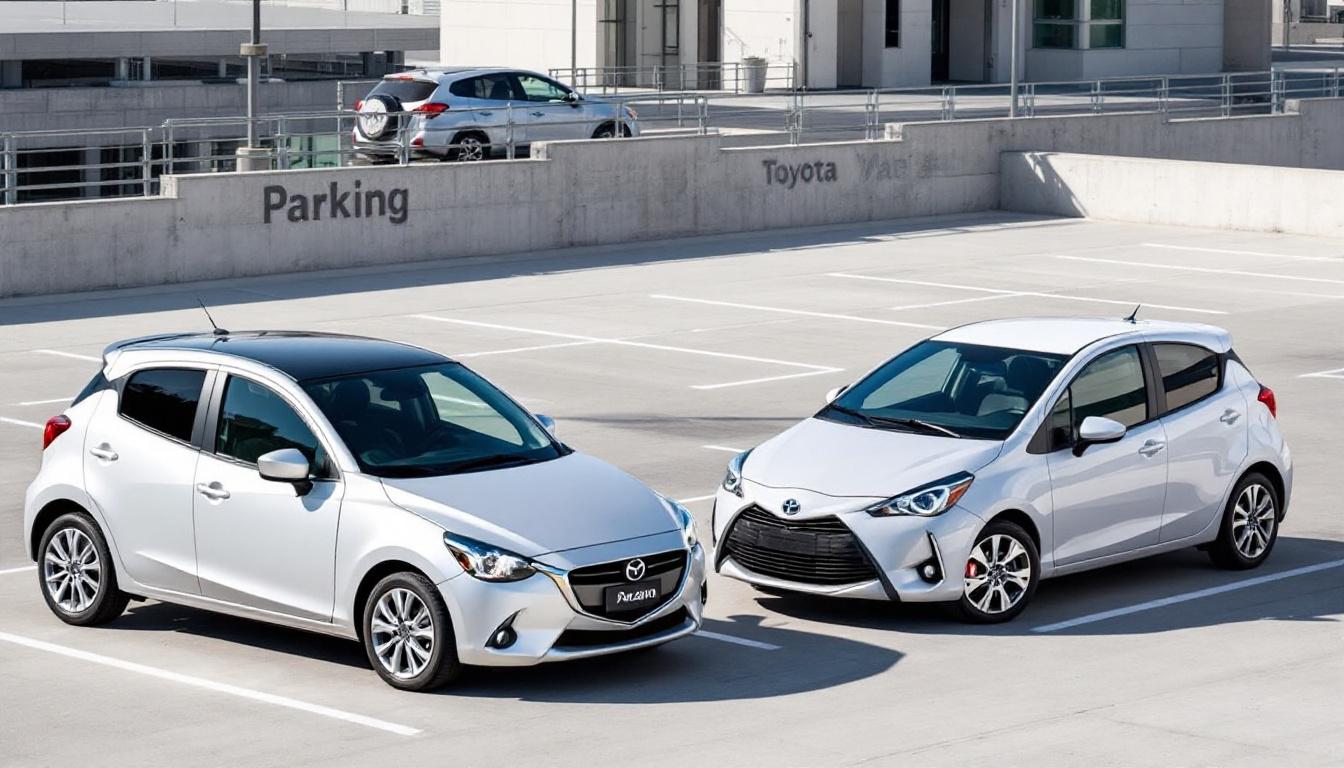
Since spring 2022, the Mazda 2 Hybrid is only available with a 116 horsepower engine, while the 130 horsepower version remains reserved for the Yaris. These distinctions do not compromise aesthetics, as changes are primarily limited to logos. The engineering behind these two models is the result of a proper partnership, allowing Mazda to significantly enter the European market without having to develop entirely new technology.
An industrial and hybrid approach
This phenomenon of automotive cloning is not limited to mere appearance. Indeed, the production of the Mazda 2 takes place at the Toyota factory in Onnaing, France, thus anchoring the brand in local realities. This co-production strategy not only allows for leveraging the reputation of the Yaris but also helps avoid excessive costs related to development and production. What are the other brands adopting a similar approach?
- Honda and its partnership with Subaru for the design of sub-models.
- Nissan with its model based on Renault.
- The Geely group working with several competing brands.
| Model | Brand | Origin |
|---|---|---|
| Mazda 2 Hybrid | Mazda | Cloned from Toyota Yaris |
| Renault Clio 5 | Mitsubishi Colt 7 | Design borrowing |
| Renault 5 E-Tech | Nissan Micra EV | Technical partnership |
This approach highlights a crucial question: how far can brand collaboration go without losing identity? The examples of Mazda and Toyota show that such a strategy can not only be beneficial but can also ensure a sustainable future for the involved brands.

Another look at the Mitsubishi Colt and the Renault Clio 5
In 2023, the new generation Mitsubishi Colt was born, turning out to be an almost seamless transformation of the Renault Clio 5. But what lies behind this automotive cloning? At first glance, the Colt appears revolutionary, but it is primarily a refined facelifting with a simple modification of logos and a slight adaptation of design elements.
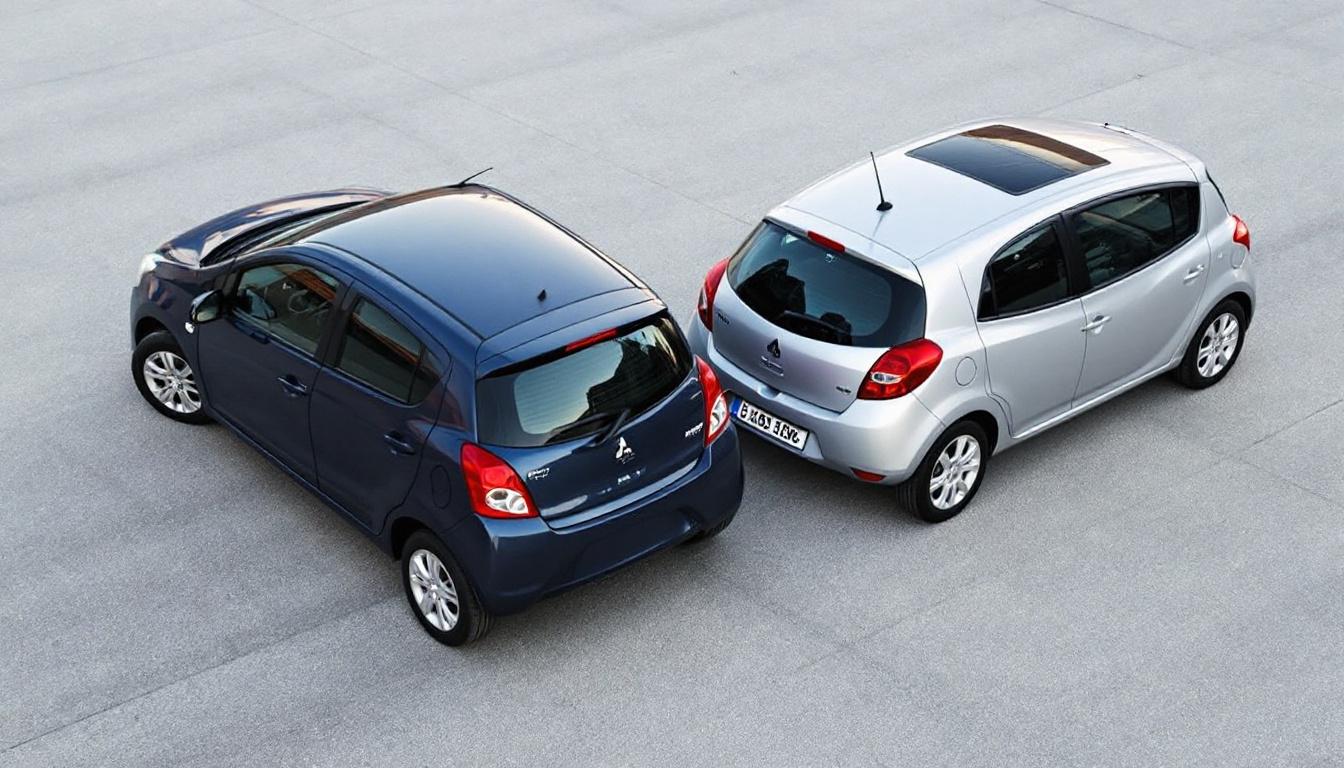
This case highlights interesting dynamics between brands, often difficult to discern for the average consumer. Technical specifications, dimensions, and even interior layout remain largely unchanged. Considered the expert in partnerships, Mitsubishi does not merely copy but reinvents an offer in a saturated market.
Market success at stake
Sales of the Mitsubishi Colt in France, although modest compared to those of the Clio, show that this strategy is far from unsuccessful. In 2024, only 864 Colts were sold in France compared to nearly 91,438 Clios. In contrast, the situation is completely different outside of France, where the Colt manages to attract a broader clientele.
- In Germany: about 4,793 Colts sold compared to 11,132 Clios.
- In Turkey, the Bursa plant produces both models, thereby optimizing costs.
- Consumers often seek an alternative to the Clio without wanting to sacrifice quality.
| Model | Sales in France (2024) | Sales in Germany (2024) |
|---|---|---|
| Mitsubishi Colt | 864 | 4,793 |
| Renault Clio 5 | 91,438 | 11,132 |
These figures illustrate the resilience of the Mitsubishi brand in a dynamic market. Working with Renault provides Mitsubishi with an opportunity to diversify while ensuring visibility in the broader market.

The Nissan Micra and the Renault 5 E-Tech: an electric fusion
The recent launch of the Nissan Micra electric, based on the technology and platform of the Renault 5 E-Tech, brings a new dimension to this automotive cloning dynamic. This approach aligns with a broader context where the transition to electric power is becoming inevitable. Nissan, facing multiple financial challenges, aims to leverage Renault's successes to revitalize its image and product line.
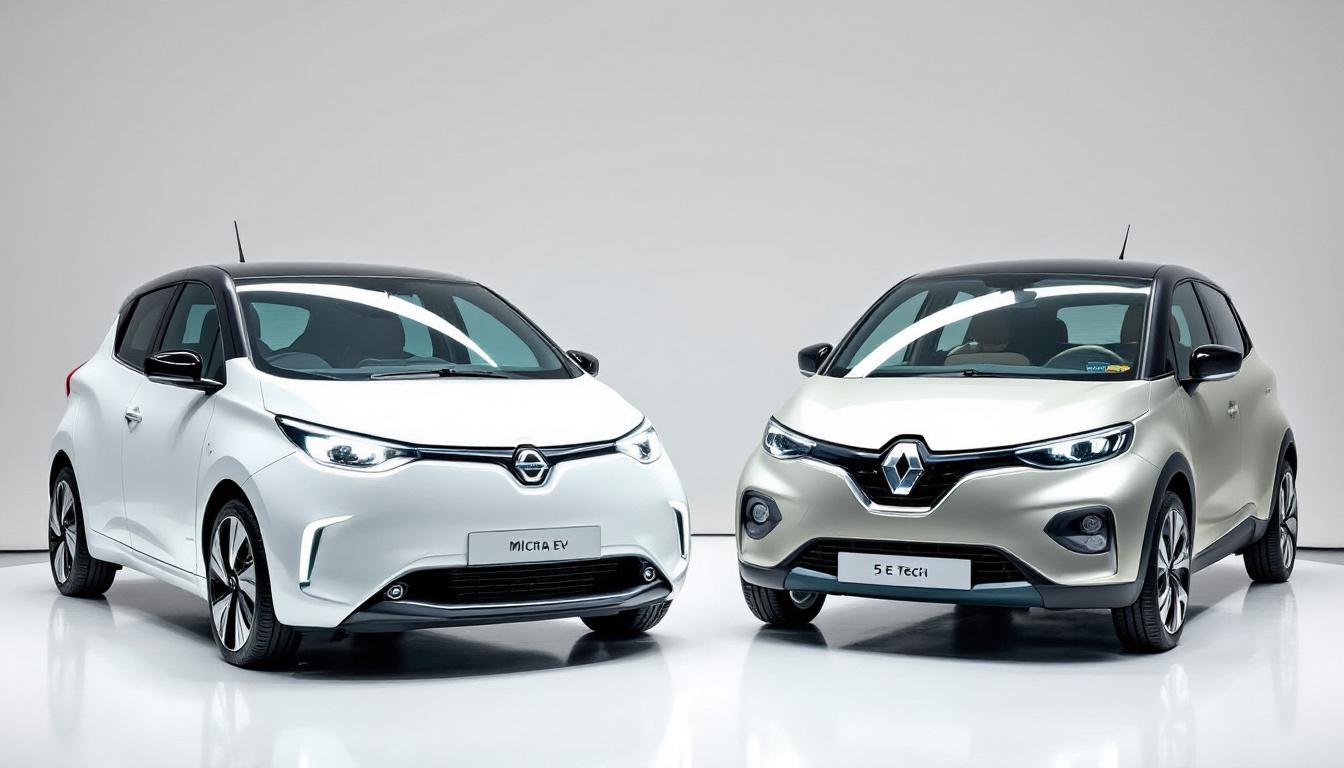
An intriguing aspect of this transformation is Nissan's commitment to developing a distinctive design for the Micra, thus allowing this model to have its own personality even though it shares technology. All of this takes place in a context where automotive manufacturers must juggle high costs, tight production schedules, and increasing pressure to meet consumer expectations.
The market capabilities of electric vehicles
Electric vehicles are the new Eldorado for manufacturers. The success of the Renault 5 E-Tech, which was crowned European Car of the Year in 2025, has raised high expectations for the Micra. The duality of maintaining Renault's DNA while forging a distinction is what makes this partnership crucial.
- The main shared technologies:
- Lithium-ion batteries designed for energy efficiency
- Technical chassis for optimized driving
- Interior design inspired by the Renault 5 but reworked for a fresh look
| Criteria | Nissan Micra EV | Renault 5 E-Tech |
|---|---|---|
| Type of powertrain | Electric | Electric |
| Platform | Shared with Renault | Shared with Nissan |
| Design | Unprecedented | Reference to the past |
These innovations offer hope for an interesting market perspective for the Micra, which could establish itself in areas where the Renault 5 has never truly taken root.

The dynamics of automobile copies: a look at the future
The practice of automobile copies, far from being a mere trend, reveals the necessity for manufacturers to adapt to the challenges of the global market. Indeed, this collaborative innovation process allows each company to improve its capacity to meet consumer expectations while reducing R&D costs.
In this regard, brands like BYD, Changan, and Great Wall Motors in China have also turned to this co-construction model. By offering legal clones of automobiles, they leverage collective expertise for a faster approach to electrification in a world that is still reinventing itself.
The collaborative model at the heart of the industry
For brands, cloning proves to be a means of benefiting from established expertise while also ensuring continuity in production. The question to pose is: how far will this collaborative dynamic go? Some suggest that within a decade, we will see completely shared platforms, making it almost impossible to distinguish the origins of a model.
- The advantages of inter-brand collaboration:
- Reducing production costs
- Pooling infrastructure
- Accelerating innovation
| Brand | Partner | Shared Model |
|---|---|---|
| Nissan | Renault | Micra/E-Tech |
| Mitsubishi | Renault | Colt/Clio |
| Mazda | Toyota | 2/Yaris |
This collaborative model in the automotive industry is therefore not just a phase but a true turning point, paving the way for a more sustained, more sustainable approach to the future of transportation.
Si vous souhaitez lire d'autres articles tels que Copies automobiles: a know-how that is both Chinese and Japanese, discover the examples!, consultez la catégorie Non classé.
-
Zéphyrin Laverdure says:
C'est fascinant de voir comment les marques collaborent pour innover et réduire les coûts.
-
C'est intéressant de voir comment les marques collaborent pour innover tout en réduisant les coûts.
-
C'est fascinant de voir comment les marques japonaises et chinoises collaborent pour innover.
-
C'est fascinant de voir comment les marques collaborent pour innover tout en conservant leur identité.
Leave a Reply to Tomer Velcad Cancel reply
Articles relatifs