Company cars: companies are massively adopting electric vehicles for ecological and economic reasons



In an uncertain economic climate, companies are redefining their priorities and adapting their strategies in response to contemporary challenges. The rise of ecological concerns, coupled with increasing financial stakes, is prompting companies to rethink their approach to company cars. Instead of traditional combustion models, electric vehicles are emerging as a viable alternative, both economically and ecologically. This choice is significant, especially in a context where registrations of company vehicles are declining significantly. Therefore, companies are embarking on a race toward a greener future, and electric vehicles appear to be the holy grail of this transformation.
Company vehicles: transition to electric
Many companies, large and small, are noticing a decline in registrations in the company vehicle market, with a decrease of 10% in the first quarter of 2025. But this is not just a simple decline; it is a turning point towards a more sustainable model. Company fleets are restructuring, moving towards greener drivetrains. Electric vehicles are becoming increasingly attractive due to their financial advantages and reduced ecological footprint.
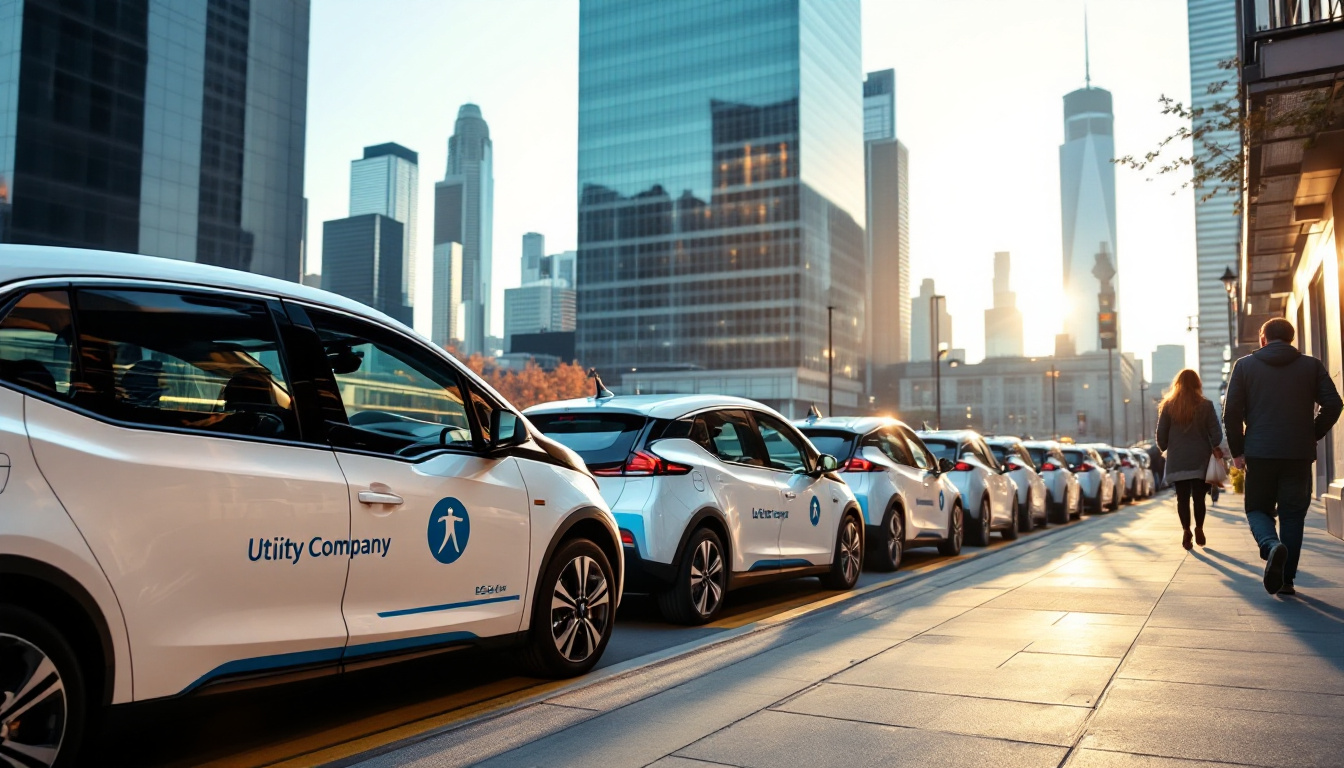
The motivations behind this transition
The choice of electric is not solely based on ecological beliefs. It is supported by economic issues, both for the company and for employees. Electric vehicles have lower operating costs. Their maintenance is often less expensive than that of combustion vehicles. Furthermore, fuel bills decrease significantly, favoring profit margins.
Finally, legislation encourages companies to opt for less polluting vehicles. Recent decrees have instituted tax rules that favor electric cars, thereby reducing the tax burden for employers. This means that, in this moribund economic landscape, which could have seen a slow transition, the shift to electric is happening at high speed.
- Decrease in operating costs
- Substantial tax benefits
- Reduction of carbon footprint
- Improvement of brand image
An overview of company vehicle sales in 2025
The current situation regarding registrations of company vehicles provides an insight into ongoing changes. Simple hybrids are showing a remarkable increase of nearly 50%, while 100% electric vehicles are seeing a rise of 32.6%. With a market share reaching 16.6%, the latter are beginning to strongly establish themselves among company preferences.
| Type of vehicle | Sales evolution (%) | Market share (%) |
|---|---|---|
| Simple hybrids | +49.3 | N/A |
| 100% electric | +32.6 | 16.6 |
| Plug-in hybrids | -52.0 | N/A |
These statistics highlight a clear shift towards more sustainable options, with increasing attention being paid to electric vehicles. But what about plug-in hybrids? Their decline may indicate that companies now prefer more radical mobility solutions. The tide is turning, affecting every actor in the automotive sector.
Electric company cars: this fiscal change that will shake up the market
The tax landscape surrounding electric company cars is evolving. A new decree modifies how the benefits in kind associated with these vehicles are calculated. This could lead to a major reconfiguration for employees and French companies. A change that could transform the market for company vehicles.
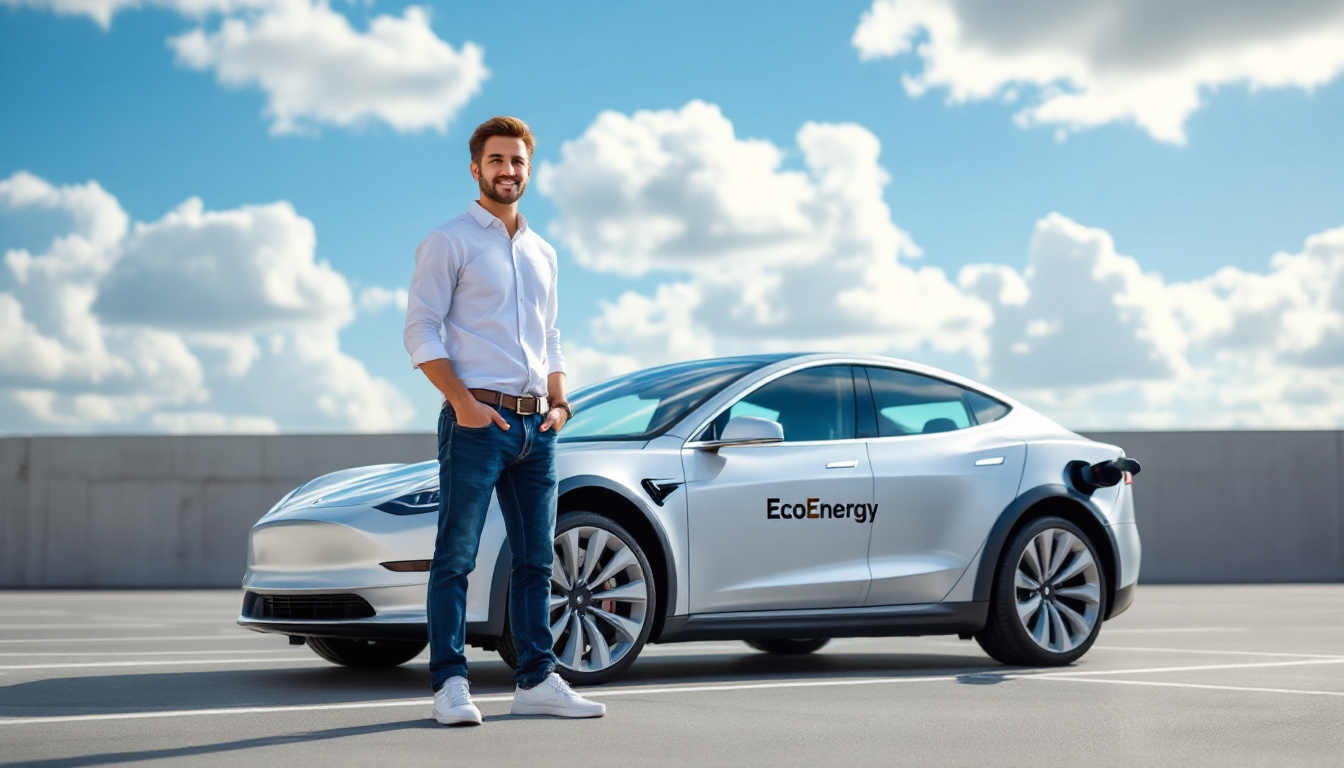
With these new rules, companies must reassess their strategies. Company cars are no longer only seen as an asset for attracting and retaining talent. They also become a key element of the company’s overall economic strategy. A proactive management of the vehicle fleet can significantly reduce tax pressure, which is a strong incentive for employers to transition to electric.
- More favorable taxation for electric vehicles
- Improvement of the company's net profits
- Reconciliation of ecological and economic goals
- Simplification of administrative procedures
Impacts of the reform on companies
Companies that adopt these new regulations could see their tax burdens decrease drastically. This could allow them to reinvest that money in other areas, such as research and development, marketing, or even improving employee working conditions. Furthermore, the positive perception of employees regarding electric cars could enhance motivation at work.
In summary, the tax landscape surrounding company cars is brightening for those who choose to take the path of electric vehicles. Companies can no longer ignore this opportunity. The future is here, and it is electric.

Electric company cars: employer obligations
Electric company cars should not be viewed solely from an economic or ecological angle. Employers also have responsibilities towards their employees. A company car comes with specific obligations regarding its use, maintenance, and especially its safety. So, what are these obligations to be respected when electric vehicles are provided?

Responsibilities related to maintenance and use
Employers must ensure proper maintenance of vehicles, in accordance with the recommendations of manufacturers like Renault, Peugeot, or Tesla. This includes establishing a regular maintenance schedule, checking essential parts, and offering training on how to drive electric vehicles. Indeed, each model, whether from Audi or Nissan, has specifics that drivers need to know.
- Schedule regular maintenance
- Inform employees about the specifics of the vehicles
- Ensure comprehensive road safety training
- Facilitate access to charging stations
Clarification of responsibilities in case of accidents
The ambiguity regarding responsibility for accidents related to the use of company cars must be cleared up. What happens in the event of damage caused during an accident? Companies need to establish clear and informative insurance policies, specifying the conditions of use of the vehicle as well as the protection modalities in the event of incidents...
| Obligation | Details |
|---|---|
| Regular maintenance | Compliance with manufacturer recommendations |
| Training of drivers | Specific safety rules for electric vehicles |
| Clear insurance policies | Definition of responsibilities and protections |
The obligations imposed on employers are far from a constraint. They actually represent an opportunity to improve corporate culture, ensure safety, and build a solid reputation while taking care of employees. Electric vehicles carry change, but this change comes with its responsibilities.
Electric company car: What advantages for companies
Companies choosing to switch to electric company vehicles enjoy various advantages. However, often the gains go well beyond immediate savings. The positive impact on brand image, talent retention, and the reduction of ecological footprint outline the contours of such a strategy.
The fiscal and economic benefits
First of all, in fiscal terms, electric company cars often benefit from subsidies or tax credits that encourage their adoption. Recent statistics show a 30% reduction in taxes related to owning such fleets. Ultimately, this translates into significant savings for companies, whether in the purchase or operating costs of the vehicles.
- Tax incentives
- Decrease in operational costs
- Simplification of administrative procedures
- Improvement of company image
A better attractiveness for talent
Beyond financial savings, the provision of electric vehicle fleets can be a true asset in the war for talent. Many candidates prefer to join companies that demonstrate a commitment to the environment. The transition to an electric fleet thus allows the attraction and retention of the best profiles.
| Type of advantage | Impact on the company |
|---|---|
| Tax savings | Improvement of net profit |
| Brand valorization | Talent attraction |
| Ecological commitment | Compliance with regulations |
The choices made today regarding company vehicles will influence the future of businesses. The awareness of environmental issues, coupled with the search for savings, constitutes a beneficial disillusionment for many of them. Let companies seize this opportunity to reinvent themselves in a changing world as demanded by the automotive sector in 2025.

Si vous souhaitez lire d'autres articles tels que Company cars: companies are massively adopting electric vehicles for ecological and economic reasons, consultez la catégorie Non classé.
-
Elowen Trillon says:
La transition vers les véhicules électriques est cruciale pour l'environnement et l'économie des entreprises.
-
C'est une transition nécessaire, et ces avantages fiscaux sont vraiment encourageants pour les entreprises.
-
Les véhicules électriques sont clairement l'avenir pour les entreprises soucieuses de l'environnement.
-
C'est impressionnant de voir autant d'entreprises passer à l'électrique pour économiser et protéger l'environnement.
Leave a Reply to Elowen Trillon Cancel reply
Articles relatifs