companies are adopting the electric car revolution

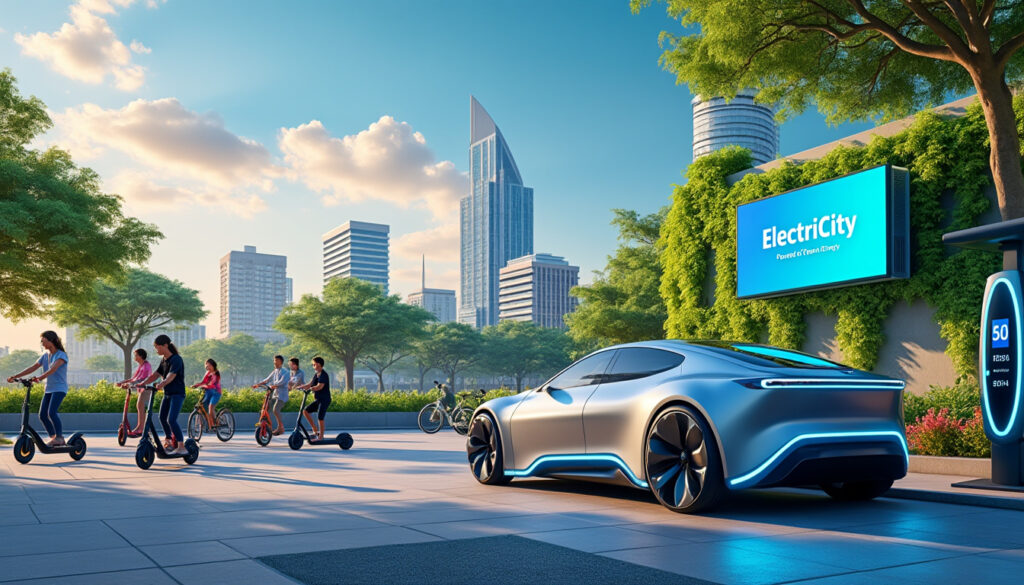

Companies play a crucial role in the adoption of electric cars, transforming not only their fleets but also their approach to sustainability. In a context where environmental issues are increasingly pressing, companies are committed to reducing their carbon footprint. This global movement towards vehicle electrification is particularly visible in countries like France, where public policies promote energy transition. Companies must now navigate a changing landscape, filled with challenges but also opportunities.
The rise of electric vehicles in corporate fleets
The transition to electric vehicles (EVs) is accelerating, and companies from various sectors are becoming aware of it. Last March, registrations of electric cars by companies reached a real peak, with an increase of 54.2%, reaching over 9,000 units. This spectacular figure is partly due to new regulations requiring companies to include a significant proportion of electric vehicles in their fleets.
The switch to electric is not just a matter of legal compliance; it is also a strategy aimed at optimizing long-term costs. Companies can achieve substantial savings on fuel costs as well as on vehicle maintenance. Electric cars require fewer repairs due to their simplified design. A comparative table illustrating the costs associated with different categories of vehicles in a corporate fleet can highlight these potential savings.
| Type of vehicle | Annual maintenance cost (in €) | Annual fuel cost (in €) | CO2 emissions (in g/km) |
|---|---|---|---|
| Gasoline car | 800 | 1,200 | 150 |
| Hybrid | 600 | 800 | 90 |
| Electric | 300 | 150 | 0 |
These figures clearly demonstrate the economic interest in electric vehicles. By integrating models from brands such as Renault, Peugeot, Nissan, or Tesla, companies not only comply with legislation but also enhance their brand image in a world increasingly aware of ecological issues.
Regulatory and incentive challenges
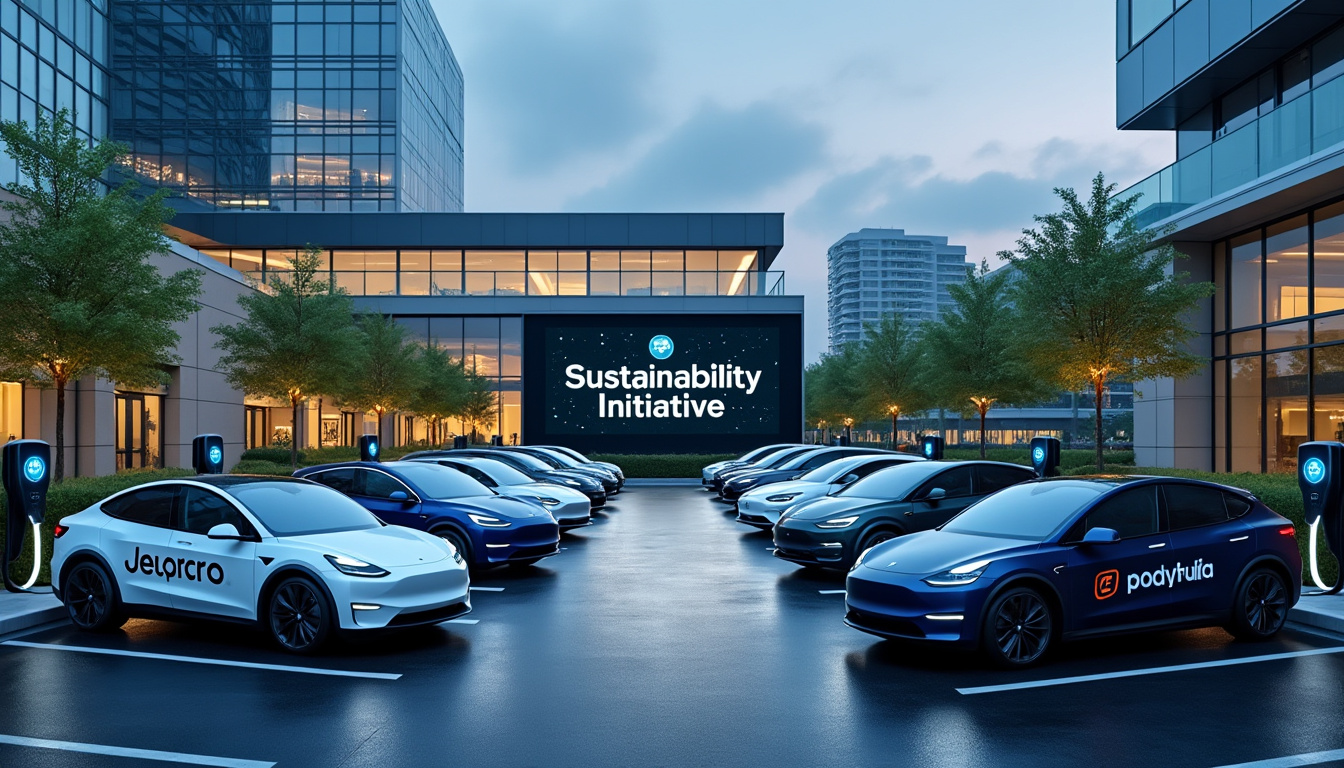
Regulations play a pivotal role in companies' decisions to opt for electric vehicles. In recent years, incentive policies have emerged to encourage companies to adopt less polluting car fleets. This translates into financial aid, tax reductions, and even subsidies for the installation of charging stations.
- Financial aid: Subsidies for the purchase of EVs.
- Tax reductions: Increased depreciation on investments.
- Privileged access: Access to low-emission zones.
- Strict regulation: Penalties for non-compliance.
In France, the objective is clear: by 2025, each company must ensure that at least 20% of its fleet consists of fully electric cars. This regulatory change has already led some large companies to thoroughly review their purchasing policies. For example, SNCF and Altice face criticism regarding their integration of electomobility. While some players are leading with significant investments, others still seem hesitant to embark on this transition.

Environmental impacts and societal perceptions
The repercussions of adopting electric cars are not limited to financial savings. The shift to an electric fleet has a direct impact on the environment. By replacing combustion vehicles with electric cars, companies can contribute to the reduction of CO2 emissions, thereby aiding the fight against climate change. This transition has become a moral imperative for many companies.
Societal perceptions regarding electric vehicles are also evolving rapidly. Consumers and employees are increasingly sensitive to companies' environmental commitments. Numerous studies indicate that employees prefer to work for companies that take their ecological responsibility seriously.
| Factor | Positive impact | Negative impact |
|---|---|---|
| Reduced emissions | Improvement in air quality | High initial investment |
| Cost savings | Reduction in operating expenses | Training staff on new technology |
| Brand image | Enhanced reputation | Risk of negative perceptions if poorly implemented |
Major brands like Volkswagen and BMW are indeed proactive in their communication, highlighting their commitment to sustainable mobility. These companies are leading by launching campaigns, sharing their transformation stories on social platforms. This approach strengthens their image and shows consumers the importance of this transition.
The challenges of charging infrastructure
As the landscape evolves towards electric vehicle fleets, charging infrastructure remains a major challenge. For many companies, the lack of adequate charging points constitutes a significant barrier to total adoption of electric vehicles. This raises the question of responsibility for installing and maintaining these infrastructures.
- Installation of charging stations: Need for initial investments.
- Accessibility: Need for strategic locations for charging.
- Maintenance: Cost associated with maintaining infrastructures.
- Training: Raising employee awareness about using electric vehicles.
In some regions, governments are collaborating with companies to develop the necessary infrastructure. The Île-de-France region, for example, offers aids covering up to a large part of the costs of installing charging stations. This encourages companies to actively engage in the transition. Ford, Hyundai, and Audi are also investing in the research and development of innovative charging solutions.

The strategies of major brands in the face of transition
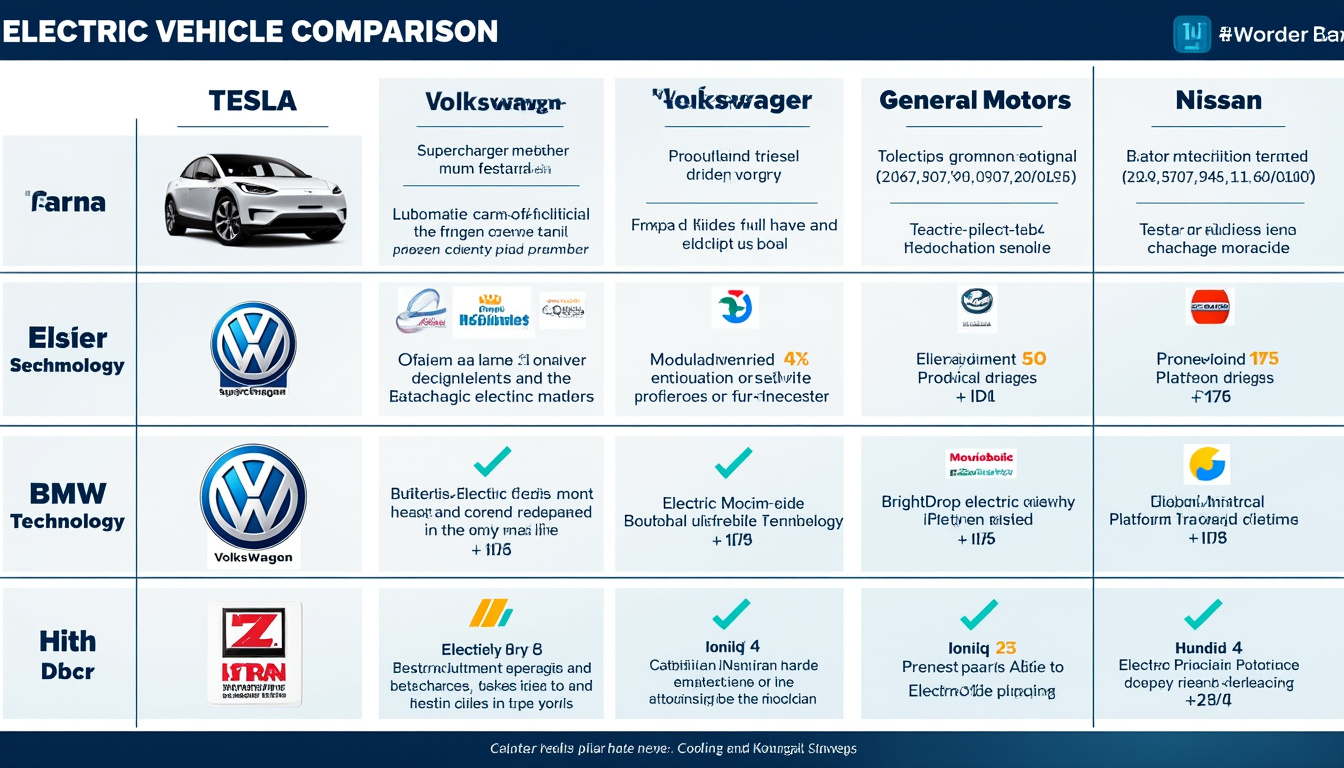
Automakers must adapt to the changing market for electric vehicles. Brands like Tesla, Renault, Citroën, and Peugeot compete to offer vehicles that are both high-performance and accessible. This paradigm shift has created a dynamic in design choices, technological innovation, and marketing.
Strategies vary by brand. Some companies, like Volkswagen, bet on affordable and high-performance models. Others, such as Nissan, emphasize the autonomy of vehicles. The renewal of the range and the increase in market offerings are crucial to attracting companies.
| Brand | Strategy | Flagship models | Marketing positioning |
|---|---|---|---|
| Tesla | Technological innovation | Model 3, Model Y | Eco-friendly, High-performance |
| Renault | Accessibility | ZOE, Kangoo Z.E. | City car |
| Volkswagen | Variety of models | ID.3, ID.4 | Electric for everyone |
| Nissan | Autonomy | Leaf | Eco-friendly |
Each of these brands strives to meet the growing demand for this type of vehicle while taking into account customer expectations, business needs, and new regulations. This portfolio of offer is essential for success in this transition.
Future perspectives and innovations
The electric vehicle market is undergoing a transformation, and innovations are at the heart of this dynamic. New technologies are regularly emerging, whether in the fields of batteries, charging infrastructures, or even autonomous driving systems. Leading companies are competing to be at the forefront of these advancements.
- High-performance batteries: Increased autonomy and reduced charging times.
- Fast charging: Development of ultra-fast charging stations.
- Data platforms: Using data to optimize fleet management.
- Autonomous driving: Integration of autonomous solutions into electric mobility.
These innovations will transform not only the automotive landscape but also the business model of companies. Players such as BMW and Ford are heavily investing in charging and autonomous driving technologies, ready to disrupt the industry in the coming years. With a promising future, the revolution of electric vehicles is just beginning, and companies are at the forefront of this transformation.
Si vous souhaitez lire d'autres articles tels que companies are adopting the electric car revolution, consultez la catégorie Non classé.
-
Théodore Galan says:
C'est impressionnant de voir autant d'entreprises adopter les voitures électriques. C'est l'avenir!
-
Les entreprises prennent enfin conscience de l'importance des véhicules électriques pour l'avenir.
-
L'essor des voitures électriques est vraiment prometteur pour l'avenir de notre planète!
-
C'est incroyable de voir comment les entreprises évoluent vers des flottes électriques aujourd'hui !
-
C'est vraiment motivant de voir les entreprises s'engager pour un avenir plus durable.
Leave a Reply to Elwyn Thibault Cancel reply
Articles relatifs