Cluses in Haute-Savoie: a controversy over free parking for electric vehicles



In Cluses, in Haute-Savoie, the debate around free parking for electric vehicles is provoking strong reactions. This issue is at the heart of the concerns of residents, who are questioning the growing presence of electric cars in their city, as well as the future of urban infrastructures and services related to sustainable mobility. The municipal authorities are navigating a complex context, balancing ecological imperatives and user aspirations. This article examines the stakes of this controversy, including the impact of political decisions on parking and the new initiatives being implemented.
Context and evolution of parking in Cluses
Cluses, traditionally known for its rich heritage and industry, is facing a transition towards sustainable mobility. In 2025, the city undertook significant revisions of its parking policy, particularly concerning electric vehicles. These changes reflect the expressed desire of local authorities to integrate electric vehicles into a broader urban project.
The discussions around parking regulations have been exacerbated by the introduction of a new parking facility, recently named "parking des Halles." This site will feature a charging station for electric vehicles, reinforcing the city's commitment to a proactive ecological policy. However, free parking for electric cars remains a controversial topic. Many users are questioning the fairness of this preferential treatment compared to conventional vehicles.
The economic and social stakes
The implementation of free parking for electric vehicles in Cluses could have significant economic repercussions. Not only does this decision attract drivers of electric vehicles, but it also encourages local businesses to highlight their ecological commitment. Furthermore, the accessibility of free parking could facilitate consumer flow in the city center, thus providing a boost to businesses.
- Attraction of customers: Businesses could see an increase in foot traffic.
- Awareness of ecology: Residents would be encouraged to adopt more sustainable behaviors.
- Investments in infrastructures: A growing need for charging stations and other services related to sustainable development.
However, some voices are raised against this approach. Citizens are concerned about the risk of exclusion for motorists owning traditional vehicles, who are forced to pay to park. This feeling of inequality can create tensions and must be taken into account by decision-makers when developing policies. In other words, for every advantage given to one group (users of electric vehicles), there may be a disadvantage for another.
| Aspect | Positive impacts | Negative impacts |
|---|---|---|
| Free parking for electric vehicles | Attracts customers, promotes local purchasing | Risk of inequality for drivers of conventional vehicles |
| Installation of charging stations | Facilitates the use of electric vehicles | Installation and maintenance costs |
In a context where the local economy must demonstrate innovation and adaptation, the challenge lies in how these measures will be perceived by the community. Could free parking for electric cars in Cluses create a precedent? The answer seems to depend heavily on communication from authorities to the population.
Impact on the environment and sustainable initiatives
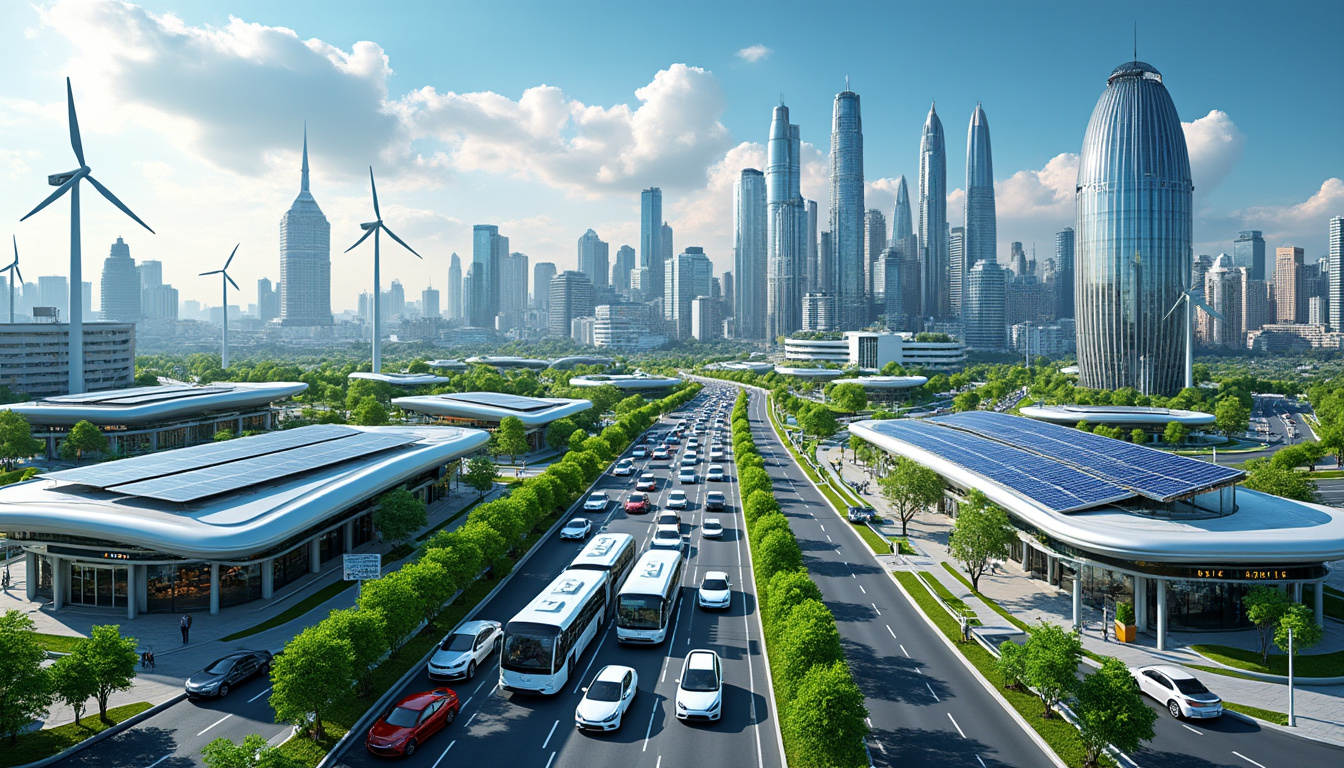
As the climate emergency intensifies, Cluses cannot ignore the environmental impact of automobiles. In 2025, initiatives to promote electric vehicles must be integrated into a broader sustainable development strategy. Free parking for these vehicles aims to support both ecological efforts and carbon emission reduction goals.
Local authorities thus have the responsibility to establish an infrastructure that promotes environmentally friendly transport choices. This includes:
- Increasing the number of charging stations in the city.
- Raising public awareness of the benefits of electric vehicles.
- Implementing incentive programs for local businesses adopting a greener vehicle fleet.
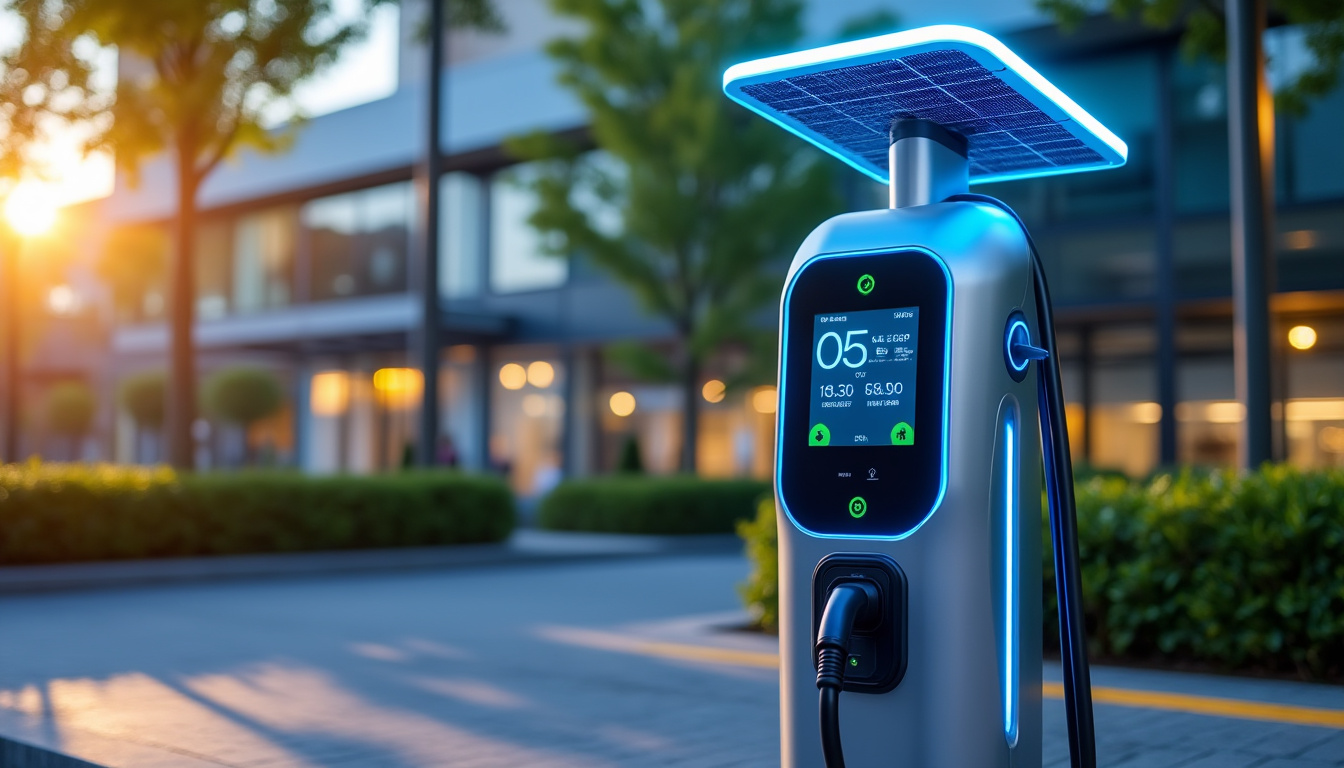
Initiatives regarding charging infrastructure do not overlook the concerns of local stakeholders. The charging station at the "parking des Halles," for instance, is the culmination of many months of discussions involving municipal actors and community representatives. Nevertheless, the success of this initiative will also depend on the ability to attract a population that is still skeptical about this type of technology. Testimonials from citizens show that their perception of electric vehicles is evolving, although some doubts remain about their practicality and cost.
The ethical debates surrounding free parking
The ethical question of free parking for electric vehicles raises significant concerns. Why favor one type of vehicle over another? Arguments in favor of a more inclusive approach are based on solidarity among users. Local governments must navigate between supporting the energy transition and respecting users who do not wish to switch to electric vehicles.
- Equitable access: Ensuring that all motorists have fair access to parking.
- Regional pride: Encouraging citizens to share a sense of responsibility for their environment.
- Feedback: Collecting residents' opinions to adjust policies accordingly.
The debates surrounding free parking for electric vehicles in Cluses reflect the tensions between the need for action and popular concerns. For example, a group of citizens recently requested a public consultation. This initiative aims to make their voices heard and encourage the municipality to reflect on the consequences of decisions made on everyone's daily lives.
| Criterion | Ethical Proposition | Consequences |
|---|---|---|
| Parking access | Equality between electric and conventional vehicles | Reduction of tensions among users and increased understanding of policies |
| Community empowerment | Inclusive public consultations | Better alignment of urban services with the real needs of the population |
The repercussions of these decisions can be profound and play a significant role in the transition to more sustainable mobility. The path remains fraught with challenges, but dialogue is essential.

New technologies and innovations in parking
The development of smart parking technologies reflects the transformation of urban services in Cluses. By integrating digital solutions, such as parking reservation applications, the city hopes to enhance the user experience while optimizing space management. Cluses is striving to stay at the forefront of innovation in its approach to mobility.
The municipality has begun to explore several avenues focused on technologies that could revolutionize the way citizens interact with parking:
- Mobile apps: These tools enable drivers to find available spaces and pay for parking electronically.
- Reservation systems: Capable of being integrated into new parking facilities, these technologies allow users to reserve a space in advance.
- Data analysis: Collecting data on parking habits can provide valuable insights for adjusting management strategies.
At the same time, continued investment in infrastructure is equally essential. Cluses aims to build an interconnected network of charging stations to facilitate the transition to electric vehicles. This not only offers short-term parking benefits but also creates favorable long-term prospects for energy transition.
| Technology | Functionality | Benefit for the city |
|---|---|---|
| Mobile application | Search and reservation of parking spaces | Improved real-time parking management |
| Electronic payment system | Instant payment via smartphone | Reduction of administrative costs |
These technological innovations must be combined with raising public awareness to ensure widespread and effective adoption of the new infrastructures. The transition to electric isn't just about modes of transportation; it also involves a cultural shift in our relationship with mobility.
Residents' reactions and future perspectives
The climate surrounding parking policy in Cluses continues to evolve. Residents are divided, but several trends emerged during recent public meetings. While some express concerns about limited access to certain areas of the city, others welcome this policy as a step towards the future. Community forums have become places of exchange where citizens share their concerns and proposals.
The reactions vary across several poles:
- Support for the current policy: Many believe that free parking for electric vehicles is a necessity to encourage sustainable practices.
- Call for reflection: Others demand that equitable solutions be considered to include all users.
- Alternative proposals: Some suggest a rotation system for parking to ensure access for all.
Meanwhile, it is crucial to understand that political decisions cannot be made without considering social implications. Implementing innovative solutions while taking citizens' concerns into account could offer new perspectives, both in terms of integration and acceptance. The city has much to gain by keeping the dialogue open.
| Type of reaction | Arguments | Implications for public policy |
|---|---|---|
| Support | Encouragement of ecological transition | Strengthening policies favoring sustainable infrastructures |
| Criticism | Alerting about access inequalities | Revision of approaches to broaden coverage to all users |
The coming months will be crucial in establishing a parking model that is not only functional but also inclusive. Cluses finds itself at a crossroads, and how it handles this issue will largely determine the future direction of its mobility policy.
Si vous souhaitez lire d'autres articles tels que Cluses in Haute-Savoie: a controversy over free parking for electric vehicles, consultez la catégorie Non classé.
-
Mira Delacroix says:
Le stationnement gratuit pour les véhicules électriques est une bonne initiative, mais il faut penser à tout le monde.
Leave a Reply to Mira Delacroix Cancel reply
Articles relatifs