Chinese electric vehicles are quickly making the leap from concept to reality

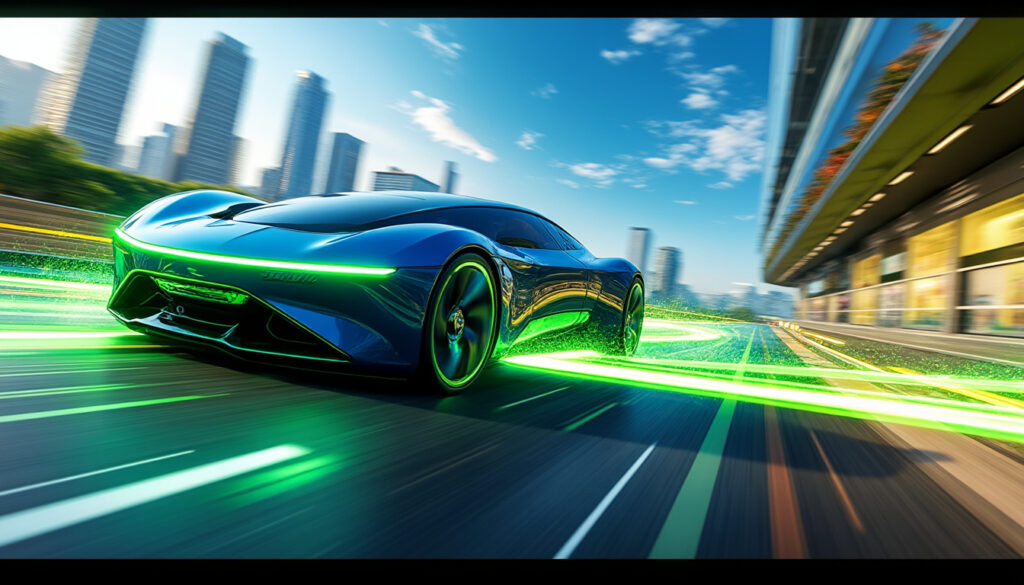

A revolution is underway in the global automotive market, with Chinese manufacturers at the forefront. Chinese electric vehicles, once viewed as futuristic concepts, are becoming a vibrant reality thanks to a combination of rapid innovation, advanced technology, and bold market strategies.
Chinese speed: an undeniable asset
The spectacular emergence of brands like Aito with its SUV M8 perfectly illustrates this dynamic. Unveiled in March, it was already on sale by April. This astonishing speed, often referred to as "China Speed," complicates matters for historical players struggling to keep up. How can they compete?
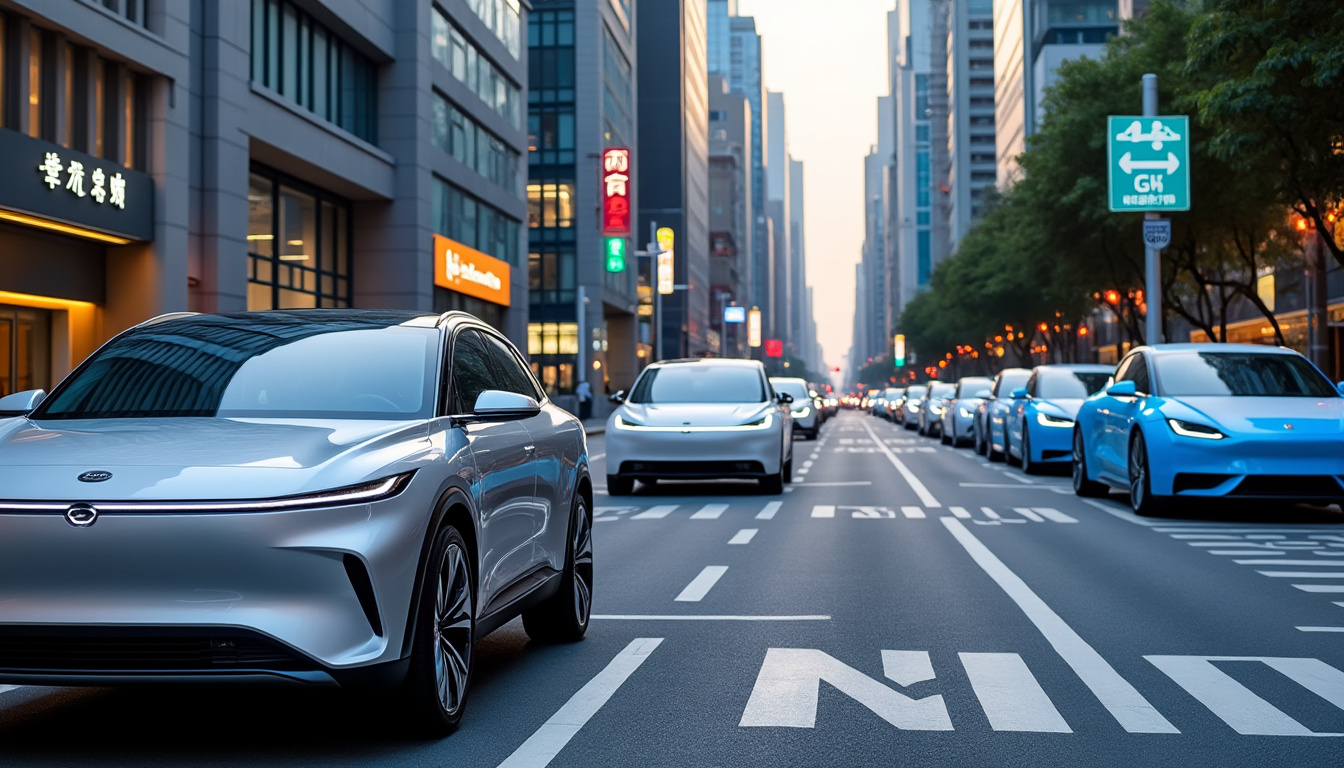
An asset in the automotive market
The growing competition from electric vehicles in China challenges old production norms. Consumers now expect much shorter product launch timelines. Here are some highlights:
- 🚀 Rapid launch of new models (sometimes in less than a month).
- ⚙️ Advanced technological integration in products.
- 💰 Innovative distribution strategies that redefine the shopping experience.
| Manufacturer | Vehicle | Time to market |
|---|---|---|
| Aito | M8 | 1 month |
| Xpeng Motors | G3 | 2 months |
| Li Auto | Li ONE | 4 months |
Impressive performance of the Aito M8 SUV
Beyond its speed, the Aito M8 features technical characteristics that make it a flagship model. This SUV is an EREV (Extended Range Electric Vehicle), combining performance and efficiency:
- 🔋 Total range of up to 1,526 km.
- 💵 Starting price of around 46,000 euros.
- 👨👩👧👦 Family configuration with three rows of seats.

Its operating system, Harmony OS, allows for a seamless connection with the Huawei ecosystem, a feature that goes well beyond traditional expectations.
Innovations in vehicle distribution
Another innovative aspect is the distribution method for these vehicles. Instead of traditional dealerships, brands like Huawei and Xiaomi offer their models directly in their stores, alongside smartphones and electronic devices. This approach redefines how consumers perceive automobiles, integrating the vehicle as an extension of their daily technology.
Consequences for the global automotive industry
This rapid movement poses challenges for traditional manufacturers such as NIO, BYD, Geely, or SAIC Motor. Traditional production timelines, often lengthy, now face increasing pressure to adapt to the demands of the Chinese market, the largest in the world for electric vehicles.
- ⏳ Competitiveness rather than stagnation.
- 📉 Risk of losing market share to Chinese agility.
- 💡 Continuous innovation or assured decline.
| Manufacturer | Position in 2025 | Strategy |
|---|---|---|
| BYD | Global sales leader | Constant innovation and external expansion |
| Great Wall Motors | Rapid growth | Expansion into the SUV segments |
| WM Motor | On the rise | Focus on electromobility |
The current situation forces major brands to rethink their development cycles and embrace agility. The innovative capacity of Chinese manufacturers disrupts traditional concepts and redefines the competitiveness standards of the industry.
Si vous souhaitez lire d'autres articles tels que Chinese electric vehicles are quickly making the leap from concept to reality, consultez la catégorie Non classé.
-
Lysandre Amalric says:
Les voitures électriques chinoises avancent rapidement, un vrai changement pour l'industrie automobile.
-
Les véhicules électriques chinois avancent vite, ça va changer l'industrie auto pour toujours.
Leave a Reply
Articles relatifs