China is betting on a bold idea: transforming its power grid into a four-wheeled vehicle

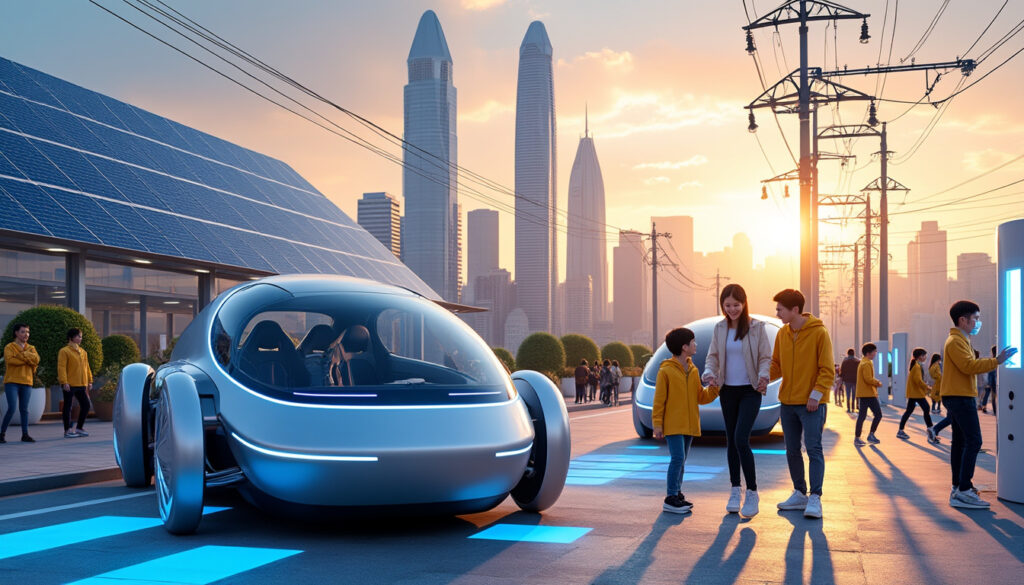

China, the undisputed leader in the global electric vehicle market, is exploring an unexpected path to reinvent its energy management system. By integrating millions of electric cars into its power grid, it is preparing for a radical change that could redefine our relationship with mobility and energy. Through its bold initiative to transform vehicles into true assets for its power grid, China demonstrates unprecedented innovation and a bold vision for a sustainable future. In this article, we will take an in-depth look at the implications and workings of this strategy.
A Strategic Initiative: The V2G Program in China
The establishment of Vehicle-to-Grid (V2G) technology in China represents a major turning point in its energy policy. This program, which spans nine major metropolitan areas, aims to integrate electric cars into the national power grid. This project is not merely an experiment; it is a large-scale test designed to address various challenges related to energy consumption.
The Involved Metropolises
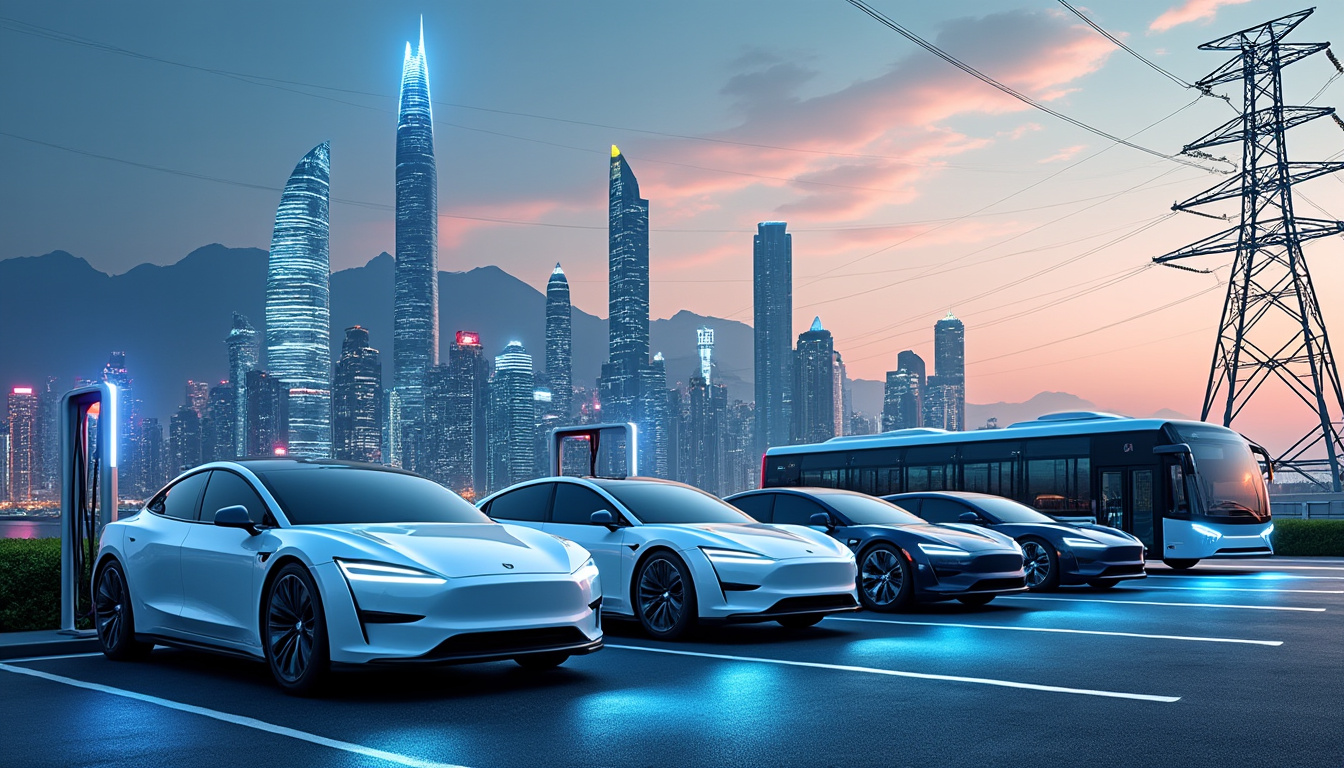
The Chinese government has selected iconic cities for the development of this program:
- Shanghai
- Guangzhou
- Shenzhen
- Hefei
- Changzhou
- Chongqing
- Haikou
- Kunming
- Huaibei
Shanghai, in particular, shows notable ambition with a plan to deploy 50,000 V2G charging stations by 2030. This initiative is part of an effort to conserve energy resources in the face of rapidly growing energy demand.
Mechanisms of Bidirectional Charging
The V2G system relies on bidirectional charging technology that allows communication between the vehicle and the power grid. Here’s how it works:
- The vehicle can be charged from the grid during periods of low demand.
- During times of high consumption, the energy stored in the vehicle’s battery can be fed back into the grid.
With a car equipped with a 60 kWh battery, for example, it would be possible to power an average home for a significant period. Thus, each city engages considerable potential by using batteries as “mobile batteries”.
The Challenges of this Transformation
However, this transition faces major technical challenges. Among them, premature battery wear is a concerning issue. Designers are working on smart algorithms capable of managing the frequency of charge and discharge cycles.
From an economic standpoint, implementing a compensation model for vehicle owners is also a crucial issue. How will users be compensated for the wear on their batteries? Additionally, public policies, such as tax incentives, can play a vital role in the success of this initiative.
| Difficulties | Possible Solutions |
|---|---|
| Battery wear | Charge cycle management algorithms |
| Compensation model | Dynamic pricing and incentives |
| Charging infrastructure | Public-private partnerships |

The Impact on the Power Grid and Energy Efficiency
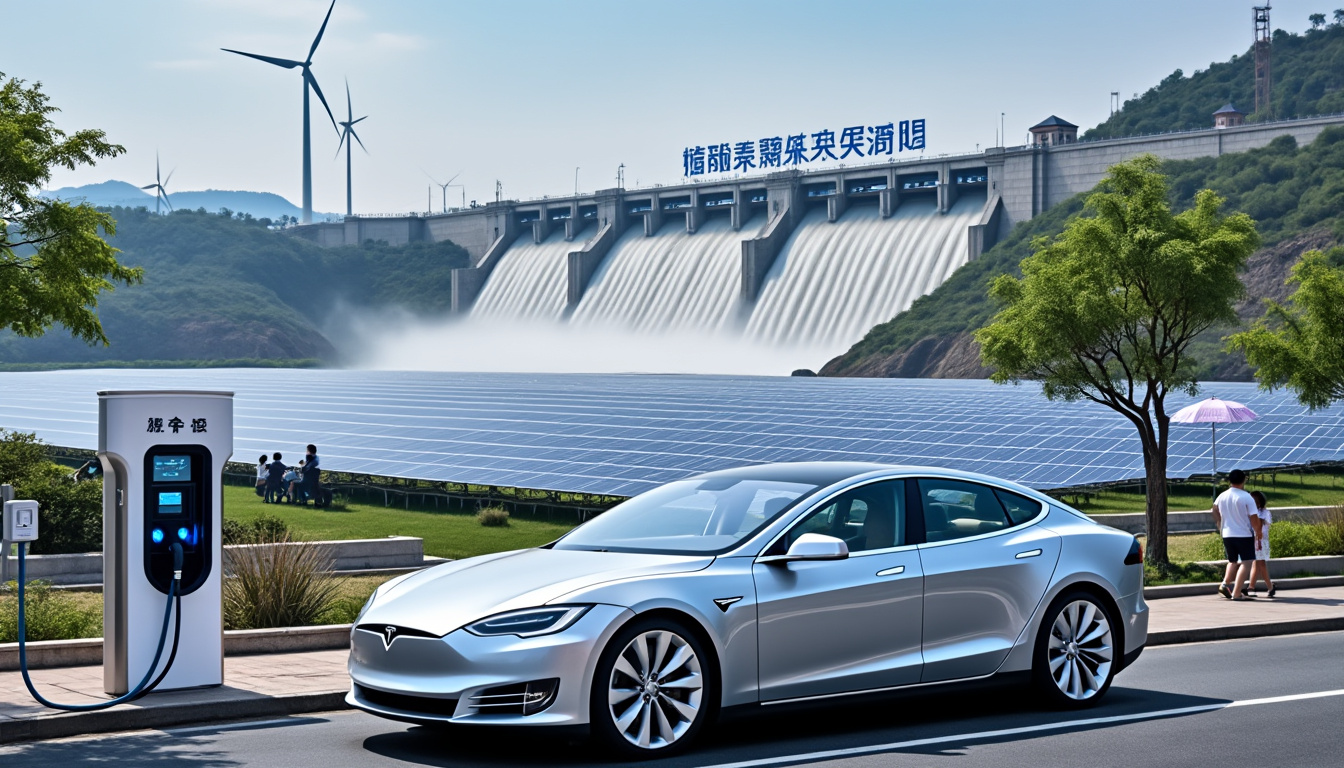
For China, this is not just a technological advancement, but also a strategic necessity. Indeed, the V2G initiative could potentially transform the country’s energy landscape. The integration of electric cars into the grid would create a gigantic virtual battery distributed across the entire territory. During periods of high demand, this battery could power the grid, thereby avoiding increased use of coal-fired power plants, which are often criticized for their environmental impact.
Sustainability at the Heart of Challenges
Positioned within a strategy for reducing carbon emissions, China has committed to achieving carbon neutrality by 2060. In the face of growing electricity demand, the V2G solution could play a crucial role in this process. By allowing vehicles to support the grid, the need for additional power plants could be avoided, making the system more sustainable.
A New Form of Profitability for Owners
The retrieval of stored energy from cars can also prove to be an opportunity for owners. Indeed, they would become players in the energy transition, receiving compensation for the resources they provide. This could also enhance the attractiveness of electric vehicles by adding a source of passive income for users.
This transformation in mobility could also motivate other countries to follow the Chinese example, particularly in Europe and the United States, where V2G projects are currently under development.
Toward a New Electric Mobility Model
By getting ahead in the deployment of this technology, China could establish global standards for V2G. Major Chinese electric vehicle manufacturers, such as BYD and NIO, could integrate these innovations directly into their future models, thereby promoting a massive adoption of this technology.
Innovation as a Driver of Transformation
The rise of V2G is just one aspect of the overall impact that technology will have on mobility. The development of electric vehicles and bidirectional charging infrastructure will alter the interconnection between the mobility and energy sectors:
- Promotion of renewable energies.
- Reduction of greenhouse gas emissions.
- Evolution of the relationships between consumers and the power grid.
Ultimately, these technological advances will reinforce China’s position as a global leader in energy and automotive innovation.
A Global Impact from V2G Initiatives
If the Chinese experience proves conclusive, it is conceivable that other nations will seek to implement similar systems. Pilot projects are already multiplying in various countries such as France with the Audi Electric Offensive project or the UK with the Octopus Energy V2G program, reflecting a growing interest in these integrated solutions. The future of renewable energies and transportation systems could be shaped by these innovations.
| Innovation | Expected Effects |
|---|---|
| V2G Technology | Energy savings and sustainability |
| Integration of Renewable Energies | Reduction of carbon emissions |
| Public-private Partnerships | Improvement of charging infrastructure |
Conclusion on the Future of Mobility in the Context of Energy Transformation
The V2G initiative in China paves the way for a significant transformation of mobility and energy management models. By merging the automotive and energy sectors, China aligns itself with the principles of sustainability and innovation. While challenges persist, the innovative resolution of these issues will indicate whether this vision can materialize on a large scale, impacting not only the Chinese market but also altering the global perspective on renewable energies and the future of transportation.
Si vous souhaitez lire d'autres articles tels que China is betting on a bold idea: transforming its power grid into a four-wheeled vehicle, consultez la catégorie Non classé.
-
Elwyn Thibault says:
C'est une approche audacieuse qui pourrait vraiment changer notre futur énergétique et de mobilité.
-
Cette initiative de la Chine pourrait vraiment changer notre façon d'utiliser l'énergie, c'est prometteur !
-
C'est inspirant de voir comment la Chine redéfinit l'énergie et la mobilité avec sa technologie V2G.
-
C'est fascinant de voir comment la Chine transforme l'énergie grâce à ses voitures électriques.
-
C'est impressionnant de voir comment la Chine innove dans la gestion énergétique avec les véhicules.
Leave a Reply to Milan Bourgogne Cancel reply
Articles relatifs