CATL and the LMB: the technological revolution that threatens traditional batteries


In a world that is constantly evolving, the quest for sustainable energy is taking an unprecedented turn. CATL, the Chinese battery giant, is poised to redefine the limits of lithium-metal battery (LMB) technology. This recent announcement of a major advancement could very well be the spark that will explode the conventions surrounding traditional batteries, a significant challenge for the automotive industry.
An Impressive Technological Advancement: The Key to Autonomy
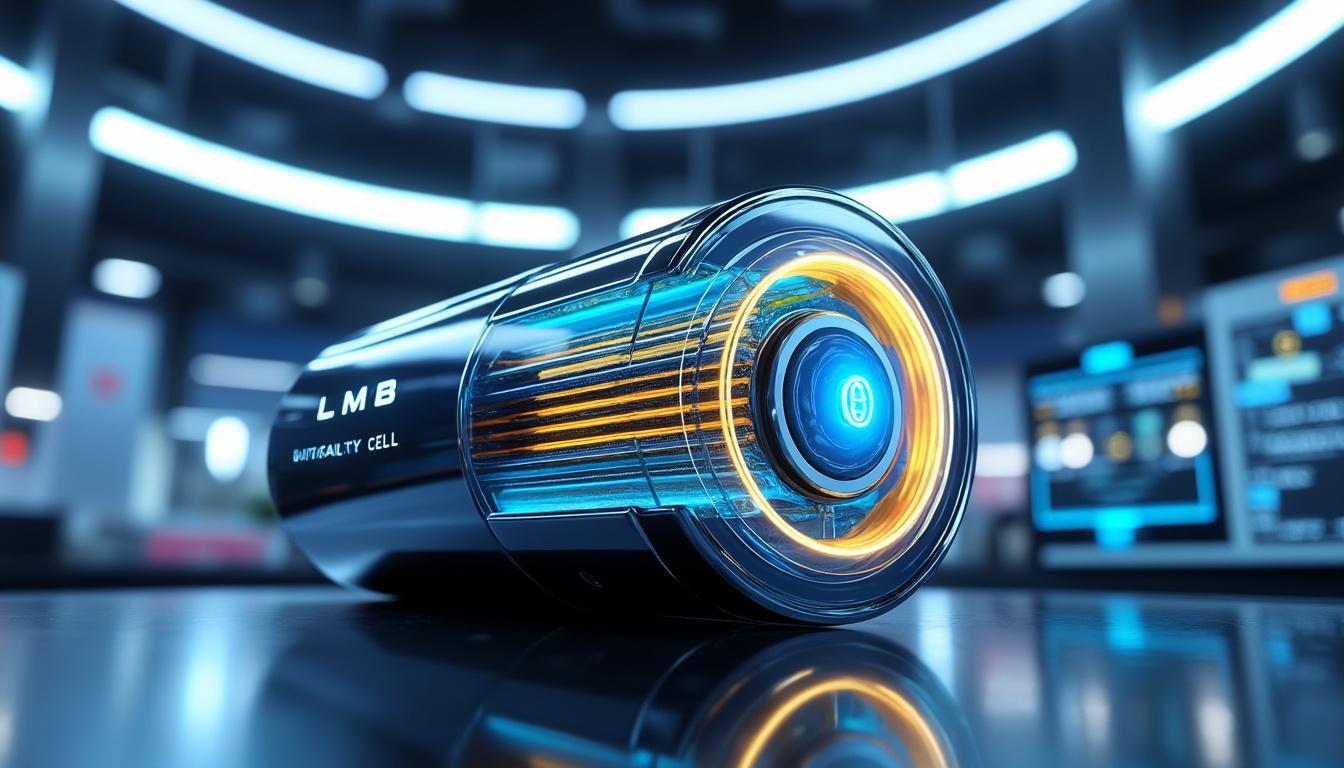
CATL has made waves with its new LMB batteries, which promise a doubled lifespan and an energy density of up to 500 Wh/kg. To put this figure into perspective, it is nearly double the energy delivered by current nickel-manganese-cobalt (NMC) batteries. The implications for electromobility are enormous:
- 🚗 A car could travel a considerably higher distance with a battery of the same weight.
- ⚖️ Alternatively, a lighter battery pack could offer the same range as before.
- 🔋 These performances allow for consideration of new applications, particularly in electric aviation.
The Secret Behind Success: An Innovative New Electrolyte
The magic lies in the use of LiFSI (lithium bis(fluorosulfonyl)imide), a revolutionary electrolyte. Researchers at CATL have demystified the previous failures of lithium-metal batteries, often due to the inadequacy of conventional electrolytes, leading to the accumulation of “dead lithium.” The benefits of LiFSI are numerous:
| LiFSI Characteristics | Advantages |
|---|---|
| Improved conductivity | ⚡️ Better overall battery performance |
| Reduced electrolyte consumption | 🛡️ Extended battery lifespan |
| Enhanced chemical stability | 🌍 Improved durability over the lifecycle |
Massive Investments Yielding Results
CATL has not only optimized its research but has also invested over $2.59 billion in R&D to develop these technologies. This decision aligns with a general trend in the industry, where research into high-performance electrolytes has become paramount. The stakes are clear:
- 📈 Constant innovations could transform the industry.
- 🌟 Focusing on the electrolyte above all could change the game in battery manufacturing.
- 🧪 Advances align with recent research, suggesting up to 3000 charge cycles for high concentration batteries.
Towards Promising Commercialization
Now, the question that arises is that of industrialization. CATL is looking into large-scale implementation, while being aware that significant technical challenges remain. The potential impact is undeniable, with a particular focus on:
| Battery Type | Energy Density (Wh/kg) | Typical Lifecycle Cycles | Commercial Status |
|---|---|---|---|
| Current NMC | 200-300 | 1000-2000 | Mass Production 🚀 |
| CATL LMB | 500 | 483+ | Advanced Prototype ⚙️ |
| Solid-state (planned) | 400-450 | 3000+ | In Development 📆 |
All indications suggest that these LMB batteries will generate significant interest among automakers eager to integrate them into their vehicles. These revolutionary technologies present an opportunity that could potentially transform not only the ecology of our time but also our relationship with mobility.
Si vous souhaitez lire d'autres articles tels que CATL and the LMB: the technological revolution that threatens traditional batteries, consultez la catégorie Non classé.
-
Lysandre Verneuil says:
Les avancées de CATL sont impressionnantes et pourraient vraiment changer notre façon de penser les batteries.
-
Ces batteries LMB de CATL pourraient vraiment changer le jeu pour les voitures électriques.
-
Ces nouvelles batteries ont le potentiel de changer complètement notre façon de conduire. Vivement la suite !
-
Ces avancées dans la technologie des batteries pourraient vraiment changer le paysage de l'électromobilité.
-
Ces avancées de CATL en LMB pourraient vraiment changer la donne pour l'industrie automobile.
Leave a Reply
Articles relatifs