Cars and reliability: which ones fail the technical inspection after 200,000 km?

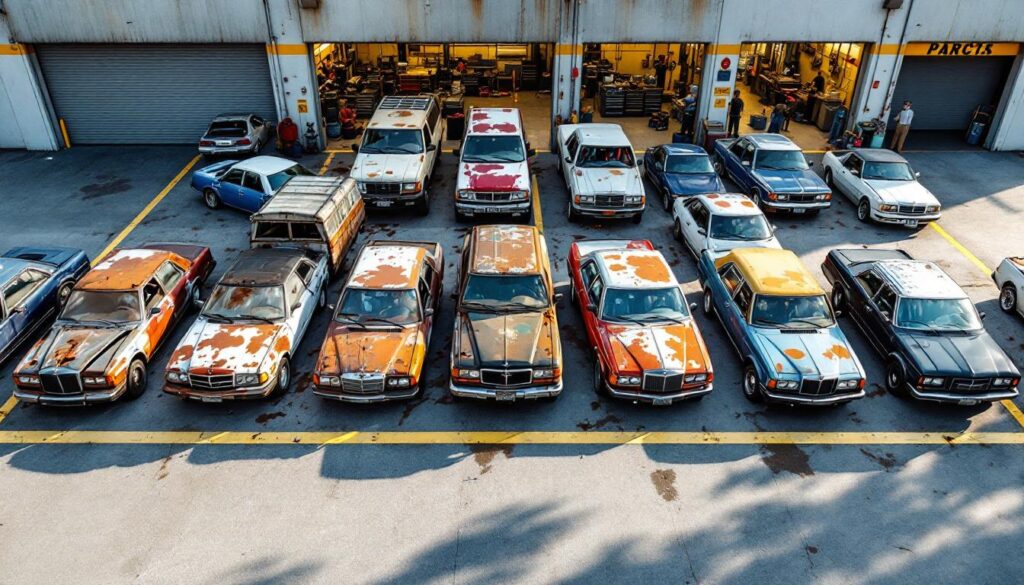

Cars can be faithful companions, but their reliability is often tested over time. Exceeding 200,000 kilometers is a true obstacle course. Vehicle owners often wonder: what is the probability that their car will pass the technical inspection without hassle at this advanced stage? Brands like Renault, Peugeot, Citroën, and many others have varied track records in terms of reliability. This article looks into these vehicles that can disappoint and the reasons behind these failures.
Brand performances in the technical inspection
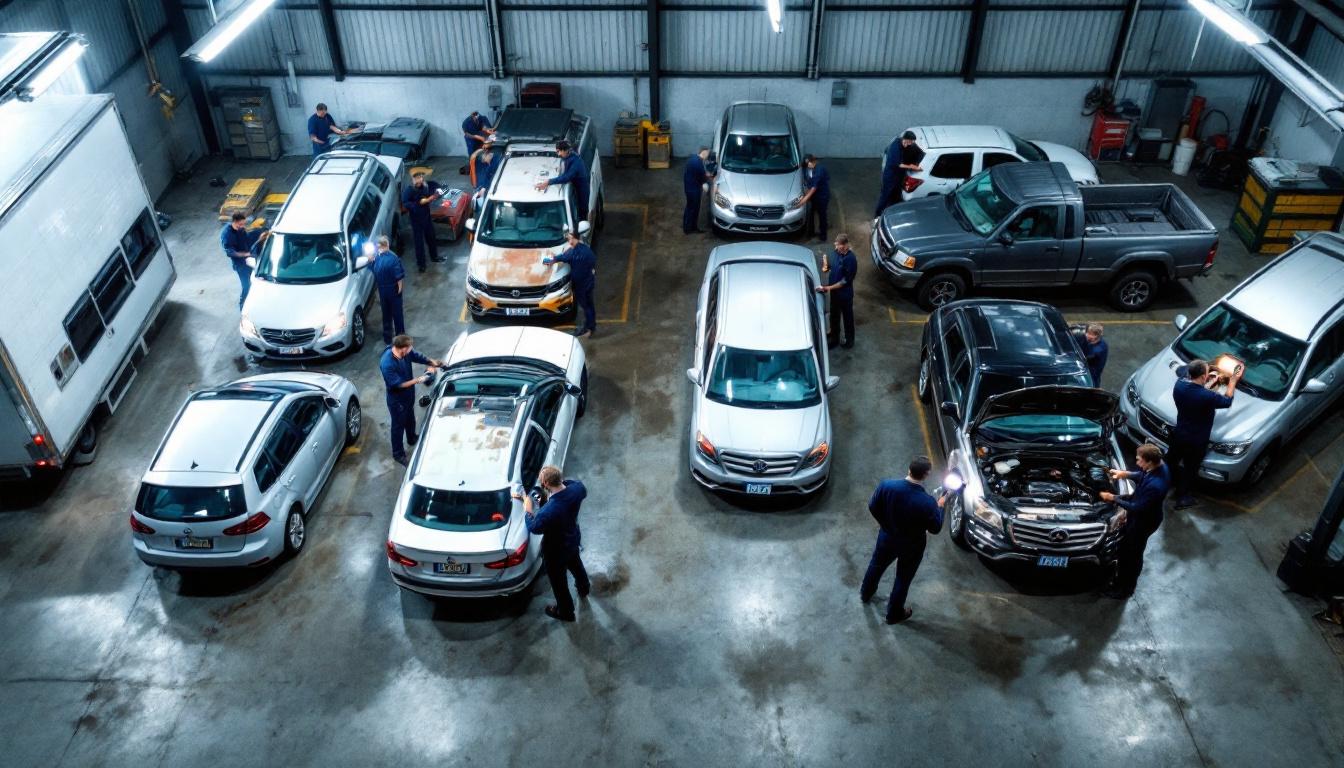
The technical inspection is a necessary step for every vehicle, and cars over 200,000 km often have to work harder to impress the experts. The results of technical inspections show notable disparities between brands. A closer examination reveals that some brands seem to fare better than others. For example, Asian models like those from Toyota and Honda stand out for their remarkable reliability.
Evaluations of major brands
Studies on technical inspection statistics highlight significant gaps:
| Brand | Success rate (%) | Re-inspection risk (%) |
|---|---|---|
| Toyota | 90 | 10 |
| Honda | 88 | 12 |
| Renault | 75 | 25 |
| Peugeot | 70 | 30 |
| Volkswagen | 80 | 20 |
These figures show that Japanese brands tend to outperform their European counterparts, raising the question: is it a matter of design, materials, or simply corporate culture?
Factors influencing the success rate
Several criteria determine whether a car will pass the technical inspection. Regular maintenance is crucial. A vehicle, even from a good brand, that is not maintained risks encountering problems. For example:
- Service history: a car with a record of regular services is more likely to pass the inspection.
- Repairs made: it is essential to address the defects noted during previous inspections.
- Type of driving: aggressive driving can lead to premature wear of components.
Ultimately, it is not only the brand that determines a failure but also how the vehicle has been treated over the years. Take the example of a well-maintained Nissan, which could surprise with its longevity and reliability at the technical inspection.
Models often rejected: a detailed study
Some car models, due to their construction or design flaws, have developed a reputation for being difficult during technical inspections. These instances can be particularly disappointing for both the owner and the technician who must provide an assessment. How do we compile a list of these vehicles?
Models to watch
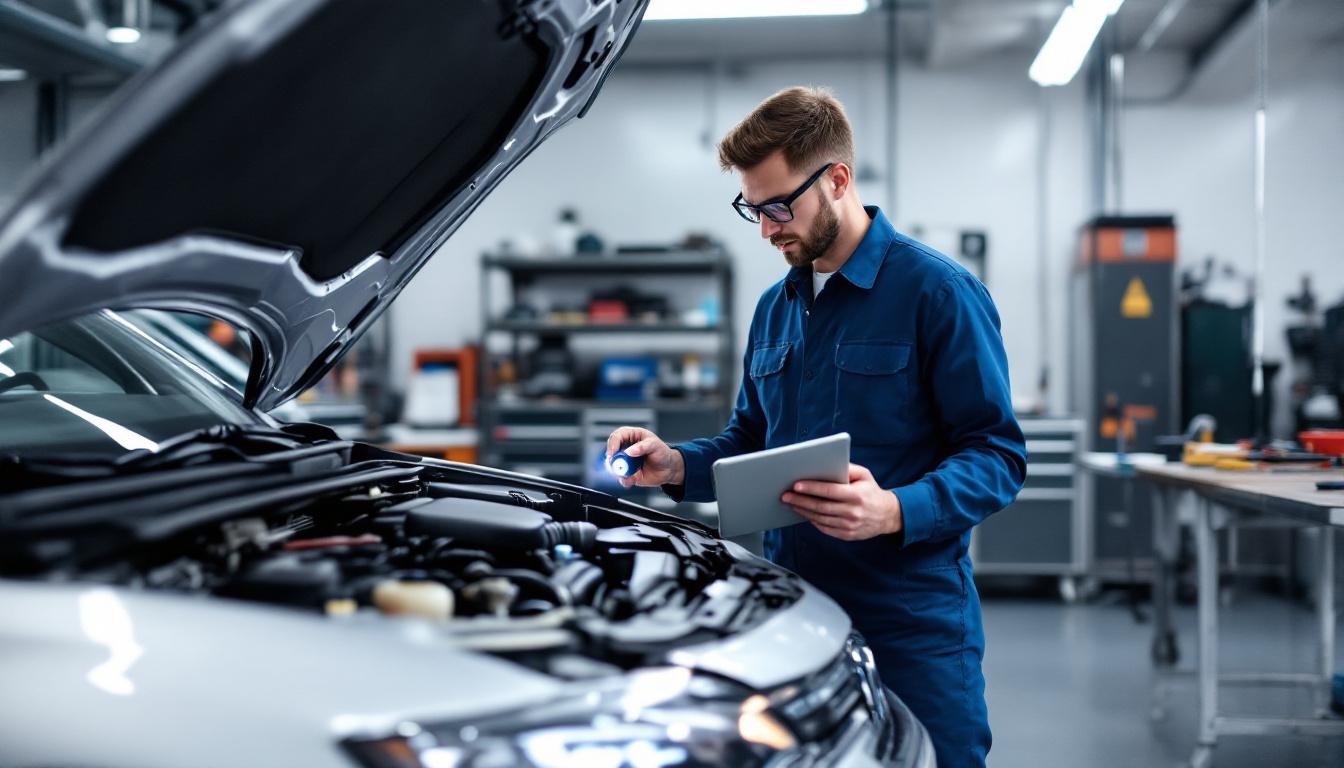
Here are a few examples of models that tend to encounter difficulties during technical inspections:
- Renault Clio: often criticized for its electrical faults.
- Crossover Citroën: issues with dampening that arise over time.
- Peugeot 207: known for its power steering problems.
- Ford Fiesta: engine failures that can occur without warning.
- Volkswagen Polo: abnormal wear of the braking system over the years.
By analyzing these models, it becomes clear that technical issues are recurrent. Reliability is not just a matter of brand, often it is about poorly designed or assembled parts.
Summary table of problematic models
| Model | Main issue | Failure rate (%) |
|---|---|---|
| Renault Clio | Electrical faults | 30 |
| Crossover Citroën | Dampening | 28 |
| Peugeot 207 | Power steering | 35 |
| Ford Fiesta | Engine failures | 33 |
| Volkswagen Polo | Braking system | 31 |
This information prompts reflection. Whether for future purchases or preparing for a technical inspection, knowledge is key.
The stakes of maintenance and preventive care
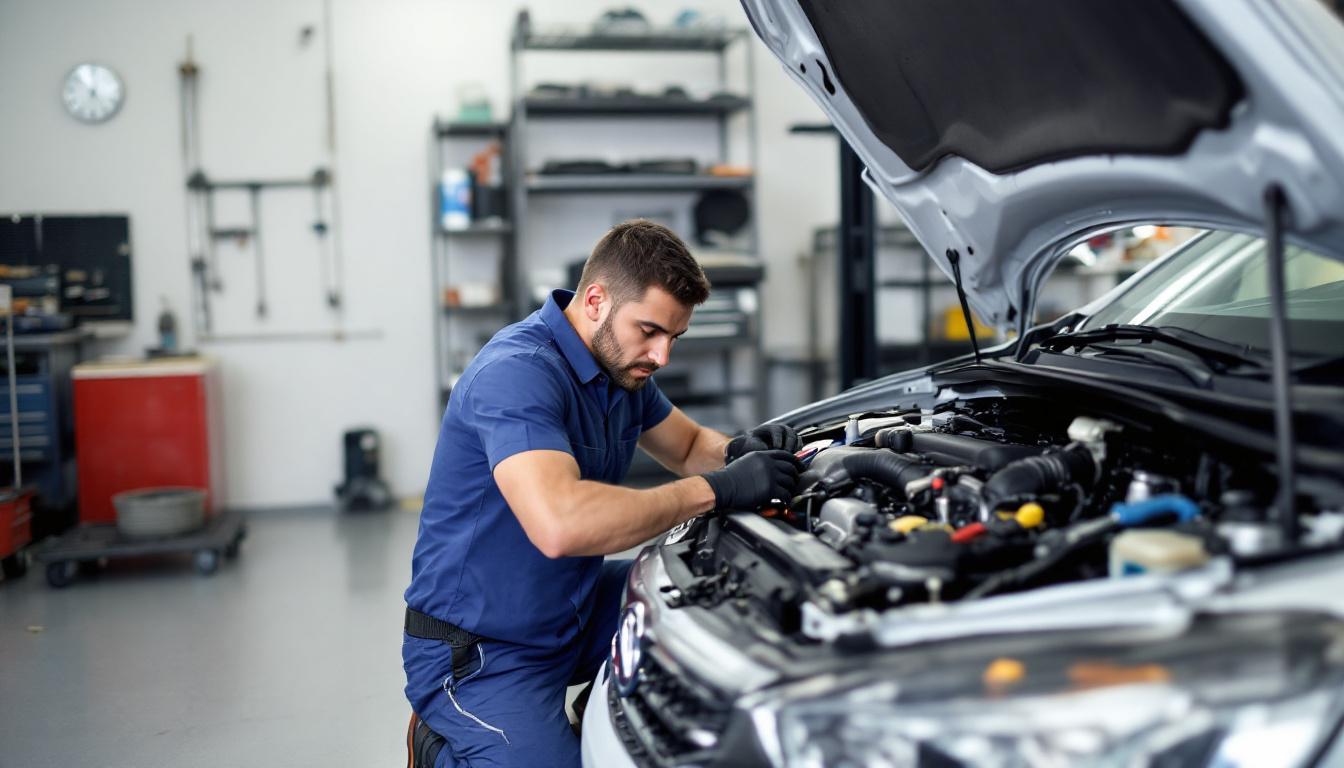
Preventive maintenance is often neglected, but it can make all the difference when it comes to long-term reliability. A well-maintained vehicle not only passes the technical inspection but remains a reliable road companion. What recommended practices are there?
The imperatives of maintenance
To ensure the longevity of a vehicle, here are some key steps:
- Regular services: adhere to the intervals recommended by the manufacturer.
- Fluid checks: oil, brake fluid, and others should be checked and replaced if necessary.
- Tire checks: their condition can influence not only safety but also traction and grip.
- Anticipating failures: understanding the weaknesses of your model, like an Opel Astra, to act before significant costs are incurred.
These actions not only help prevent failures at the technical inspection but also optimize performance by keeping a vehicle in good shape. This obviously requires commitment, but the return on investment can be significant.
The cost of maintenance versus a failure
It is also essential to consider the cost of preventive maintenance versus the cost of a re-inspection. Here’s an overview of the average costs:
| Type of maintenance | Average cost (€) | Cost of a re-inspection (€) |
|---|---|---|
| Complete service | 250 | 90 |
| Tire change | 300 | Not applicable |
| Brake change | 150 | 90 |
The observation is striking: investing in preventive maintenance avoids many hassles. A small regular expense can prevent much larger costs. It is a responsible approach towards one’s car and budget.
Awareness of driver responsibility
With increasingly dense road traffic, driver responsibility is on the rise. Owning a car also means taking responsibility for it. Users must be aware of the importance of ensuring their vehicle’s good health, well beyond the mere obligation to pass a technical inspection. What options are available for motorists?
A collective awareness to develop
Motorists have a crucial role to play in improving the reputation of their models. By focusing on:
- Education on maintenance: informational workshops can help raise awareness about best maintenance practices.
- Experience sharing: forums and online groups where drivers exchange their experiences are valuable sources of information.
- Sustainable development: considering ecological issues with choices of less polluting cars.
These initiatives can foster the creation of a community aware of the issues of automotive reliability. The more involved and informed drivers become, the better their vehicles will perform during inspections.
Conclusion: the future of automotive reliability
So, which path to take? In a future where technology evolves rapidly, electric vehicles are beginning to attract more drivers, offering reputedly superior reliability. Indeed, their design makes them interesting options for long-term use. Consumer reactions are worth watching:
- Nissan Leaf: already praised for its durability and low maintenance costs.
- Toyota Prius: acclaimed for its longevity and hybrid technology.
- Ford Mustang Mach-E: the promise of a modern and reliable driving experience.
The car of the future may be less a simple means of transportation than a symbol of a commitment to the planet and sustainable mobility.
Si vous souhaitez lire d'autres articles tels que Cars and reliability: which ones fail the technical inspection after 200,000 km?, consultez la catégorie Non classé.
-
Liora Verdant says:
C'est fascinant de voir comment la maintenance influence vraiment la fiabilité des voitures.
-
Les statistiques sur la fiabilité des voitures sont vraiment éclairantes pour les acheteurs potentiels.
Leave a Reply
Articles relatifs