Canadian Grand Prix F1: Max Verstappen expresses his satisfaction at the finish, 'It's the best possible result'

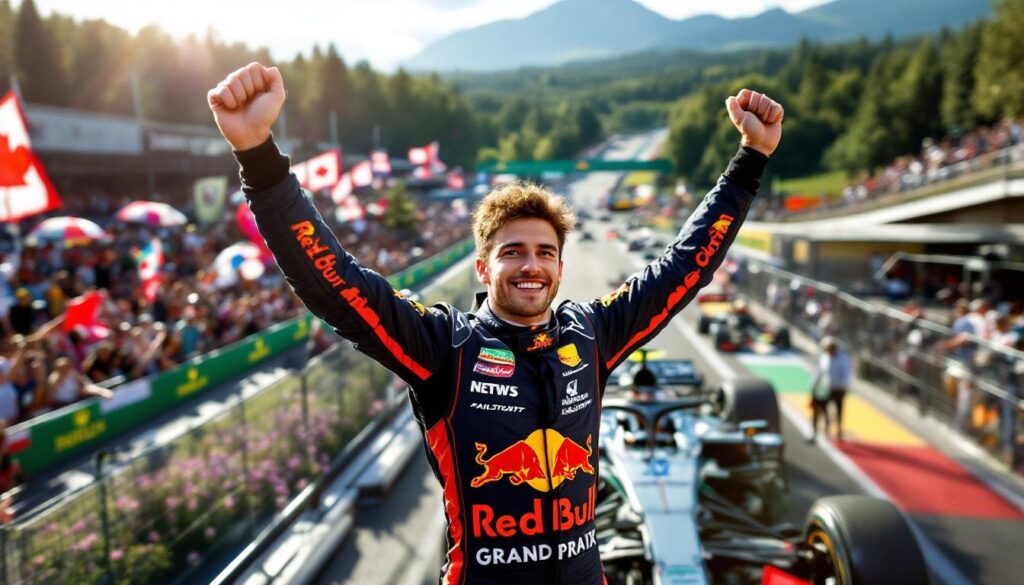

The Canadian Grand Prix of Formula 1 once again captivated motor racing enthusiasts. The Montreal circuit was the scene of an exhilarating race where strategic stakes intertwined with technical performances. Max Verstappen, the star driver of Red Bull Racing, finished the race in an impressive second place, just behind George Russell of Mercedes-AMG. This result, although disappointing for some, was met with notable satisfaction by the outcome. Far from being just a simple podium, this performance has significant implications in a championship where every point counts.
The Canadian Grand Prix: A Playground for Drivers
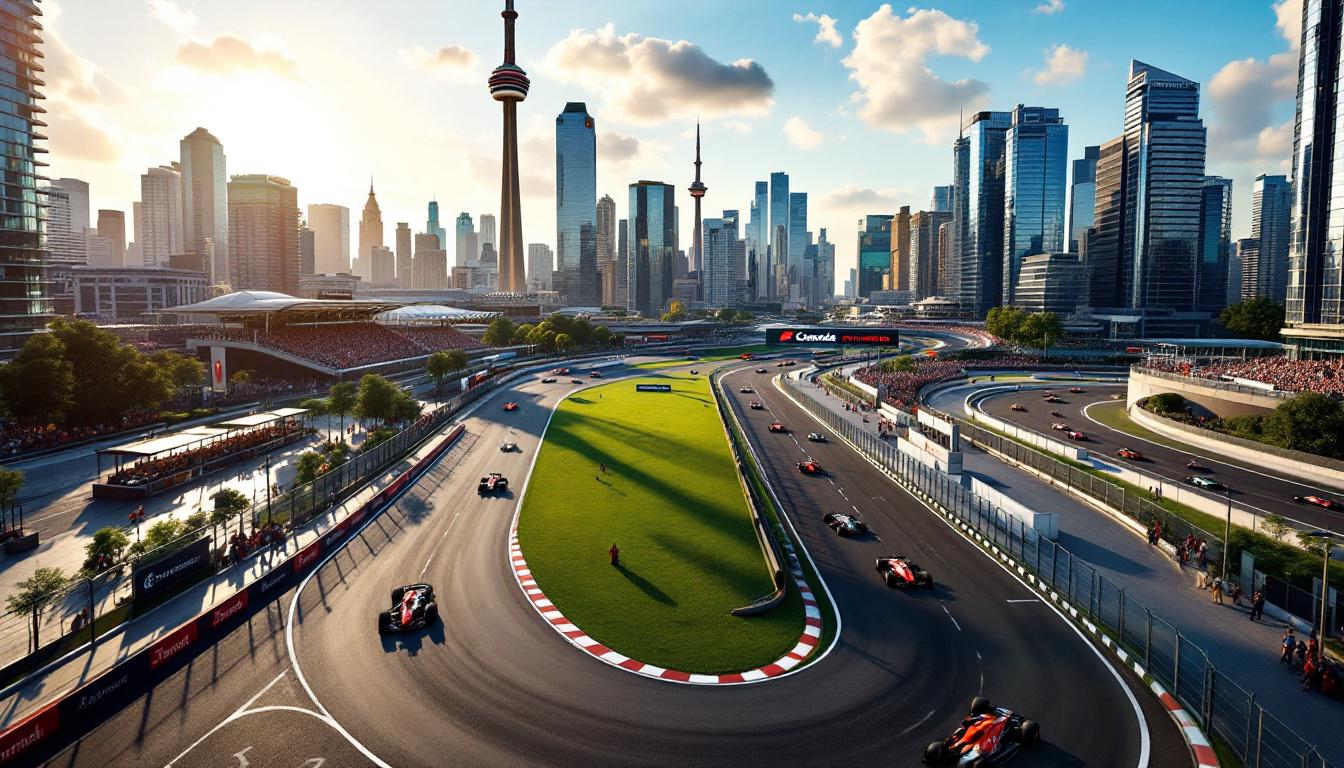
The Montreal circuit is known for its mix of opportunities and challenges. Known for its tight turns and long straights, it tests both the speed and grip of the single-seaters. Drivers must juggle between power and finesse, making it fascinating to follow. Managing Pirelli tires is also crucial here, as temperature fluctuations can impact the race strategy adopted by each team.
During this 2025 edition, the battle for championship leadership took a new turn. Max Verstappen reflected on his race, explaining: "In the first two stints, we struggled a lot with the tires." The importance of real-time race strategies proved to be a determining factor. This notion is essential, as a poor decision could quickly drop a driver down the standings.
But what to do when the initial strategy doesn't bear fruit? Drivers, like Verstappen, must then adapt and improvise. This adds a layer of excitement, not only for those watching but also for the drivers themselves. Thanks to exceptional skills and sharp intuition, Verstappen was able to manage his race effectively. With an adapted strategy on the final stint, he was able to improve his pace and maintain his position, thus solidifying his place in the title fight.
A Symbolic Podium: The Battle of the Giants
This podium, consisting of drivers from Red Bull and Mercedes-AMG, illustrates the unwavering rivalry that exists between the two teams. George Russell capitalized on his experience and the performance of his car to secure victory, while Verstappen demonstrated determination to protect his second place. This raises an interesting point: how can each driver best exploit the potential of their car to take advantage of these strategic vastnesses?
This race also highlighted the performances of other teams such as Ferrari, Alpine, and McLaren. Despite high expectations, many fans had hoped to see Ferrari shine in Montreal. Instead, they had to settle for a mixed performance, while Alpine demonstrated surprising consistency, and McLaren had to manage reliability issues. Performance variations between teams are a constant in the world of Formula 1, adding a touch of suspense to each encounter.
Max Verstappen, while exalting his performance, did not forget to check the progress of his pursuer. "It's a long road, and we need to take the races one at a time." This wisdom embodies the mentality of champions, a reminder that perseverance and long-term strategy are just as crucial as performance in the moment.
| Position | Driver | Team | Time |
|---|---|---|---|
| 1 | George Russell | Mercedes-AMG | 1:32:56 |
| 2 | Max Verstappen | Red Bull Racing | + 5.2s |
| 3 | Kimi Antonelli | Mercedes-AMG | + 12.1s |
| 4 | Oscar Piastri | McLaren | + 18.3s |
| 5 | Lando Norris | McLaren | Abandon |
The Importance of Tire Management in the Race
In the world of Formula 1, tire management plays a vital role. It's not just about raw speed, but a subtle dance between performance and endurance. The choice of tires relative to track conditions can make the difference between victory and defeat. During the Canadian Grand Prix, Verstappen's team opted for an aggressive strategy, allowing him to take calculated risks against the competition. This required extreme focus and the ability to adapt to changing race conditions.
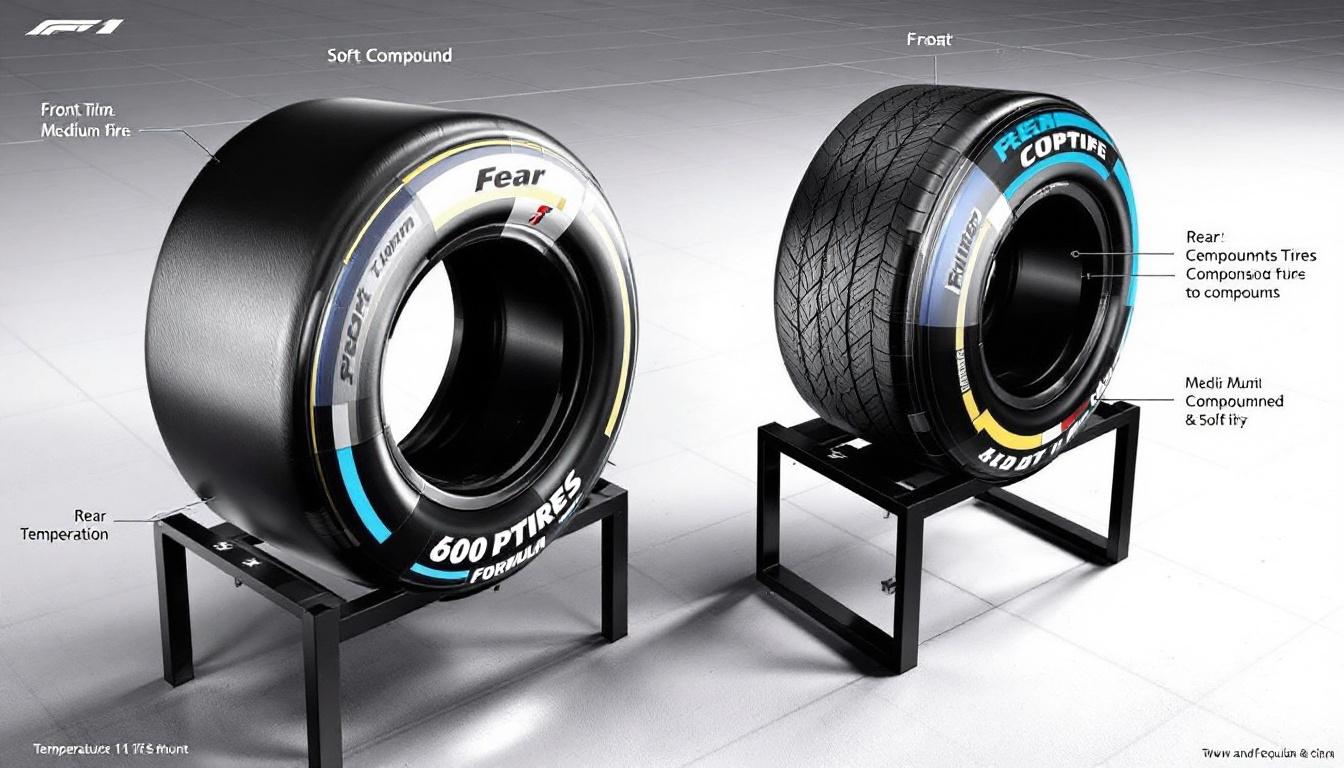
Drivers use various types of tires provided by Pirelli, each designed for specific conditions. For instance, soft tires offer maximum grip but wear out more quickly, while hard tires are more durable but perform poorly on cold or wet tracks. The wise choice of these elements is crucial to determining the overall race strategy.
In this particular race, Verstappen's ability to juggle tire wear management and speed optimization played a fundamental role. He was able to maintain a competitive pace while avoiding a key factor: over-exertion. Teams must continuously assess tire conditions during the race, with the goal of maximizing the car's potential while minimizing the risk of punctures or excessive wear.
- Identify the right moment to change tires.
- Assess the state of the track and its impacts on grip.
- Anticipate fuel needs based on race strategy.
| Type of Tires | Advantages | Disadvantages |
|---|---|---|
| Soft tires | Best grip, high speed | Quick wear, less durable |
| Medium tires | Good compromise between performance and endurance | Not as fast as soft tires |
| Hard tires | High durability, good for long distances | Inferior grip, less effective on cold tracks |
The Impact of Weather Conditions on the Race
The weather plays an undeniable role in a Formula 1 race. Every change in temperature or humidity can influence the circuit's dynamics and, consequently, the performance of the single-seaters. The Canadian Grand Prix is no exception to this rule. Drivers must constantly adjust to weather variations that can affect not only the track surface but also tire strategy.
Weather experts are a reference in preparation, but no forecast can replace a driver's intuition. During the race, Verstappen noted the importance of continuously adapting his driving. “It was clearly the maximum we could do today,” he stated, thus highlighting that despite the circumstances, the team had reached its full potential in these conditions.
The Dynamics of the Drivers' Championship
The race for the drivers' championship is always a fierce battle. Max Verstappen, although finishing second, holds hopes for the season. Currently, he is in a tight struggle with Oscar Piastri, who leads the standings with a substantial advantage. Thanks to the fourth place he achieved in the GP, Piastri remains in the lead with a 43-point lead over Verstappen. This shows that, even though the Dutchman delivered a solid performance, he still has a way to go to claim his title.
The standings are such that each race becomes decisive. Strategic adjustments, such as tire management, speed optimization, and even teamwork, add a level of complexity to this struggle. A single misstep could allow a competitor to take a considerable lead.
The summer period promises to be crucial, as additional challenges await each team. The upcoming races will be decisive, involving not only individual performances but also the overall effectiveness of the teams. With the battle continuing between Red Bull Racing and Mercedes-AMG, the soon-to-come races will be moments not to be missed.
| Driver | Points | Team |
|---|---|---|
| Oscar Piastri | 195 | McLaren |
| Lando Norris | 172 | McLaren |
| Max Verstappen | 152 | Red Bull Racing |
| George Russell | 140 | Mercedes-AMG |
| Kimi Antonelli | 130 | Mercedes-AMG |
Si vous souhaitez lire d'autres articles tels que Canadian Grand Prix F1: Max Verstappen expresses his satisfaction at the finish, 'It's the best possible result', consultez la catégorie News.
-
Seraphin Dubois says:
Quelle formidable course ! Verstappen a bien géré, mais le combat pour le titre reste intense.
Leave a Reply to Seraphin Dubois Cancel reply
Articles relatifs