BYD prioritizes hybrids to establish itself in Europe rather than electric vehicles

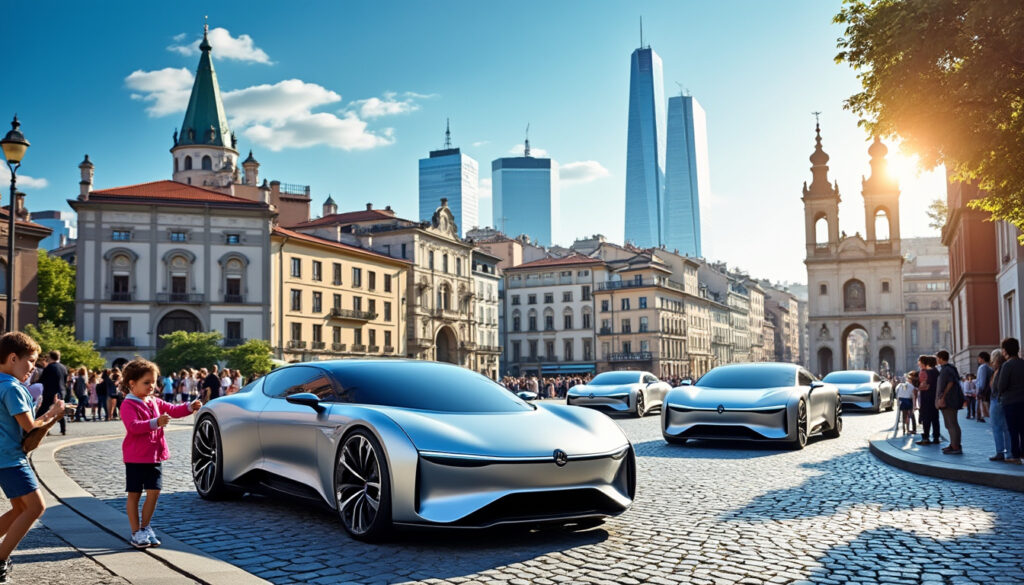

As we navigate the twists and turns of the European automotive market, a burning question arises: what strategies are manufacturers adopting to assert themselves in the face of fierce competition? It is in this context that BYD, the Chinese giant, makes a bold turn by choosing to prioritize plug-in hybrid vehicles rather than focusing solely on all-electric models. This decision, which contrasts with the zero-emission pioneer image the brand has built, sounds like an acknowledgment of the challenges that Europe presents in terms of electrification.
BYD: A strategic shift towards hybrids
Adaptation or opportunism? BYD's position in the European market is rooted in an analysis of consumer expectations. The changes in production indicate informed choices:
- Local production: BYD plans to assemble its hybrid models in Hungary and Turkey, a move that reflects a deep commitment to the European market 🌍.
- Resilience against import taxes: By avoiding bringing its hybrids from China, BYD cleverly navigates economic obstacles that could hinder its growth 🏭.
- Understanding local needs: The decision to move towards plug-in hybrids is explained by gaps in the charging infrastructure in Europe, revealing a pragmatic approach to attract a customer base hesitant to switch to all-electric 🚗.
An appealing hybrid portfolio
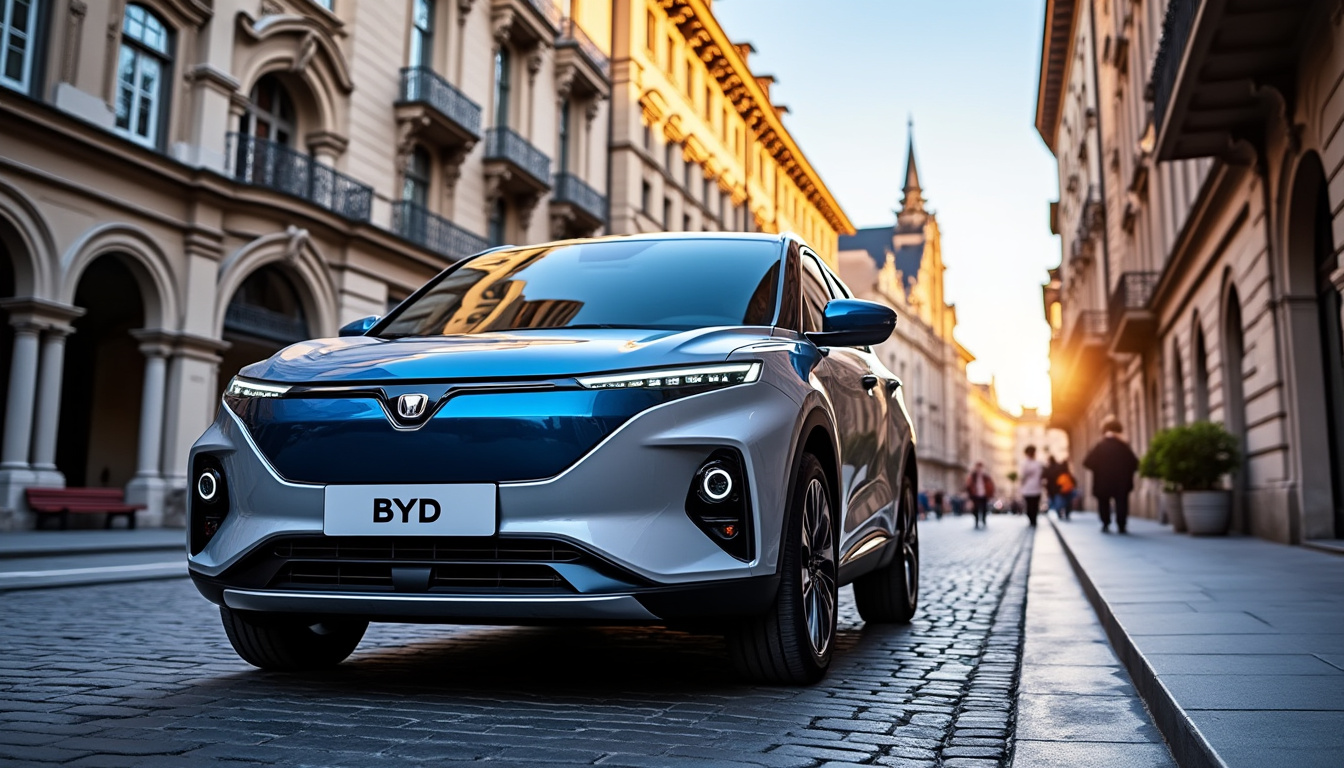
To bolster its offensive, BYD presents hybrid models tailored to the desires of European consumers. By 2026, the goal is clear: every model marketed will be available in hybrid version. Among them, we find:
- 🔋 Atto 2 PHEV: a compact SUV, promising in terms of value for money.
- 🚙 Seal: an attractive sedan with optimized hybridization.
- 🌲 Tang: a plug-in hybrid SUV, ideal for families.
- ⚡ Denza: premium models to explore, which could attract a more demanding clientele.

A response to European market concerns
The automotive landscape in Europe presents unique challenges. Consumers remain hesitant to invest heavily in 100% electric vehicles due to:
- 💰 High acquisition costs
- 🔌 Limited charging infrastructure in certain regions
- ⏳ Limited range in some models, creating anxiety on long journeys
| Type of powertrain | Typical electric range | Average price | Tax benefits in Europe |
|---|---|---|---|
| 100% electric | 350-600 km | €35,000 – €70,000 | Significant but decreasing |
| Plug-in hybrid | 50-100 km | €30,000 – €60,000 | Moderate and variable by country |
The competitors' reaction
BYD is not content with just consolidating its position within the system. By integrating local production, it directly puts pressure on brands like Peugeot, Renault, Volkswagen, Ford, and Hyundai, who must adapt to this new reality. This marks a new era where Mitsubishi and Nissan must reconsider their strategic choices in the face of the rising power of their rival. Here is an overview:
- 🏎️ Volkswagen: Well-established in the plug-in hybrid segment with the Golf hybrid.
- ⛽ Kia: In the process of refreshing its lineup to attract more customers towards hybrids.
- 🔄 Toyota: Still a pioneer with its Prius, the brand must remain vigilant in the face of this competition.
Conclusion on the evolution of the market
BYD's decision to bet on plug-in hybrids is both bold and reasonable. It highlights the need for a nuanced understanding of consumer tastes and market realities. By adhering to this strategy, BYD does not abandon electrification but adapts to it with pragmatic wisdom while leaving its mark on European soil. Now more than ever, the automotive market is evolving, and BYD seems well positioned to take control. Let’s meet again in the coming years to observe its meteoric rise on the old continent! 🚀
Si vous souhaitez lire d'autres articles tels que BYD prioritizes hybrids to establish itself in Europe rather than electric vehicles, consultez la catégorie Non classé.
-
Liora Brice says:
C'est intéressant de voir BYD choisir les hybrides pour le marché européen, ça répond à des besoins réels.
-
C'est intéressant de voir BYD adopter une approche hybride pour s'adapter à l'Europe.
-
La décision de BYD est judicieuse, surtout avec l'infrastructure de recharge encore limitée en Europe.
Leave a Reply to Elowen Marceau Cancel reply
Articles relatifs