BYD defends its position in the face of the price war of electric cars by denouncing the malicious side of certain competitors

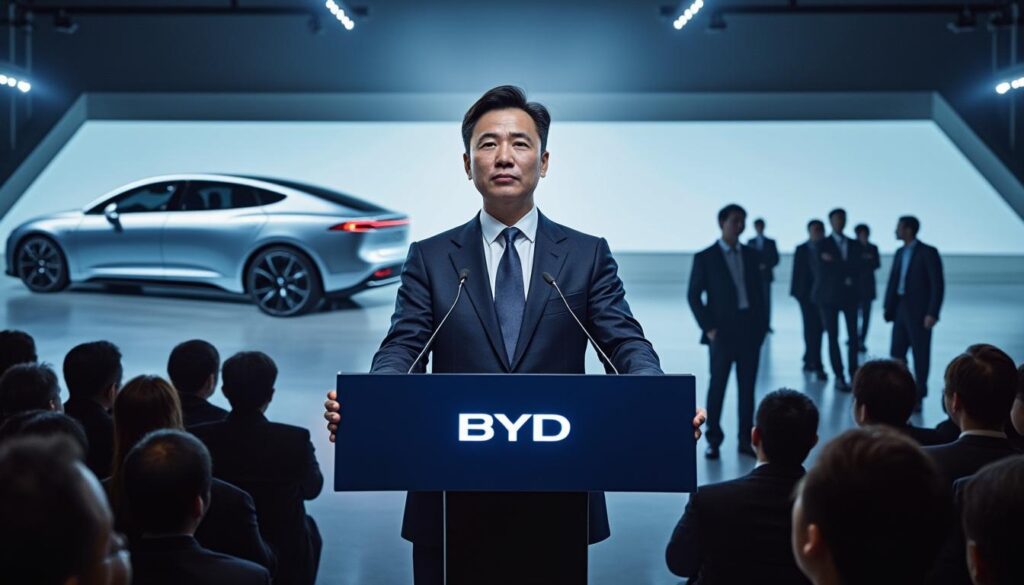

On one hand, the unstoppable rise of electric vehicles is redefining the global automotive landscape. On the other hand, the price war that is spreading, particularly in China, creates an atmosphere of tension among various market players. BYD, the undisputed leader in the electric car industry, does not hesitate to take a stand against this pricing crisis, denouncing the practices considered unscrupulous by certain competitors. This phenomenon, far more than a simple commercial competition, raises questions of ethics and sustainability, placing innovation at the heart of the debates.
The context of the price war in the electric car market
In recent years, the automotive industry has seen a major evolution thanks to the rise of electric cars. This movement is primarily fueled by increasingly strict regulations on CO2 emissions, and the need to meet the growing expectations of consumers concerning sustainability. In the global electric vehicle market, Chinese brands, including BYD, are entering strongly, offering models at unbeatable prices.
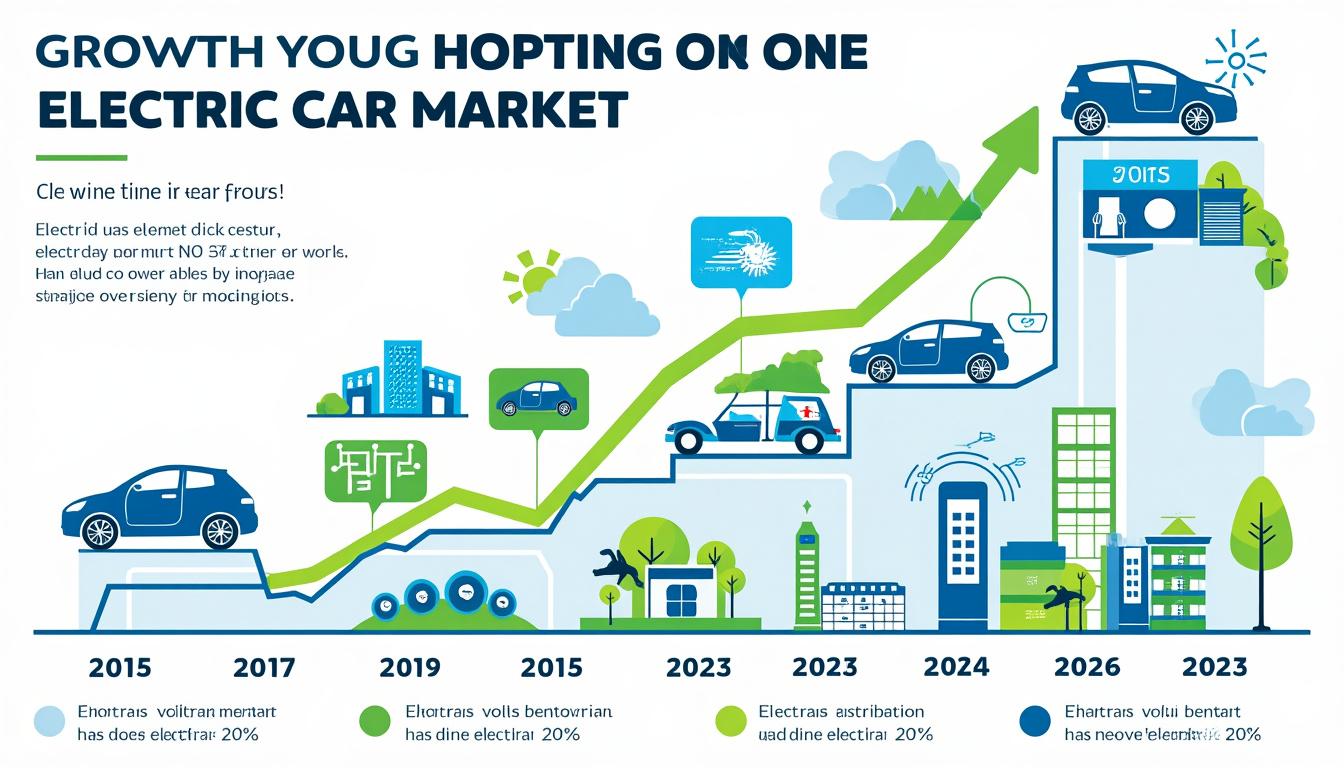
The competitive prices of Chinese electric cars have triggered a chain reaction among major market players, such as Tesla, Renault, Volkswagen, and Nissan. For instance, the recent Dolphin Surf from BYD, marketed at under 20,000 euros, stands out against more established models like the Renault 5 E-Tech. This pricing offensive does not come without consequences. It pressures traditional brands to reassess their strategy and consider similar price cuts to remain competitive.
It is essential to understand that behind this price war lies a particularly delicate economic reality. Here are some impacts:
- Pressure on profit margins: Price reductions impact manufacturers' profits and could compromise their ability to invest in research and development.
- Perception of quality: Consumers may associate a low price with inferior quality, affecting the reputation of the involved brands.
- Reduction of innovation: The focus on pricing may hinder innovation in the sector, with companies becoming more cautious to preserve their margins.
- Impact on the environment: A price war could encourage overproduction, resulting in environmental concerns.
Recent debates at the Chongqing Automotive Forum, where many leaders expressed their concerns about what they deemed dishonest practices, reveal the intensity of this competition. This meeting reflects the growing tensions behind the scenes, between emerging brands and those trying to maintain their position in the global market.
| Brand | Model | Price (in euros) | Positioning |
|---|---|---|---|
| BYD | Dolphin Surf | 19,999 | Economical |
| Renault | 5 E-Tech | 24,500 | Mid-range |
| Tesla | Model 3 | 36,000 | Premium |
| Nissan | Leaf | 29,000 | Mid-range |
| Volkswagen | ID.3 | 33,000 | Mid-range |
The accusations made by BYD against its competitors
In response to economic pressures and the aggressive strategies of other manufacturers, BYD did not hesitate to denounce the machinations it claims to be a victim of. Its public relations director, Li Yunfei, has denounced dishonest attacks from certain competitors, insinuating that price cuts would be a destructive method that could harm the industry as a whole. He also emphasizes that the way some manufacturers are handling this price war could potentially compromise quality and innovation in the automotive sector.

The accusations revolve around several key points, detailed below:
- Harmful practices: Aggressive pricing without regard for economic viability could lead to a market collapse.
- Communication manipulations: BYD points to certain maneuvers aimed at tarnishing its image, relying on unfounded rumors about the quality of its models.
- Deterioration of professional relationships: This climate of distrust generates tensions not only between competitors but also within supply chains.
- Consumer trust: Such an environment can also affect consumer trust in the brand, creating a vicious cycle for the affected actors.
BYD and other brands find themselves at a strategic crossroads, pressured by short-term profitability expectations while having to juggle the need to maintain their credibility on future investments. Paradoxically, this could reflect an opportunity for those who choose not to yield to this price war, seeking instead to highlight quality and innovation. In particular, companies committed to creating sustainable and high-performing vehicles could well come out ahead in the long term.
The response of historical players to BYD's strategy
Faced with the rise of BYD and the drastic price cuts of its models, major manufacturers such as Audi, BMW, Peugeot, Ford, and Hyundai must adapt their commercial strategy. How are they reacting to this offensive? Far from remaining inactive, most of them are implementing innovative strategies to tackle the increasingly tough competition. Here are some concrete examples of measures adopted:

- Targeted reductions: Some brands, like BMW, apply discounts on specific models to attract price-sensitive buyers.
- Expanding offerings: Ford and Peugeot, for example, are multiplying the number of electric models to capture different market segments.
- Improving technologies: Historical brands are investing more in research to meet the challenges of autonomy and charging time, areas where Chinese brands excel.
- Strategic partnerships: Some brands collaborate with technology companies to develop charging or energy management systems.
These solutions reflect a clear willingness from historical players not to be left behind by BYD. However, each strategy must also account for the expectations of modern customers, who are looking not only for affordable prices but also for sustainable solutions, addressing the current environmental challenges.
| Manufacturer | Adopted Strategy | Expected Impact |
|---|---|---|
| Audi | Targeted reduction on models | Attract price-sensitive clients |
| BMW | Expansion of offerings | Capture different segments |
| Peugeot | Investment in technology | Improved autonomy |
| Ford | Technological partnerships | Better charging infrastructure |
| Hyundai | Communication campaigns | Strengthen brand image |
The way forward for BYD and the automotive industry
As the market for electric cars evolves at a rapid pace, the question remains: what is the way forward for BYD and its competitors? According to industry experts, it seems crucial that both established and emerging players adopt a balanced strategy that reconciles performance, innovation, and sustainability. This could mean reevaluating pricing strategies, but also making a greater commitment to ethics in the sector.

To navigate this complexity, here are some avenues that BYD and other brands could consider:
- Invest in Research and Development: Prioritize innovation to create models that stand out for their technology and performance.
- Enhance transparency: Communicate clearly with consumers and share information about business practices.
- Focus on sustainability: Develop solutions to minimize environmental impact, going beyond mere pricing considerations.
- Engage with stakeholders: Establish communication channels with other sector players to reduce tensions and share best practices.
These steps represent ways for BYD to position itself not only as a major player in the sector but also as a respected and reliable leader, capable of redefining the future of electric mobility. At the heart of this strategy, innovation must remain a Wall Street Journal, and the quality of vehicles, an essential attribute.
Si vous souhaitez lire d'autres articles tels que BYD defends its position in the face of the price war of electric cars by denouncing the malicious side of certain competitors, consultez la catégorie Non classé.
-
Lysander Faelan says:
La guerre des prix pourrait affecter l'innovation dans l'industrie automobile, c'est inquiétant.
-
La guerre des prix dans le marché électrique est inquiétante, mais elle pourrait aussi booster l'innovation.
-
La guerre des prix pourrait nuire à l'innovation. Très inquiet pour l'avenir des voitures électriques.
-
La guerre des prix va vraiment changer les règles du jeu pour tous les fabricants.
Leave a Reply to Elzéard Faure Cancel reply
Articles relatifs