By car! No. 9: low emission zones, an issue to consider

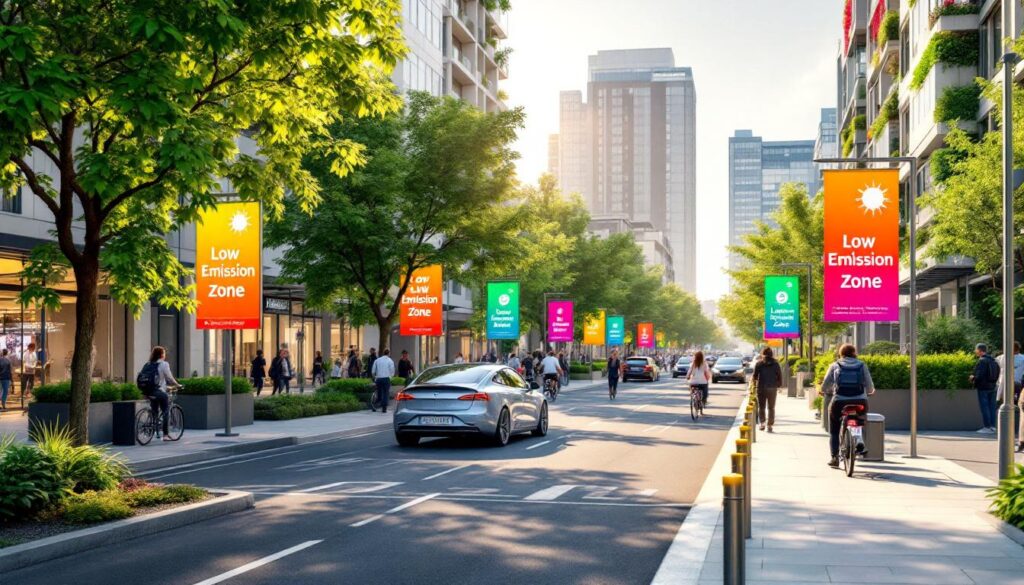

Low-emission zones (LEZ) are likely to cause a major upheaval in the automotive landscape of tomorrow. Indeed, as the need to reduce carbon footprints has become urgent, governments are implementing measures to restrict the use of the most polluting vehicles. But are they fair? Do they actually have an impact on air quality in our cities? This debate is far from over and deserves to be explored in depth.
The stakes of Low Emission Zones
LEZ are designed to decrease the circulation of polluting vehicles in urban centers. Their clear objectives include reducing greenhouse gas emissions, protecting public health, and improving air quality. By 2025, the landscape of LEZ will be even more complex with the generalization of Crit'Air stickers and the massive arrival of electric vehicles.
Metropolises like Paris, Lyon, and Montpellier have been at the forefront of this movement. Through these initiatives, these cities hope to modify user behaviors, steering them towards more sustainable transport solutions.
The advantages of LEZ
The benefits of low emission zones are numerous:
- Improvement of air quality: Reducing polluting vehicles can decrease nitrogen, sulfur dioxide, and fine particulate matter levels, leading to a healthier atmosphere.
- Stimulation of innovation: LEZ encourage manufacturers like Renault, Peugeot, or Tesla to develop less polluting vehicles. They must quickly adapt to these new standards.
- Economic resilience: In the long term, greener cities can enhance the attractiveness and competitiveness of urban areas.
To illustrate this, studies show that a significant reduction in harmful emissions can have a positive impact on public health. Data suggest a decrease in respiratory and cardiovascular diseases. How can we overlook such a benefit?
The disadvantages of LEZ
Despite the apparent advantages, voices are rising against the clumsy consequences of these measures. Critics argue that low emission zones could exacerbate social inequalities. Indeed, for low-income households, changing vehicles or purchasing an electric model can represent a considerable financial challenge. These concerns are echoed by MPs like Ian Boucard, who highlight the risks of social exclusion.

Furthermore, alarming figures make the issue even more complex. According to a report from Public Health France, about 40,000 deaths per year are attributed to fine particulate matter. However, experts question the accuracy of these figures, accusing favoritism in the publication of studies linking transport to pollution.
Table of LEZ in France in 2025
| City | Implementation Date | Types of banned vehicles |
|---|---|---|
| Paris | 2025 | Crit'Air 5 vehicles and unclassified |
| Lyon | 2025 | Crit'Air 4 vehicles and below |
| Montpellier | 2025 | Crit'Air 3 vehicles and below |
These restrictions illustrate the path that remains to be taken to truly understand the long-term effects of LEZ on our cities and their inhabitants. The question of the effectiveness of LEZ, while meeting environmental objectives, is legitimate and requires clear answers.
The implications for the automotive industry
Major automotive brands are acknowledging the transformations related to LEZ. Traditional models from Renault, Toyota, and Volkswagen are already being challenged by more ecological options. The race for electric vehicles has begun, but is that really enough?
The automotive industry is thus faced with a crucial choice. Develop a business model that resonates with the growing demand for greener solutions or risk being edged out by innovative brands like Tesla and Hyundai that are taking the lead in the market. The transition is not just a simple adaptation but a reinvention of industrial strategies.
Strategies to adopt to comply with LEZ
To successfully adapt to LEZ, manufacturers must:
- Invest in R&D: Innovate in the design of less polluting and more sustainable vehicles.
- Collaborate with governments: Actively participate in the development of viable and realistic regulations.
- Educate consumers: Inform about the benefits of electric vehicles and provide accessible financing options.
These efforts can pave the way for a smooth transition to a more environmentally friendly automobile of tomorrow.
An overview of automobile market trends in 2025
| Brand | Electric vehicle sales (2025) | Proportion of vehicles sold |
|---|---|---|
| Tesla | 1.5 million | 30% |
| Renault | 800,000 | 25% |
| Nissan | 600,000 | 20% |
| BMW | 400,000 | 15% |
| Ford | 300,000 | 10% |
These figures clearly show the momentum in favor of electric vehicles. Greenhouse gas emissions from various manufacturers are starting to be carefully monitored. Consumers seem increasingly sensitive to this dimension, shaping the market of tomorrow.
Critical perspectives on Low Emission Zones
It is undeniable that LEZ demonstrate a willingness to reduce pollution. However, the central question remains: do the measures implemented really serve the community? If the desired effect occurs, it will be necessary to consider complementary solutions.

It is vital to critically examine the overall impact of these zones. Individual responsibility must also be highlighted. Every citizen must be aware of their own carbon footprint and act accordingly.
The social impacts of LEZ and their acceptability
LEZ can divide public opinion. The debate on their acceptability revolves around several points:
- Financial accessibility: How can low-income households cope with restrictions that impact their mobility?
- Alternative mobility: Public transport infrastructures must evolve to compensate for the limitations imposed by LEZ.
- Control of industrial emissions: Companies must also be affected by stricter regulations for true justice to be advocated.
This raises a crucial question: are Low Emission Zones truly the best solution for society as a whole? Is there not a danger in focusing solely on the automotive sector without considering other sources of pollution?
Key figures on pollution and health
| Type of pollution | Main sources | Estimated health impact |
|---|---|---|
| Fine particles | Transport, heating | 40,000 deaths/year |
| Nitrogen dioxide | Transport, industries | 20,000 hospitalizations/year |
| Carbon sulfide | Industries, heating | 10,000 deaths/year |
The mentioned data is disconcerting. It shows that pollution does not only come from the transport sector. Examining pollution sources must be at the heart of pragmatic solutions. LEZ should not be the only levers of action.
Path forward: sustainable solutions
Low Emission Zones are a building block in a more complex solution for the future of cities. Other initiatives and solutions must be explored at all costs. Among these are the emergence of shared transport means, the rise of electric vehicles, and the provision of new infrastructures.
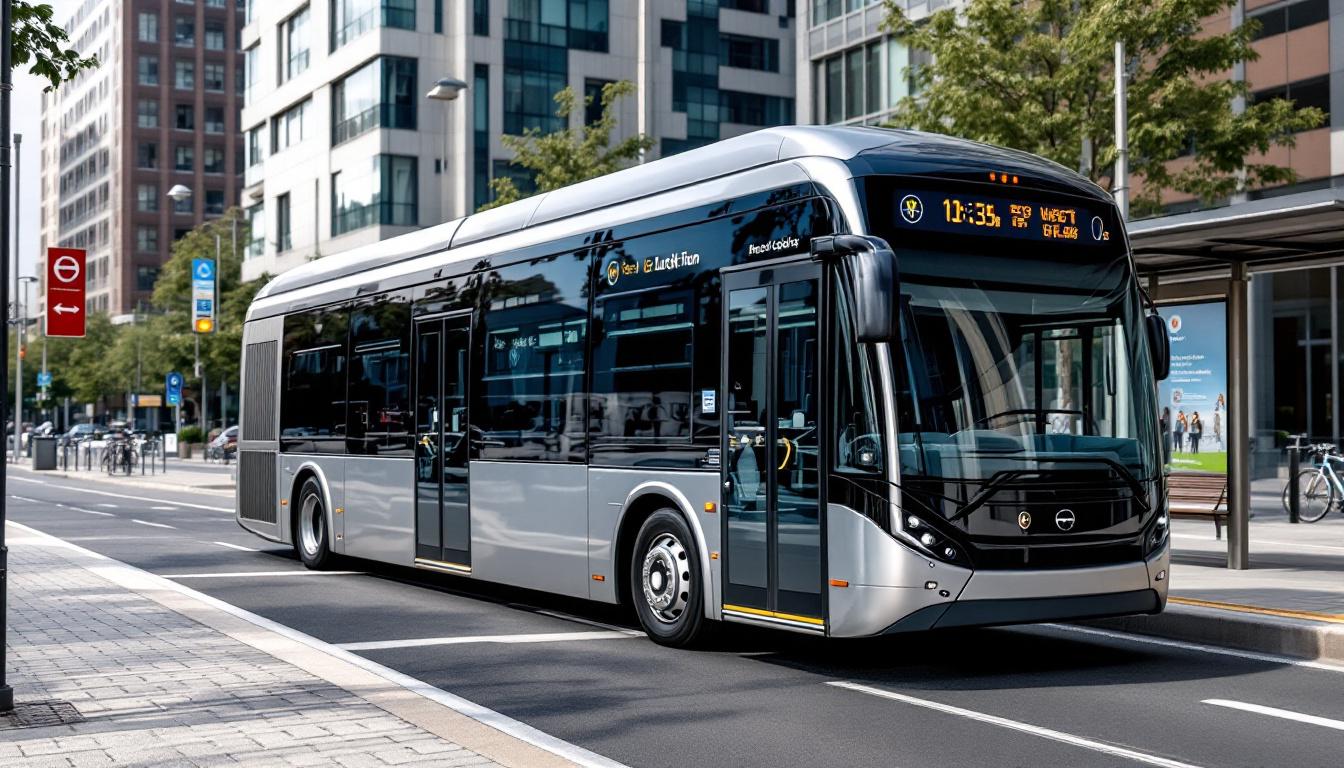
The widespread adoption of electric vehicles is necessary, but so is a change in habits. Multimodal transport should become the norm and no longer the exception. Every user should be able to choose from various means of transport suitable for their needs.
Initiatives to be implemented
To truly transform these issues into opportunities, here are some suggestions:
- Invest in public transport infrastructure: Rail networks, trams, and buses must become more accessible and efficient.
- Raise awareness of alternative transport usage: Educational campaigns to encourage carpooling and cycling.
- Develop shared electric mobility: Promote car-sharing and rental services for electric vehicles.
An integrated approach will allow for reconciling environmental sustainability, social equity, and technological innovation.
Call to action
The time has come for collective action. Citizens, businesses, and governments must unite their efforts for a transition to more sustainable practices. Rather than viewing LEZ as a constraint, they can be seen as an opportunity to evolve toward a society that respects its environment more.
Si vous souhaitez lire d'autres articles tels que By car! No. 9: low emission zones, an issue to consider, consultez la catégorie News.
-
Romain Verdoyant says:
Les zones à faibles émissions sont une bonne idée, mais il faut penser à tous les usagers.
Leave a Reply
Articles relatifs