BMW launches its first electric car equipped with a revolutionary solid-state battery

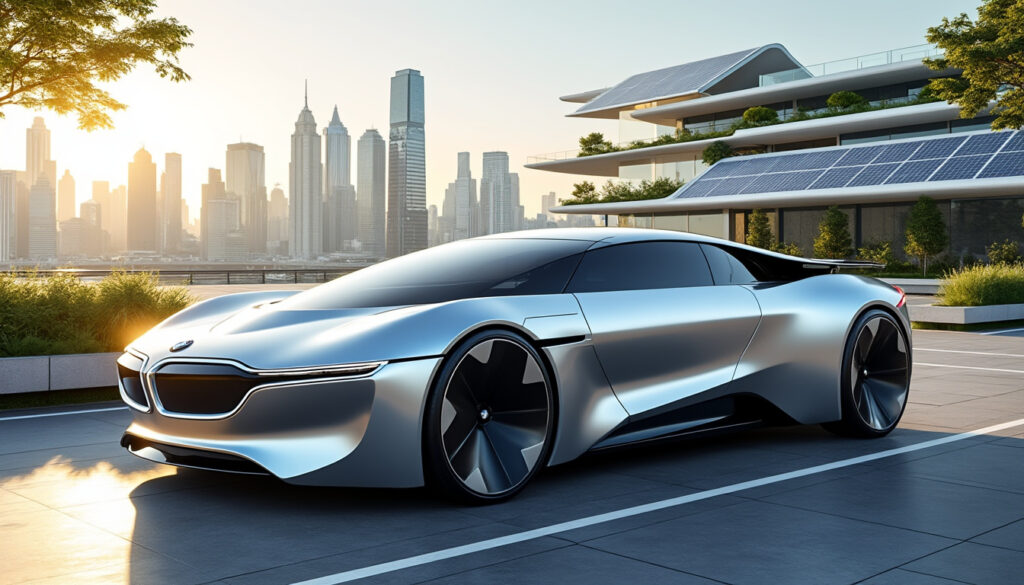

In a context where the transition to sustainable mobility is becoming paramount, BMW is making a bold turn by integrating a solid-state battery into its new electric vehicle, the BMW i7. This innovation marks a significant advance in the automotive sector, particularly in the realm of electric cars. The choice of this technology promises to transform not only the modern design of vehicles but also the user experience, while addressing today's ecological challenges.
What is a solid-state battery and why is it revolutionary?
Solid-state batteries, or batteries with solid electrolytes, represent a major advancement over current technologies such as lithium-ion batteries. Unlike the latter, which use a liquid electrolyte, solid-state batteries incorporate an electrolyte in solid state, typically composed of materials like ceramics, glass, or polymers. This innovation not only eliminates the safety issues associated with flammable liquids but also reduces efficiency losses due to temperature variations.
The benefits of a solid-state battery include:
- Superior energy density: This means that a car equipped with this technology can cover a longer distance on the same charge.
- Optimized charging times: Many models could achieve up to 300 km of range in under 10 minutes of charging.
- Extended lifespan: Solid-state batteries have a better longevity than their predecessors, which reduces maintenance costs.
- Improved safety: The absence of flammable liquid helps alleviate concerns related to fires and thermal stability.
By enabling lightweight vehicles with enhanced range, the solid-state battery could transform the driving experience of an electric car, combining innovation, performance, and eco-responsibility.
The impact on the development of electric cars
With the rise of solid-state batteries, the future of electric vehicles looks promising. The development of advanced technology like this is underway at several major manufacturers. Companies such as Mercedes and BMW are seeking to position themselves at the forefront of this emerging market.
Among notable examples, BMW has started testing a prototype of the BMW i7, in collaboration with Solid Power, a company specializing in this type of battery. The results of these tests could allow the brand to completely rethink the design of its vehicles by enabling more compact batteries with reduced sensitivity to temperature variations. This aligns with a necessary energy transition strategy to address the challenges of sustainable mobility in today's world.
| Characteristic | Lithium-ion Battery | Solid Battery |
|---|---|---|
| Energy density | Average | High |
| Charging time | Long | Fast |
| Lifespan | Limited | Extended |
| Safety | Fire risk | Improved |
The technical and economic challenges of industrialization
Despite the numerous benefits of solid-state batteries, their large-scale industrialization still faces several challenges. The production cost remains a major barrier to widespread adoption of this technology. Although advances have been made, the high initial costs could limit the possibility of integrating these innovative batteries into affordable models for the general public.
The manufacturing processes for solid-state batteries also require significant investments in research and development. The collaboration between BMW and Solid Power will help overcome these challenges by sharing innovations and expertise from both companies. This partnership illustrates how automotive innovation can evolve through strategic alliances, thus responding to market demands.
BMW's positioning in the solid-state battery market
BMW has teamed up with industry leaders to advance solid-state battery technology. This initiative aims to integrate these systems into all its future electric models, both for BMW, as well as for its affiliated brands like Rolls-Royce and Mini. The first sales of models equipped with solid-state batteries are expected to target particularly the Chinese market, where the demand for this type of vehicle is growing.
It is also important to consider after-sales service. With an extended lifespan and reduced maintenance, owners of electric cars may see a decrease in long-term costs, making the transition to this technology both profitable and sustainable.
The consequences for ecology and sustainability
The transition to solid-state batteries could also have a significant impact on the environment. By offering more eco-friendly and efficient models, automotive manufacturers can reduce their carbon footprint. Furthermore, with increased range and reduced charging times, models equipped with solid-state batteries would encourage broader adoption of electric vehicles.
In terms of ecology, solid-state batteries could diminish the need for rare metals, currently required for manufacturing lithium-ion batteries. This feature, combined with better resource management, aligns with the automotive sector's ambitions to minimize its environmental impact.
An impact on the sustainable mobility sector
These innovations not only affect individual vehicles. The rise of solid-state batteries could also transform the public transport sector. BMW, by enhancing its electric fleet, could influence other market players to invest in sustainable mobility solutions, thus reducing the need for fossil fuels.
- Environmental benefits: reduction of emissions.
- Energy efficiency in public transport.
- Strengthening of charging infrastructure.
| Ecological Consequences | Impact |
|---|---|
| Reduction of carbon footprint | Positive |
| Less dependence on rare metals | Positive |
| Extended lifespan | Positive |

BMW and the future of electric vehicles
With the advent of solid-state batteries, BMW is committing to a future where electric cars will not only become more efficient but also more accessible. This could redefine the perception of electric vehicles by making them equivalent, or even superior, to internal combustion engine cars. The environmental, economic, and technological benefits of this advancement should not be underestimated.
Efforts to bring to market models of electric cars equipped with solid-state batteries in the near future could also rekindle consumer interest and confidence in this category of vehicles, which is now vital for sustainable mobility. Ultimately, this could initiate a revolution in consumer choices, steering future purchases towards greener and eco-responsible options.
Conclusion on the potential impact of BMW's innovation
The ongoing developments at BMW illustrate the possibilities and challenges presented by solid-state battery technology in the evolution of automobiles. This strategic turning point could inspire other manufacturers, redefine the performance standards of electric vehicles, while strengthening the commitment towards eco-responsible mobility. This technological challenge is also an opportunity for companies to showcase their innovation capabilities in the face of the sustainability challenges of 2025.
Si vous souhaitez lire d'autres articles tels que BMW launches its first electric car equipped with a revolutionary solid-state battery, consultez la catégorie Non classé.
-
Liora Kamali says:
Ces nouvelles batteries solides sont une avancée incroyable pour les voitures électriques et l'écologie.
-
Les batteries solides sont vraiment prometteuses pour l'avenir des voitures électriques.
-
Les batteries à état solide vont vraiment changer la donne pour les voitures électriques. C'est prometteur !
-
C'est vraiment excitant de voir de nouvelles technologies comme les batteries à l'état solide. L'avenir des voitures électriques semble prometteur!
-
Les batteries à état solide de BMW sont prometteuses pour l'avenir de la mobilité durable.
Leave a Reply to Elio Briand Cancel reply
Articles relatifs