Between joy and stress: electric car users share mixed opinions on their driving experience in Tarn

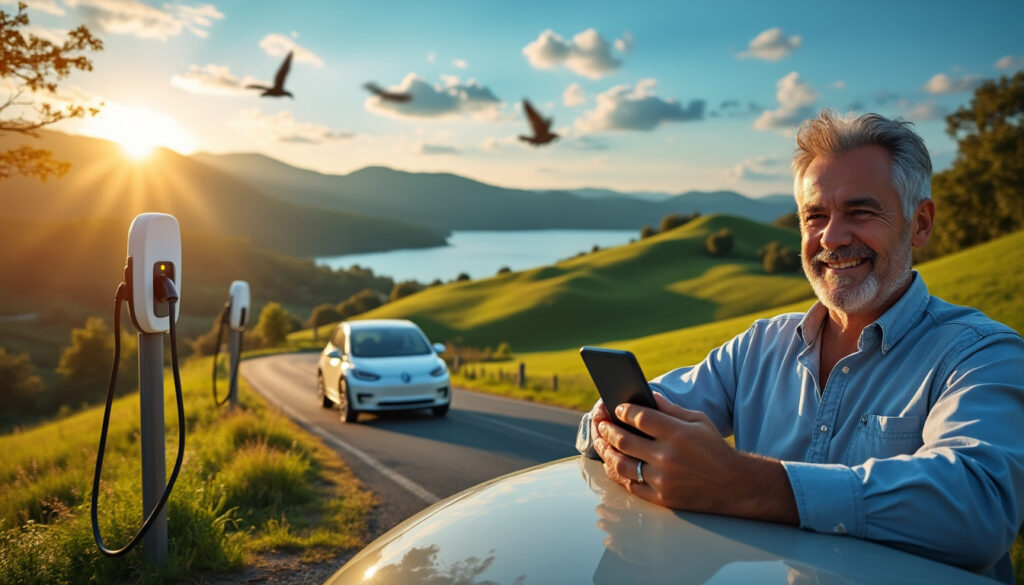

In the Tarn, the shift to electric cars evokes varied opinions. While some drivers are enthusiastic and praise the merits of their vehicles, others share less positive experiences. This diversity of opinions reflects different uses and practical realities encountered in this department. Between the attractiveness of savings and a growing ecological awareness, the electric car questions the habits and necessary changes in the daily lives of drivers. What are the real experiences lived by users and how are they positioning themselves in the face of this unavoidable transition?
The Real Advantages of Electric Cars for Users in the Tarn
The first reason often mentioned by electric car drivers in the Tarn is the reduction of usage costs. Indeed, the savings made thanks to electricity, which is generally cheaper than gasoline or diesel, are significant. Testimonials reveal that for some users, this transition contributes to a better financial balance. For example, a driver, Christie, reported saving up to 10 cents per kilometer while driving a Renault Zoé. This represents a significant savings over the long term, especially for daily commutes.
It is also undeniable that the electric car offers an unmatched driving comfort. Users are pleased with the silence of these vehicles, their responsiveness, and their ease of use. With brands like Tesla, Nissan, and BMW, driving becomes a true pleasure for many. One driver recounts: "Driving a Tesla is like piloting a futuristic spaceship. The sensation is incredible." Moreover, the absence of vibrations and engine noise contributes to a calming driving experience, which is particularly appreciated in an urban setting like Albi.
The Ecological Aspects and Their Impact on Users' Choices
Ecological awareness is another crucial point in the motivations of electric vehicle drivers. More and more motorists are considering the environmental impact of their choices. The Tarn, by promoting a sustainable development policy, has seen an increase in interest in more environmentally friendly transport solutions. Meanwhile, local initiatives, such as subsidies for purchasing electric cars, encourage this transition. According to a study conducted by the departmental environmental agency, it has been shown that the adoption of electric vehicles could reduce CO2 emissions by up to 30% by 2030.
In the Tarn, a summary table allows for a visualization of the main advantages of electric cars compared to their thermal counterparts:
| Criteria | Thermal Car | Electric Car |
|---|---|---|
| Cost per kilometer | Higher | Reduced |
| Environmental Impact | High | Low |
| Driving Comfort | Standard | Superior |
| Availability of Charging Stations | High | Variable |
| Range | Variable | Continuously Improving |
The Challenges Faced by Electric Car Users
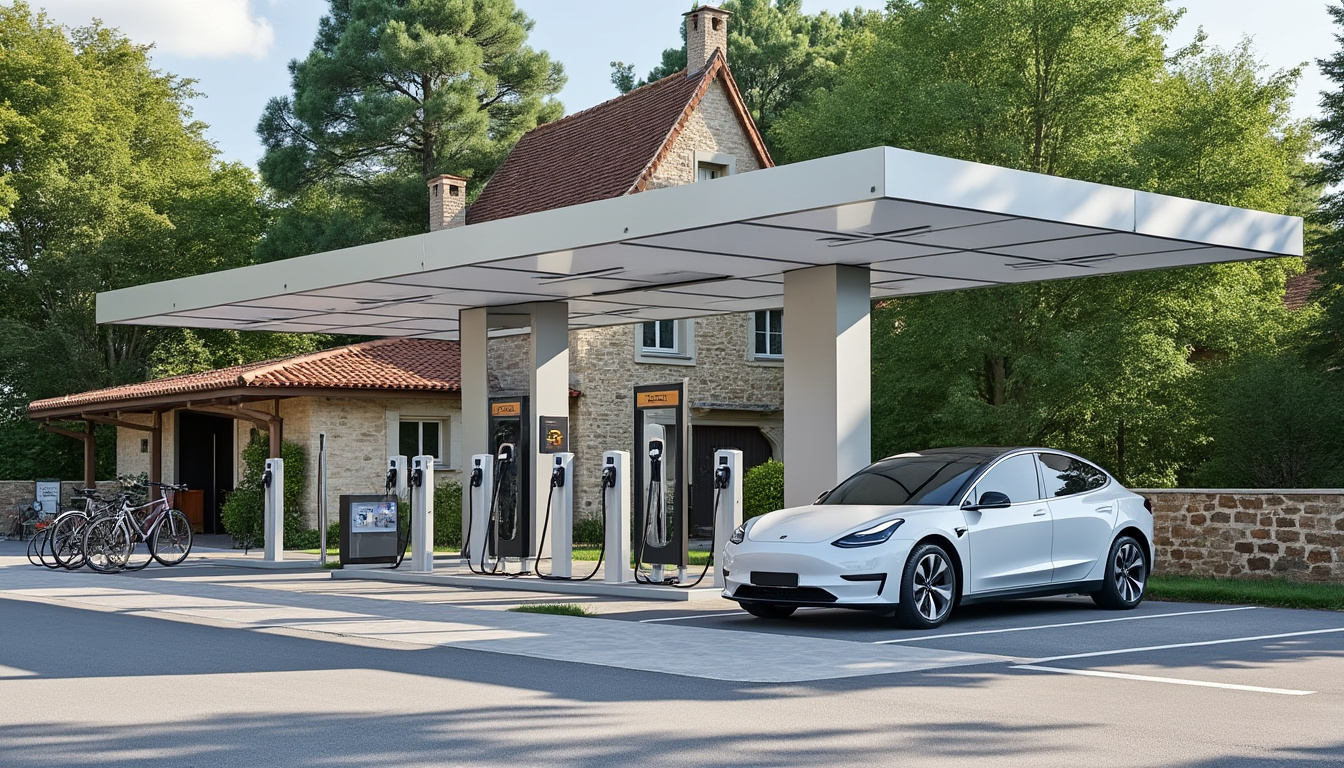
However, not everything is rosy for electric car drivers in the Tarn. A poor network of charging stations can complicate the lives of many users. Several testimonials mention defective or inaccessible stations, creating real anxiety for the owners of these vehicles. Rose, an Albigensian, decided not to switch to electric precisely because of the lack of infrastructure. "When I arrived at a station I had spotted, it was out of service. It really put me off," she explains.
Another driver, Fleur, also reported that during periods of extreme cold, the range of her Peugeot e-208 dropped significantly. "It was a real headache," she recalls. "I constantly had to adapt my routes, and sometimes I wasn't even sure I could get back home without having to charge elsewhere. The feeling of being constantly on reserve disrupted my routine."
The Urgent Need to Develop the Charging Infrastructure
In light of these challenges, the Tarn department is investing in the development of its charging network. In 2024, initiatives have been put in place to install new stations at strategic points, particularly in downtown Albi and along major roads. However, users feel that the remaining efforts needed are still significant. #The question then is: how to balance the desire for ecology with the realities of a functional charging network? A table of available stations could help users navigate daily.
| Municipality | Number of Stations | Status |
|---|---|---|
| Albi | 12 | Partially functional |
| Castres | 8 | Functional |
| Saint-Sulpice | 5 | Defective |
| Viane | 3 | New installation planned |
| Vergnols | 6 | Functional |

The Perception of Electric Vehicles: Between Hope and Fear
Perceptions of electric vehicles are deeply biased. For some, they embody a promising future, while for others, they represent inevitable constraints. The duality is palpable in the testimonies of drivers who oscillate between enthusiasm and skepticism. Events like charging station failures and difficulties encountered by users during long journeys fuel these concerns. This climate of uncertainty weighs on the decision to purchase an electric vehicle.
The Fears Surrounding New Technologies
Among the recurring fears of users, the anxiety of running out of power is often cited. While most users acknowledge the pleasure of driving an electric car, they also nervously admit that batteries can quickly become a source of stress. There are many counter-examples: drivers have shared their mishaps, particularly during rural trips where charging points are scarce.
Brands have a role to play in reassuring and informing drivers about the viability of these vehicles. Information campaigns need to be strengthened to explain how electric cars work and the technological advances that allow for increased range. To this end, it may be helpful to create networks for exchanging and sharing experiences among users to build confidence around this technology.
Future Perspectives for Electric Driving in the Tarn
Overall, the evolution of mindsets and infrastructure suggests a fascinating future for electric cars in the Tarn. By analyzing user feedback and taking into account various testimonies, it becomes clear that the general adoption of electric vehicles must proceed through a collaborative adaptation between users and local authorities. Through better communication, an increase in the number of functional charging stations, and education on how these cars work, it will then be possible to transform these "apprehensions" into real opportunities.
A Key Role for Local Authorities
Local authorities and various institutions must play a leading role in this transformation. Additional investments in infrastructure development, incentive subsidies, and increased awareness among users will be crucial steps. Now more than ever, collaboration must be the guiding principle. By working together, the Tarn could become a model for other departments to follow.
Technological advancements also promise to improve the situation in the near future. Advances are already visible, such as electric car models offering ranges of over 500 km. Brands like Hyundai, Kia, and Volkswagen are also investing in competitive electric vehicles in the market, promising a variety of choices for consumers.
| Advancement in Technologies | Impact on Range | Examples of Models |
|---|---|---|
| More efficient batteries | Range over 500 km | Tesla Model 3, Nissan Leaf |
| Fast charging stations | Full charge in less than an hour | BMW i3, Hyundai Kona Electric |
| Energy recovery technologies | Extends range during braking | Peugeot e-208, Citroën e-C4 |

Si vous souhaitez lire d'autres articles tels que Between joy and stress: electric car users share mixed opinions on their driving experience in Tarn, consultez la catégorie Non classé.
-
Léonie Marquet says:
Les avantages des voitures électriques sont clairs, mais l'infrastructure doit vraiment s'améliorer.
-
Les voitures électriques sont vraiment silencieuses et confortables, mais le réseau de recharge doit s'améliorer.
-
Les voitures électriques sont l'avenir, mais il faut vraiment améliorer les bornes de recharge.
Leave a Reply to Lysandre Verne Cancel reply
Articles relatifs