Autonomous Tesla at your door: Musk's promise

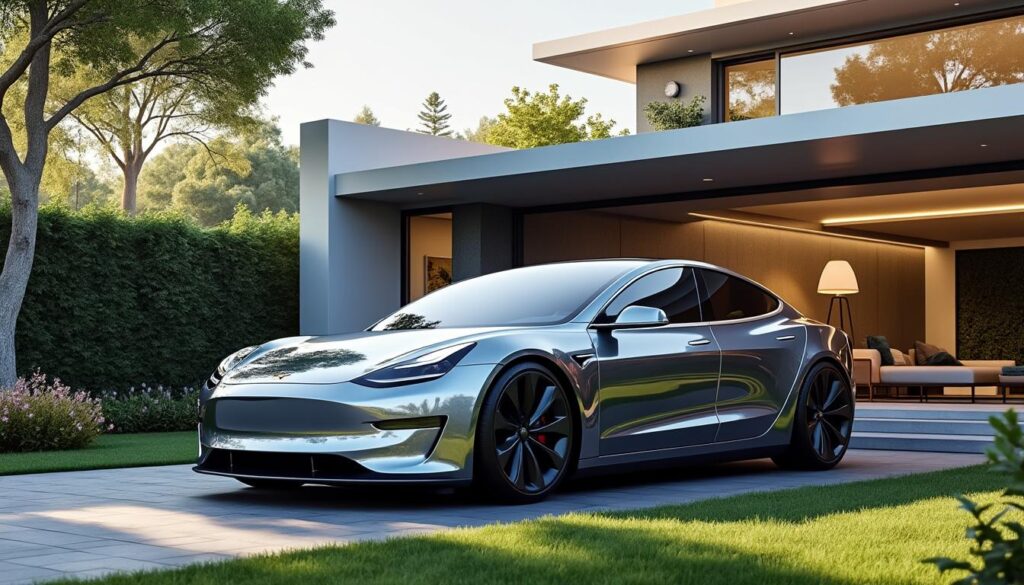

In a world where technological advancements are redefining our daily lives, Elon Musk's announcement regarding the auto-delivery of autonomous Teslas is generating great interest. With this innovation, a new era of mobility is looming, transforming not only the way we purchase electric cars but also how we conceive delivery and transport in general. Indeed, Elon Musk, CEO of Tesla, recently promised that his vehicles would be capable of going to customers by themselves, thus ending sometimes complex negotiations with dealers. However, beneath this promising discourse lies technological and regulatory challenges that need to be overcome. Let’s explore what this truly means for the future of sustainable mobility and autonomous vehicles.
The Promise of Elon Musk: A Revolution in Vehicle Delivery
During a recent announcement on social network X, Musk stated: “Next month, first auto-delivery from the factory to the customer.” This statement echoes a futuristic vision of car distribution. It is important to understand what this promise implies and what impact it could have on the entire automotive sector.
The Details of This Auto-Delivery
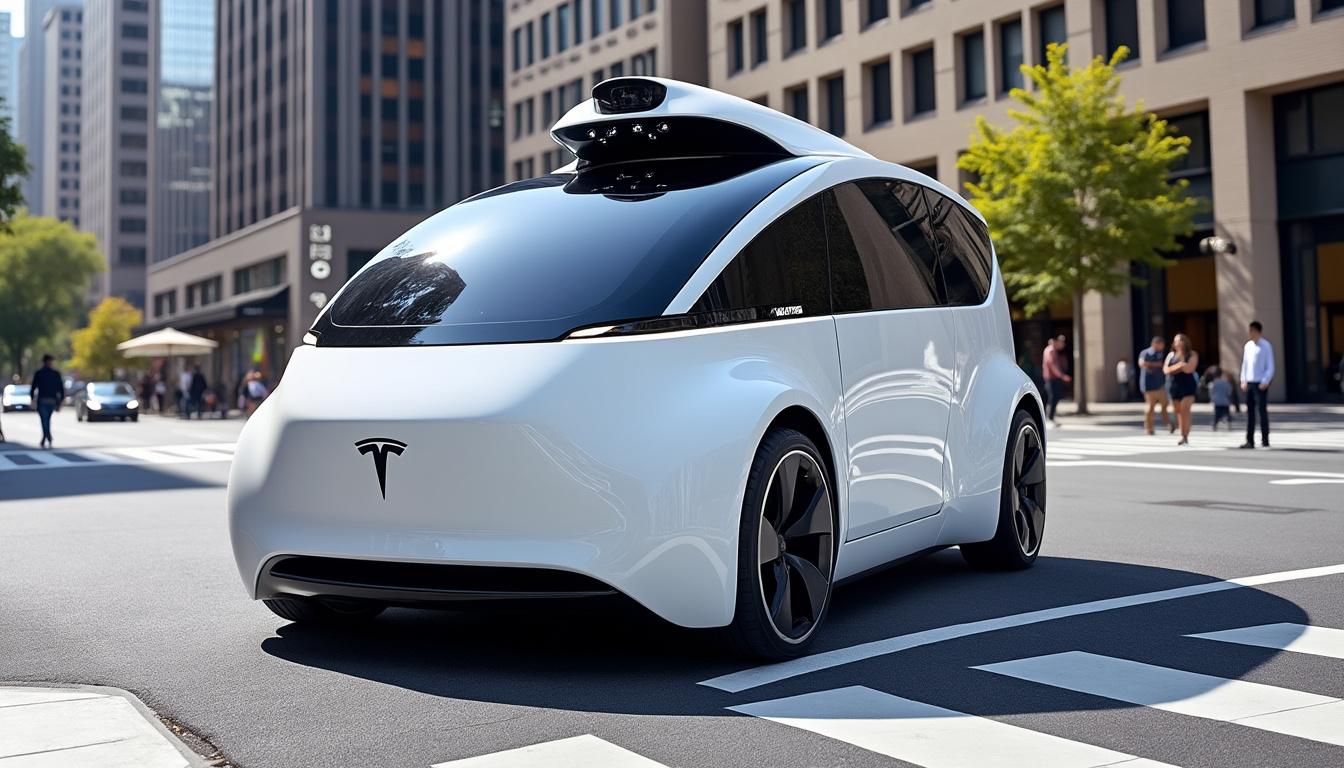
Despite the enthusiasm generated by the announcement, it is crucial to note that the technical details regarding this delivery method remain unclear. Indeed, while Musk mentions direct deliveries from the factory, he does not address the logistical and regulatory challenges that could hinder this initiative. Several questions arise:
- What route will these vehicles take to reach the customers?
- How will they be guided in complex urban environments?
- What measures will be in place to ensure the safety of the trips?
To prepare for this innovation, Tesla has already conducted tests of autonomous models on the streets of Austin. These models, such as the Model Y, have traveled without a driver, but these tests remain within a controlled environment. The transition to public roads could require additional updates and validation by regulatory authorities.
A Technological Challenge to Overcome
Advancements in autonomous vehicles rely on complex artificial intelligence systems. Tesla relies on its autonomous driving software, but there are still significant challenges ahead. By 2025, fully autonomous driving technology may not yet be fully operational, as several experts assert. They highlight that:
- Autonomous navigation in densely populated areas requires precise obstacle recognition.
- Difficult weather conditions, such as rain or snow, could affect sensor performance.
- Management of malfunctions or unforeseen incidents remains largely undefined.
These concerns underscore the importance of a cautious approach. Elon Musk's ambition is commendable, but the path to full autonomy is fraught with challenges.
| Aspect | Current Challenges | Potential Solutions |
|---|---|---|
| Safety | Risks of accidents in urban environments | Integration of monitoring systems |
| Regulation | Varied standards by country | Collaboration with local authorities |
| Technology | Sensor accuracy in various conditions | Continuous improvement of AI algorithms |
Past Promises: A Heavy Burden to Bear
Elon Musk's and Tesla's history is also marked by unfulfilled promises. The idea of autonomous cars on the road was supposed to materialize several years ago, but many delays have been observed. As of 2025, these issues persist, and experts remain skeptical.
A Troubling Backstory
It is essential to contextualize any new announcement with the company's history. For example, Musk's ambition to gather a fleet of autonomous robo-taxis in Austin is set for July. However, previous statements regarding the fleet of autonomous vehicles have never been fully implemented. This has led some to adopt a skeptical approach when they hear new promises.
- The announcement of robo-taxis without a driver has been delayed multiple times.
- Expert opinions indicate that most systems require constant human supervision despite the promotion of autonomy.
- Delays in the development of autonomous driving algorithms have contributed to investor caution.
Customer Expectations
With this history, how do consumers react to new announcements? Waiting times are already a concern for many. Between the desire for innovation and the reality of waiting, expectations must be managed. Customers want to see concrete evidence, not just promises.
This poses a challenge for Tesla, which now must devise strategies to restore trust. The relationships between market players also play a crucial role. For example, if other companies like VW or BMW establish themselves in the electric vehicle sector, they are likely to benefit from a lack of trust towards Tesla.
| Brand | Innovation Status | Market Reactions |
|---|---|---|
| Tesla | Ongoing automation, trust challenges | Reluctance towards new announcements |
| Volkswagen | Massive investment in electric vehicles | Increased competition |
| BMW | New electric SUV models | Acknowledgment of market demand |
The Economic Implications of Auto-Delivery
If auto-delivery materializes, the economic repercussions could be significant. It is essential to ask how this innovation could change the dynamics of the transport market.
Cost Reduction and Logistical Impacts
The current delivery method often relies on complex transport networks that incur significant costs. Transitioning to autonomous vehicles could allow for:
- Minimizing delivery expenses. Truck transport costs can amount to hundreds of euros.
- Facilitating direct delivery to customers, thus making the process significantly more efficient.
- Meeting the growing demand for greener transport modes, which are now more prized by consumers than ever.
Changes for the Automotive Sector
Auto-delivery could transform the functioning of traditional dealerships. Indeed, the way customers purchase and receive their vehicles would change radically. Dealerships would need to reinvent themselves to adapt to this new trend. This could also take the form of:
- Business models focused on services rather than sales.
- Significant reductions in the commercial space needed to showcase vehicles.
- Additional revenue possibilities for manufacturers through frequent software updates.
| Current Model | Auto-Delivery |
|---|---|
| High delivery costs | Reduced costs |
| Use of carriers | Autonomous delivery to the customer |
| Complex negotiations with sellers | Simplified purchase process |
Challenges and Solutions for Successful Implementation
Implementing auto-delivery faces several operational and practical challenges. It is essential to explore the solutions that will allow Tesla to overcome these obstacles and achieve its ambitious goals.

Weather Conditions and Infrastructure
Autonomous Tesla vehicles must contend with various elements such as snow, rain, or dense traffic conditions. These challenges require adjustments in the development of artificial intelligence. Here are some potential solutions:
- Development of navigation systems optimized for varying conditions.
- Real-world testing to gather sufficient data and refine AI algorithms.
- Collaboration with research organizations to enhance understanding of driving behaviors during extreme weather events.
The Need for Regulatory Validation
Regulatory authorities play a key role in the implementation of new technologies. Safety and certification standards will need to be rigorously adhered to. Thus, it becomes crucial to:
- Engage in constructive dialogue with authorities to align regulations with innovations.
- Conduct tests on private roads before attempting a transition to public pathways.
- Ensure open communication with the public to build trust in the newly deployed technologies.
| Challenge | Proposed Solutions |
|---|---|
| Weather Conditions | Optimization of navigation algorithms |
| Regulation | Dialogue with local authorities |
| Road Safety | Rigorous testing and training for drivers |
Si vous souhaitez lire d'autres articles tels que Autonomous Tesla at your door: Musk's promise, consultez la catégorie Non classé.
-
Léandre Octavien says:
L'idée d'une Tesla autonome livrée chez soi est fascinante, mais j'espère que la technologie sera fiable.
-
L'idée de l'auto-livraison est fascinante ! J'espère qu'elle sera vraiment sûre et efficace.
-
C'est incroyable de penser à des Tesla livrées sans conducteur ! Hâte de voir comment cela va fonctionner.
-
C'est fascinant de voir comment Tesla change la livraison des voitures. J'espère que ça fonctionnera vite !
-
C'est fascinant de voir comment la technologie transforme notre façon de conduire et d'acheter des voitures.
Leave a Reply to Léandre Octavien Cancel reply
Articles relatifs