Automotive week: the key points of podcast 349



The automotive week was rich in developments. From the importance of rare earths to the rise associated with electric vehicle production, the automotive landscape continues to transform. Discussions between China and the European Union, as well as Zambia's ambitions, add an international dimension to this evolution. Brands like Renault, Peugeot, Citroën, BMW, and many others find themselves at the heart of this restructuring of the global automotive sector. The needs for innovation and anticipation are more pressing than ever.
Rare Earths: Crucial Issues for the Automotive Future
Rare earths have become China's secret weapon in its economic soft power. In response to the trade sanctions from the Trump administration, China has restricted the export of these essential resources. This has had immediate repercussions for automotive giants like Ford, BMW, and Volkswagen, which have seen their production slow down. But what does this dynamic really mean?
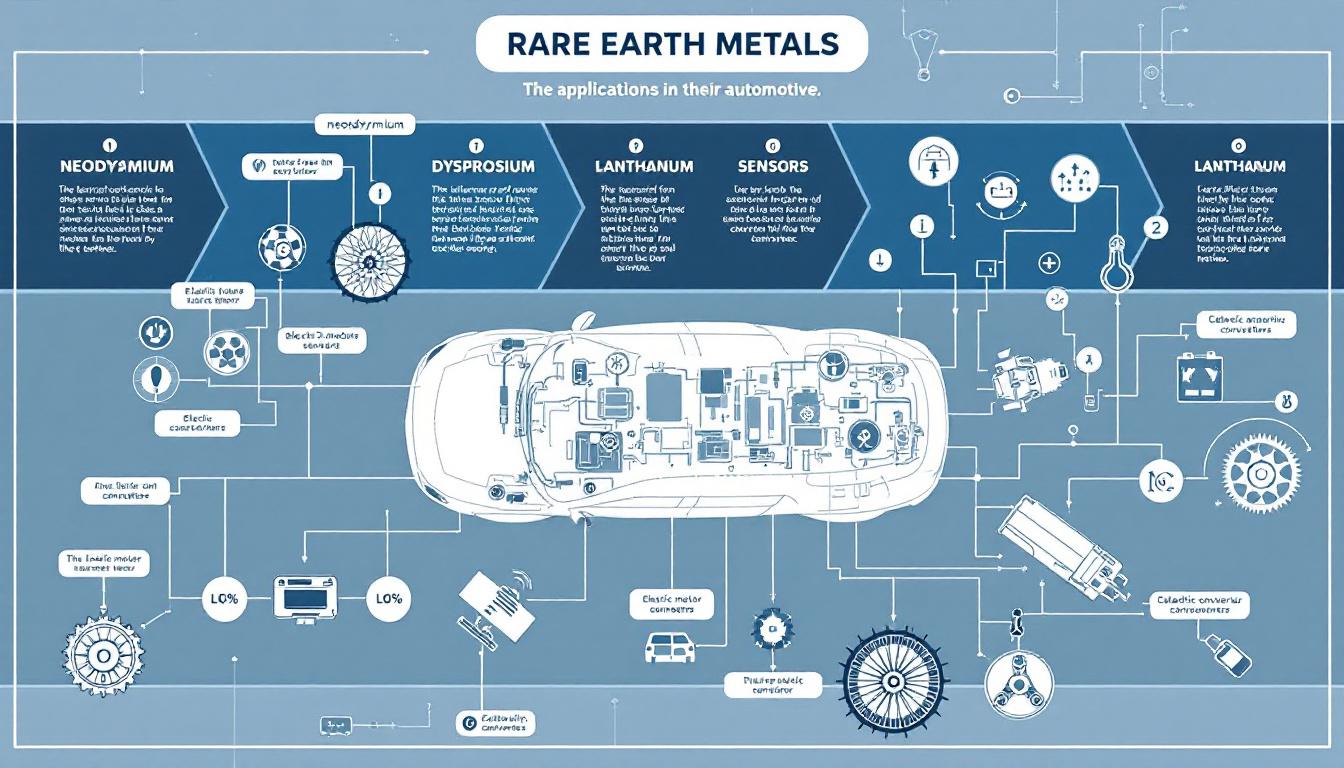
Rare earths are vital for the manufacturing of electric motors, especially those of hybrid and electric vehicles. These magnets help optimize the efficiency and power of the motors. When deliveries are interrupted, prestigious brands like Audi and Mercedes are directly affected. The need for diversification of supply sources is therefore more urgent.
The Consequences of Chinese Restrictions
At the same time, the discussion around the trade truce between the United States and China shows that economic reality is interconnected. The United States has sought to alleviate tariffs in exchange for promises of sustainable sourcing. But China remains cautious, imposing a very strict export licensing system. This context creates uncertainty for manufacturers.
- Affected Manufacturers: Ford, BMW, Volkswagen, Audi
- Impacted Sectors: Automotive, electronics, renewable energies
- Proposed Solutions: Supply diversification, local initiatives
To help mitigate this crisis, initiatives are being put in place to explore alternatives such as rare earth extraction in Europe and investment in recycling technologies.
The Impact on the Industry
This unstable climate forces companies to rethink their practices. The automotive sector faces major challenges: how to optimize the supply chain while reducing risk? The influx of new entrants to the market, such as Toyota and Hyundai, increases the pressure to innovate. Their ability to reinvent themselves will be crucial to remain competitive.
| Brand | Impact of Restrictions | Proposed Solutions |
|---|---|---|
| Ford | Slowed production | Diversification of sources |
| BMW | Delays in model launches | Investments in recycling |
| Volkswagen | Increased production costs | Collaborative innovation with other countries |
This dynamic highlights the importance of resilience in the face of modern challenges. The industry must reinvent itself to navigate an unstable globalized environment.
Zambia Positions Itself in the Electric Vehicle Market
Speaking of innovation, Zambia aspires to become a key player in the electric vehicle industry. As Africa's second-largest copper producer, it intends to transform its natural resources into significant added value. This project is ambitious and promising.
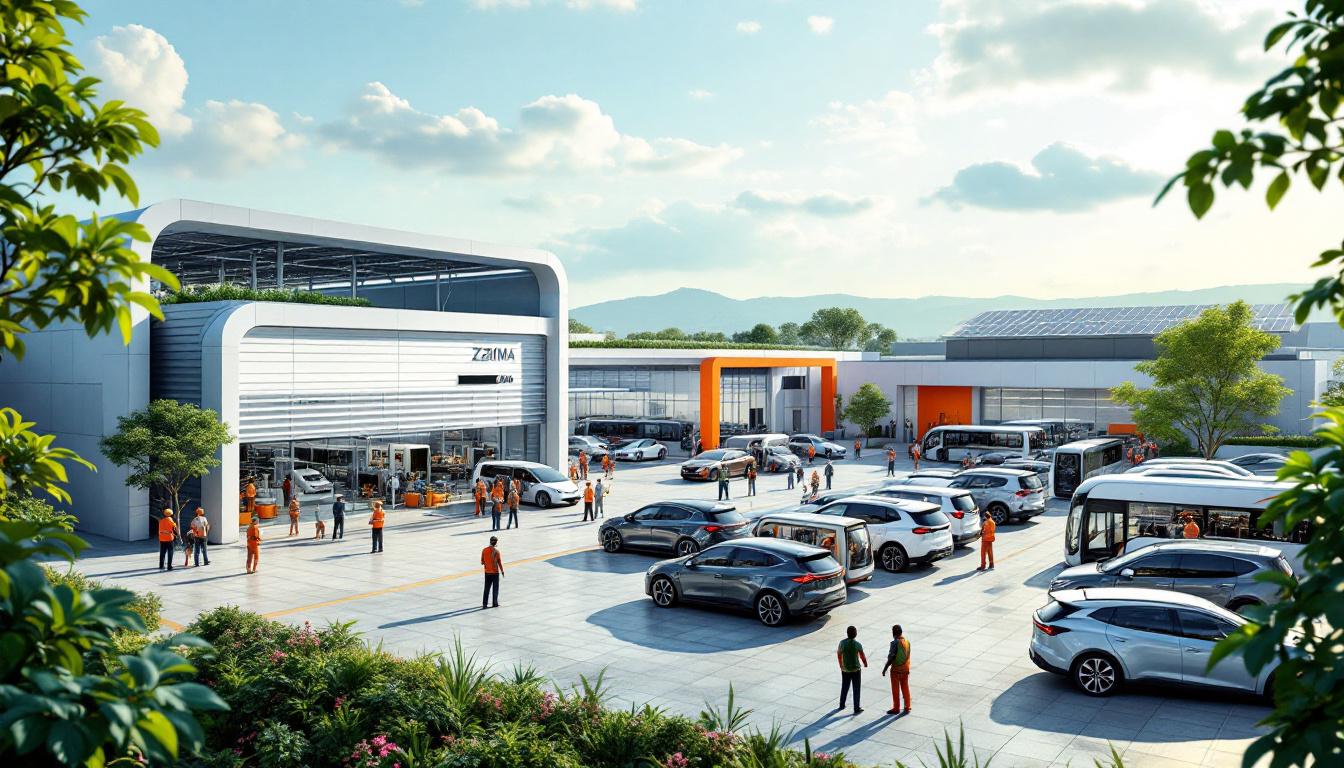
The ongoing discussions with international automotive manufacturers, including major European brands, are a decisive sign. Zambia offers untapped potential, and establishing factories near mining sites could revolutionize the manufacturing of components for electric vehicles. But what are the repercussions on the international market?
An Opportunity to Seize
Entering the electric vehicle industry could allow Zambia not only to strengthen its economy but also to actively participate in the necessary ecological transformation. Public authorities, as well as private partners, must work hand in hand to establish a sustainable value chain. The development of political authority and innovation must also go hand in hand.
- Advantages:
- Creation of local jobs
- Strengthening the supply chain
- Attracting foreign investments
- Creation of local jobs
- Strengthening the supply chain
- Attracting foreign investments
- Challenges:
- Competition with established players
- Infrastructure to be developed
- Regulations to be put in place
- Competition with established players
- Infrastructure to be developed
- Regulations to be put in place
Strengthening Partnerships with the Outside
International discussions offer a range of opportunities. Partnerships with countries like Germany, which has strong expertise in automotive production, are assets. This would not only provide adequate infrastructure but also transfer key technologies.
| Potential Partner | Advantages | Necessary Resources |
|---|---|---|
| Germany | Technology transfer | Infrastructure investments |
| China | Access to rare earths | Strategic trade agreements |
| Japan | Expertise in EVs | Training local skills |
Zambia can transform into a respected player, provided it aligns policies with sustainable development. The future is promising.
The Challenges of the French Electric Market
Despite these optimistic stories, the French electric vehicle market is not keeping pace as expected. In May 2025, the market experienced an alarming drop of 18.7% compared to the previous year. This situation raises crucial questions for the sector.
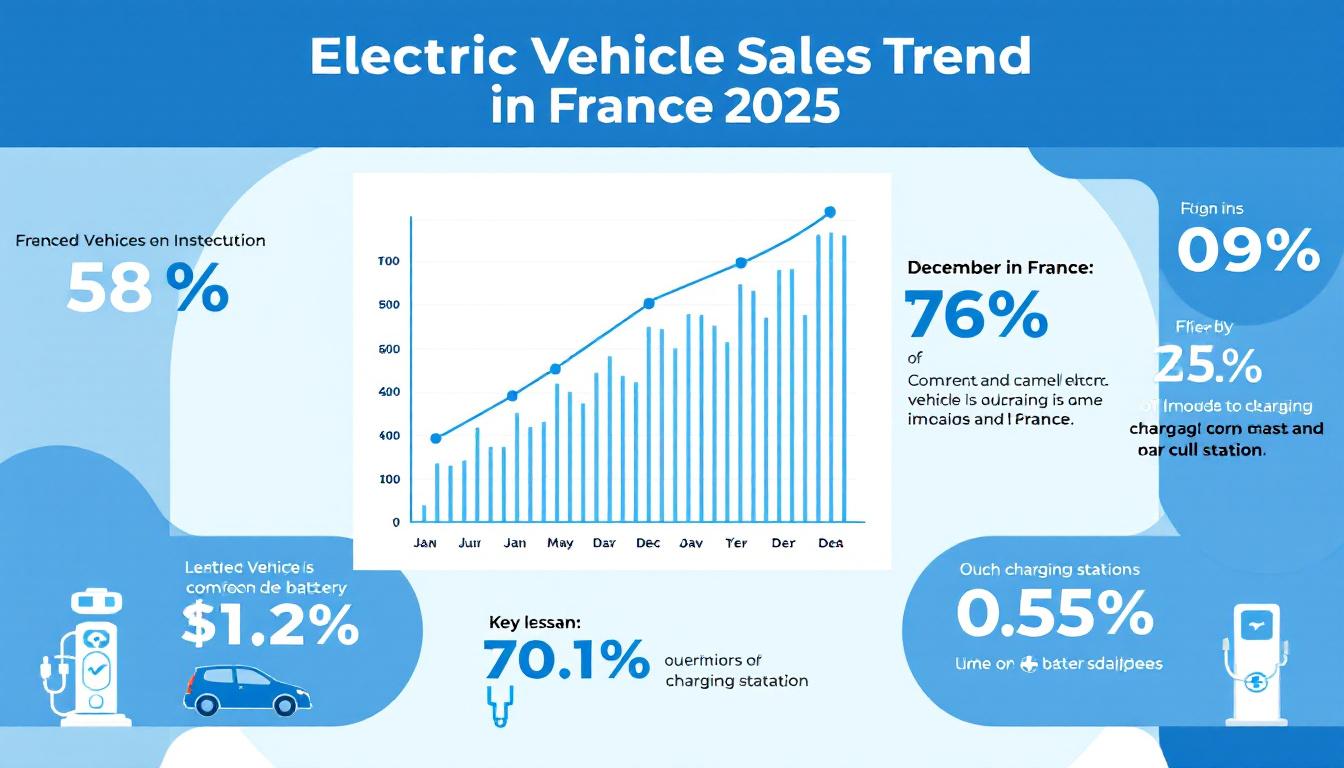
The registration figures compiled by Avere reinforce this trend, where only 19,414 electric vehicles were put on the market. The dominance of the Citroën ë-C3 with 1,500 units, just ahead of the Renault 5 E-Tech, highlights a tendency towards accessible models while facing a saturated market.
The Causes of This Decline
The market downturn can be explained by various factors. First, the increased competition from cheap models coming from Asia and supply issues regarding components. Consumers hesitate to invest in a vehicle whose technology is evolving rapidly. Moreover, the charging infrastructure proves insufficient.
- Contributing Factors to the Decline:
- Inflation on material prices
- Lack of charging infrastructure
- Reduction of tax incentives for EVs
- Inflation on material prices
- Lack of charging infrastructure
- Reduction of tax incentives for EVs
Measures to Revitalize the Market
Pragmatic actions must be considered to revive buyer enthusiasm. First, the government should rethink tax policies to encourage the purchase of these vehicles. Next, brands like Renault and Peugeot need to intensify their communication about the benefits of electric cars. This could help restore consumer confidence.
| Action to Take | Responsible | Deadline |
|---|---|---|
| Review of tax aids | Government | 06/2025 |
| Improvement of charging infrastructure | Local authorities | 12/2025 |
| Awareness campaigns | Manufacturers | Ongoing |
Correcting the trajectory must be a priority for the future of the French automotive industry, especially since environmental stakes have never been more pressing.
The Negotiations Between China and the EU: A New Era for Electric Vehicles
The climate of negotiations between China and the European Union marks a decisive turning point. Discussions on setting minimum prices for Chinese electric vehicles could prove decisive. This could replace the high tariffs imposed by the EU, directly affecting major players like Nissan, Toyota, and BMW.

The Chinese willingness to accelerate the export of rare earths to Europe presents itself as a cornerstone in this economic puzzle. This could lead to reduced costs for European producers, but also ignite a fire on the competitiveness of local brands. The road ahead promises to be winding.
The Stakes of a Trade Agreement
An agreement between China and the EU could offer new opportunities but also pose challenges. The creation of standards and how products will be assessed remain at the heart of concerns. Ultimately, this alliance could either enhance the capabilities of European players or create a mannequin of inefficiency.
- Consequences of a Potential Agreement:
- Reduction of sourcing costs
- Improvement of trade relations
- Creation of new collaborative enterprises
- Reduction of sourcing costs
- Improvement of trade relations
- Creation of new collaborative enterprises
Players to Watch
Finally, brands like Renault and Peugeot will need to adapt quickly to these developments in order not to fall behind. Technologies, innovation capacity, and strategic choices will be crucial in the coming months.
| Brand | Major Challenge | Recommended Strategy |
|---|---|---|
| Renault | Poor adaptation to new standards | Increase innovation |
| Peugeot | Increased competition | Rapid adaptation to trends |
| BMW | Price pressure | Strengthen market presence |
It is crucial for European companies to keep a close eye on developments in this sector. Perspectives can change overnight, and agility becomes a necessity.
Si vous souhaitez lire d'autres articles tels que Automotive week: the key points of podcast 349, consultez la catégorie News.
-
Lysandre Cormier says:
L'industrie automobile doit absolument se réinventer pour faire face à ces nouveaux défis.
-
Les enjeux de l'industrie automobile sont fascinants, surtout avec l'émergence de nouvelles technologies.
Leave a Reply to Octave Verdurin Cancel reply
Articles relatifs