Automotive Repairs: electric vehicles increase maintenance costs

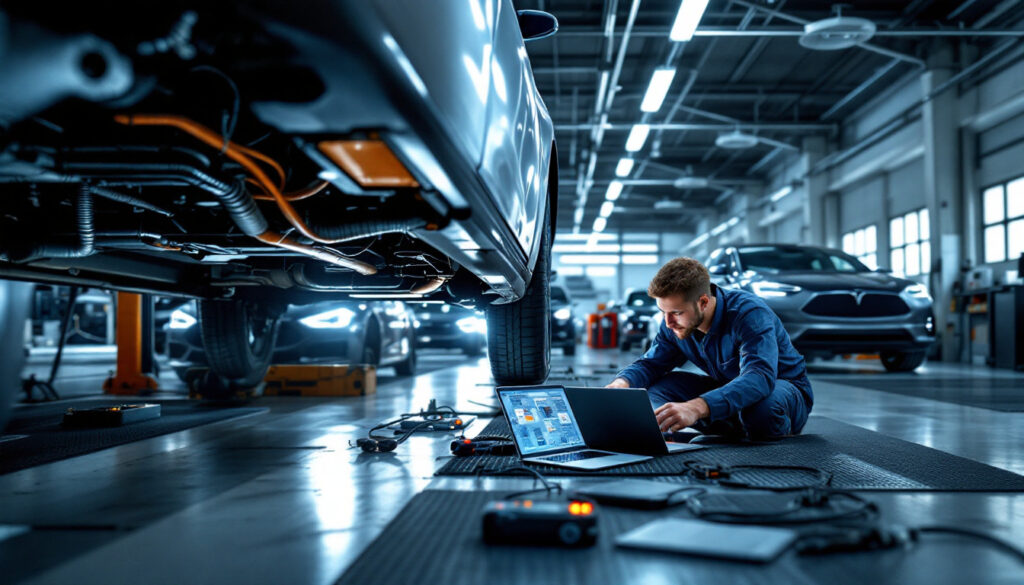

Getting your car repaired has become a real headache. So-called “clean” vehicles, such as electric and hybrid cars, cost more to maintain day by day compared to thermal models. However, they have often been presented as the miracle solution of tomorrow. How can we explain this puzzling reality?
Repair Costs: An Inflation Well Beyond the Norm
Recent data provided by the association for Automobile Safety and Repair (SRA) reveals an alarming increase in repair costs in the automotive sector. Over the span of four years, these costs have risen by nearly 27% while general inflation stood at only 14.2%. In 2024, a 6% rise compared to the previous year was recorded. Why such a discrepancy?
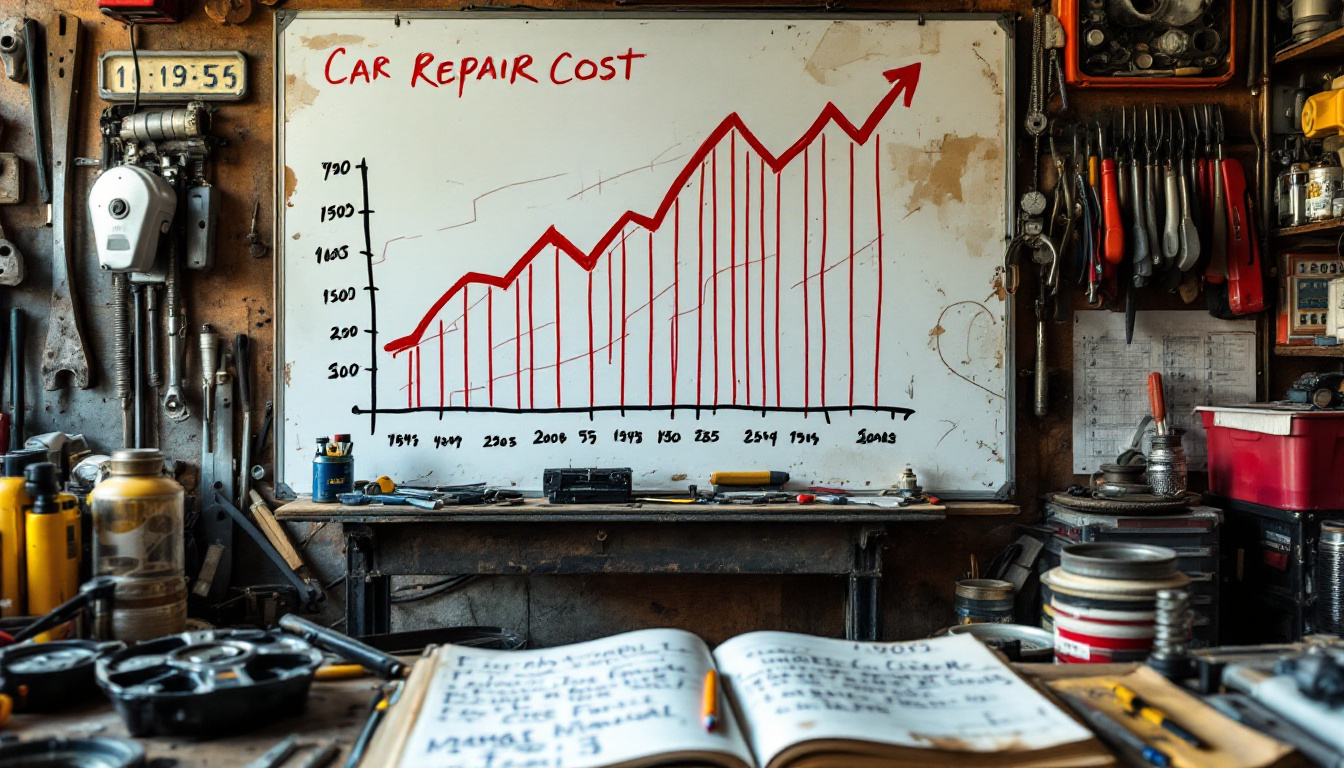
The Main Factors Behind Rising Costs
Three major reasons explain this increase in rates:
- Price of Spare Parts: Representing more than 52% of the total cost of repairs, spare parts have seen their prices increase by 7% in one year. Some price increases have reached as high as 23% for the roof.
- Labor Costs: The hourly rates of mechanics vary according to the complexity of repairs. With technological advancements, the tools and expertise required are becoming increasingly specialized.
- Advanced Materials: The rise in vehicles fitted with sophisticated paintwork and composite materials, such as aluminum, also contributes to the increase in maintenance expenses.
Comparison of Repair Costs
A comparative analysis of repairs shows that electric vehicles, despite their advantages, incur significantly higher costs in the event of an accident. Here is an illustrative table of this reality:
| Type of Vehicle | Average Repair Cost (euros) | Increase Compared to Thermal Vehicles |
|---|---|---|
| Electric Cars | 6,236 | +15% |
| Thermal Cars | 5,066 | - |
| Plug-in Hybrids | 5,583 | +10% |
It is clear that the heavy burden of repairs particularly weighs on electric vehicles such as those from brands like Renault, BMW, or Volkswagen. Every euro counts when considering a responsible consumer choice.
Repairs of Electrified Vehicles: More Complex and Expensive
Electric and hybrid vehicles, despite their apparent mechanical simplicity, impose higher repair costs ranging from 14 to 16% compared to thermal vehicles. Why this difference?
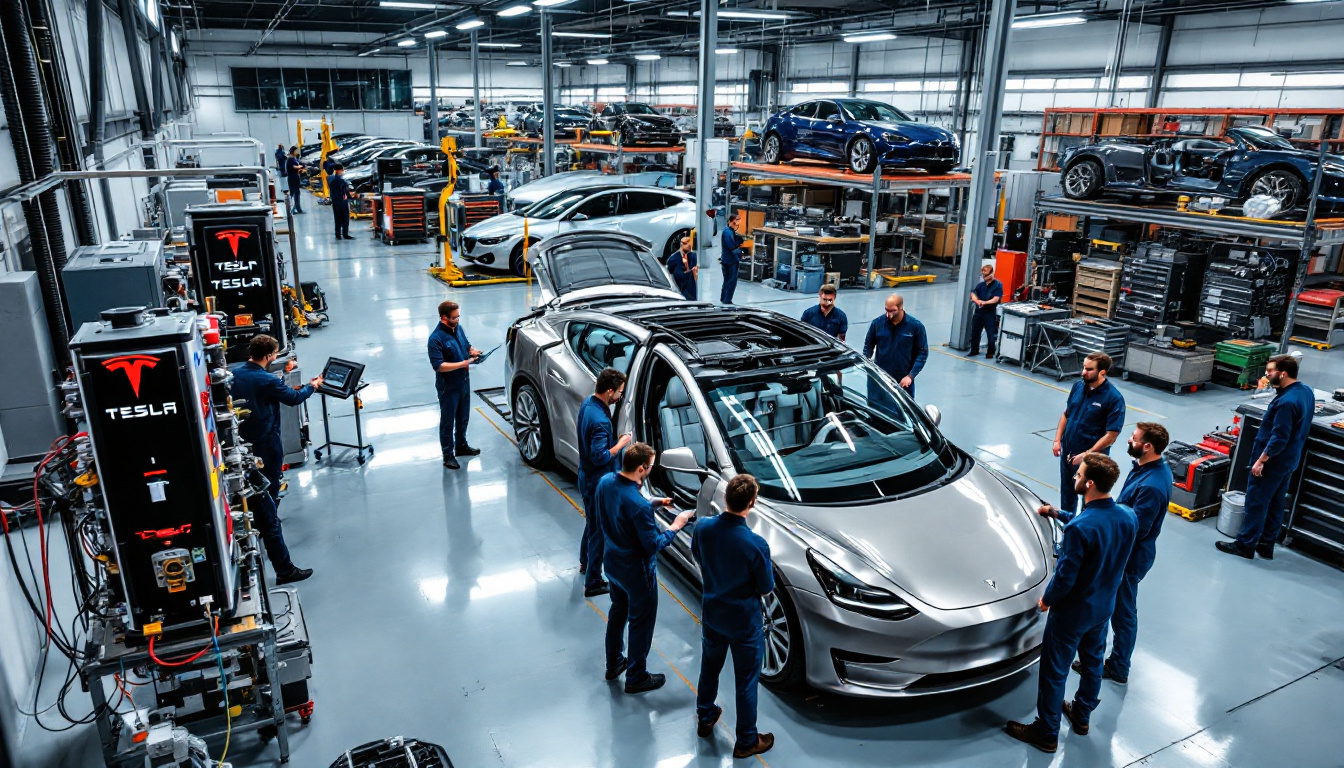
An Advanced Technology Linked to High Costs
It is essential to understand the nature of the components present in these vehicles to grasp the origin of the additional costs:
- Heavier Weight: These vehicles are often heavier, exacerbating damage in the event of an accident. An impact affects the structures more due to this mass.
- Technical Materials: Increasing use of aluminum or composites that require specific repair skills and more time.
- Specific Components: High-voltage batteries, which are frequently replaced, represent a major cost, potentially accounting for 60% of the value of a new vehicle.
The Need for Specialized Labor
Repairs on these vehicles often need to be carried out in manufacturer-approved workshops. This implies higher hourly rates, as these processes require specialized skills and appropriate tools. The lack of qualified workshops limits options for owners. A deliberate choice at all levels of the value chain.
An Increase in Accidents: The Impact of Electrification on Insurance Costs
Accidents involving electrified vehicles are on the rise. In 2024, 11.5% of accidents involved these types of vehicles, compared to 7.8% the previous year. This evolution raises a series of questions regarding risk management for vehicle owners.

Consequences on the Cost of Common Repairs
Common repairs, such as those for hoods, front wings, and windshields, display sharply rising costs.
- The average cost of a front impact is 1.5 times higher than a rear impact.
- The reduction of integrated components at the front poses a management challenge for repairs.
- The integrated technology, while innovative, imposes a systematic replacement cost.
A Marginal Reuse
However, the trend towards a circular economy finds it difficult to establish itself in this sector. Meanwhile, some repairers are trying to integrate used parts, but these only account for 5% of the parts used.
| Year | % of Used Parts Used | Repair Growth on Occasion |
|---|---|---|
| 2020 | 3% | - |
| 2024 | 17.3% | +14% |
This situation confuses the choices of car owners. While 72% of damaged parts are replaced, only 68% were affected in 2020. The brakes must be released to take advantage of circular savings.
A Necessary Awareness for Drivers
It has become urgent for consumers to be aware of the costs associated with owning electric vehicles. Brands such as Hyundai, Kia, Audi, and others, must also take on an educational role in light of this reality.
What Solutions to Anticipate These Cost Increases?
By incorporating cost management tools at the time of purchase, motorists can better budget their expenses:
- Assessment of Repair Options: Inquire at several garages to obtain quotes.
- Ongoing Training for Mechanics: Ensure qualified personnel for electric vehicle repairs.
- Use of Used Parts: Favor repairs with recycled parts to lower costs.
Acting for a More Sustainable Future
Ultimately, collective awareness is crucial. Consumers must mobilize to demand more affordable solutions from manufacturers. It’s not just about repairing vehicles, but rethinking the very structure of the automotive industry.
In summary, every euro invested in an electric vehicle must be carefully considered. Navigating this new automotive era involves making informed choices. Between costs and benefits, reflections must yield enlightened solutions.
Si vous souhaitez lire d'autres articles tels que Automotive Repairs: electric vehicles increase maintenance costs, consultez la catégorie Non classé.
-
Lucien Belorgey says:
Les coûts de réparation des véhicules électriques peuvent vraiment surprendre. Une bonne planification est essentielle.
-
Les coûts de réparation des véhicules électriques sont vraiment surprenants et posent question pour l'avenir.
Leave a Reply
Articles relatifs