Automakers facing their major challenge since the arrival of the engine


The automotive industry marks an unprecedented new era, facing colossal challenges that redefine its future. At every turn, manufacturers must navigate through a complex technological landscape, where modern vehicles are transforming from mere means of transportation into true rolling computers. This shift, towards what are called "software-defined vehicles" (SDVs), represents a major issue for historical manufacturers. Between bold innovations and internal struggles, it is crucial to understand the stakes they face.
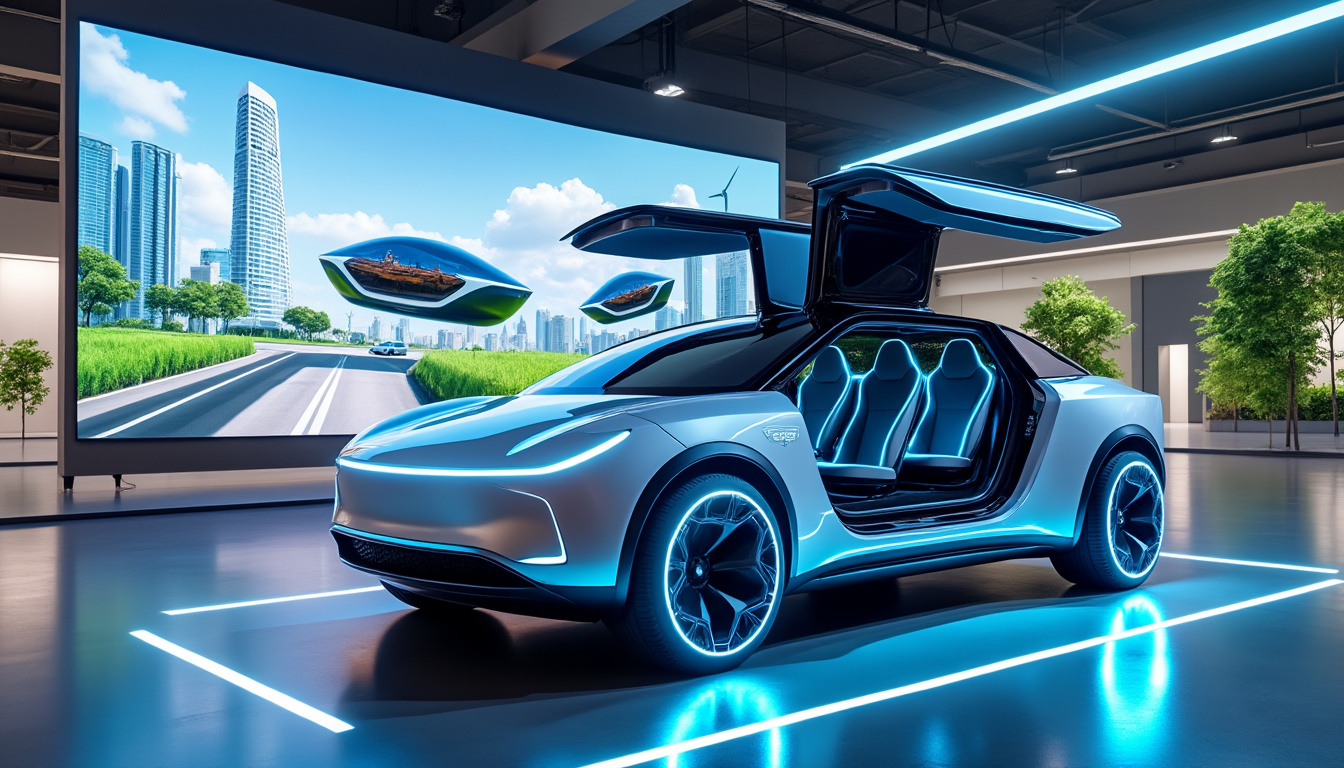
Software-Defined Vehicles: A Necessary Disruption
SDVs, like those developed by Tesla, require a genuine organizational revolution. While Ford and Volkswagen struggle to integrate these new technologies, pioneers benefit from the flexibility offered by a centralized architecture. Indeed, this method offers decisive advantages:
- 🚗 Significant reduction in the number of control units
- ⚡ Simplification of electrical wiring
- 🖥️ Regular remote updates
- 🔧 Continuous improvement post-purchase
However, this dynamic does not come without pain. The struggle to stay competitive drives historical manufacturers to invest billions of euros, often with mixed results.
| Manufacturer | Problem Encountered | Tried Solution |
|---|---|---|
| Ford | Merging projects and adaptation difficulties | Consolidating architectures |
| General Motors | Software bugs disrupting the launch of new models | Development of the VIP platform |
| Volkswagen | Failed software initiatives despite significant investments | Outsourcing to technology partners |
The Challenges of Pioneers Facing Technological Legacy
Giants like Audi, BMW, and Mercedes-Benz must overcome a deeply rooted technological legacy. Long engaged in rigid production processes, their transition to SDV models raises numerous challenges:
- 📱 Creating attractive and intuitive applications
- 🖥️ Developing smooth and responsive interfaces
- 🔐 Establishing robust cybersecurity systems
- ⚙️ Designing new electrical architectures
This bumpy road is even more complex with the slowdown in electric car sales. As Doug Field from Ford indicates, it has become essential to adapt the systems to thermal vehicles, which hinders the momentum of innovation.
| Manufacturer | New Challenge | Adaptation Responsibility |
|---|---|---|
| Tesla | Continue innovating in software | Responsible for continuous updates |
| BMW | Launch of the SDV architecture | Launch year 2023 |
| Volkswagen | External partnerships in development | Seeking collaborative solutions |
The Future: An Inescapable Evolution
As the industry continues to evolve, it is clear that to survive, every manufacturer must succeed in this digital transformation. Consumers, increasingly informed, are moving towards smooth and modern user experiences. Efforts must focus on:
- 🔄 Developing accessible electric vehicles
- 🚘 A consistent user experience
- 🌟 Integrating value-added services
Big names in the automotive industry, like Nissan and Toyota, will need to demonstrate that a long-standing brand can transform into a true software company; otherwise, it will be difficult to remain relevant in this new era. This transformation is a vital challenge that only the boldest can meet.

Si vous souhaitez lire d'autres articles tels que Automakers facing their major challenge since the arrival of the engine, consultez la catégorie Non classé.
-
Liora Verrou says:
C'est fascinant de voir comment les véhicules évoluent en véritables ordinateurs. L'avenir s'annonce prometteur!
-
La transition vers les véhicules logiciels est cruciale pour l'avenir de l'industrie automobile.
-
Cet article éclaire vraiment sur les défis des constructeurs automobiles. La transformation numérique est essentielle !
-
Les véhicules définis par logiciel semblent être l'avenir, mais il reste encore beaucoup à faire.
-
La montée des véhicules définis par logiciel va vraiment transformer l'industrie automobile, c'est passionnant !
Leave a Reply to Jovian Lichtenberg Cancel reply
Articles relatifs