Audi, BMW and Mercedes face the consequences of the reform of benefits in kind

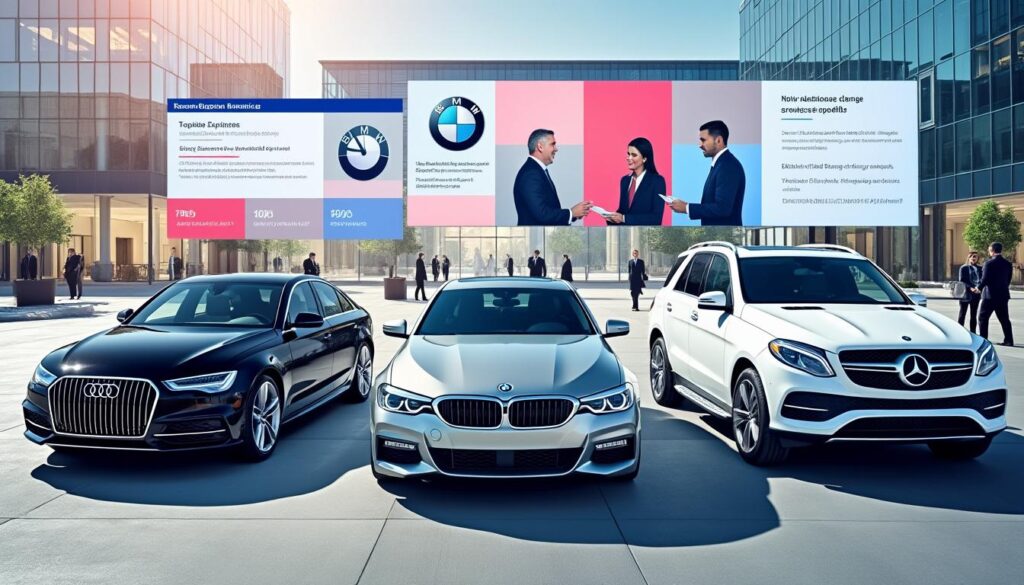

Ah, the reform of fringe benefits, this little wonder of French bureaucracy that, like an elephant in a porcelain store, has decided to strike the drums of disorganization at the heart of the German automotive industry. Audi, BMW, and Mercedes, those lovely ladies of luxury cars, find themselves today juggling tax rules as if they were auditioning for Cirque du Soleil.
Audi, BMW, Mercedes: victims of their own luxury
Just imagine the scene: these brands, symbols of refinement and prestige, must now comply with environmental standards worthy of the worst Belgian parking regulations. The environmental score appears like a surprise guest at a wedding where we would have preferred not to see Aunt Gertrude. This reform, intended to curb the rise of Chinese vehicles, has rather kicked European cars in the rear, trampling on the profits of our beloved Germans.
A sledgehammer blow to the automotive market
The reform has spat its venom by increasing taxes on company cars. Let's take an example: dear reader, if you had gotten your hands on a BMW i5 with a fringe benefit of €148 per month, you would now be overwhelmed by a bill of €495. Of course, all of this to be drenched in social contributions that come out of nowhere, like a magician revealing a failed illusion trick. This is when we think that politicians should really consider doing internships in the private sector before imposing reforms at breakneck speed.

A simulation entrusted to experts at Nelson reveals that about 30% of orders have been canceled, as companies now face this fiscal puzzle. Imagine the business leader, brandishing a leasing contract while trying to calm their teams waiting for the beautiful Mercedes SUV. What used to be a pleasant cruise on the highway suddenly turns into a trek through the desert.
Strategies in full swing
Fortunately, in this sea of troubles, our brave German manufacturers are not throwing in the towel. Mercedes, Audi, and BMW are fiercely fighting to expand the list of their models eligible for this dance orchestrated by ADEME. The current list is as short as a new employee’s coffee break — only a few models like the Audi Q4 e-Tron or the BMW iX had to rub shoulders with the glamour of a eco-score. And as if by magic, a slight increase in orders has been observed for these models, increasing their chances of survival in this fiscal jungle.
A reform without consultation? Talk about a shock!
Criticism is flying, just like gossip in a supermarket aisle. Companies are sounding the alarm, calling this reform a decision made without prior consultation. It’s a bit like deciding to reorganize Wimbledon without telling the players. The tax that applies to a non-eligible SUV remains in effect throughout its holding period, even if later it turns out to be a good eco-responsible student. The desire to harmonize the tax regime relies on government decisions, and in the meantime, companies are tallying their losses.
So, dear reader, the wild dance of fringe benefits is heading toward a tangle from which we won’t emerge anytime soon. The reins of sustainable mobility are in hands that sometimes make us wonder if they have ever driven anything other than a free-style bicycle. At a time when large brands must reinvent themselves to avoid sinking into the darkness of tradition, it seems that the battle to stay ahead in this tough automotive market is more than just a fiscal challenge; it’s a change of course in a raging sea. And all of this over a coffee that we theoretically hope is organic...
Si vous souhaitez lire d'autres articles tels que Audi, BMW and Mercedes face the consequences of the reform of benefits in kind, consultez la catégorie News.
-
Lysandre Chalumeau says:
Cette réforme est vraiment compliquée, j'espère que les marques s'en sortiront!
-
Cette réforme va vraiment compliquer les choses pour les marques allemandes, c’est bien dommage.
-
Cette réforme est vraiment déroutante pour l'industrie. J'espère qu'ils trouveront une solution rapidement.
Leave a Reply to Hector Fanfaron Cancel reply
Articles relatifs