An unpleasant surprise for electric car owners: the hidden traps of the off-peak hours reform

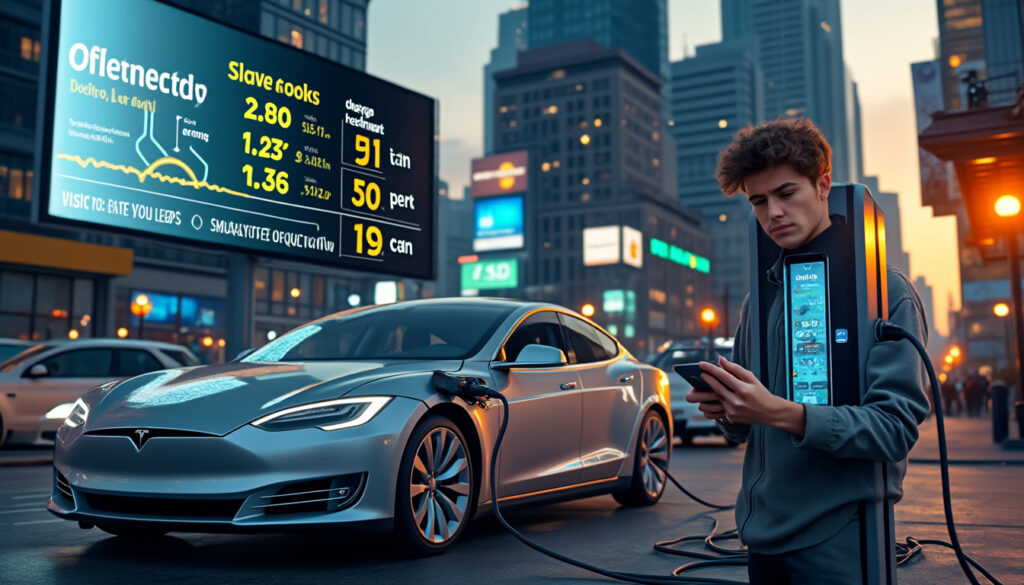

A proposed reform could well disrupt the daily lives of electric car owners, who are already facing increasing financial challenges. In 2025, off-peak hours, the preferred time to charge one's vehicle at a reduced rate, will be redefined, raising questions about energy management in an increasingly electrified world.
Off-peak hours: a threatened advantage for electric car owners
Currently, taking advantage of the off-peak hours to charge an electric car allows for considerable savings. Most drivers, whether they drive models from brands such as Renault, Peugeot, or Tesla, have adjusted their habits to make the most of these periods when electricity is cheaper. However, the reform planned for 2025 aims to redefine these hours, leading to significant consequences for millions of drivers. The new time slots affect not only the cost of charging but also the flexibility and autonomy of vehicles.
Impact on the daily lives of drivers
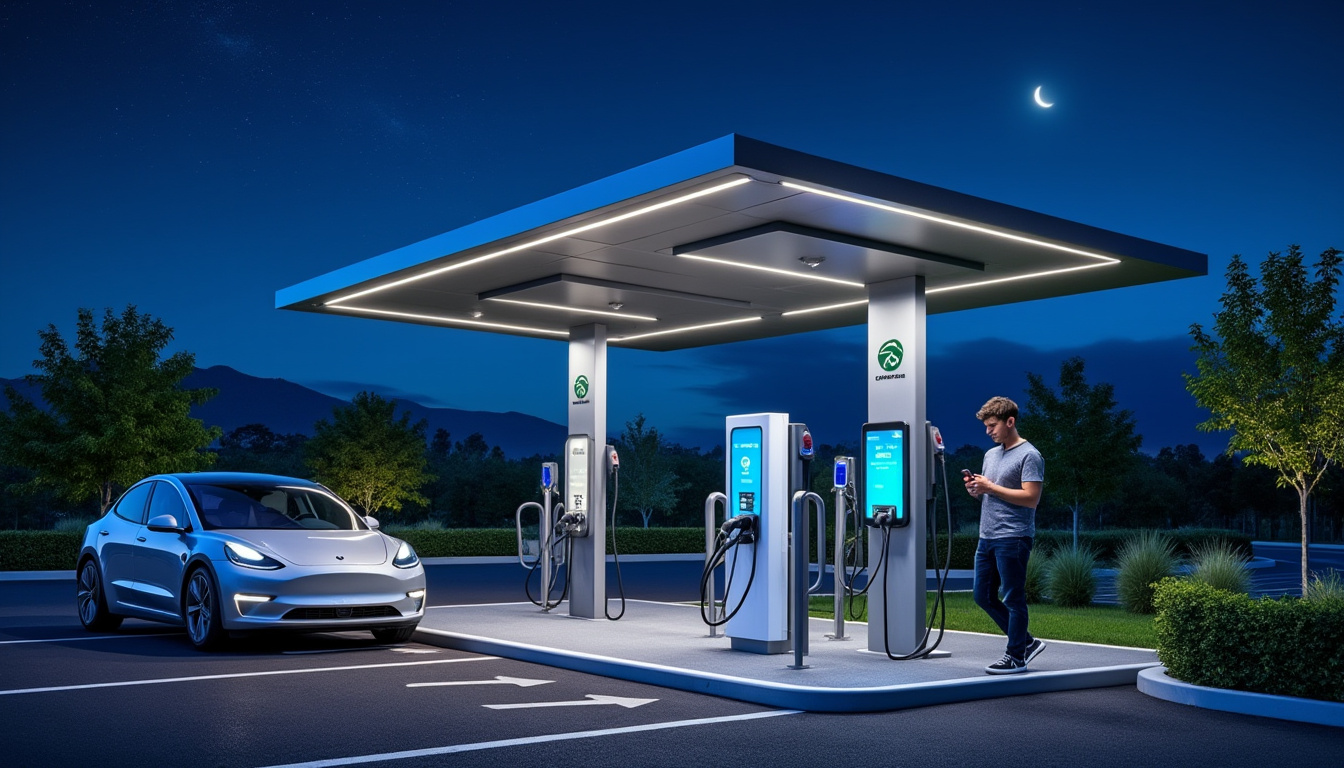
For many motorists, charging their car at night has been a strategic choice. Volkswagen, Nissan, and other brands have seen their vehicles adopted by families looking to reduce their electricity bills. However, with the announced change, part of the off-peak hours will be shifted to daytime. What may seem like a small adjustment hides heavy consequences. How, indeed, can one charge a vehicle during work hours or in between appointments?
- The need to rethink trips according to electricity tariffs.
- The risk of extra costs for charging done outside off-peak hours.
- The complexity of managing effective charging in a busy schedule.
The consequences are particularly concerning for low-income households. If these electric vehicle users face excessive charging fees, it could force them to reconsider their propulsion choice. This complex charging system, intended to simplify life, thus turns into a real headache.
Dilemmas facing the new charging hours
The reconfiguration of off-peak hours is not merely an issue of individual savings but also of better integrating electric vehicles into our society. Reflecting the existing inequalities, these changes exacerbate the divide between professionals and retirees, those with flexible jobs and those with fixed hours.
A new balance to find
For retirees or those working remotely, it will be easier to take advantage of the new off-peak hours. Conversely, for those who must be fully invested in their employment, the situation is becoming increasingly precarious. While the rates are attractive for a privileged community, they seem to stigmatize a large part of electric vehicle owners who, due to their professional constraints, cannot benefit from this reform.
- Low-income families: often limited, the time and financial capacity clash with the new hours.
- Professionals: the stress of a busy schedule makes charging very complex.
- People with disabilities: access to suitable charging stations becomes more complicated.
Is there a two-speed energy transition?
The promise of an ecological future is jeopardized by this controversial reform. Instead of promoting a massive adoption of electric vehicles—such as models from BMW, Hyundai, or Kia—it could encourage an increasing number of owners to turn away from this technology. Why not propose flexible options for charging hours that take everyone's realities into account? The solution may lie in adjustable charging hours to meet users' needs.
Examples of solutions abroad
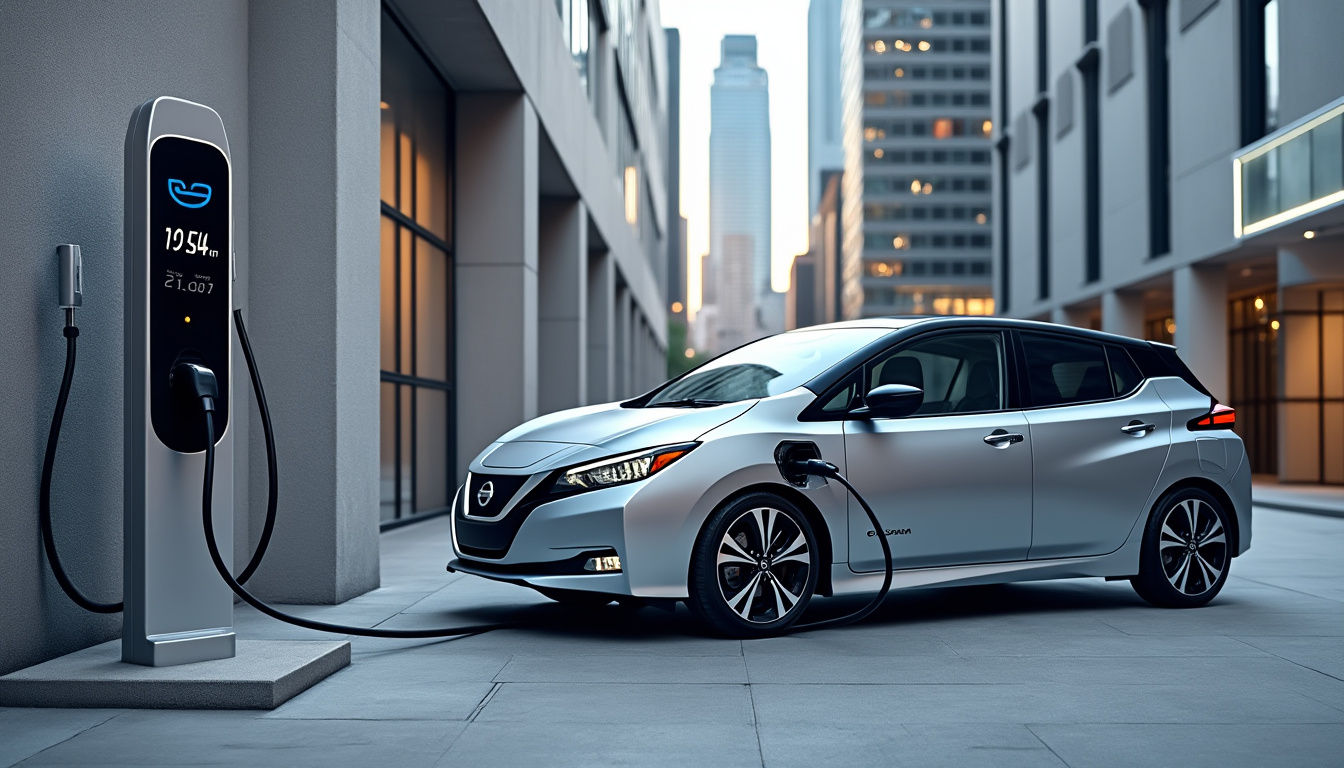
Other countries, such as Germany or the United States, are already experimenting with dynamic charging systems that adapt in real-time to demand. It would be relevant for France to draw inspiration from these models to anticipate the added costs linked to a concentration of charging within the same time slot. Solutions such as accessible rapid charging stations for all, as well as incentives for installing home solar systems, could also be considered.
The role of energy suppliers and network managers
With the reform of off-peak hours, the role of network managers is being redefined. They must regulate the balance between supply and demand, but an increased demand related to electric vehicle charging could lead to unexpected consumption peaks. Users should brace for potential additional charges rather than the promised savings. Energy market players must position themselves to respond to this evolution.
Solutions under consideration
Consumers expect energy suppliers to initiate efforts to enhance the charging experience. Here are some lines of thought:
- Expand preferential rates to non-conventional hours.
- Develop an optimized and intelligent charging system.
- Establish real-time information platforms for users.
| Proposed measures | Advantages | Disadvantages |
|---|---|---|
| Preferential rates | Cost reduction for many drivers | Could be a cost for suppliers |
| Intelligent charging systems | Simplification of charging processes | Information loss if poorly implemented |
| Rapid charging stations | Improvement in accessibility | Initial investment required |
Anticipating the social consequences of the reform
Without a collaborative and thoughtful approach, the reform of off-peak hours risks harming low-income households even more. This disproportionate effect raises numerous ethical questions regarding the energy transition. Current demand far exceeds supply, and energy poverty threatens thousands of electric vehicle owners who can no longer afford charging costs.
Citizens' opinions on the reform
Surveys show that consumers want more sustained interaction with government agencies. Taking their concerns into account is essential to ensure that the energy transition truly benefits everyone. Citizens' consultations should be established to create a constructive dialogue around these issues. The absence of such initiatives could exacerbate social tensions.
- Impacts on low-income households.
- Risks of increased social tensions.
- The necessity of dialogue and citizen participation.
Towards a fair and adapted reform for the future
It is important to take into account citizens' concerns regarding the consequences of the off-peak hour reform. Policies must align with the needs of users and contemporary challenges. A more ethical and equitable future in electric transport is possible if the concerned parties act together.
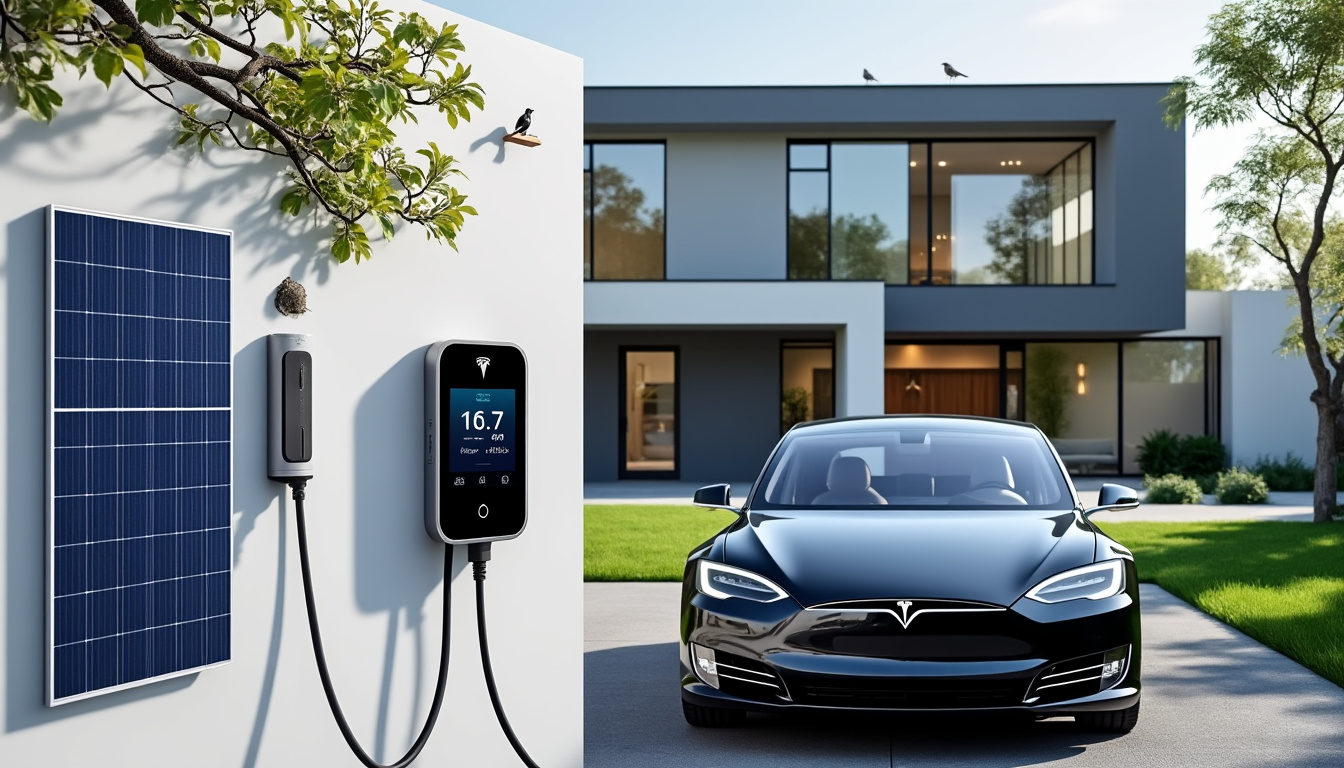
Efforts towards an energy transition must promote inclusion and accessibility. Those engaged in this process, whether they own a Citroën, Audi, or other brands, deserve adapted solutions. To achieve this, it is essential to highlight fair measures so that electric vehicles do not become a luxury reserved for a few privileged individuals.
Si vous souhaitez lire d'autres articles tels que An unpleasant surprise for electric car owners: the hidden traps of the off-peak hours reform, consultez la catégorie Non classé.
-
Sélène Dubois says:
Cette réforme va vraiment compliquer la vie des propriétaires de voitures électriques. Inacceptable!
-
C'est une réforme qui va vraiment compliquer la vie des propriétaires de voitures électriques.
Leave a Reply
Articles relatifs