A turbulent week: Alfa Romeo shines, Renault faces challenges, Goodyear is struggling, and electric vehicles soon subjected to tax

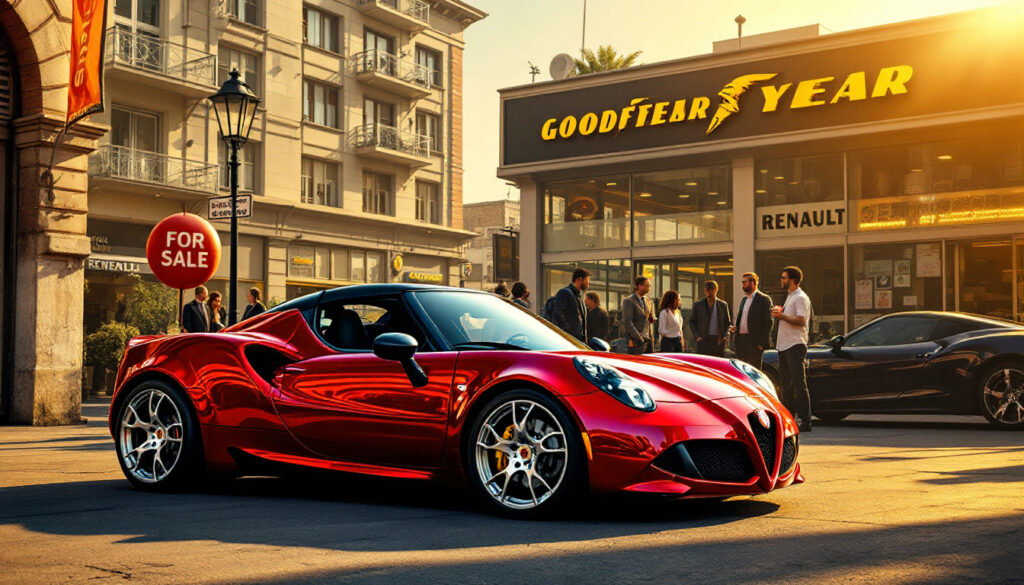

This week, the automotive industry was the stage for contrasting events, blending successes illustrated by Alfa Romeo's flamboyant performance, formidable challenges for Renault, legal complications for Goodyear, and new regulations that could impact the future of electric vehicles. This dynamic reality illustrates the vigor and complexities of the sector.
Alfa Romeo: An unexpected and rapid resurgence
It was time to talk about rebirth. After a period of uncertainty, Alfa Romeo just achieved a stunning performance in the French market, recording an impressive increase of nearly 100% in registrations in March 2025 compared to the previous year. This renewal is primarily centered around the Junior, an enchanting urban crossover that combines distinctive design with technological advancement.
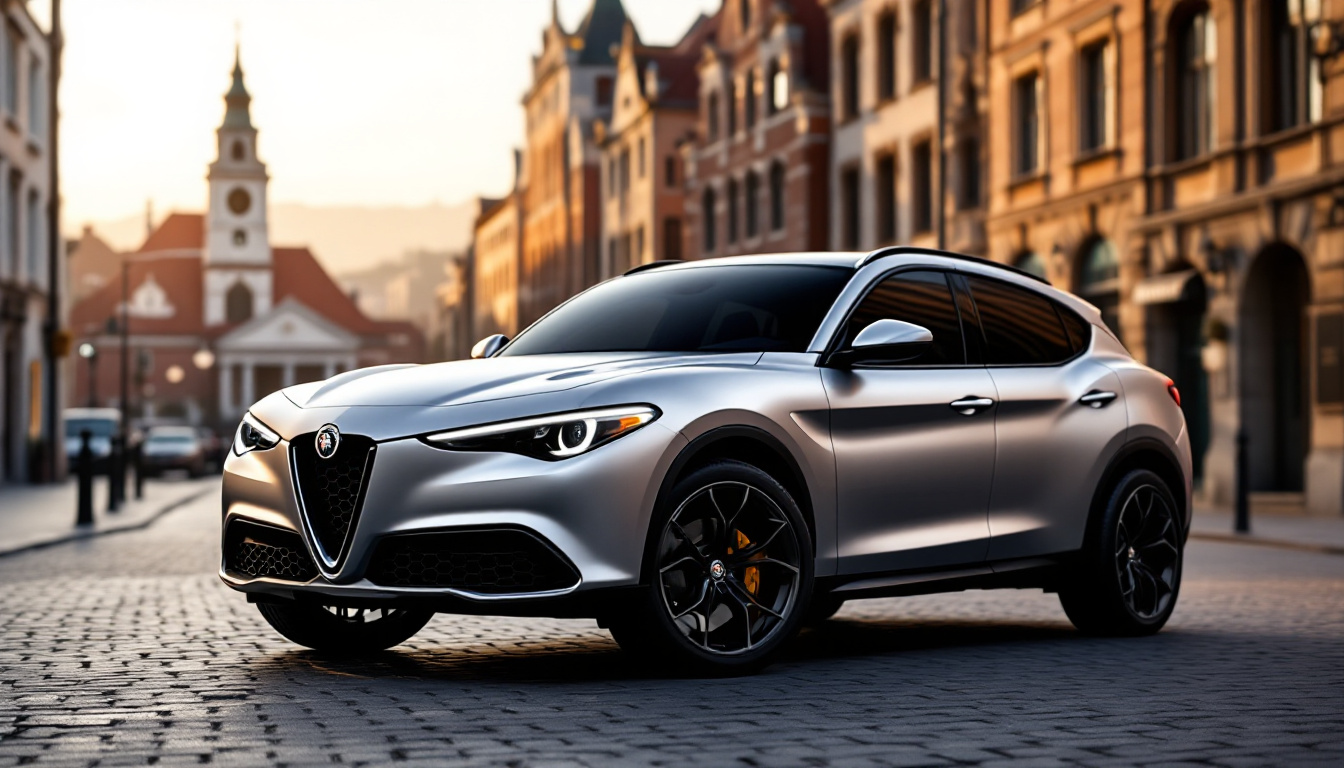
This model, available in hybrid and 100% electric versions, represents a strategic turning point for the manufacturer, which seems to have finally found its audience. The Junior recorded 1,423 deliveries just in March, eclipsing the sales of iconic vehicles such as the Kia Niro and the Škoda Enyaq.
- 1,423 deliveries in March
- Multiple versions: Hybrid and 100% electric
- Flagship: Urban segment in high demand
However, this ascent is not without challenges. While the Junior shines, other models from the brand, like the Tonale, known for its appealing lines, are experiencing a significant drop in sales, plummeting by 50%. Older vehicles such as the Stelvio and Giulia are also struggling to appeal, especially due to penalties that undermine their potential.
This situation necessitates reflection on the manufacturer's past choices. Previously betting on premium and unique segments, Alfa Romeo seems to need to revisit its approach, particularly by incorporating shared technical platforms with other brands in the Stellantis group, like the Peugeot 2008. This proves that commercial performance does not solely lie in reputation, but also in the ability to adapt to the expectations of a rapidly changing market.
Renault: Innovation in the face of transition challenges
While Alfa Romeo celebrates a positive dynamic, Renault is battling a storm of uncertainties. The French brand is currently facing significant market challenges, particularly with the reverse retrofitting initiative. In contrast to the current trend of decarbonization, Renault is looking to replace electric motors with internal combustion engines in an intriguing initiative called Future Hybrid.
This concept aims to offer manufacturers a quick solution to convert electric vehicles into hybrids. The idea, to say the least audacious, could appeal to emerging markets, where electric adoption is hindered by fragile infrastructure and high charging costs.
- Economy of scale: Future Hybrid model
- Retrofitting: Towards a return to combustion engines
- Target segments: Emerging markets and professional fleets
The decision raises ethical and environmental questions. How does this approach fit into the performance of sustainability policies? This question is crucial. Renault advocates a diversification of approaches, arguing that each market has its own demands and that the path to sustainable mobility is not linear.
Moreover, changes at the fiscal level threaten to complicate the situation. The French government is considering removing certain tax exemptions for electric vehicles, such as the free registration cards, which could negatively impact sales.
Goodyear: A legal storm reveals a dark past
The reputation of Goodyear, a major player in the tire industry, is currently being put to the test. An old case resurfaces as the manufacturer is accused of deception following fatal accidents involving defective tires. Indeed, an investigation has been opened by the public prosecutor's office in Besançon after a complaint was filed by the widow of a motorist who died in 2014, a tragic event that highlighted potential negligence on Goodyear's part.
The tires in question are the Marathon LHS II models, specifically designed for heavy trucks. According to revealed documents, Goodyear allegedly made questionable decisions to avoid a massive recall, opting instead for discreet exchanges.
- Accusations: Deception and design defects
- Financial risks: Fines up to 10% of revenue
- Image impact: Reputation at risk in the market
This turn of events could cost the manufacturer dearly, both in terms of financial performance and reputation. Risk management must be paramount in an industry where trust is essential. European executives from Goodyear will soon be called to testify, hoping to establish transparency about the events that led to this crisis.
The new taxes on electric vehicles: The start of a new era?
As the automotive industry evolves, the tax benefits of electric vehicles are about to disappear. Starting May 1st, the exemption for registration cards for electric cars could end, a decision motivated by the need to generate tax revenues for regions in France. This represents a significant change, as the government seeks to tighten budgets for infrastructure and support for energy transition.
Most regions are considering ending this exemption, raising a wave of concern among electric vehicle users. Only the Hauts-de-France region appears ready to maintain the full exemption, highlighting a climate of uncertainty that could hinder adoption.
| Region | Registration card status | Estimated cost |
|---|---|---|
| Hauts-de-France | Exemption maintained | 0 € |
| Île-de-France | Exemption removed | 750 € for powerful models |
| Auvergne-Rhône-Alpes | 50% reduction | 375 € for thermal models |
This decision will likely have an alarming impact on consumer purchasing behavior. Who would want to purchase an electric vehicle if its operating costs increase significantly with the tax regulation? Figures already indicate a decline in interest in electric vehicles, a fact that must be taken seriously by market players.
Final reflection on the future of the automobile
In the wake of this turbulent week, it is evident that the automotive industry is navigating through tumultuous waters. The challenges are many, but they also carry opportunities. The ability of manufacturers to innovate in response to market transformations will be decisive. Automotive giants must reinvent themselves to avoid falling behind. Innovation will be key to meeting these challenges and diving toward a future focused on sustainability and performance.
Si vous souhaitez lire d'autres articles tels que A turbulent week: Alfa Romeo shines, Renault faces challenges, Goodyear is struggling, and electric vehicles soon subjected to tax, consultez la catégorie News.
-
Nolwen Verdi says:
Alfa Romeo semble vraiment redresser la barre, mais Renault a des défis à relever.
-
Alfa Romeo fait vraiment forte impression, mais Renault doit se réinventer pour rester pertinent.
-
C'est fascinant de voir Alfa Romeo se relever, mais Renault a du pain sur la planche.
Leave a Reply to Théodore Miran Cancel reply
Articles relatifs