A surprising material to replace carbon fiber in our vehicles: a truly more ecological alternative?



The energy transition is becoming essential for the automotive industry. With growing environmental concerns and the ecological impact of vehicle manufacturing, innovation in materials is more crucial than ever. A surprising material is emerging on the horizon to replace carbon fiber, known for its exceptional lightness and strength. But, is it truly an eco-friendly alternative? This question deserves a thorough investigation.
An unlikely new material to replace carbon fiber
Carbon fiber has long been regarded as a material of choice in the automotive world. However, its highly polluting production process raises questions about its sustainability. For every ton of fiber produced, nearly 20 tons of CO2 are emitted. BMW is committed to changing the game by integrating plant-based materials, particularly flax fiber, into its high-performance models.

The challenges of carbon fiber
Producing carbon fiber is expensive and energy-intensive. Most of this fiber is derived from petroleum, one of the most polluting substances on the planet. The lack of recycling solutions for this material also poses a serious problem.
- Polluting production: up to 20 tons of CO2 per ton of fiber
- Recycling difficulty: complex separation between fiber and resin
- High production costs and environmental impact
The promise of flax fiber
BMW is focusing on finding eco-friendly alternatives, leveraging flax fiber, a renewable, biodegradable, and less energy-consuming material. This approach reduces carbon impact by 40% during the production of parts.
But the real question remains: what about the resin used to bond these fibers? Although it provides essential rigidity, it is often derived from harmful chemical compounds, thus impacting ecology.
| Materials | Carbon Impact (in tons) | Recyclability |
|---|---|---|
| Carbon fiber | 20 | Impossible |
| Flax fiber | 12 | In development |
It is imperative to explore not only the alternatives to carbon fiber but also to address the problems related to the sustainability of the resins used.

New horizons with eco-friendly composite materials
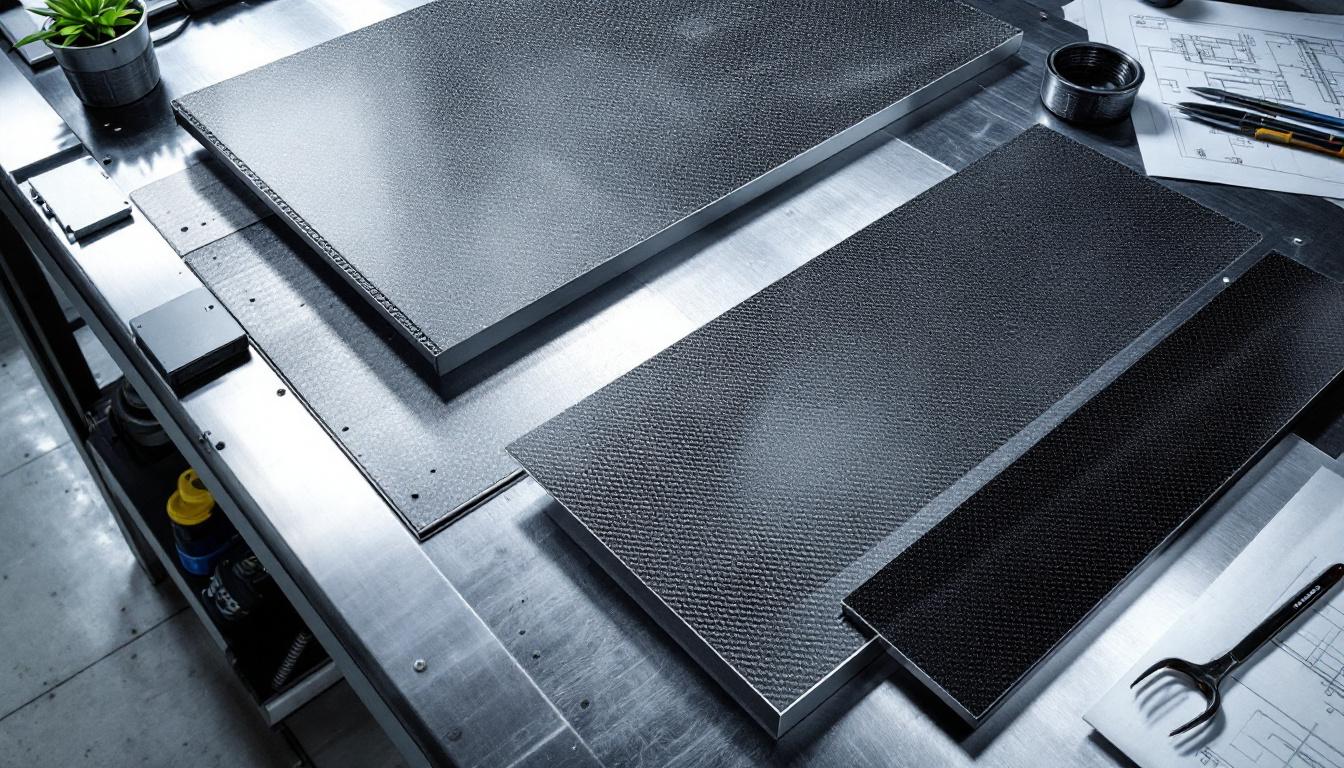
Eco-friendly composites open a range of possibilities. By combining plant fibers with bio-resins, this type of material could transform the automotive landscape. EcoComposites, for example, demonstrate the effectiveness and relevance of these alternatives through their research projects.
Advantages of plant-based materials
The ecological advantages of plant-based composite materials are notable:
- Renewability: many materials come from sustainable crops
- Biodegradability: less impact at the end of the product's life
- Performance: improvement in mechanical performance in certain cases
Examples of pioneering communities
Among the companies adopting these new materials, NatureCar stands out. Its production of eco-vehicles through eco-friendly materials perfectly illustrates the direction in which the automotive industry is heading.
| Company | Material Type | Application |
|---|---|---|
| EcoComposites | Hemp fiber | Car interiors |
| NatureCar | Flax fibers | Lightweight vehicles |
These advancements reveal a movement towards sustainability. This is encouraging, but it requires a collective effort to make these materials accessible and economically viable for mass production.
Recycling, the essential approach for the future
A major issue for any material used in the automotive industry is recycling. The difficulty encountered with carbon fiber, arising from the inability to separate the fiber from the resin, raises a crucial question: how can we ensure that all these innovations are truly sustainable? If the new fibers prove promising, the recycling aspect must be resolved simultaneously.
The challenges of recycling composites
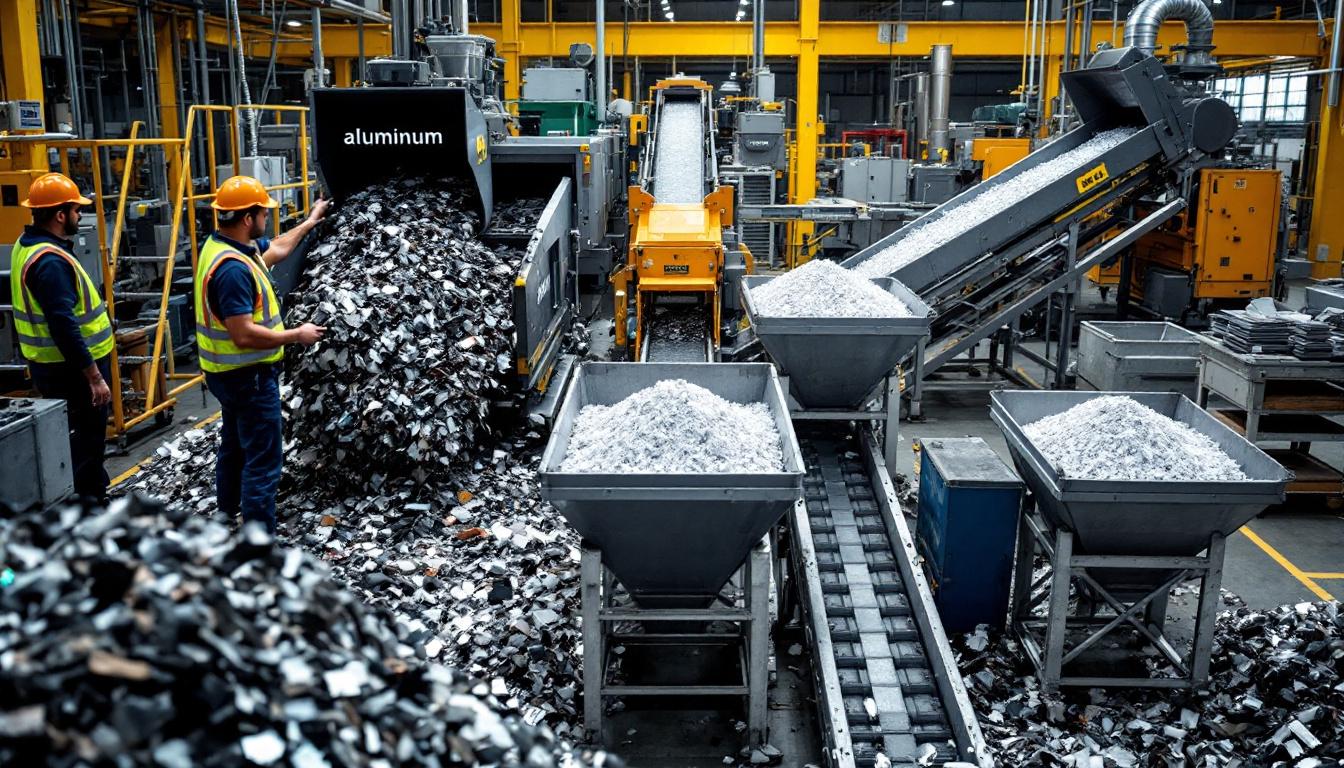
Recycling composites, particularly those incorporating natural fibers, remains a complex task. Here are the main challenges the industry faces:
- Dissociation of components: separation of the fibers from the resin used
- Sufficient technologies: development of specific recycling methods
- Costs: recycling operations must be financially viable
To advance the debate, several research projects, such as those led by Extracthive and Fairmat, are showing the way. They explore downcycling and recycling methods that could address these concerns.
| Research Projects | Objective | Progress Status |
|---|---|---|
| Extracthive | Recycling of composites | Ongoing |
| Fairmat | Creation of a recycling chain | In initial phase |
It is crucial to pay attention to the efforts being made to improve this situation. A material, regardless of its initial durability, cannot claim to be truly eco-friendly if its recycling is not taken into account.

Conclusion: the future of the automotive industry depends on sustainable materials
Without a radical change in design and materials, the automotive industry will continue to face enormous environmental challenges. The transition to materials such as flax fiber promises a better future, but questions remain. At the same time, initiatives aimed at improving recycling must stay the course. Now more than ever, commitment to auto renewal is necessary, as this choice will influence the future of mobility.
Si vous souhaitez lire d'autres articles tels que A surprising material to replace carbon fiber in our vehicles: a truly more ecological alternative?, consultez la catégorie Non classé.
Leave a Reply
Articles relatifs