A successful electric car manufacturer despite losses of 800 euros per vehicle sold

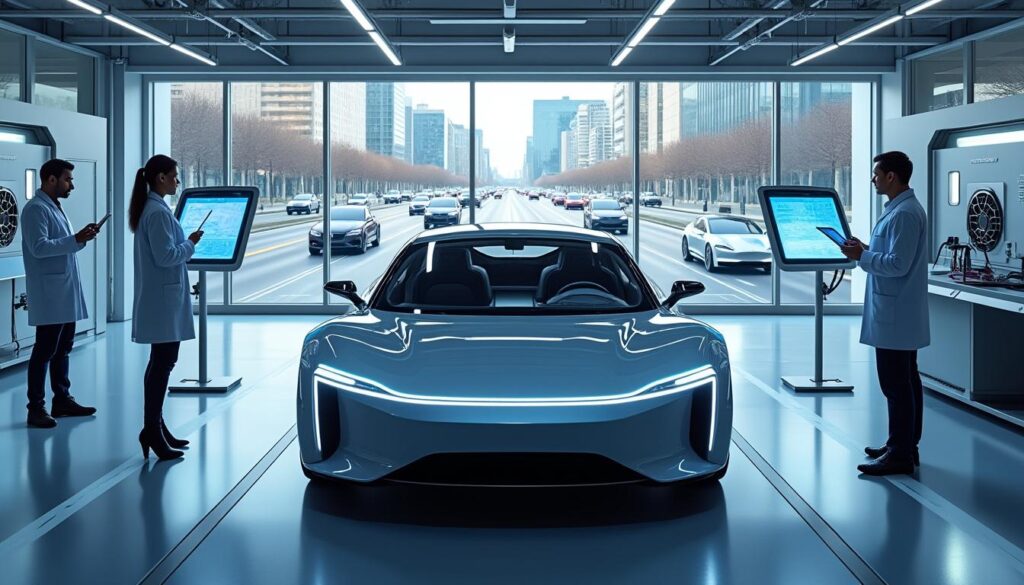

The electric car sector< strong> is experiencing an exciting dynamic, especially with the emergence of new players in the market. Among them, Xiaomi, a recognized technology giant, boldly ventures into the automotive industry. However, a remarkable fact is that this company is currently losing about 800 euros on each electric vehicle sold. This situation raises questions about the economic viability of this rapidly expanding market.
Xiaomi Auto: a promising launch in the electric car sector
Xiaomi Auto, the automotive division of Xiaomi, was launched with the ambition to compete with industry giants such as< strong>Tesla, Nissan, and Volkswagen. By 2025, the company has already sold 258,000 units of its electric sedan SU7, an impressive figure for a new entrant. This promising launch not only reflects consumer interest in electric vehicles but also underscores Xiaomi's commitment to diversifying beyond its core business.
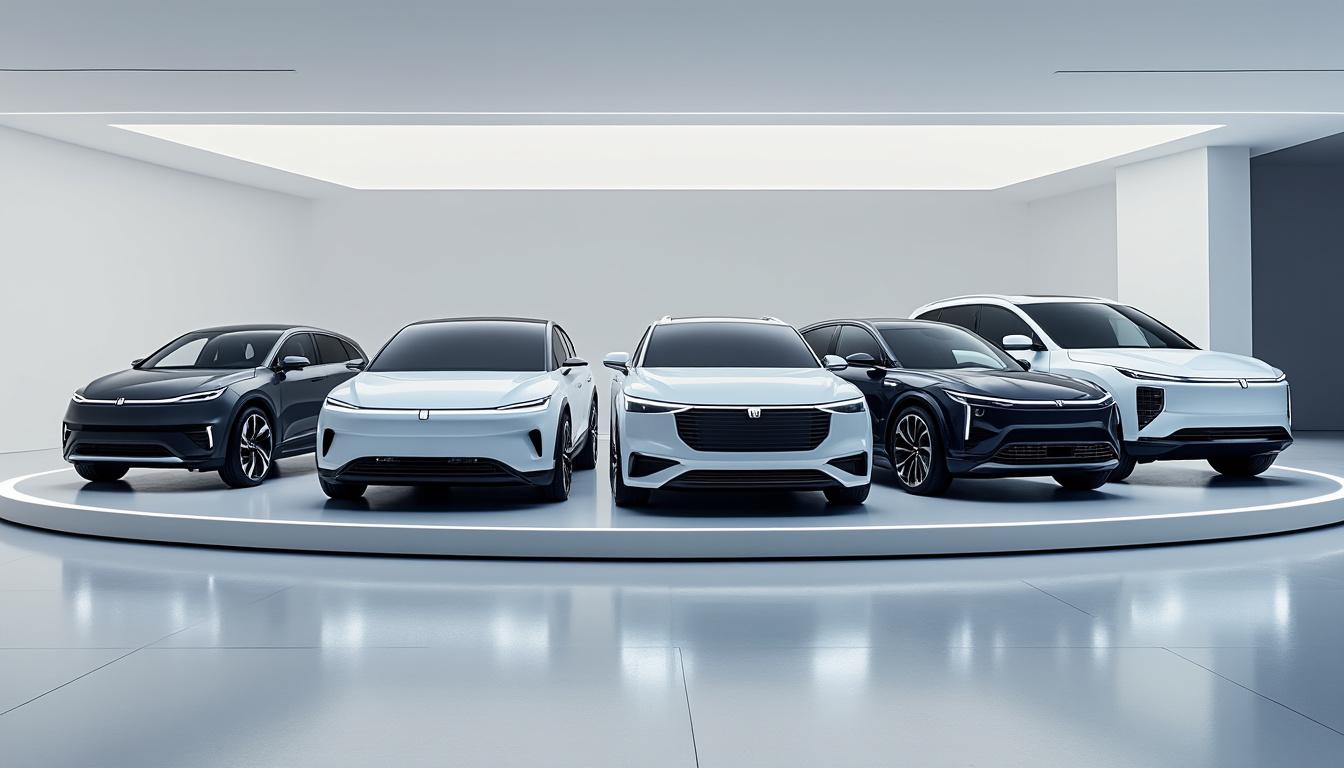
However, behind these sales figures lies a more complex reality. Despite these encouraging results, Xiaomi is recording substantial financial losses. Indeed, the financial report for the first quarter of 2025 reveals an exceptional loss of 61.26 million euros, which represents about 800 euros of loss per vehicle sold. This highlights the dilemma faced by many electric car manufacturers: how to penetrate a growing market without sacrificing profitability?
The financial stakes for new entrants in the electric market
Xiaomi's situation is not unique and reflects a broader challenge in the electric vehicle industry. Many< strong> traditional manufacturers, such as BMW, Renault, and Hyundai, have also struggled to achieve profitability in this sector. Young companies, in particular, often find themselves in a fragile position due to several factors.
- High development costs: Research and development of new technologies, batteries, and infrastructures require massive investments.
- High selling price: Electric cars are often more expensive to produce, which is reflected in their price. This can deter some consumers.
- Competitive pressure: Established brands like Peugeot and Citroën are investing heavily in electric vehicles, thereby increasing competition for new players.
In the face of these challenges, companies must develop strategies to improve their financial performance. In Xiaomi's case, the launch of the YU7 SUV in 2025 could be a response, as demand for electric SUVs is booming. Consumers are looking for more space and comfort, and this new offering could potentially balance out the losses.
A necessary adaptation: cost-reduction strategies
To survive in this challenging environment, companies must explore ways to reduce their costs while maintaining the quality of their products. Xiaomi, in fact, is considering increasing its production capacity, which could lead to economies of scale. Such an approach would be similar to that of Audi, which has implemented similar strategies for its electric models.
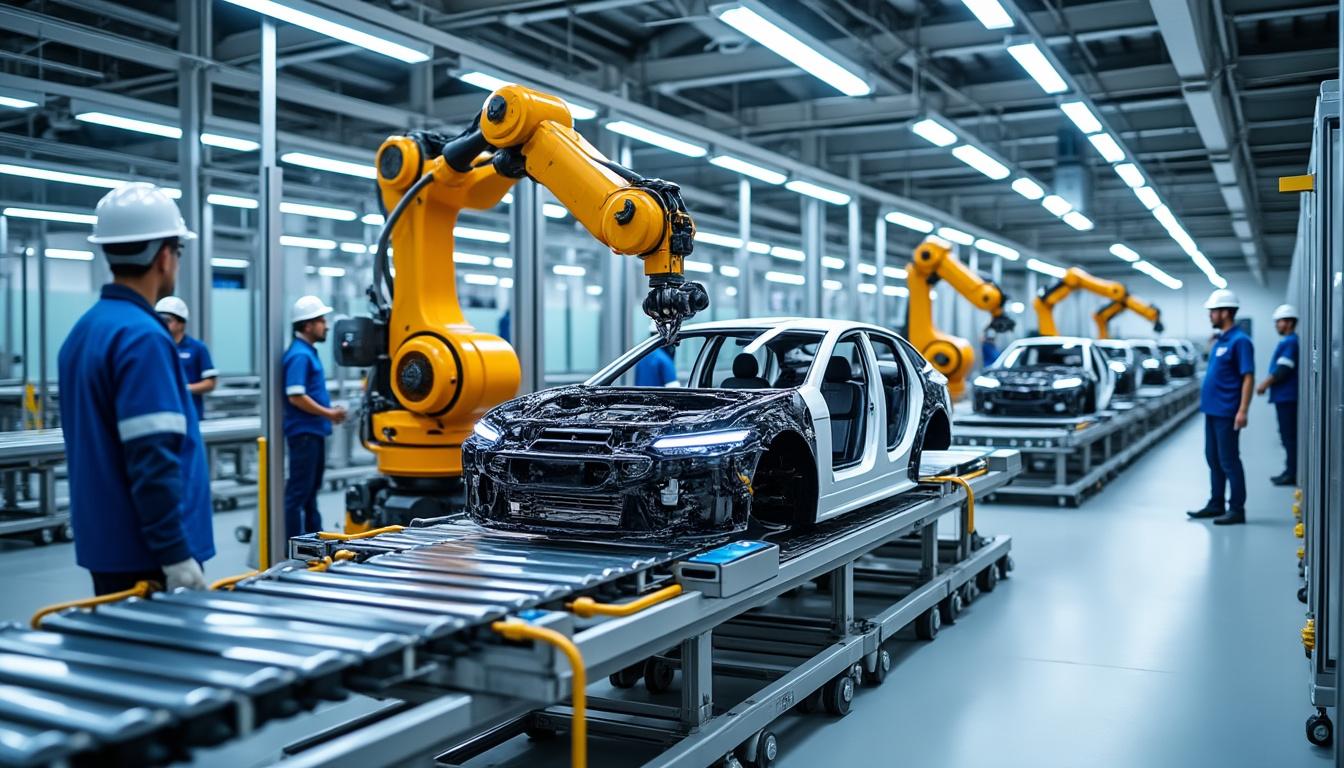
Here are some strategies that companies could consider:
- Improvement of supply chains: By optimizing supply chains, Xiaomi can reduce the costs of the raw materials needed to manufacture its vehicles.
- Strategic partnerships: Collaborating with technology suppliers and battery companies can help reduce costs and share risks.
- Investment in R&D: Although costly, innovation is essential for creating products that stand out in the market.
In summary, cost reduction is crucial. However, companies must also be careful not to compromise the quality of their cars. Poor-quality electric vehicles can tarnish the brand's reputation, which would be a severe blow in a market where consumer trust is paramount.
The future prospects for Xiaomi and the electric automobile industry
Despite the challenges faced, the future prospects for Xiaomi Auto and the electric car industry are very promising. Environmental issues and concerns about climate change are driving demand for more eco-friendly vehicles. As governments around the world implement favorable regulations and subsidies to electrify transportation, the growth potential is immense.
| Year | Projected electric vehicle sales (in millions) | Target % market share |
|---|---|---|
| 2025 | 6 | 10% |
| 2030 | 15 | 20% |
| 2035 | 25 | 30% |
If Xiaomi manages to improve its profitability, it could become a major player, competing with established brands. However, the path to that profitability requires both technological innovations and effective cost management. In other words, Xiaomi's success is not just a matter of sales volume, but how the company manages its business model in the face of the rapidly changing market.
A delicate balance between innovation and profitability
One of the main challenges Xiaomi faces, just like other electric vehicle manufacturers, is finding the right balance between innovation and profitability. In a constantly evolving sector, launching new models with advanced technologies is essential. However, these advancements must be accompanied by strict financial management.

Companies must understand that success cannot be built solely on short-term sales figures. Here, long-term strategy becomes paramount. Xiaomi's case can be compared to that of Lucid Motors, which is currently struggling to reach a positive margin level but continues to invest in cutting-edge technologies.
- Sustainability: Today's consumers look for companies that take environmental issues seriously.
- Adaptability: The ability to rapidly evolve in the face of changing market trends is essential for remaining competitive.
- Brand reputation: Building consumer trust through reliable vehicles can compensate for initial losses.
Thus, Xiaomi must navigate carefully in this tumultuous landscape. The ability to manage expectations while innovating remains crucial for their future. It is therefore essential to closely follow the evolution of this company in the months to come, as its success could well set the tone for the electric automotive industry.
The role of infrastructure and public policies
Another determining factor for the success of Xiaomi and other market players is the development of charging infrastructures and public policies favorable to the electrification of transportation. How do governments support the adoption of electric vehicles? What is the capacity of infrastructures to meet growing demand?
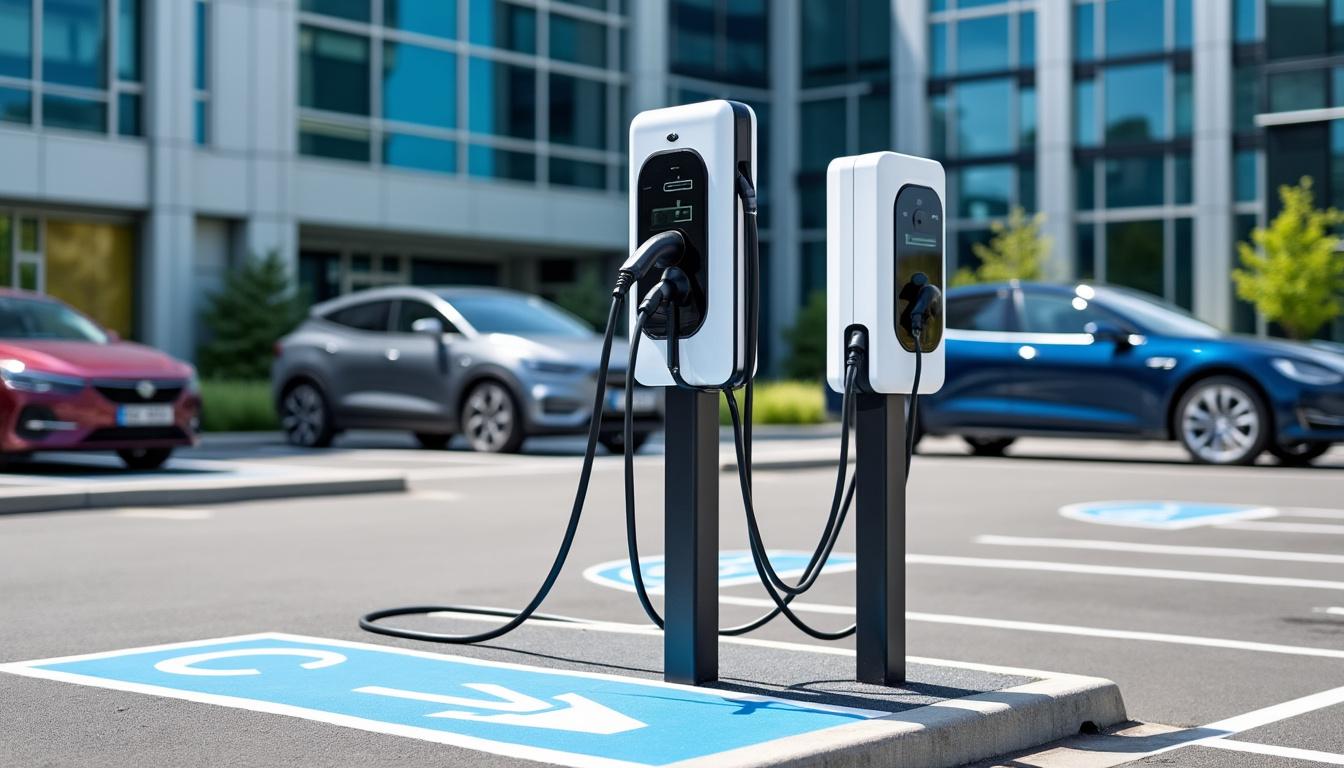
Currently, in France, the rise of charging stations is essential. A report from GT Automotive highlights that the number of charging stations is expected to increase by 40% by 2027. This will encourage more consumers to consider purchasing an electric vehicle, thus reducing the stress related to charging.
- Financial incentives: Subsidies and tax incentives play a major role in consumer choices.
- Regulatory changes: Laws favoring electrification can stimulate market development.
- Investments in infrastructure: Governments must invest in charging stations to facilitate access for users.
For Xiaomi, these developments represent not only an opportunity but also a challenge. If the infrastructures do not keep pace, it could be difficult to achieve the sales targets set. Companies must adapt to these circumstances and work collaboratively with governments to foster favorable market conditions.
Si vous souhaitez lire d'autres articles tels que A successful electric car manufacturer despite losses of 800 euros per vehicle sold, consultez la catégorie Non classé.
-
Elisandre Vortex says:
C'est intéressant de voir comment Xiaomi essaie de s'imposer dans le secteur des voitures électriques.
-
Xiaomi doit vraiment améliorer sa viabilité économique pour prospérer dans le marché des voitures électriques.
-
C'est fascinant de voir Xiaomi entrer sur le marché des voitures électriques, mais ils doivent vraiment gérer les coûts.
-
Xiaomi doit vraiment se concentrer sur la rentabilité pour réussir à long terme.
Leave a Reply to Lysandre Verdoise Cancel reply
Articles relatifs