A new milestone for vehicle inspections: major changes for cars older than 10 years

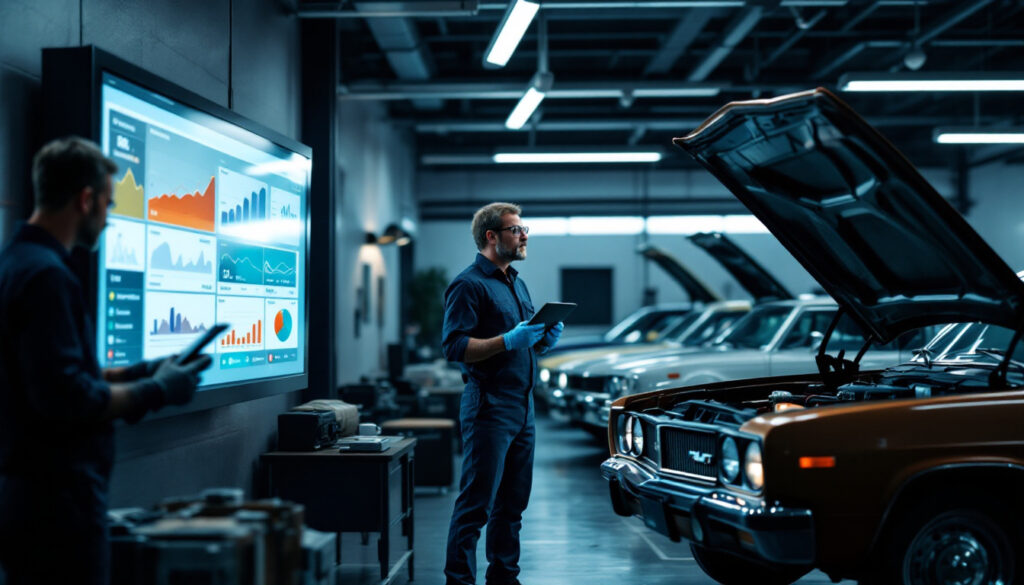

The regulation of technical inspections is evolving to adapt to road safety and environmental requirements. Starting in 2025, a new proposal from the European Union could transform the way cars older than ten years are inspected. This change is centered on the idea of enhancing the safety of older vehicles, whose risk of accidents is significantly higher. Indeed, older vehicles pose more complex issues regarding automotive safety and pollutant emissions. The question arises: is this approach sufficient to guarantee the safety of road users?
Current state of technical inspections for older cars
Currently, in France and other European countries, cars must undergo a technical inspection every two years from their fourth anniversary. This aims to ensure a minimum level of safety and technical compliance. However, vehicles that are more than ten years old, often considered obsolete, may have major safety and reliability flaws. Hence the idea of adopting new regulations.
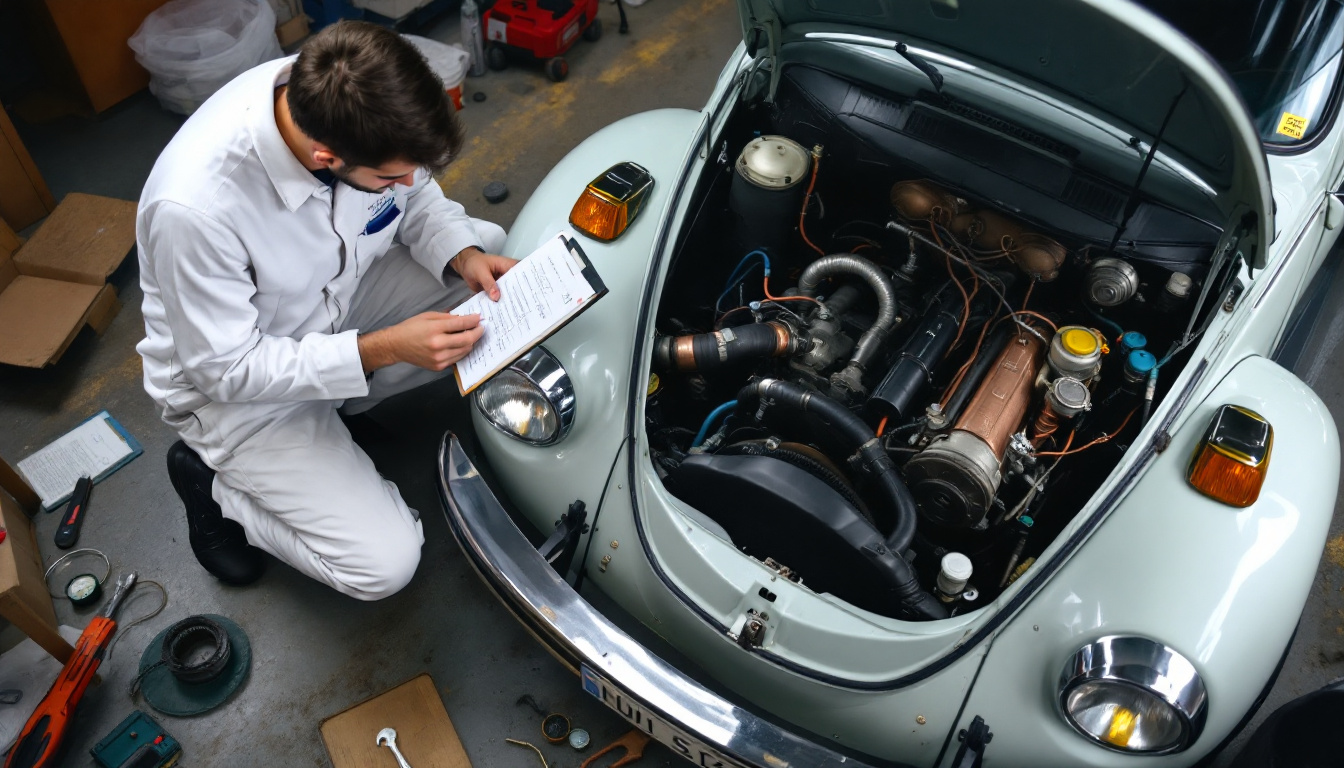
Limitations of the binary technical inspection
The current system, which is based on a two-year interval, has several limitations. First, older vehicles tend to accumulate technical problems over time. Furthermore, the obsolescence of certain technologies makes it more difficult to track them over the years. Many owners of these vehicles neglect vehicle maintenance, which increases the risk of accidents.
A study revealed that cars over ten years old account for an alarming percentage of road accidents. Therefore, the question of making the technical inspection annual for this type of vehicle becomes increasingly relevant. But what are the implications? Here are some key issues:
- Road safety: Older vehicles may be less safe than their modern counterparts.
- Environmental impact: Higher emissions of pollutants may come from poorly maintained and older vehicles.
- Maintenance costs: Often, the maintenance costs of an old car can exceed its resale value.
These elements fuel the debate on the necessity of an annual technical inspection. The European Union's proposal aims not only to protect drivers but also to guarantee a standard of automotive innovation that is environmentally friendly.
| Type of vehicle | Age | Current inspection frequency | EU Proposal |
|---|---|---|---|
| Recent vehicles | 0-4 years | 4 years | No change |
| Intermediate vehicles | 4-10 years | 2 years | No change |
| Older vehicles | 10 years and older | 2 years | Annual |
The regulatory change, while welcomed by some, also raises concerns. Many fear that this additional requirement will impose a financial burden on owners. However, these investments in terms of technical compliance could ultimately lead to cost savings in the long term.
The European Union proposal: challenges and impacts on automotive safety
The European Commissioner for Transport, Apostolos Tzitzikostas, described this proposal as "decisive for a safer and greener Europe." Based on ambitious objectives, such as reducing road fatalities by 50% by 2030, this initiative could have significant ramifications for the automotive society.

Analysis of environmental issues
Sustainable technologies are becoming crucial in the context of the transition to greener mobility. This includes better monitoring of pollutant emissions, such as nitrogen oxides and fine particles. Effectively detecting these pollutants is essential to ensuring the air quality that urban residents breathe. The technical inspection could thus become a showcase for innovation.
New inspection technologies are also on the agenda. These advancements could make the process more efficient and precise. Thanks to digital tools and advanced detection devices, the accountability of manufacturers and owners would be strengthened.
Economic implications
The economic implications of these changes are manifold. On one side, this could encourage garages to invest in quality assurance equipment. On the other, it could also resonate among consumers, who might be offered new services. The question is: will these services be accessible to everyone, or will only some benefit from these innovations?
- Possible benefits:
- Improved safety.
- Better reputation for garages.
- Possibility of subsidies to assist with the transition.
- Improved safety.
- Better reputation for garages.
- Possibility of subsidies to assist with the transition.
- Associated risks:
- Increased costs for vehicle owners.
- Inadequate infrastructure.
- Lack of knowledge about new technologies.
- Increased costs for vehicle owners.
- Inadequate infrastructure.
- Lack of knowledge about new technologies.
The proposals still need to be validated by the European Parliament. This leaves room for enriching discussions on the best way to implement these changes.
Solutions to support owners of older cars
It is essential to focus on solutions that could support the owners of older vehicles during this transition. An often underestimated aspect is educating motorists about vehicle maintenance to promote vehicle reliability.
Importance of educating motorists
A awareness campaign would be beneficial to help drivers understand the necessity of regular maintenance. Many motorists still view their vehicle as a durable asset that does not require constant attention. This perception can quickly lead to a deterioration of the car and dangerous situations.
Examples of educational programs
Educational programs can be created in collaboration with automotive industry stakeholders and public institutions. These initiatives could address various themes, such as:
- The importance of preventive maintenance.
- Innovations in safety.
- Upcoming regulations.
These initiatives must be inclusive and accessible to all to ensure that every vehicle owner can benefit from these opportunities. Furthermore, it may also be relevant to implement subsidies for the maintenance of older cars, thereby reducing the financial burden often associated with these processes.
| Theme addressed | Target audience | Means of dissemination | Potential impact |
|---|---|---|---|
| Education on maintenance | Owners of older vehicles | Workshops, webinars | High |
| New regulations | All motorists | Communication campaigns | Medium |
| Innovations in safety | Drivers and future buyers | Events, fairs | High |
These programs could also address the possible establishment of a new certification for approved repairers, ensuring a level of competence that meets the requirements of the new regulation.
Future prospects: a technical inspection adapted to contemporary challenges
The proposal for an annual technical inspection for older vehicles reflects a willingness to adapt and progress in the face of contemporary challenges, whether environmental or safety-related. It is essential to implement these measures while ensuring their acceptability among the population. Indeed, understanding and being aware of the issues surrounding this reform is vital to guarantee its success.
A need for innovation in the technical inspection sector
Innovation is at the heart of the necessary transformations. New technologies must be integrated into the technical inspection processes to make these inspections smoother and more effective. Digital tools will provide effective tracking solutions for motorists, while improving inspection processes within control centers.
Community engagement
The success of this initiative also depends on community engagement. Citizen participation in adopting good maintenance practices is crucial. Education on automotive safety should be integrated into educational systems to better prepare future generations.
- Driving schools:
- Integrate modules on maintenance
- Alert on new regulations
- Integrate modules on maintenance
- Alert on new regulations
- Local communities:
- Organize awareness events
- Encourage support programs among vehicle owners
- Organize awareness events
- Encourage support programs among vehicle owners
In summary, the new milestone proposed for the technical inspection of vehicles over ten years old could potentially make our roads a safer and more environmentally friendly place. However, this will require a collective effort and long-term commitment from both authorities and citizens.


Si vous souhaitez lire d'autres articles tels que A new milestone for vehicle inspections: major changes for cars older than 10 years, consultez la catégorie News.
-
Lior Dupin says:
C'est une excellente initiative pour améliorer la sécurité routière et protéger l'environnement.
-
C'est une bonne initiative, mais j'espère qu'il y aura des aides pour les propriétaires.
Leave a Reply
Articles relatifs