a major breakthrough for electric car charging in Belgium

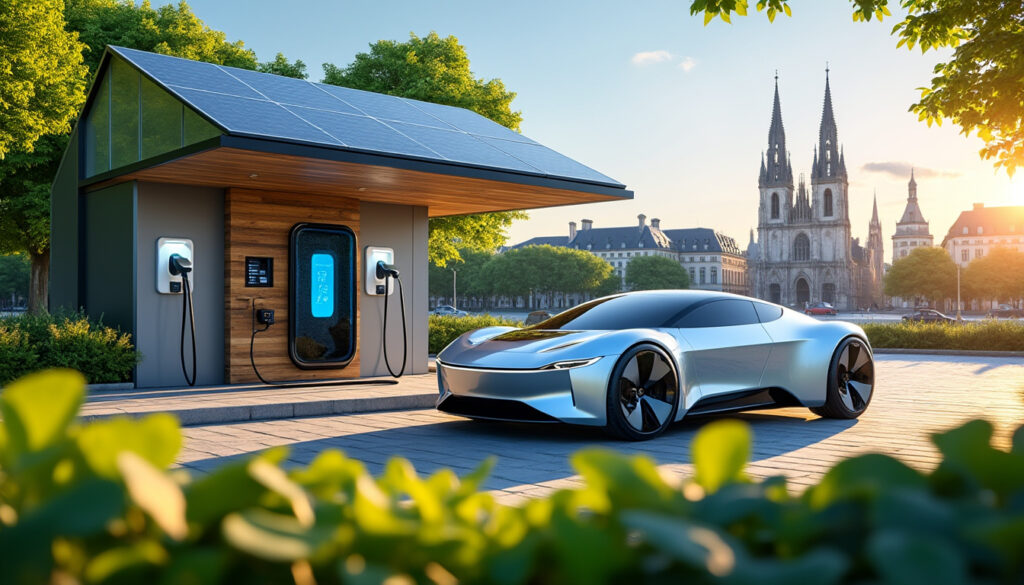

Electric cars are increasingly gaining traction on Belgian roads, offering an ecological alternative to combustion vehicles. In this quest for sustainability, the development of charging stations proves essential. In 2025, a major advance is announced with the deployment of ultra-fast charging stations, promising to transform the user experience and accelerate the adoption of electric mobility. This article explores the different aspects of this revolution in charging infrastructure.
The HyperFast network is expanding to facilitate recharging
The HyperFast network is at the heart of the evolution of electric vehicle charging infrastructure in Belgium. It plans to install charging stations with a power of 300 kW, produced by ADS-TEC Energy. These stations, called ChargePost, are designed to provide fast and efficient charging, thus responding to the growing demand for efficient charging infrastructure. Already, HyperFast has 25 fast charging points on Belgian territory, but this new order will allow the number to increase by nearly 50%.
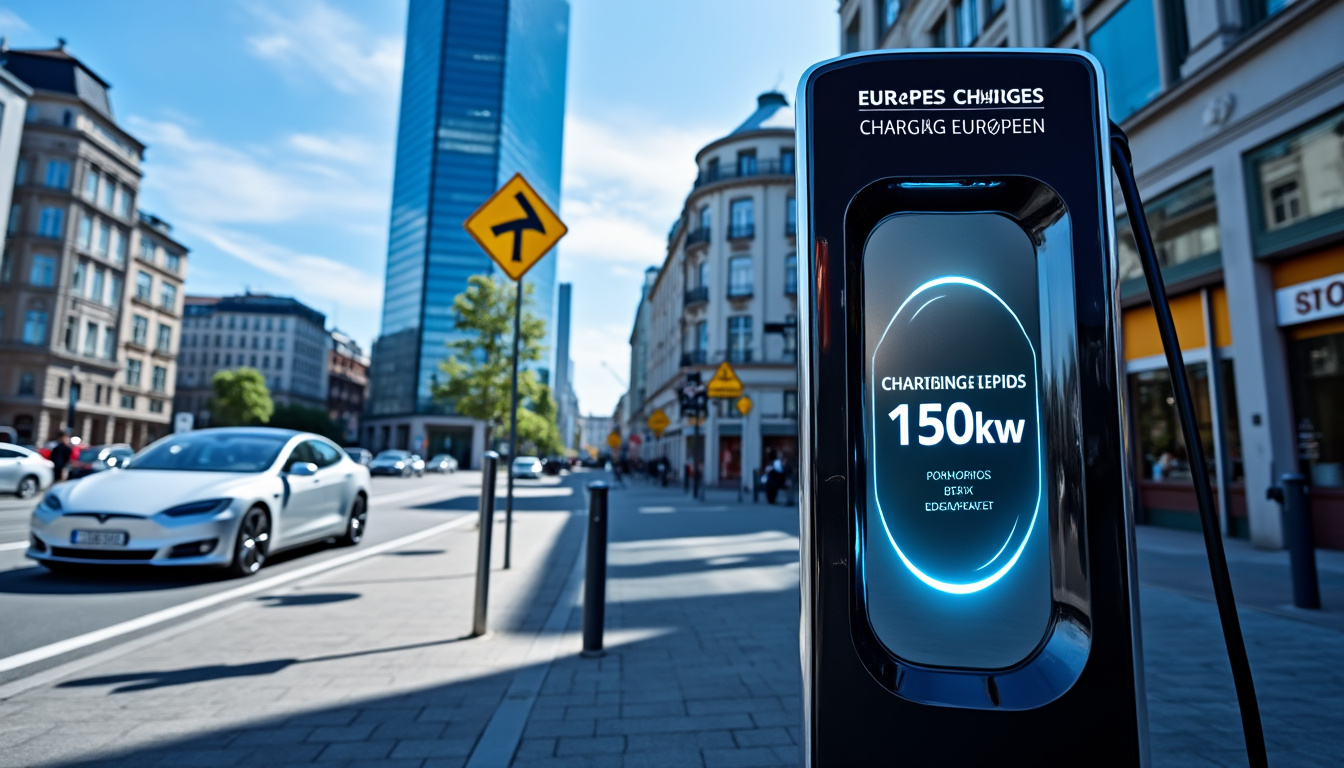
This increase in the number of charging stations concerns not only individual users but also supports a green mobility economy. According to Thomas Speidel, CEO of ADS-TEC Energy, “e-mobility is rapidly developing, and along with it, the demand for an efficient charging infrastructure. However, conventional solutions are reaching their limits in many places.” This statement underscores the need for a change in how charging stations are deployed.
The innovative features of ChargePost stations
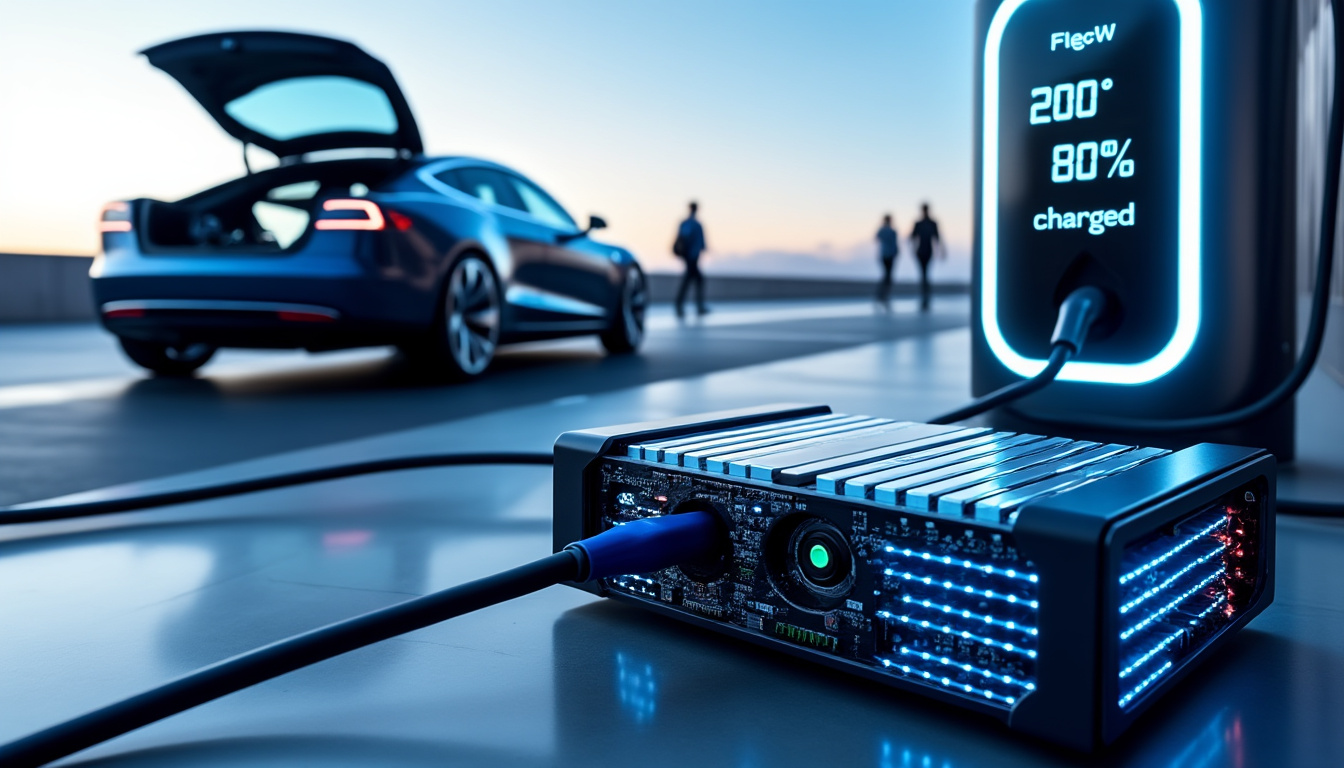
ChargePost stations leverage a technology that ADS-TEC describes as a “buffer battery solution.” This means that the stations can continuously charge via the electric grid, accumulating up to 201 kWh of energy. They then have the capacity to release this energy at a power of 300 kW, allowing users to enjoy record-fast charging without requiring modifications to the local grid.
In 2025, these new stations are expected to significantly reduce waiting times at charging stations. Indeed, the performance and efficiency of these stations allow for a future where charging stops will be as quick as a traditional fuel fill-up. Users could then recharge their vehicle from 0 to 80% in just a few minutes, making electric cars much more practical for daily use.
- Fast charging: 300 kW power.
- Storage capacity: 201 kWh accumulated during low demand periods.
- Flexible installation: No modifications to the local grid required.
The impact on the adoption of electric mobility
The establishment of a network of fast charging stations like that proposed by HyperFast should encourage more drivers to opt for electric vehicles. By facilitating access to charging solutions, it addresses one of the greatest concerns of future electric vehicle owners: range.
Furthermore, the deployment of charging stations is part of a broader context of energy transition, with players such as Ionity, Fastned, Shell Recharge, TotalEnergies, and many others investing significantly in similar infrastructures across Europe. Consequently, Belgium is not isolated in this advance, but in line with a continental dynamic.
| Operator | Current charging points | Number of upcoming stations |
|---|---|---|
| HyperFast | 25 | ~15 |
| Ionity | 40 | 20 |
| Fastned | 30 | 10 |
| TotalEnergies | 20 | 15 |
The combined efforts of various players in the field of charging are creating a dense and accessible network, which is essential for achieving climate goals in terms of reducing CO2 emissions. It is clear that the future of electric mobility in Belgium is being shaped by an improved and optimized infrastructure.

Battery technology: a lever for fast charging
The ultra-fast charging stations deployed by HyperFast rely on cutting-edge technologies that revolutionize the way energy is managed and delivered. At the heart of this evolution is the notion of buffer batteries. These installations allow for energy storage during low demand periods and quick redistribution during peak usage, thereby limiting stress on the electric grid. ADS-TEC Energy has thus reached a new milestone with its technology allowing for impressively fast charging times.
The challenges of charging infrastructure
Despite advancements on the ground, the implementation of a high-performance charging network still faces challenges. Among these are the questions of integration into the electric grid and managing consumption peaks.
To address these challenges, the establishment of intelligent systems and resource management becomes essential. These systems can determine when it is best to charge the batteries, thus minimizing costs and maximizing efficiency while harmoniously integrating into the existing electrical network.
- Integration challenges: Managing consumption peaks.
- Flexibility: Need to adapt to a varied grid.
- Infrastructure costs: Difficulties for new entrants.
Implications for consumers
For consumers, the advent of fast charging stations transforms their experience. The easier access to high-performance charging stations means not only a time-saving during charges but also a sense of security regarding the range of their vehicle. This could also encourage an increasing number of businesses to opt for an electric vehicle fleet.
An essential aspect to consider is also the cost of these infrastructures. It is anticipated that the usage fees for these stations will remain competitive compared to traditional charging systems while offering appreciated speed. This could encourage hesitant consumers to adopt electric vehicles more confidently.
| Criteria | Fast charging | Traditional charging |
|---|---|---|
| Charging time (0 to 80 %) | ~10 min | 1 to 8 hours |
| Average cost per kWh | 0.20 € | 0.15 € |
| Accessibility | Dedicated sites | Residences and offices |

The key players in the evolution of charging in Belgium
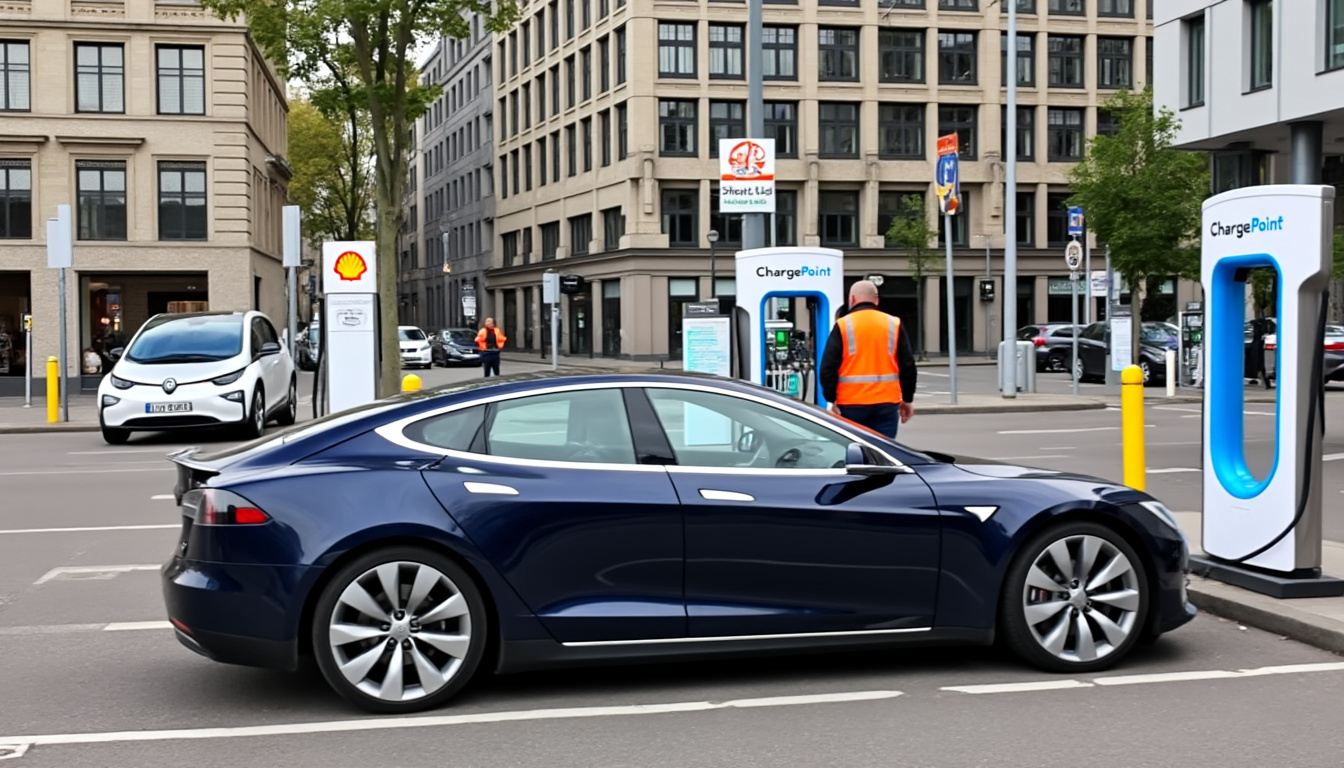
Structural changes in the charging landscape in Belgium do not occur in isolation. Several companies play a crucial role in the development of this infrastructure. Among them are well-known names like Greenway, Allego, Mobicon, Zapp, and ChargePoint.
These companies not only bring innovative technologies but also support the establishment of standards to ensure interoperability between different charging systems. The common goal is to create an environment conducive to the emergence of a robust electric ecosystem, maximizing efficiency and user satisfaction.
The ongoing initiatives to promote sustainable charging
Initiatives in Belgium to encourage the charging of electric vehicles are increasing. We are witnessing collaborations between public and private actors to develop innovative solutions. For example, pilot projects are underway to test wireless charging technologies, which could offer even more practical alternatives to traditional charging.
Awareness programs are also being implemented to inform citizens about the benefits of sustainable electric mobility and the available charging options. These efforts aim to break down preconceived notions and encourage a change of mindset towards the use of electric vehicles.
- Pilot projects: Wireless charging technologies.
- Collaboration: Public-private partnerships.
- Information: Awareness campaigns.
Vision for the future of electric charging
Through the efforts of various stakeholders and technological innovation, the future of electric charging in Belgium looks promising. The implementation of fast charging stations, combined with initiatives to promote sustainability and interoperability, could redefine the mobility landscape. Indeed, in the long term, widespread use of electric charging could significantly contribute to a reduction in greenhouse gas emissions in Belgium.
| 2025 Objectives | Details |
|---|---|
| Increase the number of stations | 1000 charging stations in total |
| Promote sustainable charging | 50% reduction in greenhouse gas emissions |
| Make fast charging accessible | Increase to 100 ultra-fast stations |
The economic and environmental implications of the electric charging network
The creation of a strong infrastructure for charging electric cars has not only technological implications but also impact on the economy and the environment. Capitalizing on clean technologies for charging not only reduces operating costs but also generates employment opportunities in the emerging electric mobility sector.
Governments and companies investing in this infrastructure are committed to promoting sustainable mobility. By 2025, the trend of electric vehicles is strengthening, and along with it, the imperative to develop a high-quality network that facilitates access to clean and sustainable technology.
- Economic benefits: Job creation in the charging sector.
- Environmental impact: Decrease in CO2 emissions.
- Local infrastructures: Improvement of the local economy through charging stations.
The importance of citizen involvement
For the electric charging network to be fully effective, it is essential to involve citizens in this transition. Awareness and ownership of these new technologies can contribute to sustainable behavioral changes.
Initiatives such as public consultations or discussion forums could allow citizens to actively participate in improving infrastructure and implementing charging services. By encouraging them to share their concerns, companies and authorities can adapt solutions to the real needs of users.
| Citizen involvement measures | Actions |
|---|---|
| Discussion forums. | Awareness and experience sharing. |
| Public consultations. | Gathering user expectations. |
| Local partnerships. | Collaboration with local businesses. |
By bringing together all stakeholders, from consumers to entrepreneurs, along with institutions, the future of electric car charging in Belgium will be determined by a collective approach. Through technological innovations and a shared will, electric mobility will not only become a reality but will also be the pillar of a sustainable society.
Si vous souhaitez lire d'autres articles tels que a major breakthrough for electric car charging in Belgium, consultez la catégorie Non classé.
-
Vincent Dupont says:
Les nouvelles stations de recharge transformeront vraiment l'expérience des utilisateurs de voitures électriques en Belgique.
Leave a Reply to Vincent Dupont Cancel reply
Articles relatifs