A frustrated driver opens fire on a vehicle that overtakes him



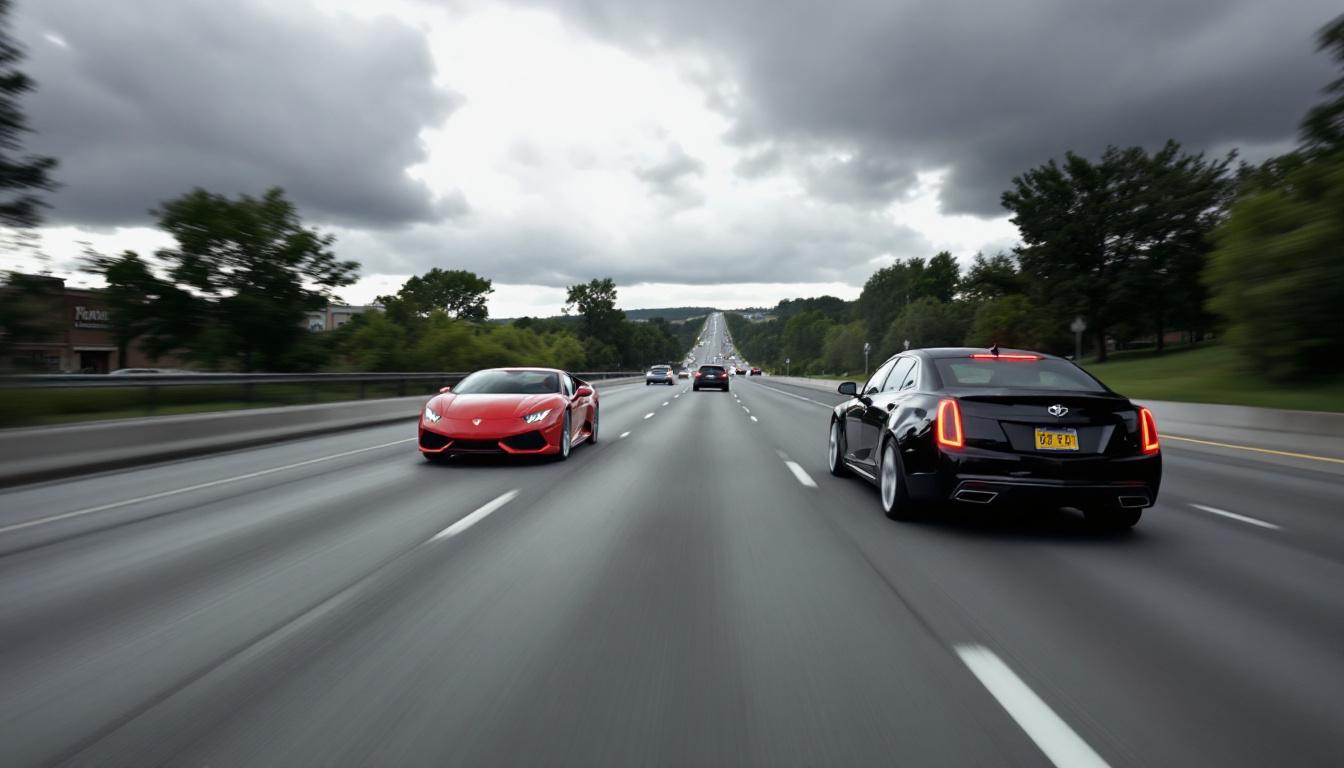
A shocking incident occurred in Brittany, where a driver opened fire on another vehicle after being overtaken. This event highlights the growing tensions on the roads and raises questions about road safety and driver behavior. While it may seem like a mundane situation, the shooter's behavior turned it into a real tragedy. The consequences of frustration behind the wheel are worrying and deserve close examination.
The consequences of stress while driving
Stress and frustration while driving have become daily realities for many motorists. The pressure of daily commutes, traffic jams, and unpredictable behaviors make driving a car sometimes unbearable. The scenario often unfolds: a car, whether it’s an Audi, BMW, or even a Renault, overtakes another, and that's where the problems begin. The case of the driver in Brittany is emblematic of what this pressure can lead to.
What are then the causes of this frustration? It can be linked to several factors:
- Time pressure: Being late can lead to aggressive behavior.
- Inconvenience of other drivers: An overtake deemed unacceptable or dangerous can provoke an exaggerated reaction.
- External factors: Poor weather conditions and road infrastructure can amplify frustration.
In the case of the shooter, he closed the distance after being overtaken to shoot at the vehicle. The following question arises: what drives an apparently ordinary person to lose all control to the point of committing such a serious act? Collected data shows that the tendency toward aggression increases with speed and stress.
| Factor | Example of manifestation |
|---|---|
| Time pressure | Reckless speeding |
| Inconvenience | Shooting at a relative's vehicle |
| Road conditions | Emergency braking |
Surprisingly, this behavior is not isolated. Similar incidents occur regularly in other regions of France, as indicated by articles concerning incidents in Paris or Lyon, where police forces had to fire due to similar behaviors. This raises consideration of the impact of aggression while driving, which seems to be normalizing.
The role of society and infrastructure
Road infrastructures play a key role in preventing such incidents. In Brittany, the roads may lack appropriate safety features, which can amplify stress and frustration. Think of certain routes, such as the Transbigoudène, linking towns like Quimper and Pont-l'Abbé, where a simple traffic queue can lead to aggressive behaviors.
It is essential to consider the impact of infrastructure on road safety. What elements could be reinforced? Surprisingly, simple modifications can thus help reduce tensions:
- Safety banks: Offering increased protection in the event of overtaking or collision.
- Clear signage: Informing drivers about speed limits or potential dangers.
- Surveillance cameras: Allowing for capturing and analyzing incidents to prevent future behaviors.
It is also crucial to raise awareness among motorists about managing anger while driving. Awareness campaigns, like those launched by municipalities, could educate drivers on the consequences of their actions. Creating explanatory videos could be an effective way to illustrate the dangers of aggressive driving.

The legal effects of road violence
Acts of violence, such as those observed in Brittany, not only have immediate consequences for the victims' lives but also on the legal front. The shooter, a 54-year-old man, was arrested and will have to answer for his actions before the law. The situation raises significant questions regarding the sentences and penalties incurred for endangering others.
Here is an overview of the legal consequences associated with acts of road violence:
- Criminal prosecution: Accusation of attempted homicide or assault.
- Financial penalties: Significant fines depending on the severity of the offense.
- Possible compensation: Obligation to pay damages to the victim.
This table summarizes the potential sanctions related to violent acts while driving:
| Act | Penalty |
|---|---|
| Shooting at another vehicle | Prison sentence of 2 to 10 years |
| Endangerment of another's life | Fine up to 150,000 euros |
| Property damage | Restitution of repair costs |
It is clear that the consequences of such acts can be devastating not only for the victims but also for those who commit these acts. This underscores the necessity for every driver to think before acting.

The psychological implications of road frustration
Frustration while driving is not limited to physical incidents. It can also lead to lasting psychological trauma. Being threatened with a gun, even if not fired, can cause intense emotional shock. The children of the family father during the incident were exposed to a traumatic experience that could have long-term effects on their behavior and perception of road safety.
These incidents also hold significance for society as a whole. They raise questions about drivers' mental health and highlight a crucial need for psychological support. According to studies, victims of road violence are often reluctant to drive again afterward. The elements to consider include:
- Psychological trauma: Increased risk of anxiety or driving-related phobia.
- Impact on mental health: May lead to behavioral disorders in children exposed to violence.
- Social stigma: Victims may fear speaking about their experiences.
It is essential to adopt a preventive and educational approach to address these issues. By integrating conflict management training into driving courses, it would be possible to reduce the number of such incidents. Examples from countries that have already implemented specific training show promising results.

The future: how to prevent road violence
Recent incidents suggest that it is imperative to redouble efforts to prevent violence behind the wheel. Whether through awareness campaigns or infrastructure changes, every little step counts. The use of modern technologies, such as smartphone applications, can help monitor and manage frustration while driving. Many companies are working on innovative solutions to improve the overall driving experience.
What could then be the way forward? Here are a few action points:
- Encourage dialogue: Establishing community forums to discuss driving behaviors.
- Develop stress assessment tools: Applications to measure stress levels in real-time.
- Collaboration with authorities: Working together to implement appropriate safety measures on the roads.
Thus, prevention must become a priority for road stakeholders. Innovative initiatives, like those presented in this article, can reduce the frequency of violent behaviors. The safety of all depends on the collective awareness for more responsible behavior on the road.
Si vous souhaitez lire d'autres articles tels que A frustrated driver opens fire on a vehicle that overtakes him, consultez la catégorie News.
-
Jules Vermeil says:
C'est hallucinant ! La route devrait être un espace de paix, pas de violence.
-
C'est affolant de voir à quel point les comportements au volant peuvent devenir violents.
-
Cet incident est vraiment alarmant. La frustration au volant doit être mieux gérée.
-
C'est inquiétant de voir à quel point la frustration au volant peut mener à des actes violents.
-
C'est triste de voir à quel point la route peut devenir dangereuse à cause de la colère.
Leave a Reply to Lysandre Bellavance Cancel reply
Articles relatifs