A European city bets on electric cars to revitalize its real estate market

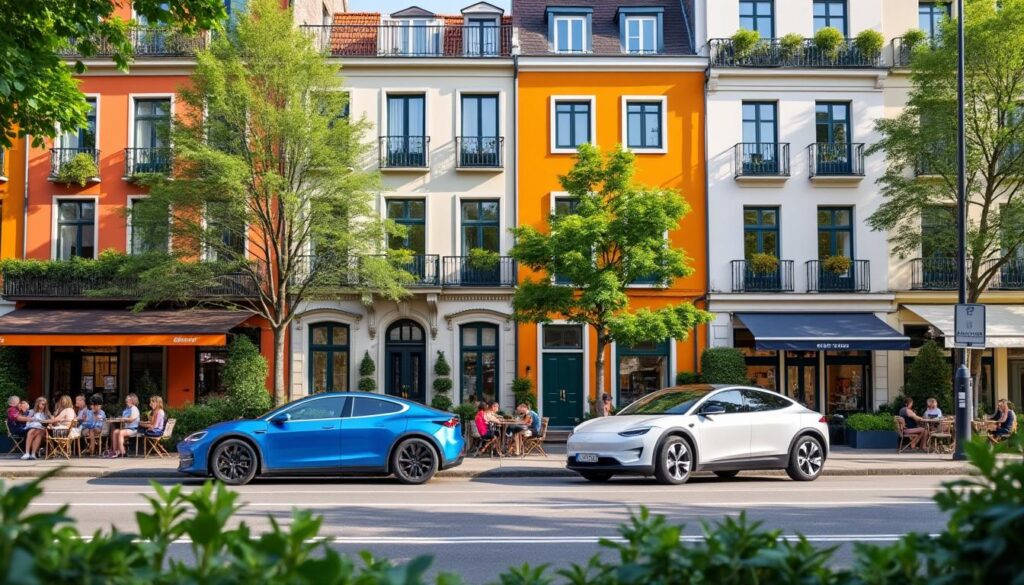

In a context where major European cities are struggling against the saturation of their electrical networks, Amsterdam stands out with a bold solution. By betting on electric cars as a lever for revitalizing its real estate market, it triggers a promising urban innovation. This model could redefine our approach to urban mobility and sustainable development in Europe.
The Challenges of Electrical Infrastructure in Modern Cities
The city of Amsterdam, like other metropolises, faces a dilemma: how to balance the urgent need for housing during a real estate crisis and the expansion of electric vehicle charging infrastructure? The statistics might surprise you: a single charging station requires the energy of four households! 😲
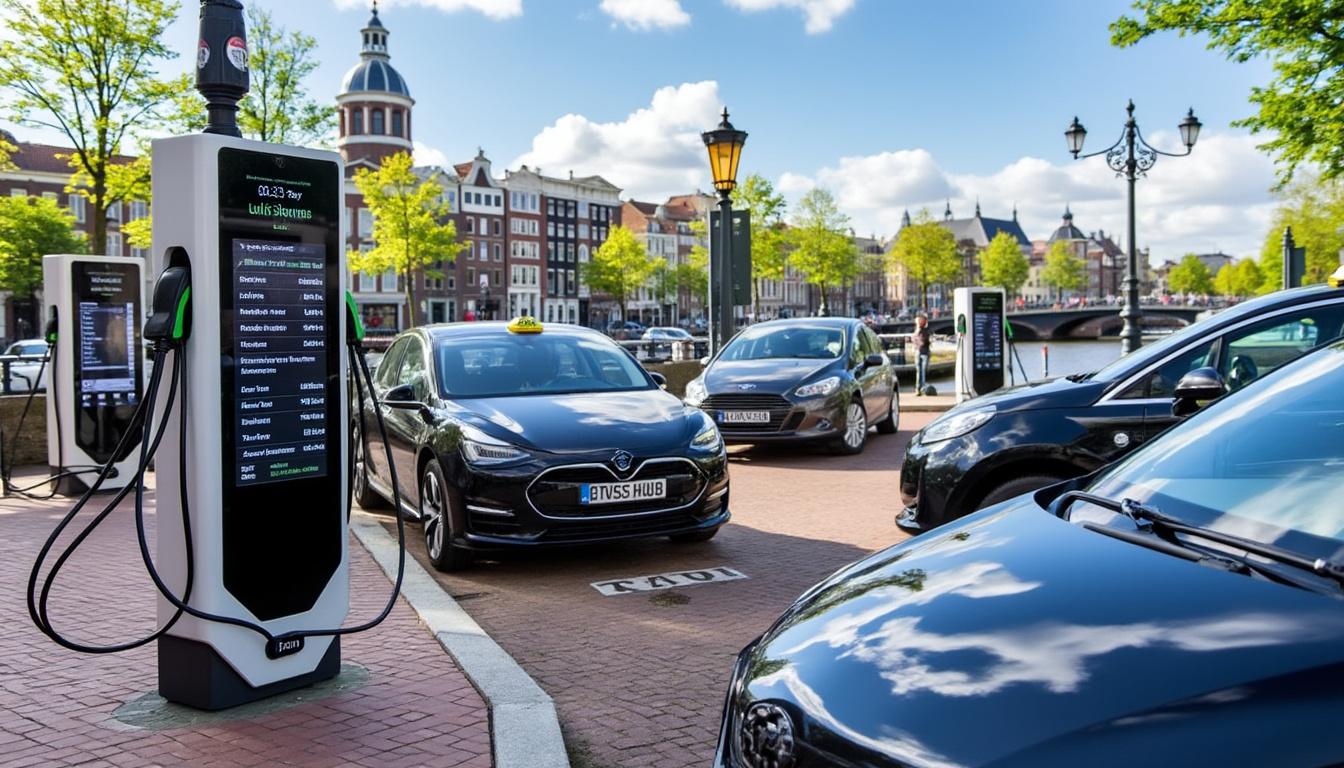
- ⚡ Prioritize sustainable infrastructure to support growth
- 🏗️ Facilitate the construction of housing while integrating charging stations
- 🛠️ Adopt innovative solutions to avoid consumption peaks
A Bold Strategy: Smart Charging
In March 2025, Amsterdam launched a pilot project for a smart charging system. This innovation aims to calibrate energy consumption to diffuse the overload on the grid. Residents can schedule their charging via an app, allowing the city to spread out electrical demand. This process optimizes the network while promoting the use of eco-friendly transportation. 🌍

| Pilot Project Result | Percentage of Consumption Shifted | Algorithm Accuracy |
|---|---|---|
| 3000 connected charging points | 60-70% off-peak | 95% |
The Complementarity Between Mobility and Housing
Energy needs and the profitability of real estate projects must now coexist. By encouraging electric vehicle users to shift their charging times, Amsterdam transforms consumers into key players in energy management. This model could resonate with other major cities, such as Paris or Lyon, which also face similar challenges. 🏙️
- 🛡️ Transforming drivers into energy partners
- ⬆️ Continuous improvement of infrastructure to support the real estate market
- 📈 Potential expansion to other European countries
An Impact Beyond Borders
The success of Amsterdam could inspire other European metropolises, particularly in France, where the fleet of electric cars is rapidly increasing. By June 2025, this model will be rolled out across the Dutch territory and could soon extend to Germany and the Nordic countries. This approach proves that, in the face of urban network saturation, green energy and urban innovation can synchronize to build a future where mobility and housing thrive together.
| City | Project Status | Expected Adoption Year |
|---|---|---|
| Amsterdam | Active | 2025 |
| Berlin | Preparation | 2026 |
| Copenhagen | Proposal | 2027 |
This innovative approach could soon disrupt how European cities envision their future. By transforming energy challenges into opportunities for innovation, Amsterdam is paving the way for a new vision of the smart city, where sustainable mobility is at the heart of generational projects.
Si vous souhaitez lire d'autres articles tels que A European city bets on electric cars to revitalize its real estate market, consultez la catégorie Non classé.
-
Lyzandre Verdat says:
C'est fascinant de voir comment Amsterdam transforme les défis énergétiques en opportunités pour l'urbanisme durable.
-
C'est une idée innovante qui pourrait vraiment changer la donne pour les villes en Europe.
-
C'est vraiment une excellente idée pour améliorer à la fois la mobilité et l'immobilier à Amsterdam !
Leave a Reply to Solal Verlon Cancel reply
Articles relatifs