A drop in prices announced: a good sign for the charging of electric cars in Europe

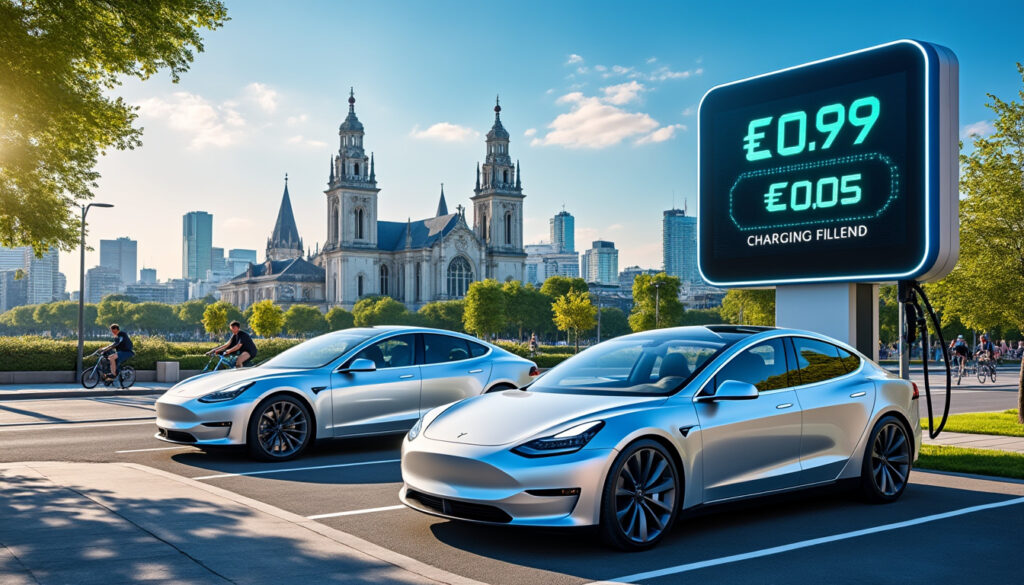

The dynamics of the automotive market are undergoing a significant transformation, particularly evident in the electric car sector in Europe. Constant increases in sales, combined with falling electricity prices and battery costs, offer encouraging prospects for potential drivers. This phenomenon is particularly noticeable in Germany, where the number of charging stations far exceeds that of electric cars on the roads. A situation that poses both opportunities and real problems regarding the profitability of the charging infrastructure.
An expanding electric vehicle fleet
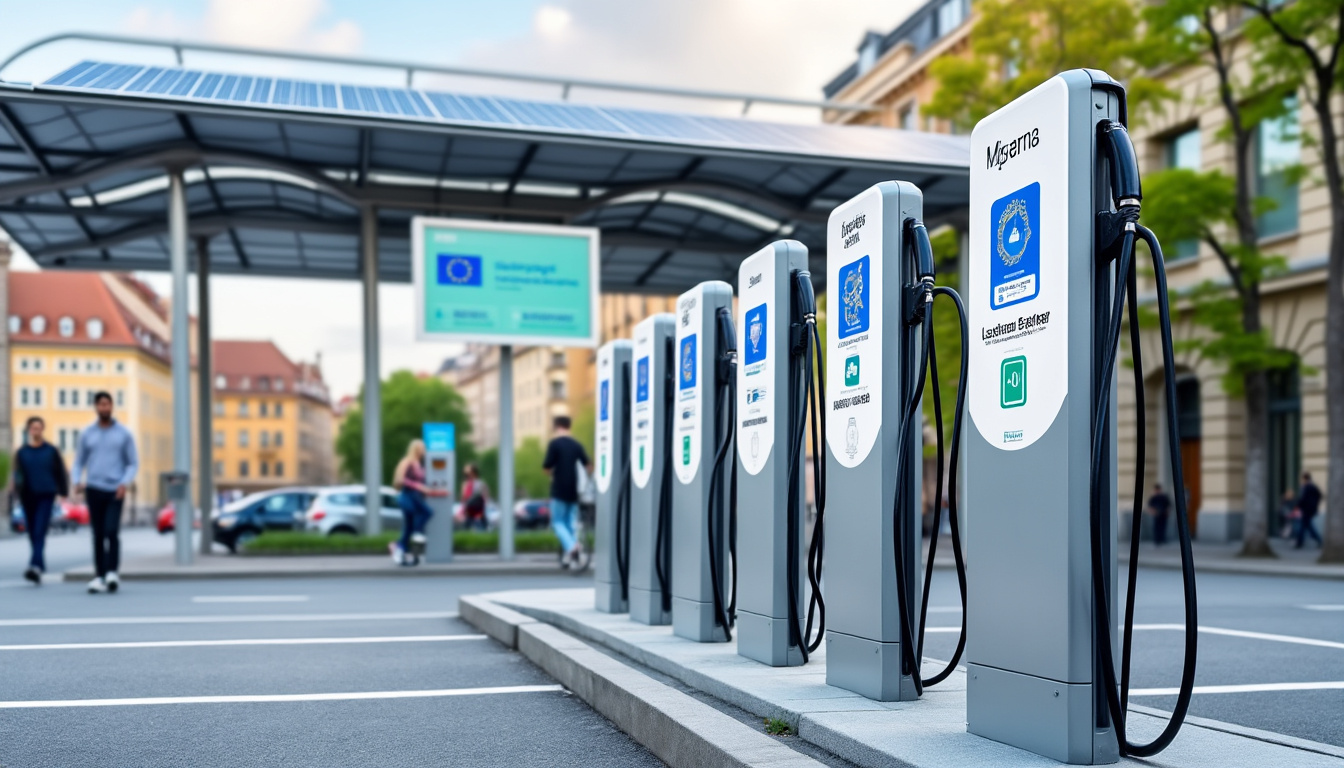
In 2025, the European automotive landscape is in full transformation. The demand for electric cars is skyrocketing, with brands like Renault, Peugeot, Nissan, and Tesla at the forefront of this revolution. The development of adequate charging infrastructure proves crucial in this dynamic. In France, for example, there are currently over 163,000 charging stations available.
An exponentially growing infrastructure
This figure is even more impressive when compared to those of neighboring countries. In Germany, there are about 160,800 charging stations available to users. However, this increase in stations could create profitability and usage issues. A recent study highlighted that many charging points are not being utilized sufficiently.
- Over 25% of fast chargers show a ridiculously low utilization rate, hovering around 1 to 5%.
- For slow chargers, about 20% are not used at all.
- On average, only 6 to 7% of ultra-fast chargers are utilized.
The paradox here is that, although the infrastructure is in place to support the transition to less polluting vehicles, its usage remains deficient. The reasons? An overabundance of supply in some urban areas, combined with a low concentration of electric vehicles in other areas, notably rural ones.
| Type of charger | Usage percentage | Comments |
|---|---|---|
| Fast chargers | 1 to 5 % | Overused in urban areas, deserted elsewhere. |
| Slow chargers | 20 % | Low traffic, often neglected. |
| Ultra-fast charger | 6 to 7 % | Urgent need for service improvements. |
The effects on charging costs
In such a context, charging station operators are facing increasing difficulties. Maintaining a charging station is expensive, but demand is concentrated. This situation could lead to a reduction of unprofitable stations, further accentuating disparities between areas. Thus, it is essential to invent innovative methods to encourage their utilization, as proposed by some sector experts.
The adoption of variable rates based on usage could be a pragmatic solution. This approach, already tested by the brand Tesla, could encourage drivers to opt for less frequented chargers, thus balancing the market.
Drop in electric car prices: An opportunity to seize
The economic prospects regarding electric cars are also appealing. In 2024, discounts on these vehicles exceeded 7%. A trend that is expected to strengthen, especially with the implementation of new regulations from the European Union, requiring automakers to offer more electric vehicles. Volkswagen, BMW, Fiat, and other brands must thus adapt their offers to comply with environmental standards.
A favorable context for purchasing an electric vehicle
This significant price drop serves as a strong trigger for hesitant consumers. Statistics show that interest in electric vehicles is sharply increasing, contributing to the development of a more environmentally friendly car culture.
- Electric cars are now accessible to a larger number of consumers.
- New production technologies make manufacturing more economical.
- Discounts in the second-hand market are rising, making these vehicles even more competitive.
| Brand | Discount in % (2024) | Flagship model |
|---|---|---|
| Renault | 8 % | Renault Zoe |
| Tesla | 10 % | Tesla Model 3 |
| Volkswagen | 7 % | ID.4 |
Cost variations based on battery technologies
The cost of batteries, particularly LFP batteries, has seen a significant decrease. This means it is now more affordable for companies to produce electric vehicles that can compete with thermal models. This drop is expected to be even more significant in the coming years, with battery prices predicted to reach $53 per kWh by the end of 2024. A development that seems to be a positive forecast for the entire sector.

Underutilized charging stations: Consequences for the market
At the heart of this transformation lies a somewhat dysfunctional charging market. While a high concentration of users and cars is expected, the reality is quite the opposite, with heavy consequences for operators like Audi or Citroën. These brands must juggle unrealistic expectations in the face of still low volumes.
The hidden costs of inactive charging stations
This situation raises questions about the profitability of charging stations, as each charging point costs several thousand euros to install and maintain. The ethical question arises: should we continue to implement chargers when a large part will never be used? The challenge for operators is clear: find a solution to make these installations profitable while maintaining accessibility for all.
- Consolidation of charging stations in strategic areas.
- Offering preferential rates to encourage usage.
- Investing in technologies to optimize existing charging stations.
| Problem | Impact on the market | Potential solutions |
|---|---|---|
| Low utilization rates of charging stations | Loss of revenue for operators | Dynamic pricing |
| Redundant infrastructures | High maintenance costs | Reconsolidation of stations |
| Lack of electric vehicles in certain areas | Inaccessibility | Incentives to purchase electric vehicles |
The implications of charging stations on consumption
It is therefore essential to ask how the surplus of infrastructure influences the overall consumption of electric vehicles. Users are slow to change their habits and may feel discouraged by the notion of too much choice and variability. Empathy must therefore be developed to understand these behaviors and guide the marketing efforts of brands.
Market trends: towards the democratization of electric vehicles
With intensive production and a series of incentives to make purchasing an electric vehicle more attractive, the challenge for brands like Dacia or Volkswagen is to increase their market share in a promising sector. Long-term visions are clear: in a few years, these cars are expected to represent only a small part of the market, as prices become more competitive.

Sales projection in the coming years
Sales forecasts for electric vehicles are looking very promising. Brands will need to adapt to consumption trends, leveraging online platforms to reach a broader audience. In 2025, electric vehicle sales are expected to include:
- An increase in the sedan segment with models from BMW and Audi.
- Increased demand for electric SUVs, offering a mix of comfort and robustness.
- Collective offers and initiatives to encourage purchases, such as government aids.
| Year | Percentage of electric vehicle sales | Market evaluation |
|---|---|---|
| 2023 | 12 % | Growing market |
| 2024 | 18 % | Rising investments |
| 2025 | 25 % (forecast) | Expected explosion in sales |
To access this new wave of potential customers, companies must focus not only on the quality of their products but also on how they present them. The effectiveness of their marketing strategies will determine the immediate future of this industry.
Si vous souhaitez lire d'autres articles tels que A drop in prices announced: a good sign for the charging of electric cars in Europe, consultez la catégorie Non classé.
-
Elowen Draskovic says:
C'est vraiment intéressant de voir comment le marché des voitures électriques évolue en Europe !
-
Les prix des voitures électriques baissent, c'est une bonne nouvelle pour l'environnement et les conducteurs.
-
C'est intéressant de voir comment les stations de recharge évoluent pour s'adapter à la demande croissante.
-
C'est impressionnant de voir l'évolution rapide des voitures électriques en Europe. Ça va vraiment changer le marché !
-
C'est fascinant de voir comment les voitures électriques évoluent si rapidement en Europe !
Leave a Reply to Elowen Draskovic Cancel reply
Articles relatifs