A classic car museum in France devastated by a devastating fire

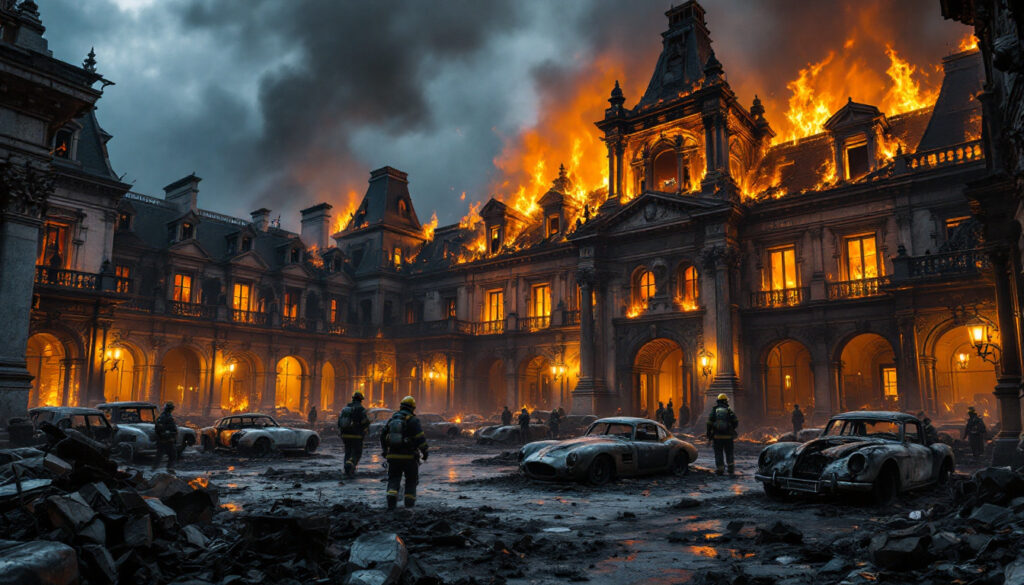

On the night of April 24, a tragic incident occurred in an old automotive garage in Juvigny-Val-d'Andaine, Normandy. A devastating fire destroyed not only physical structures but also a precious part of France's automotive history. The flames engulfed an invaluable treasure: a dozen meticulously preserved classic cars, along with a 19-ton truck. This tragedy reminds us of how fragile automotive memory is and how each vehicle contains a unique story. How can a simple spark reduce so many memories to ashes?
Repercussions of a fire on automotive memory
For car enthusiasts, each vehicle has its own story and past. Classic cars are not just machines; they represent an era, a culture, and often, the passion of their owner. The fire in Juvigny-Val-d'Andaine is part of a series of tragic events that have seen many car museums, in France and elsewhere, reduced to ashes by fire.
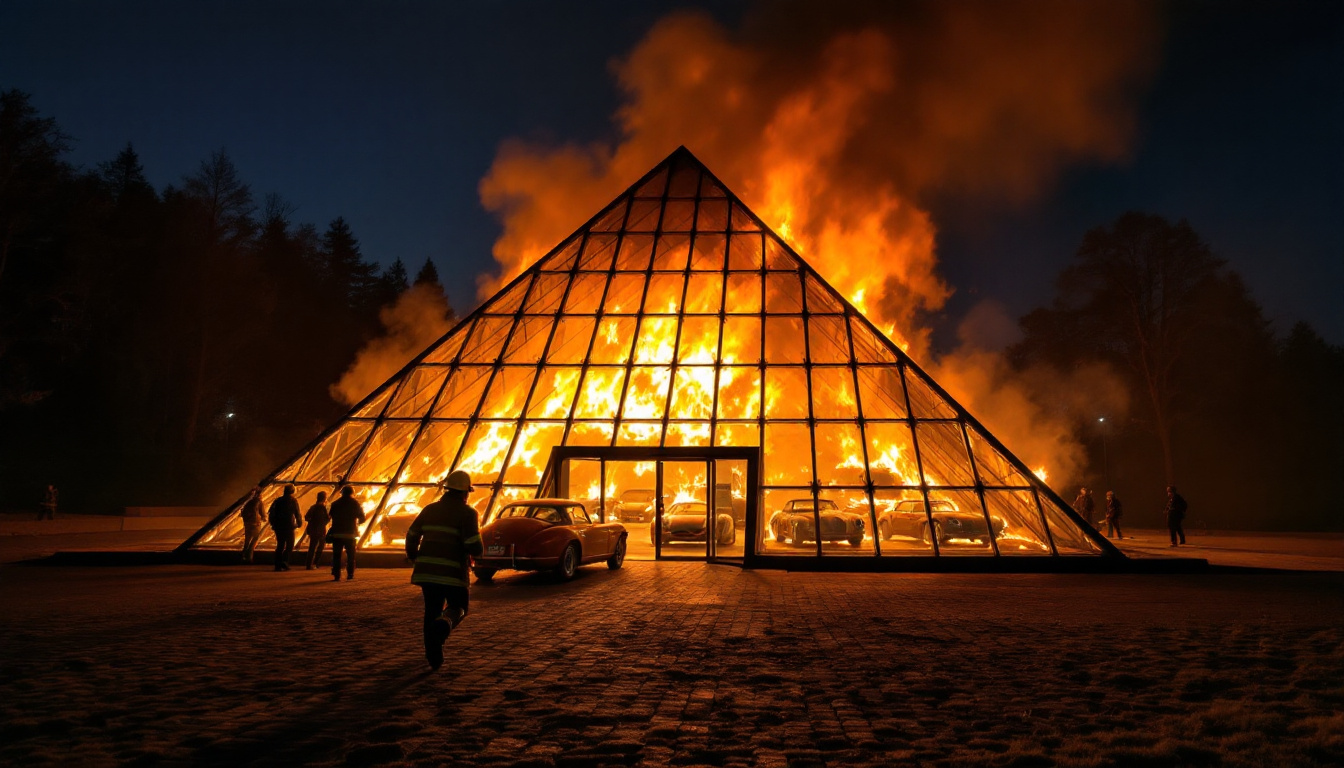
The ravaged cars included iconic models from brands such as Renault, Peugeot and luxury models like Ferrari and Aston Martin. Their destruction is not merely a financial loss but also an affront to automotive heritage. These vehicles, often inherited from previous generations, are steeped in family stories, travels, and unforgettable experiences.
In this fire, they did not leave alone. With them, a whole part of French automotive culture has vanished. Memories engraved in the minds of enthusiasts, generations of collectors who dedicated their lives to preserving these pieces of technological art. Museums and garages dedicated to classic cars often form part of a country's cultural wealth. The loss of these treasures serves as a reminder that behind every hood and every engine lies a unique legacy that deserves to be preserved.
Statistics on the destruction of cultural objects
It is essential to be aware of the scale of the phenomenon represented by fires in museums and other conservation sites.
| Year | Notable event | Type of object | Location |
|---|---|---|---|
| 2025 | Juvigny Garage Fire | Classic cars | Orne, France |
| 2018 | National Museum of Rio | Historical objects | Brazil |
| 2020 | Château de Lunéville | Historical monuments | Meurthe-et-Moselle, France |
| 2019 | Toulouse Hangar Fire | Classic cars | Toulouse, France |
This table demonstrates that security failures, lack of maintenance, or a simple accident can quickly ruin decades of passion for cars. The memory of flamboyant vehicles, such as Bugatti, Porsche, and Mercedes-Benz, is often poorly protected.
How then can we strengthen this collective awareness to preserve our automotive heritage? By engaging in community discussions, supporting local initiatives that promote conservation, or participating in awareness-raising projects. Every gesture counts; even a simple conversation can have a significant impact. The automotive past must not be forgotten.

Awareness and fire prevention
In the context of the Juvigny fire, there is no doubt that measures must be put in place to prevent such losses in the future. Establishing safety and emergency protocols is essential to limit the risks of fire in buildings housing valuable objects.
Car museums and collective garages must rethink their conservation strategies. Here are some recommendations:
- Implement advanced fire detection systems.
- Enhance staff training on emergency management.
- Establish partnerships with local firefighters for rapid intervention protocols.
- Conduct regular inspections to identify potential risks.
- Use non-flammable materials in the construction of new storage spaces.
Classic cars must also be properly maintained to reduce accident risks. This includes regular checks of electrical systems, fuel installations, and safe storage practices.
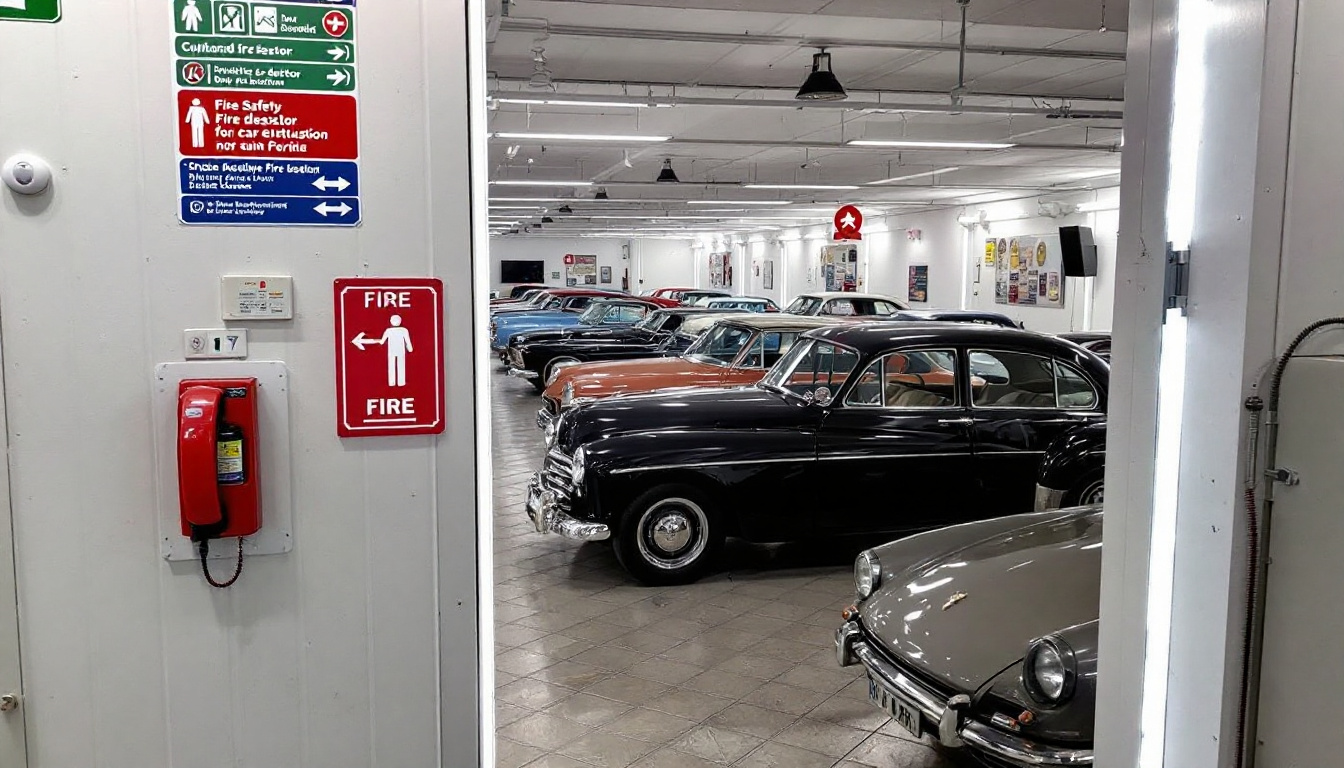
The cost of these preventive measures is minimal compared to the historical and emotional value of classic cars. The benefits lie in safeguarding automotive heritage for future generations. Providing yet another space where these cars can drive and be admired is a collective responsibility.
A local initiative in Brittany reminds us that it is possible to form a network of enthusiasts to establish safety protocols. Together, they could share experiences and best practices. This could take the form of monthly meetings where each member shares their knowledge. Learning from others' mistakes is a way to strengthen the community.
Reaction of enthusiasts and the auto community
In the aftermath of the fire in Juvigny, a wave of outrage and sadness has touched the automotive community. On enthusiast forums, messages of support are appearing at a frantic pace. Many have wanted to share their experiences of loss of a cherished object, or simply express their sadness at this catastrophe.
Enthusiasts know that these vehicles are more than just objects. They are silhouettes carrying memories, adrenaline thrills, and tales of traveled roads. This is what unites this community, forming an unbreakable bond. Each car tells a unique story, from the bygone eras of Citroën to the modern masterpieces of Lamborghini.
| Brand | Model | Year | Owner |
|---|---|---|---|
| Renault | 4CV | 1950 | Jean Dupont |
| Peugeot | 404 | 1965 | Marie Leblanc |
| Bugatti | Type 35 | 1924 | Michel Fournier |
| Aston Martin | DB5 | 1963 | Lucie Martin |
These stories are often filled with passion and emotion, and the loss of a unique piece brings a wave of solidarity. It is a time for the community to come together, to support the survivors of this tragedy. Gatherings around classic cars provide a space to share testimonies, memories, and hope.
In this regard, fundraising events are being prepared. These initiatives will not only serve to support the victims of the fire but also promote the reinstatement of these classic cars. This shows that together, it is possible to face adversity, unite forces, and revive this automotive memory.

Future Challenges: Preservation and Data Digitization
In the digital age, it is crucial to integrate new technologies into the preservation of collections. With digitization, each vehicle can be listed in an accessible database, preserving its history and technical specifics. This represents an integral part of the preservation strategy that museums and collectors should adopt.
By digitizing information, it is possible to create a network of automotive memory. With technologies such as augmented reality and digital archives, it would be possible to make these stories accessible to future generations, even in the event of physical destruction of the object.
- Creation of digital databases.
- Use of augmented reality to visualize historical vehicles.
- Development of dedicated virtual reality applications.
- Partnerships with universities to integrate historical research.
- Organization of contests to encourage enthusiasts to contribute.
These initiatives could not only spark interest in automotive history but also foster a new generation of enthusiasts, thus engaging in intergenerational dialogue. Technology can transform our way of living and sharing our passion for cars.
The road ahead is still long, but the transition to the digital age could offer new hope for the preservation of automotive history. By implementing these practices, it is possible to convert this tragedy into an opportunity to galvanize conservation efforts.
Si vous souhaitez lire d'autres articles tels que A classic car museum in France devastated by a devastating fire, consultez la catégorie News.
-
Célestin Marmont says:
C'est vraiment dévastateur de perdre une partie de notre histoire automobile à cause d'un incendie.
-
C'est vraiment tragique de perdre une partie de notre histoire automobile si précieuse.
-
C'est vraiment triste de voir tant d'histoire perdue à cause d'un incendie.
-
C'est dévastateur de voir tant d'histoire détruite par un simple feu. Il faut agir pour préserver notre patrimoine automobile.
-
C'est vraiment triste de perdre une partie de notre histoire automobile comme ça.
Leave a Reply to Léandre Célestin Cancel reply
Articles relatifs