The reasons that drive electric car owners to abandon home charging

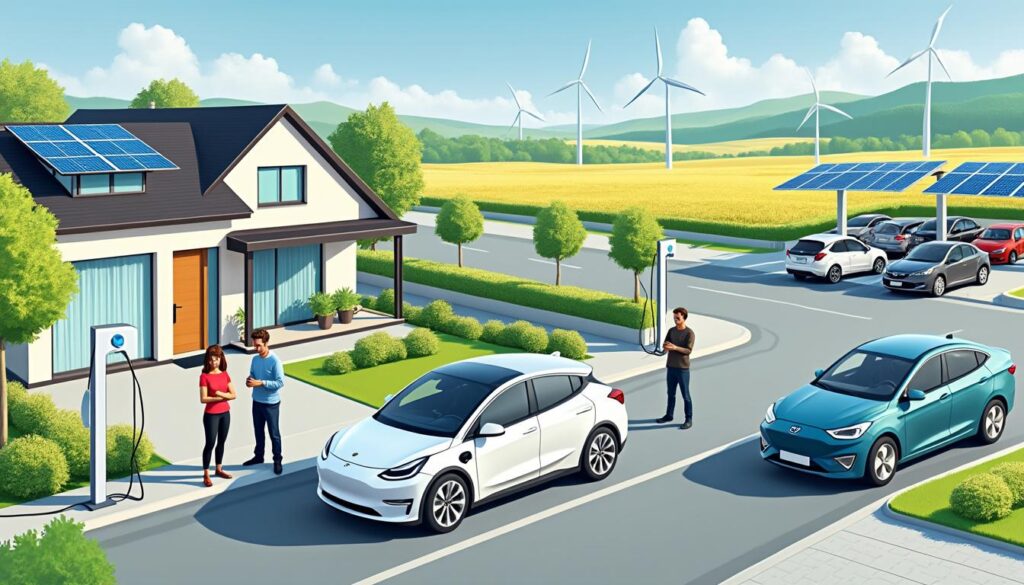

The transition to electric cars has been rapid, but a surprising phenomenon is beginning to emerge: more and more owners are choosing not to charge their vehicle at home. What is the cause? The reasons are multiple, ranging from infrastructure issues to economic concerns. In this article, we will explore the elements that influence this change in behavior among electric car drivers.
The challenges of installing a home charging station
One of the primary obstacles to home charging for electric cars is undoubtedly the installation of a charging station. While this may seem straightforward for homeowners, the situation quickly becomes complicated for those living in condominiums. Access to a charging station often requires heavy administrative processes, sometimes lengthy, and a consensus among co-owners.
Olivier Hamard, managing director of Zeplug, points out that “the installation of a charging station generally requires a lead time of 4 to 8 weeks if a collective infrastructure is already in place.” Even though the installation remains free for the property management, owners must first obtain agreement during the general assembly. This necessity to go through collective decisions complicates the process. Thus, many discouraged drivers choose to abandon the idea of home charging.
Apartment owners may also face other difficulties. Among them are the lack of an adequate electrical network, variable installation costs, and lack of space to install stations next to their vehicles. All these factors play a crucial role in the decision to charge their car elsewhere.
The hidden costs of installing a charging station
Any owner considering installing a charging station must also take into account the associated costs. Although subsidies may exist, the installation of a charging station can quickly become expensive. The cost of a station varies depending on its power and the work needed for electrical connection. For vehicles like the Tesla Model 3 or the Renault Zoe, the installation cost can rise to several thousand euros.
- Purchase cost of the station: between 500 and 2,500 euros.
- Installation cost: from 500 to 3,000 euros depending on the infrastructure.
- Energy costs: electricity can be quite high, especially for households during peak hours.
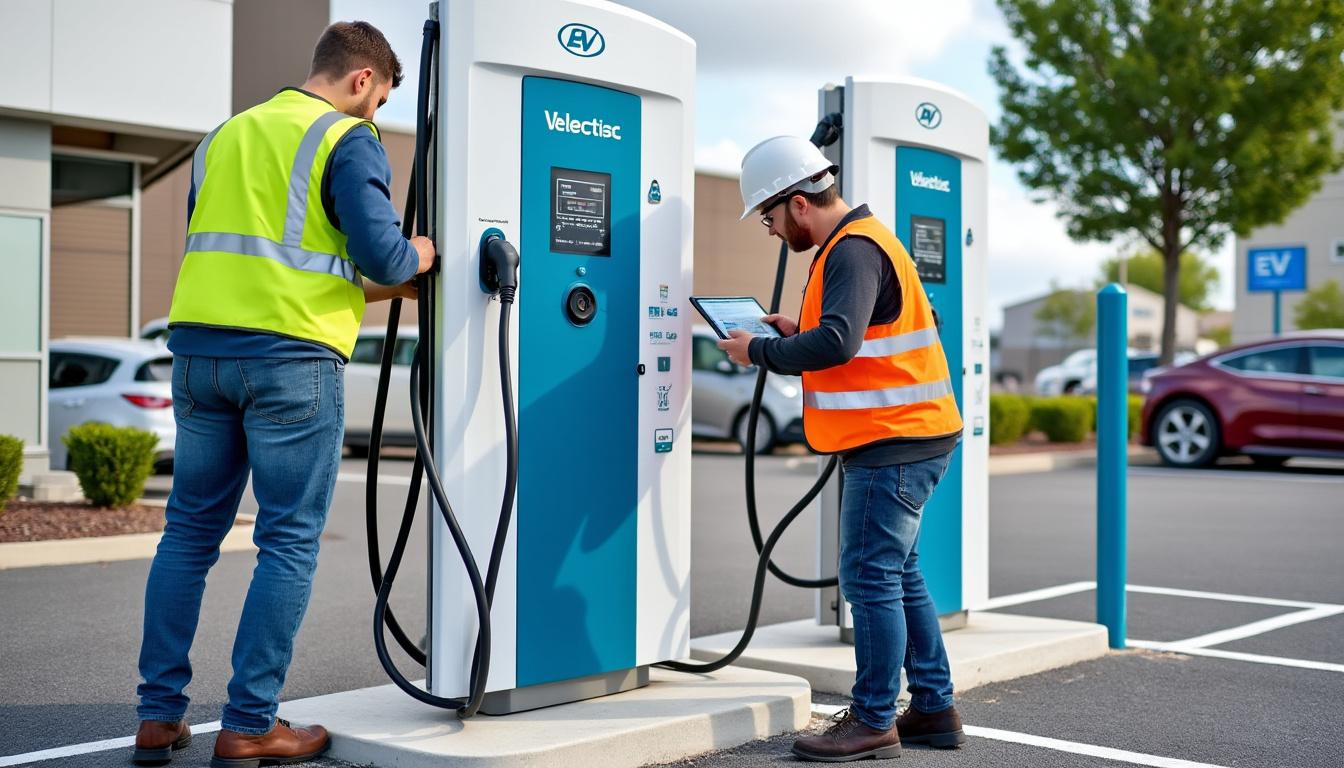
These expenses are all the more concerning when considering the increase in electricity prices, which weighs on household budgets. Many wonder whether it is more economical to charge at home than to use public stations, not to mention the risk of outages or overloads.
The economic impact of home charging
The fluctuations in electricity rates encourage drivers to think carefully about home charging. By 2025, it is estimated that the cost of electricity could increase significantly. This fear of high charging costs could drive many users to public charging stations.
Indeed, several studies show that the perception of potential savings from home charging is undermined by rising prices. A recent Deloitte survey reveals that 63% of electric car owners still prefer home charging, but there has been a concerning drop of 8% compared to the previous year. This change in mentality can quickly transform behaviors.
Alternatives to home charging
In light of economic and technical concerns, many owners are turning to public charging stations. These installations, available in parking lots, shopping centers, or near workplaces, offer a practical alternative to home charging.
- Accessibility: More and more cities are developing a network of charging stations.
- Charging time: Fast stations allow for quick battery charging.
- Flexibility: Charging on-site allows drivers to manage their schedule more effectively.

Despite this, the cost per kWh at these stations can be high, often depending on location and charging speed. Depending on agreements with different providers, comparing costs between home electricity and public service can be complex, but many users find it remains more convenient, especially during long trips.
The environmental implications of charging
An often overlooked aspect in the debate regarding home charging for electric cars concerns the environmental impact. Many electric vehicle owners are motivated by ecological concerns, but how their vehicle is charged can influence their carbon footprint. The source of electricity plays a critical role here.
If the electricity comes from renewable sources, home charging can be very positive for the environment. However, if most of the energy comes from fossil fuels, the ecological impact can prove counterproductive. Car manufacturers such as Audi and Hyundai are developing analytical tools to better inform users on how to minimize their carbon footprint.
Renewable energies: an effective solution
Utilizing renewable energies is an excellent initiative to optimize the charging of electric vehicles. By 2025, more options are emerging for owners wishing to use ecological methods: installation of solar panels or purchase of green electricity. These options allow electric vehicle owners to charge their vehicle sustainably.
- Purchase of green electricity: support renewable energy producers.
- Installation of solar panels: make the investment profitable in the long term.
- Partnerships: charging companies partner with green actors to offer sustainable solutions.
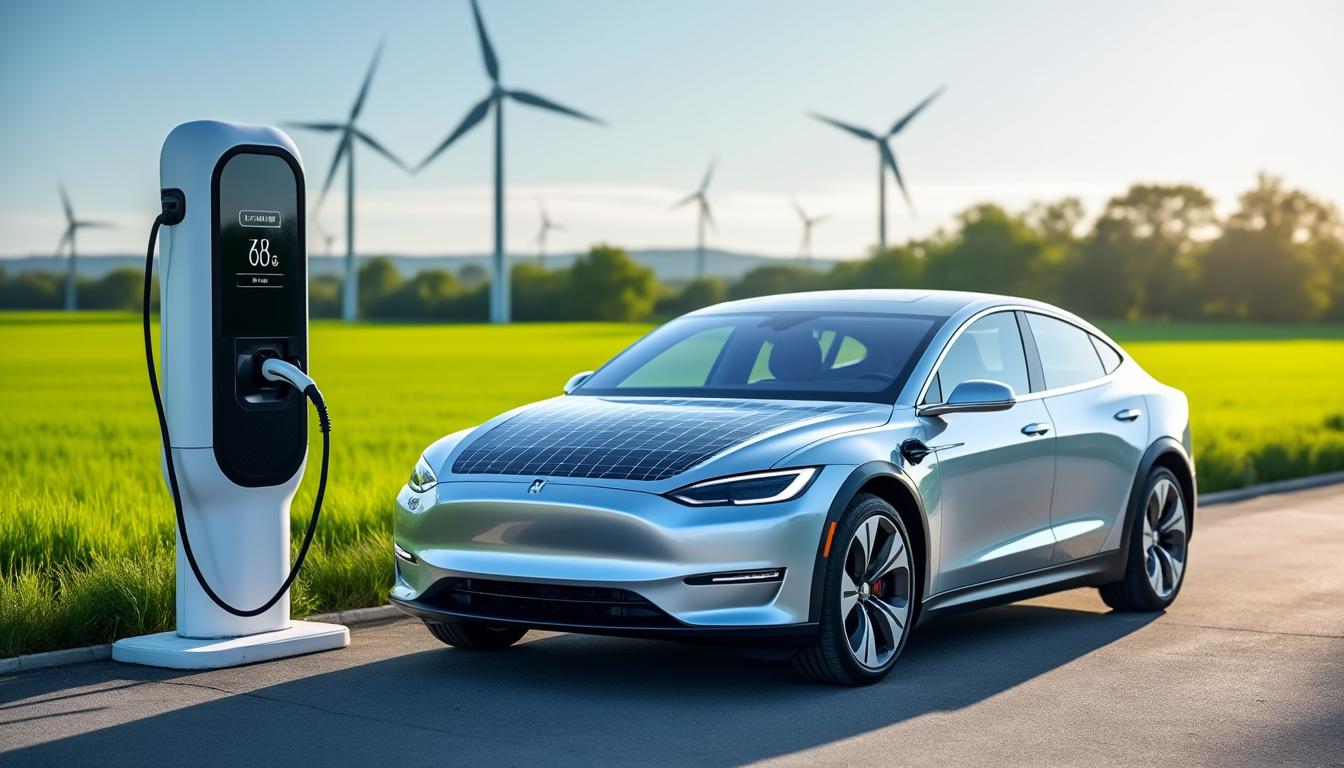
These solutions can significantly improve the economic equation, especially when traditional energy prices are rising. Thus, the transition to sustainable charging methods could rekindle interest in home charging.
The development of charging infrastructure
Another essential reason that drives electric vehicle owners to consider alternatives to home charging lies in the rapid development of charging infrastructure. The creation of public charging stations, the pooling of resources in urban areas, and the integration of smart networks make charging more accessible and attractive.
In recent years, government programs and private initiatives have been put in place to develop a network of charging stations. This ranges from local institutions installing stations in public spaces to companies creating partnerships with local authorities to encourage their use.
Examples of successful initiatives
Several cities, like Paris and Lyon, have quickly integrated charging solutions into their mobility policies. Additionally, attractive offers are emerging for users of public stations. Thus, several manufacturers, such as Ford and Volkswagen, are investing in consultations to improve the public network available.
| City | Initiative | Type of station | Number of stations installed |
|---|---|---|---|
| Paris | Public charging network | Fast | 1,500 |
| Lyon | Partnership with operators | Normal | 800 |
| Bordeaux | Incentive for installation | Fast | 500 |
These developments reflect a growing willingness to improve the accessibility of charging stations, but they also raise questions about economic viability and the long-term impact on user choices. Therefore, electric vehicle owners must evaluate these options in a broader context.

Psychological and sociological factors
Finally, an often underestimated aspect is the psychological element that influences charging behaviors. Managing charging sometimes raises questions about the comfort and safety of users. The anxiety of running out of energy, known as "range anxiety," remains an issue, especially during transitional periods when infrastructures are not yet fully developed.
This anxiety leads some owners to prefer public charging due to the visibility of the space, ease of access, and greater psychological comfort. Indeed, knowing that others are also charging nearby can alleviate the fears associated with charging at home. This dynamic particularly favors brands that have invested in a reliable image, such as BMW or Kia.
New trends in collaborative charging
Initiatives for shared charging are also beginning to surface, giving a community dimension to the process. Indeed, some applications allow neighbors to offer their charging stations. This type of solution could encourage a shift towards a user-driven approach to charging.
- Mobile applications to share charging locations.
- Cooperation between neighbors for station installation.
- Communities encouraging resource sharing among residents.
Faced with the challenges represented by charging methods, it is imperative to develop solutions that address the concerns of electric vehicle users. Owners of Tesla, Renault, Nissan, BMW, Hyundai, Peugeot, Volkswagen, Kia, and Audi will observe how normal charging integrates into the automotive landscape of tomorrow.
Si vous souhaitez lire d'autres articles tels que The reasons that drive electric car owners to abandon home charging, consultez la catégorie Non classé.
Leave a Reply
Articles relatifs