Exceptional sales of electric cars in China: industrial reality or illusion of figures?

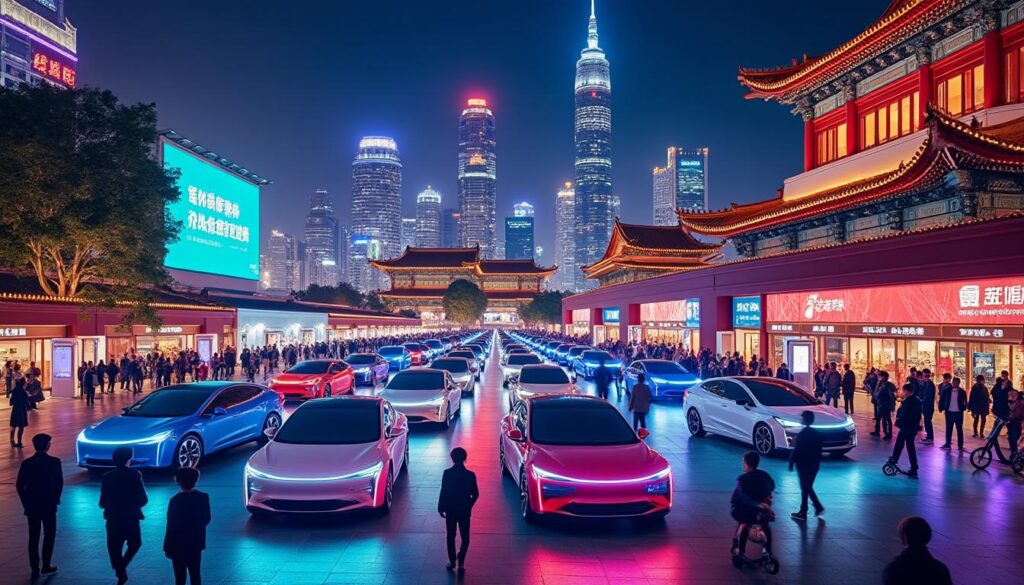

The revolution of electric vehicles (EVs) has intensified in China, redefining the global automotive industry. As the country celebrates impressive sales records, doubts arise regarding the integrity of these figures. The results from May 2025, in which more than one million electric cars were sold, raise questions about the artificial nature of some of these sales. Is this a genuine technological advance or just a mirage? The stakes are high, ranging from consumer trust to the very future of the Chinese automotive industry.
The astonishing figures of the electric vehicle industry in China
The Chinese electric vehicle market is booming. In May 2025, over 1 million electric cars were sold, accounting for more than half of the global sales of eco-friendly vehicles. This stunning performance undeniably positions China as the global leader in this sector. Key players in this dynamic include giants like BYD, Tesla, NIO, and Xpeng, who compete in a constantly evolving market.
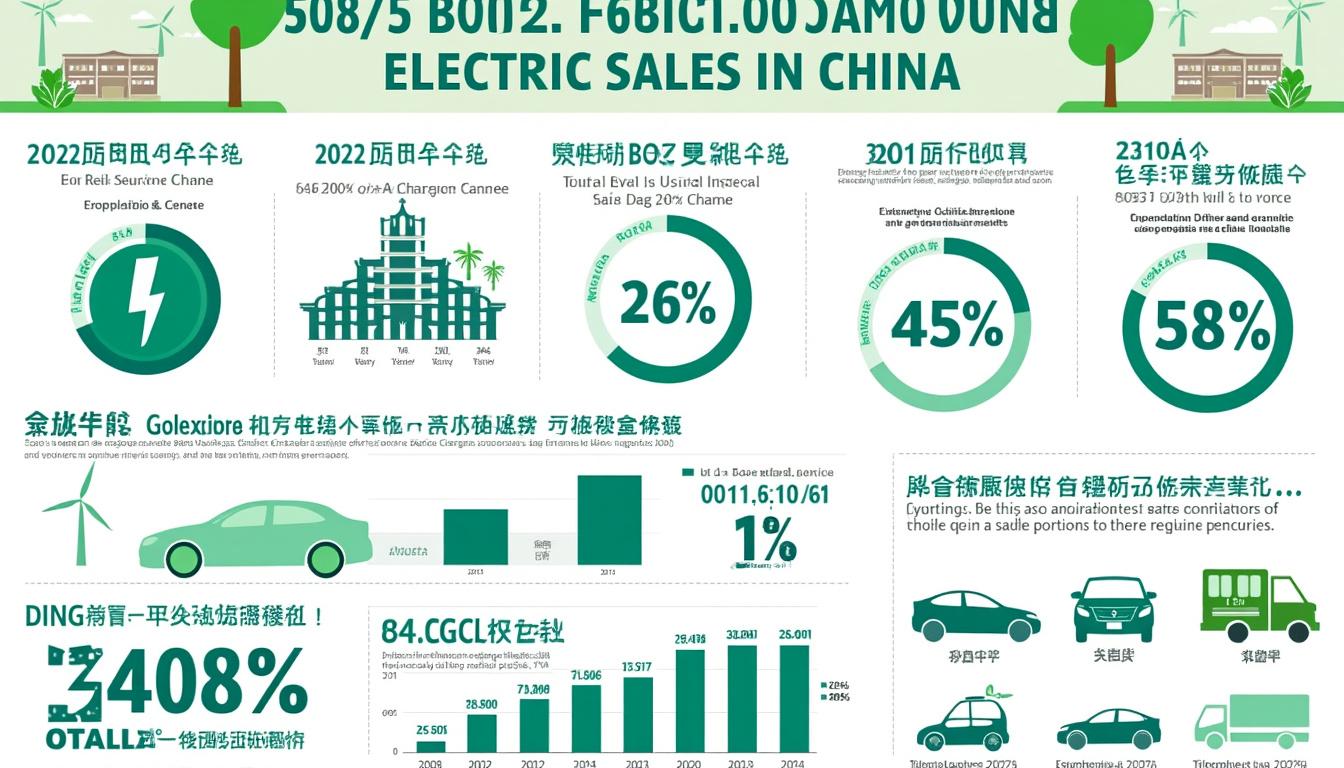
The key players in the Chinese market
Chinese brands such as SAIC, Geely, Changan, and Great Wall Motors also play a major role in the rise of the electric vehicle market. Each of them adopts various strategies to stimulate demand:
- SAIC relies on a wide portfolio of vehicles, ranging from sedans to electric SUVs.
- Geely, with its constant innovations, focuses on technologically accessible models.
- Changan has introduced competitively priced vehicles, making electric cars more accessible to the majority.
- Great Wall Motors, on the other hand, specializes in SUVs, catering to the growing popularity of this segment.
The race for technological innovation
One of the main goals of the Chinese automotive industry is to gain a technological edge over its Western competitors. BYD, for example, has recently made significant progress in developing long-range batteries, establishing its name in the history of innovations, even in the face of benchmarks like Tesla. With initiatives such as collaboration with research centers and universities, these companies seek to strengthen their position
| Brand | Model | Range |
|---|---|---|
| BYD | Sealion 7 | 750 km |
| Tesla | Model 3 | 580 km |
| NIO | ES6 | 610 km |
| Xpeng | P7 | 700 km |
However, these impressive figures raise questions about their accuracy. The tendency to overestimate sales to meet ambitious production goals is increasingly criticized, creating complexity in the real assessment of market health.
Controversial business practices in China
With the explosion of sales, the industry faces allegations of “tactical sales,” where quickly registered vehicles are resold as used cars, thus inflating the observed figures. This has raised concerns, including from the Chinese government, which is calling for greater transparency. Indeed, an article from the People's Daily stated that these maneuvers can distort market perception.
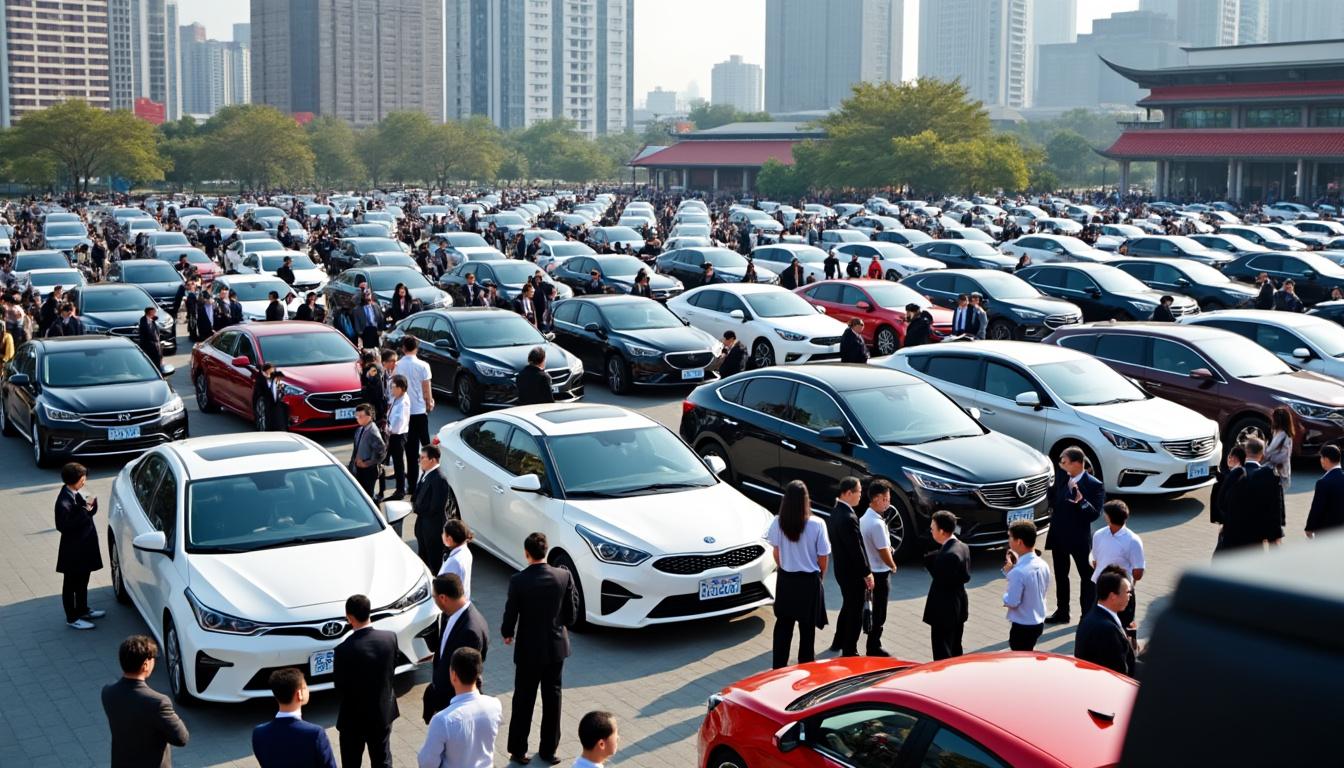
The motivations behind these practices
The motivations for resorting to these methods are multiple:
- Inventory clearance: Manufacturers want to quickly sell their models, especially during launch periods.
- Demand simulation: A high number of sales can attract the attention of investors and consumers, giving the appearance of strong demand.
- Benefits from bonuses: By achieving high sales volume, companies can benefit from government bonuses and other financial incentives.
Brands like Li Auto and BAIC have been repeatedly mentioned in investigations, highlighting the precarious situation for these companies who, despite their dynamism, risk losing public trust. In the long term, such practices can harm innovation and product quality, a crucial aspect for maintaining growth.
The implications for the market
In such a competitive landscape as electric vehicles, transparency becomes synonymous with trust. Investors, customers, and even the government must reconsider their approach to ensure that the industrial reality aligns with the reported figures. Rumors of manipulation can cause a crisis of confidence that impacts future sales.
| Brand | Identified Issues | Possible Consequences |
|---|---|---|
| Li Auto | Tactical sales | Loss of customer trust |
| BAIC | Hasty registrations | Setback in innovation |
| NIO | Inflated figures | Impact on the EV market |
The future growth of the Chinese electric market
Despite the controversies, China remains on a growth trajectory for electric car sales. The local market now represents nearly 47% of global sales, a dynamic supported by the government through favorable purchasing behaviors, subsidies, and regulatory initiatives. However, the question remains: how far can this growth go without appropriate regulation?
The growth stimulants
Several factors drive this growth:
- Government policies: Support for the purchase of electric vehicles through significant subsidies.
- Infrastructure investments: Continuous improvement of the charging network, essential for user autonomy.
- Growth of ecological needs: Consumers are increasingly concerned about the environmental impact of the cars they buy.
Market predictions
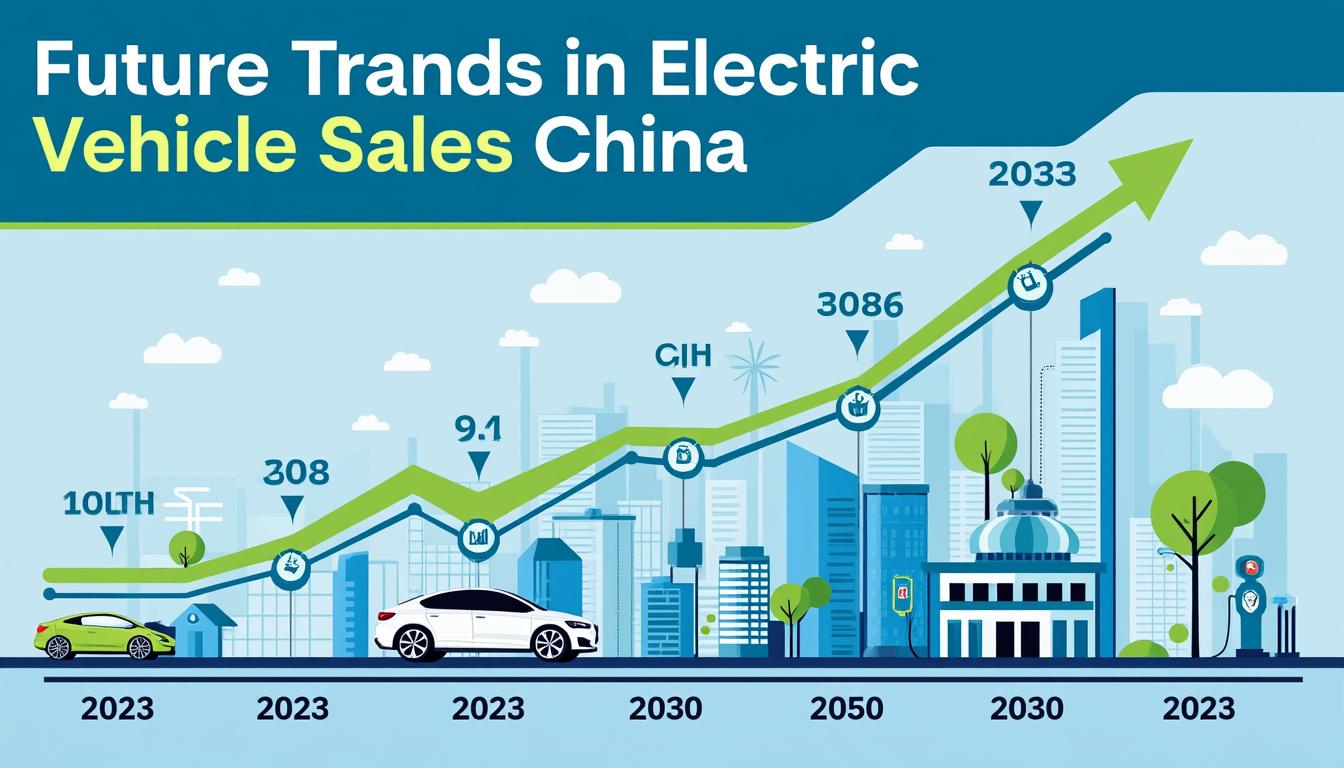
According to a recent market study, it could be that by 2030, nearly 60% of new car sales in China will be electric vehicles. However, this requires a change in business practices to ensure that these figures reflect reality. Maintaining technological evolution is crucial, which will involve implementing strict standards and regulations.
| Year | % of EVs in sales | Projected sales (in millions) |
|---|---|---|
| 2023 | 22% | 6.5 |
| 2024 | 40% | 10.8 |
| 2030 | 60% | 20.0 |
Beijing and the control of sales figures
In this context of escalation, Beijing intervenes to call for stricter control of the data provided by manufacturers. Production goals must align with actual transparency regarding sales volume. This involves implementing rigorous inspection protocols so that the figures conform more closely to reality. This is also part of a desire to reduce unethical practices that could tarnish the reputation of Chinese electric vehicles on the global stage.

Regulations to consider
Measures that Beijing could take include:
- Creation of a national registry:
- Regular sales audits: Involve third parties to check the figures provided by the brands.
- Strengthening sanctions: Impose penalties on brands suspected of manipulating the figures.
These measures aim to restore a climate of trust within the market, allowing consumers and investors to make informed choices. The longevity of the Chinese electric vehicle industry is only positive if it rests on solid and transparent foundations.
Si vous souhaitez lire d'autres articles tels que Exceptional sales of electric cars in China: industrial reality or illusion of figures?, consultez la catégorie Non classé.
Leave a Reply
Articles relatifs