Demystification of electric cars: a recent study denounces seven common misconceptions

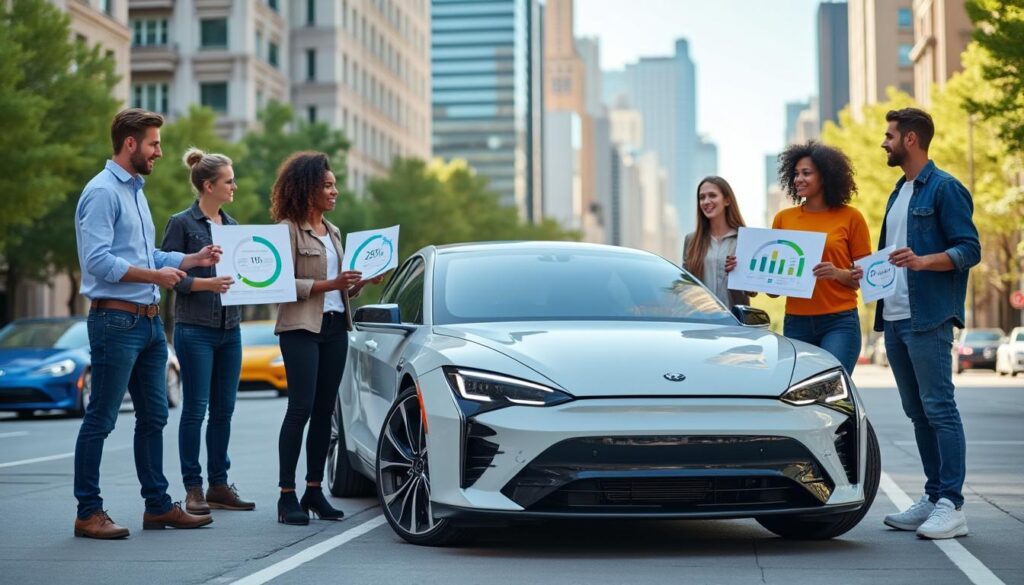

The world of automobiles is undergoing a transformation, with a shift towards more sustainable and environmentally friendly vehicles. Among them, electric cars are generating increasing enthusiasm, but also many questions. Misinformation persists, fueled by preconceived notions that prevent a broad audience from adopting these vehicles. In 2025, a decisive study highlighted by the Fraunhofer Institute demonstrated that it was time to debunk these myths. Whether regarding costs, safety, or range, these notions often do not reflect reality. Let's explore the seven most common misconceptions about electric cars.
Electric cars cost much more
One of the most entrenched myths is that electric cars are systematically more expensive to purchase than their thermal counterparts. While it is true that the initial purchase price is often higher, this view is insufficient as it does not take into account the total cost of ownership. Electric cars, such as those from brands like Tesla, Nissan, Volkswagen, or Renault, offer significant economic advantages.
Long-term savings
When analyzing long-term operating costs, electric vehicles stand out positively. Here are some factors to consider:
- Cost of electricity versus gasoline: Electricity is generally cheaper than gasoline per kilometer traveled. For example, a full charge on a 7.4 kW Wallbox allows you to fill up on electricity in just 2 hours and 20 minutes, providing a range that reduces the frequency of recharges.
- Simplified maintenance: Electric motors have fewer moving parts than combustion engines, leading to fewer breakdowns and lower maintenance costs.
- Bonuses and tax incentives: Many governments offer incentives to encourage the purchase of electric vehicles, thus reducing their initial cost.
A summary table of costs can illustrate the difference:
| Type of vehicle | Purchase cost | Cost per kilometer (approximate) | Annual maintenance cost |
|---|---|---|---|
| Thermal vehicles | €20,000 | €0.12 | €800 |
| Electric cars | €25,000 | €0.05 | €400 |
Electric vehicles are likely to catch fire more often
Another persistent myth is the supposed frequency of fires related to electric vehicles. The media has often highlighted viral videos of electric cars on fire, thereby fueling fear. However, recent data shows that the fire risk for electric cars is in fact similar, if not lower, than that for gasoline vehicles.
Safety and technology
Modern cars, whether combustion or electric, are designed with strict safety standards. Studies show that the majority of fire incidents stem from issues related to old or poorly maintained batteries, while recent vehicles, such as those manufactured by BMW or Kia, incorporate advanced thermal management systems.
One aspect to note is the technological evolution. For example:
- Anomaly detection: Onboard systems can detect overheating and cut off the electrical supply before an incident occurs.
- Fire-resistant materials: New generations of vehicles use materials that are more fire-resistant, thereby reducing risks.
- Statistics: According to conducted analyses, the fire risks of electric cars are about 0.03% compared to 0.07% for thermal vehicles.
Electric cars have a too limited range
Another common stereotype about electric cars is that they cannot cover long distances, an argument often used by detractors to discourage purchase. However, recent models from manufacturers such as Hyundai, Peugeot, and Citroën now offer a range that rivals that of gasoline cars.
Advancements in battery technology
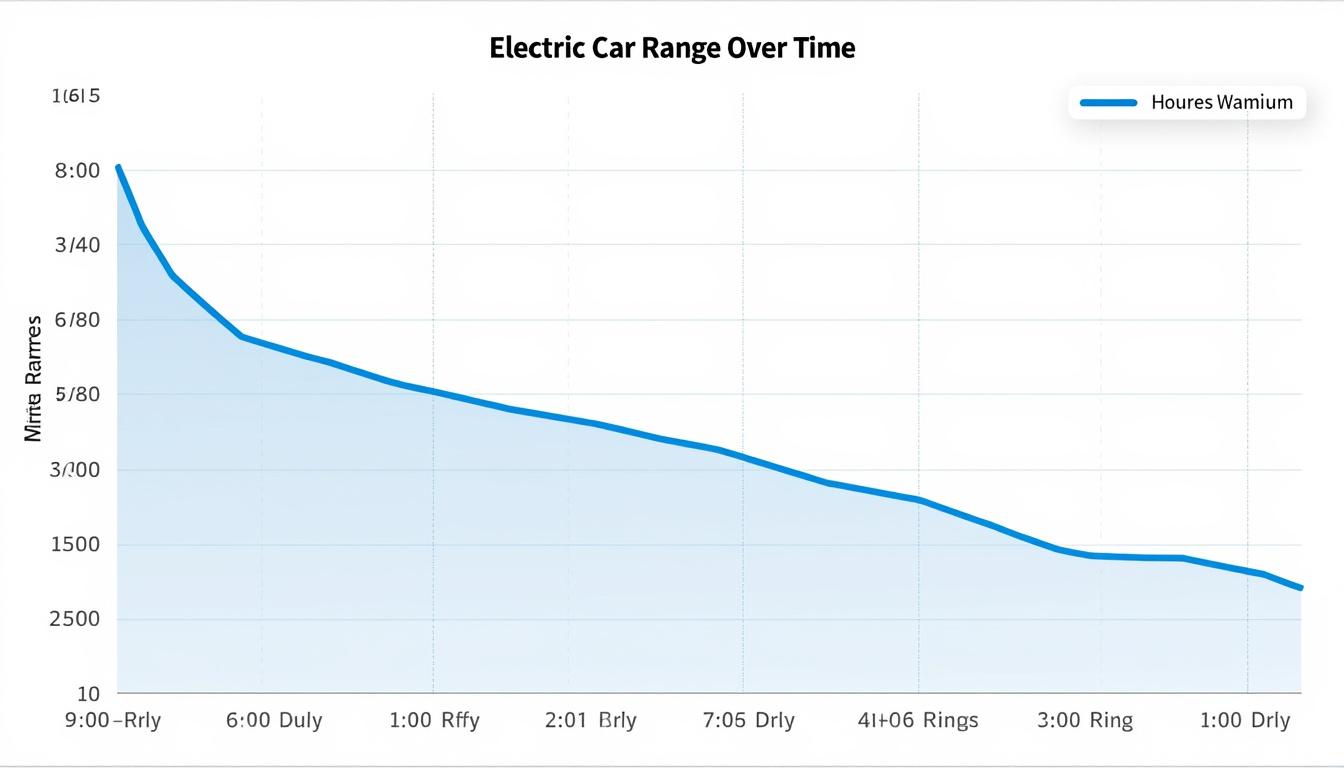
Over the years, technological advancements have significantly increased battery capacity. Today, several models have a range exceeding 300 km, with some even reaching up to 600 km. Here are some examples:
- Renault Zoe: Range of about 400 km, ideal for daily commutes and weekend getaways.
- Tesla Model 3: Offering a range of 500 to 600 km depending on the version, this model has become the market leader.
- Audi e-tron: Offers a range of 480 km, combining performance and comfort.
A comparative table could help better visualize these advancements:
| Model | Range (km) | Charging time (Wallbox) |
|---|---|---|
| Renault Zoe | 400 | 2h 20 |
| Tesla Model 3 | 600 | 6h |
| Audi e-tron | 480 | 8h |
The charging network is insufficient
Another barrier to the adoption of electric cars is the perception of a lack of infrastructure for charging. However, the situation has evolved significantly in recent years, particularly due to massive investments in developing a charging station network. By 2025, countries like France, Germany, and the United Kingdom will have a flourishing charging network.
The development of infrastructure
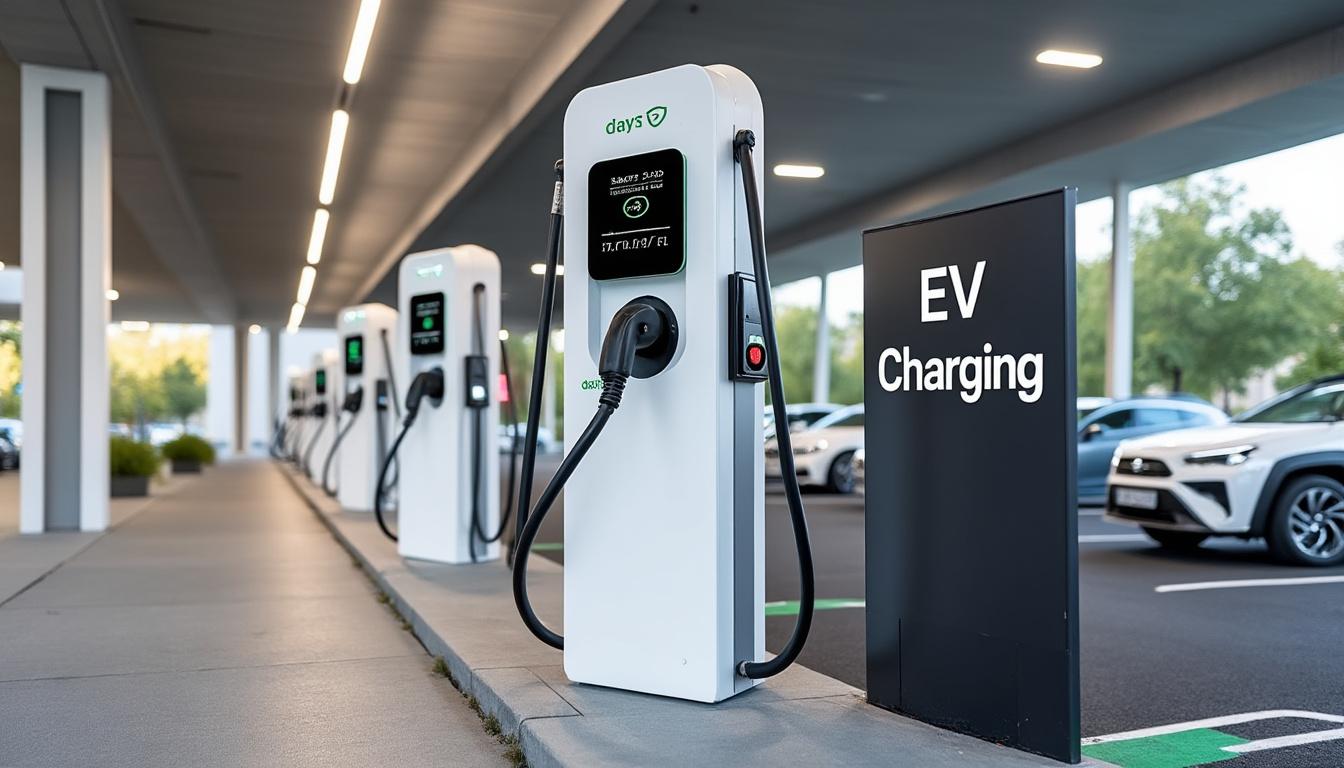
Charging infrastructures are diversifying and multiplying, making it increasingly easy to charge on highways, in urban areas, or even at home. Here’s an overview of the types of charging stations:
- Fast charging stations: Available on highways, allowing you to charge up to 80% in less than 30 minutes.
- Home Wallbox: Installable at home, they provide the possibility to charge overnight while taking advantage of reduced electricity rates.
- Public stations: Increasingly present in cities, facilitating access for users on their daily routes.
Here’s an illustrative table of the evolution of charging stations in Europe:
| Year | Number of stations (Europe) | Percentage increase |
|---|---|---|
| 2020 | 300,000 | - |
| 2023 | 500,000 | 66.67% |
| 2025 | 800,000 | 60% |
Electric cars are problematic for the environment
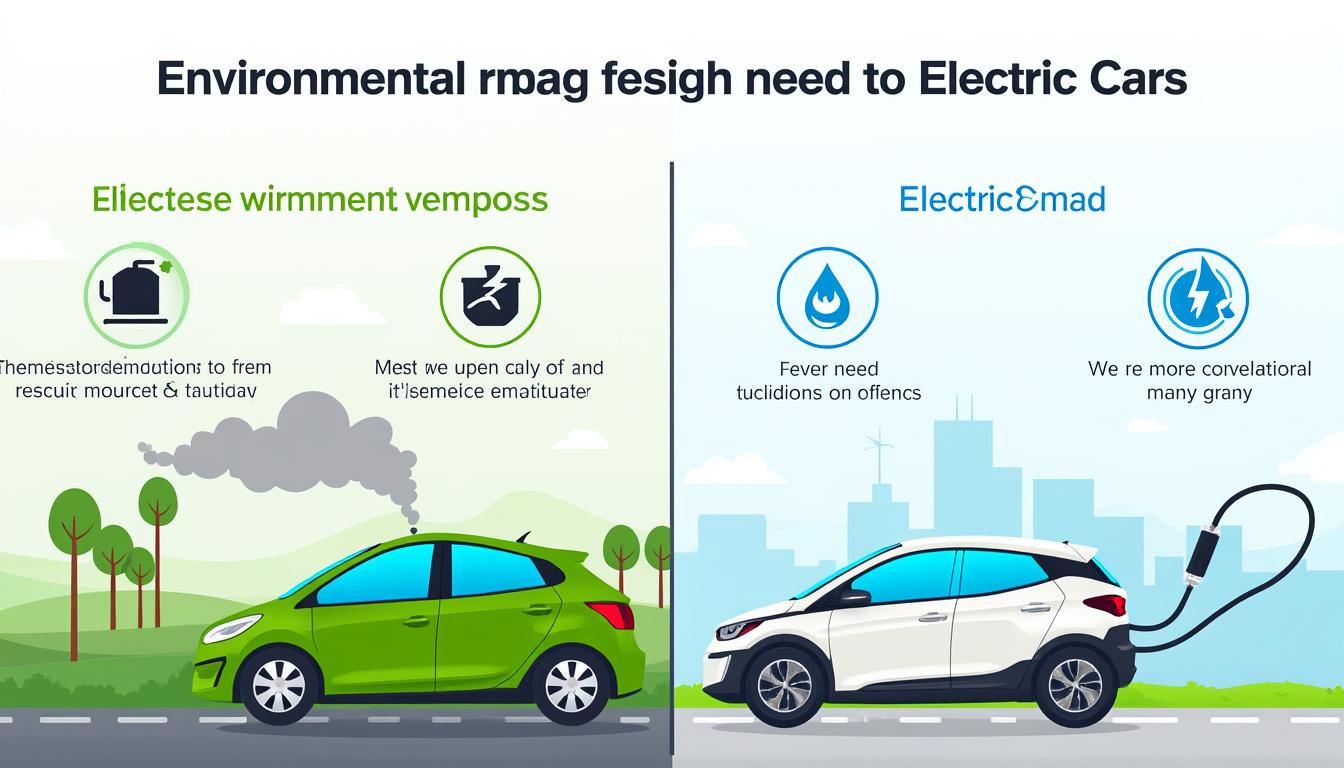
There is a misconception that electric vehicles are just as polluting as combustion engine cars, especially concerning the production of their batteries. However, studies show that the carbon footprint of electric cars, even when accounting for their entire lifecycle, remains significantly lower than that of conventional cars.
Analysis of environmental impact
Comprehensive academic work has analyzed the impact of electric vehicles on the environment, and the results are clear. Electric cars emit on average 55% less CO2 compared to their combustion counterparts, even when considering battery production. In detail:
- Energy production: Renewable energy sources are developing, thereby reducing the impact of charging on the environment.
- Recycling: With the evolution of recycling technologies, batteries can be processed to recover valuable materials, thus reducing the need for extraction.
- Lifetime: The batteries of recent vehicles, like those from BMW or Hyundai, can still retain 80% of their capacity after 8 years of use. This means less waste and prolonged use of resources.
A summary table of the carbon footprint of cars can be useful:
| Type of vehicle | CO2 emissions (g/km) | Environmental impact |
|---|---|---|
| Thermal cars | 120 | High |
| Electric cars | 52 | Low to moderate |
Electric cars are not reliable in the long term
Finally, one recurring concern is the reliability and longevity of electric car batteries. Consumers often fear rapid performance degradation and costly maintenance. However, studies conducted on thousands of vehicles show that this concern is unfounded.
Durability and longevity of batteries
Recent data reveals that the batteries of current electric vehicles are performing much better than anticipated. Indeed, analyses conducted on a fleet of 25,000 electric cars have shown that capacity loss is very limited over time. Here are some key points to remember:
- Capacity stability: Batteries often retain 80% of their initial capacity after 8 to 10 years of use.
- Replacement costs: Although replacing a battery may seem expensive, many brands offer warranties of 8 to 10 years on their batteries.
- Evolving technology: With constant advancements, new generations of batteries are designed to last longer and provide enhanced performance.
A comparative table of the lifespan of batteries can provide an overview:
| Brand | Expected lifespan | Remaining capacity after 10 years |
|---|---|---|
| Nissan Leaf | 8 years | 80% |
| BMW i3 | 10 years | 75% |
| Tesla Model S | 10 years | 85% |
Si vous souhaitez lire d'autres articles tels que Demystification of electric cars: a recent study denounces seven common misconceptions, consultez la catégorie Non classé.
-
Lorin Valvaux says:
Les voitures électriques sont vraiment fascinantes, j'adore les avancées technologiques qu'elles apportent.
-
Les voitures électriques sont vraiment plus économiques sur le long terme que je ne le pensais !
Leave a Reply to Lorin Valvaux Cancel reply
Articles relatifs