Chinese electric brand makes its mark on the Nürburgring Nordschleife, beating Porsche on its own turf

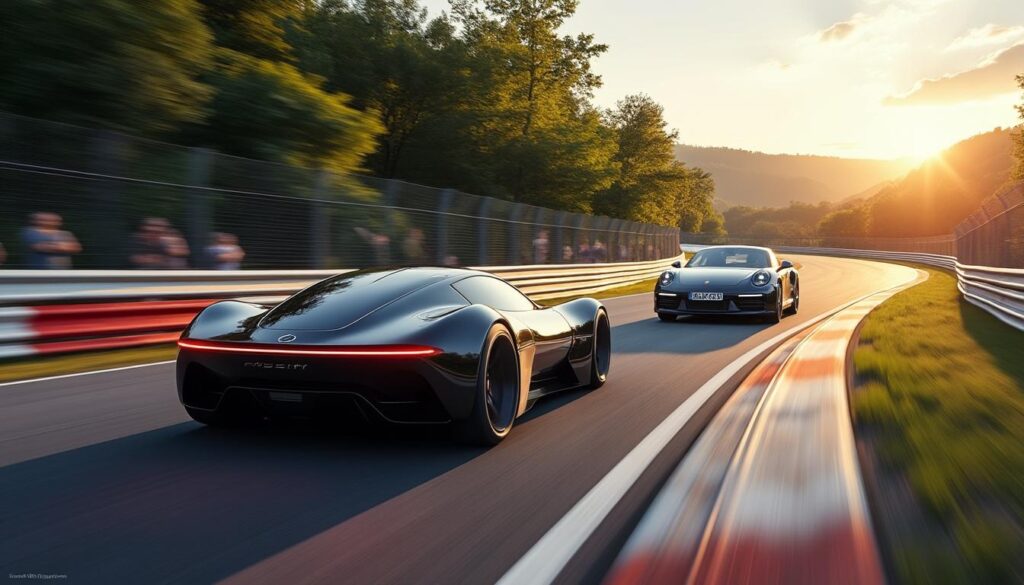

The Nürburgring Nordschleife, often cited as the temple of automotive performance, has recently been the scene of an unprecedented feat. A Chinese electric brand has managed to set a new record on this famous track, shattering the times of historic manufacturers like Porsche. With its electric sedan SU7 Ultra, Xiaomi demonstrated that China is not just an emerging player in the automotive sector but a serious competitor capable of competing in terms of technology and performance.
Xiaomi SU7 Ultra: A revolution at the Nürburgring
Xiaomi's electric sedan SU7 Ultra has quickly captivated car enthusiasts. Known for its cutting-edge technology, this car does not just compete with established brands; it beats them. Since its launch, this car has generated interest for several reasons, including its impressive power and exceptional track performance.
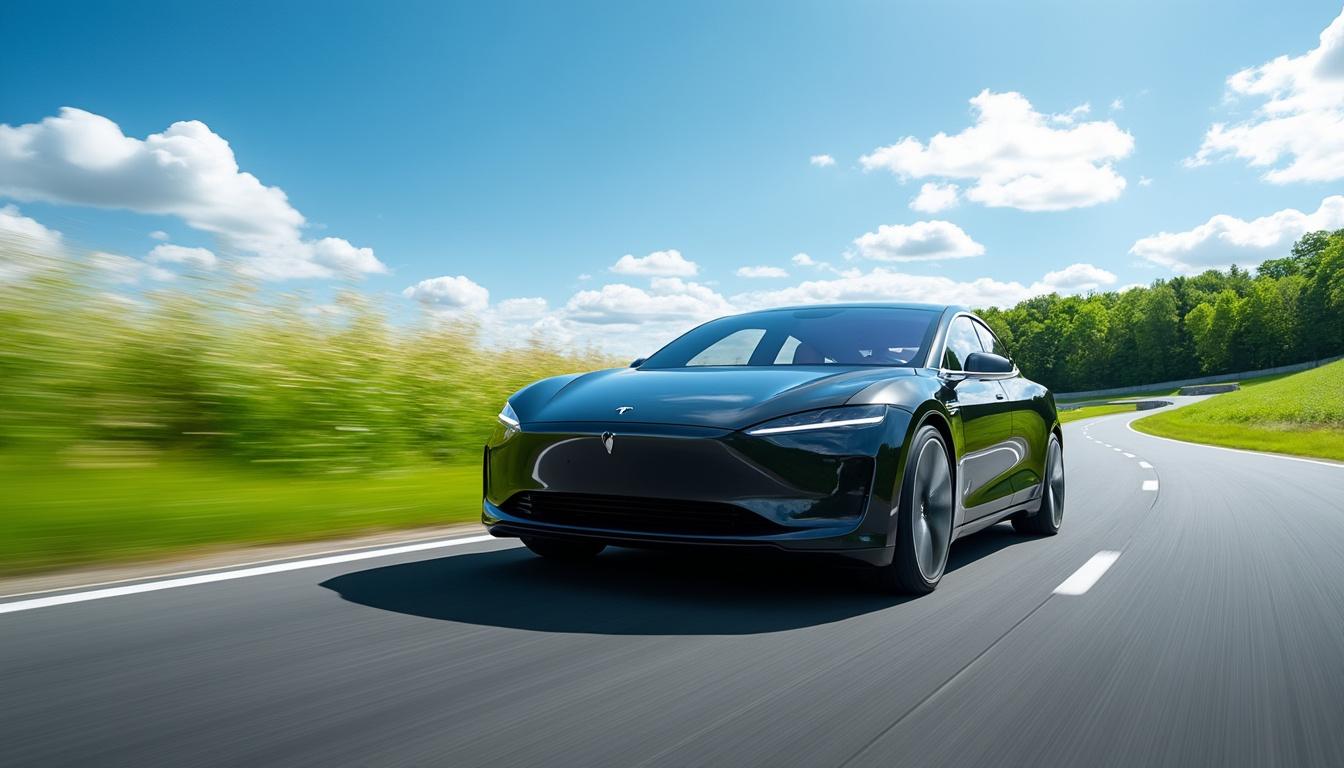
With an engine developing up to 1527 horsepower, the SU7 Ultra is the most powerful version of the Xiaomi range. This power, combined with careful aerodynamics and a reduced weight, allows it to reach a top speed of 350 km/h and a 0 to 100 km/h in just 1.98 seconds. These figures make it a car that is both fast and responsive, capable of competing with some of the market's most iconic models, such as the Porsche Taycan Turbo GT.
The record at Nürburgring
The Nürburgring, nicknamed "the green hell," is recognized for its ability to push the limits of sports vehicles with its 154 turns over nearly 21 km. It was on this circuit that the Xiaomi SU7 Ultra managed to clock an impressive time of 7 minutes, 4.95 seconds, thus beating the previous record held by the Porsche Taycan. In doing so, it not only set a new standard for electric sedans but also sent a strong message: the automotive market is changing.
This event marks a turning point for the Chinese manufacturer, which has succeeded in attracting the media's attention and motorsport enthusiasts worldwide. To put this into perspective, here is a table comparing the lap times of iconic electric vehicles at the Nürburgring:
| Model | Lap Time |
|---|---|
| Xiaomi SU7 Ultra | 7:04:95 |
| Porsche Taycan Turbo GT | 7:07:34 |
| Rimac Nevera | 7:10:00 |
This track winner demonstrates how innovation can transform the automotive landscape. Prior to this performance, many believed that established brands, particularly in Europe, were expected to maintain a continual dominance in the luxury electric vehicle sector.
A turning point for the Chinese automotive industry
This success of Xiaomi is not an isolated event. Over the past few years, many Chinese electric vehicle manufacturers have emerged, often placing technology and innovation at the forefront. This phenomenon is part of a larger movement, where China aims to become a global leader in electric vehicle production.
Chinese brands like BYD and NIO have already begun to compete with traditional companies such as Tesla for the European market. Studies show that the demand for electric vehicles is growing exponentially in Europe. According to a report from GT Automotive, the market share of electric vehicles in Europe could reach 40% by 2027.
Here are a few reasons for this trend:
- Reduced production costs due to optimized supply chains.
- Advanced technology that competes with the sharpest European players.
- Environmental awareness, with regulations favoring low-emission vehicles.
The challenges of entering the European market
Although successes in motorsport may give the impression that electric Chinese brands are on the path to success, the reality of the European market is more complex. There are numerous challenges they must face.
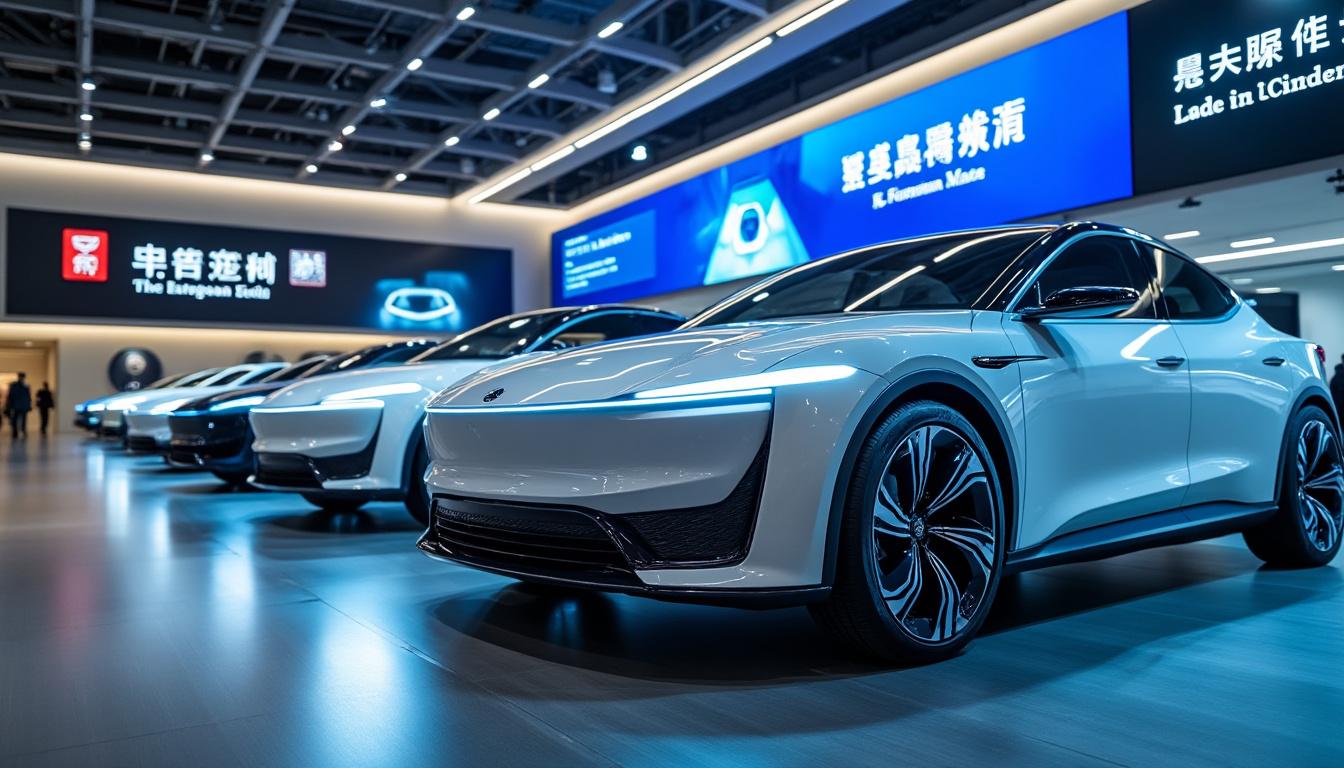
Issues related to quality perception, strict regulations, and intense competition shape the landscape of the automotive market. European consumers are often skeptical about foreign-origin products, necessitating a well-thought-out marketing strategy.
The necessity of an effective branding strategy
To succeed, Chinese brands must first establish a strong branding strategy. This includes:
- Building a trustworthy image based on quality.
- Communicating their technological innovation and commitment to ecological surcharge.
- Collaborating with local distributors for better market integration.
In fact, some brands have already started adopting these approaches. For instance, the Xiaomi brand has chosen to partner with European influencers to raise public awareness about its products, thereby improving their market positioning.
Balancing performance and ecology
Another challenge for these brands is to balance performance and environmental respect. With increasingly strict regulations regarding CO2 emissions, it is crucial to develop sustainable technologies while maintaining high performance. This has become a central axis of innovation for Chinese manufacturers, as they seek to redefine what "fast" means within the context of greener driving.
The impact on the global automotive industry
With emerging players from China, the global automotive industry is undergoing a transformation. The record set by Xiaomi at the Nürburgring has not only highlighted the potential of Chinese innovation but has also indicated that "old" models of success may no longer be viable.

A comparative table can help to better understand the impact on competing brands:
| Brand | Market Impact |
|---|---|
| Xiaomi | Sets high performance standards for electric vehicles |
| Porsche | Must intensify its efforts on innovation to stay competitive |
| Tesla | Facing increased competition, must diversify its offerings |
This turning point, embodied by the performance of the SU7 Ultra, could prompt other manufacturers to reevaluate their innovation strategies and their positioning against emerging competition. They will need to fight not only on the performance front but also on the field of sustainable technology.
The future of electric vehicles
This success of Xiaomi could herald a future where electric vehicles become the norm both in China and in Europe and beyond. Manufacturers now must reassess their priorities, focusing not only on speed but also on user experience, connectivity, and sustainability.
Cars like the SU7 Ultra are just the first step in this direction. Change is underway, and we can only wait to see how other brands will respond to this remarkably competitive new reality. Innovation continues to be key, but the ability to adapt to a rapidly changing market is just as crucial.
Si vous souhaitez lire d'autres articles tels que Chinese electric brand makes its mark on the Nürburgring Nordschleife, beating Porsche on its own turf, consultez la catégorie Non classé.
Leave a Reply
Articles relatifs