The rise in auto insurance costs: electric cars facing a more sustainable but more expensive future.


The costs of car insurance are sharply increasing, particularly for electric vehicle owners. This trend is not only explained by a general inflation of prices but also by a number of economic, technological, and environmental factors affecting the sector. The consequences of this trend are already felt in the daily lives of drivers and may impact their future choices regarding ecological mobility.
The impact of electric cars on auto insurance rates
The auto insurance sector is undergoing a radical transformation, particularly due to the rise of electric cars. By 2025, the average price of auto insurance premiums reached €722, an increase of 6.8% compared to the previous year. However, this figure conceals significant disparities, especially for young drivers and those who own battery-equipped vehicles.

Factors justifying the increase in premiums
The reasons for this increase are multiple. The first concerns the purchase and repair costs of electric cars. These vehicles, although eco-friendly, are often more expensive to acquire than their thermal counterparts. Additionally, in the event of a claim, repairs can cost an average of 14.3% more. Here is an overview of the elements that weigh on the cost of insurance:
- Increased repair costs
- Rising prices of spare parts (+29% between 2020 and 2024)
- Complexity of modern vehicles
- Increased frequency of claims
Therefore, insurers are adjusting their rates to compensate for these costs. Data also show a 20% increase in premiums for electric cars, forcing drivers to rethink their insurance options.
| Type of vehicle | Increase in insurance premiums (%) | Average repair cost |
|---|---|---|
| Electric car | 20 | 14.3% higher |
| Thermal car | 6.8 | Standard |

Cost management for drivers
In the long term, electric vehicle owners must face evolving insurance options. This involves considering several criteria when choosing insurance suited to their situation:
- Compare insurance offerings: Websites like GT Automotive provide analysis of the best options.
- Check climate-related hazards in your area that may influence rates.
- Consider after-sales service and the quality of assistance.
As a result, auto insurance, although essential for car protection, can become very costly. In a world where sustainability is at the heart of concerns, this paradox adds to the challenge of adopting sustainable transport.
The economic factors influencing the increase in insurance costs
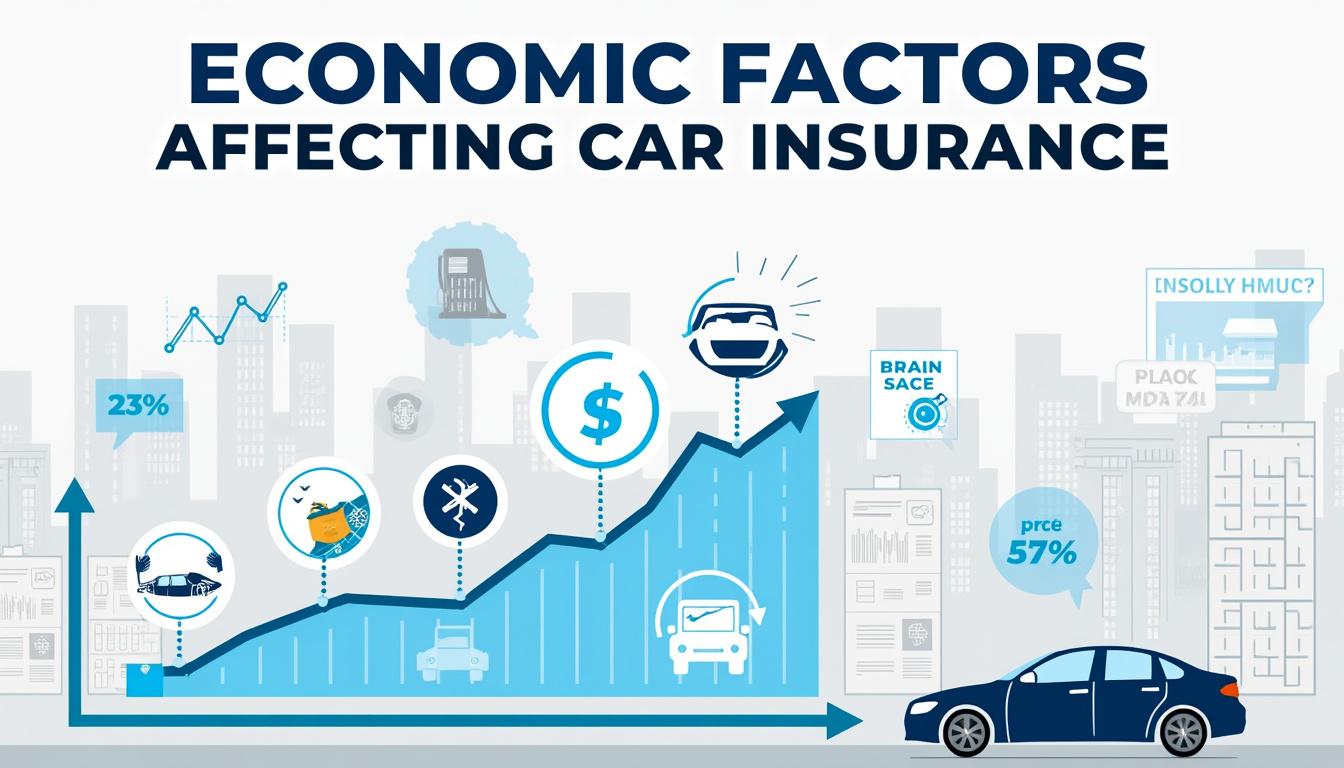
A set of competitive economic factors plays a major role in the increase in auto insurance costs. In particular, inflationary trends heavily impact the sector. By 2025, the costs of repairs and spare parts skyrocketed, further putting pressure on premiums. The price of spare parts rose by 29% between 2020 and 2024.
The stakes of the energy transition
The emergence of renewable energies and the need for a shift towards ecological mobility create an uncertain environment for the insurance sector. The adoption of more sustainable technologies, while necessary, results in higher costs for insurance companies. They must adapt their offerings in response to the growth of electric cars, which require more qualified human resources and costly equipment. They also face increased repair costs, which are on average 14.3% higher than thermal vehicles.
The repercussions of climate events
With climate change leading to extreme events, the auto insurance sector is not immune to the effects. The occurrence of weather-related claims has intensified, prompting insurers to increase the natural disaster surcharge by 9% in 2025. This increase particularly affects contracts that include theft and fire coverage in the most impacted areas.
| Type of climate event | Impact on premiums (%) | Frequency of claims (2023-2024) |
|---|---|---|
| Floods | +9 | Significant increase |
| Car thefts | +5 | 11% increase in 2023 |
These challenges encourage insurance companies to reassess their strategy and adapt their offers for electric cars under pressure. One question remains: how will insurers manage to balance growth and sustainability?

The new taxes and regulations: an additional burden
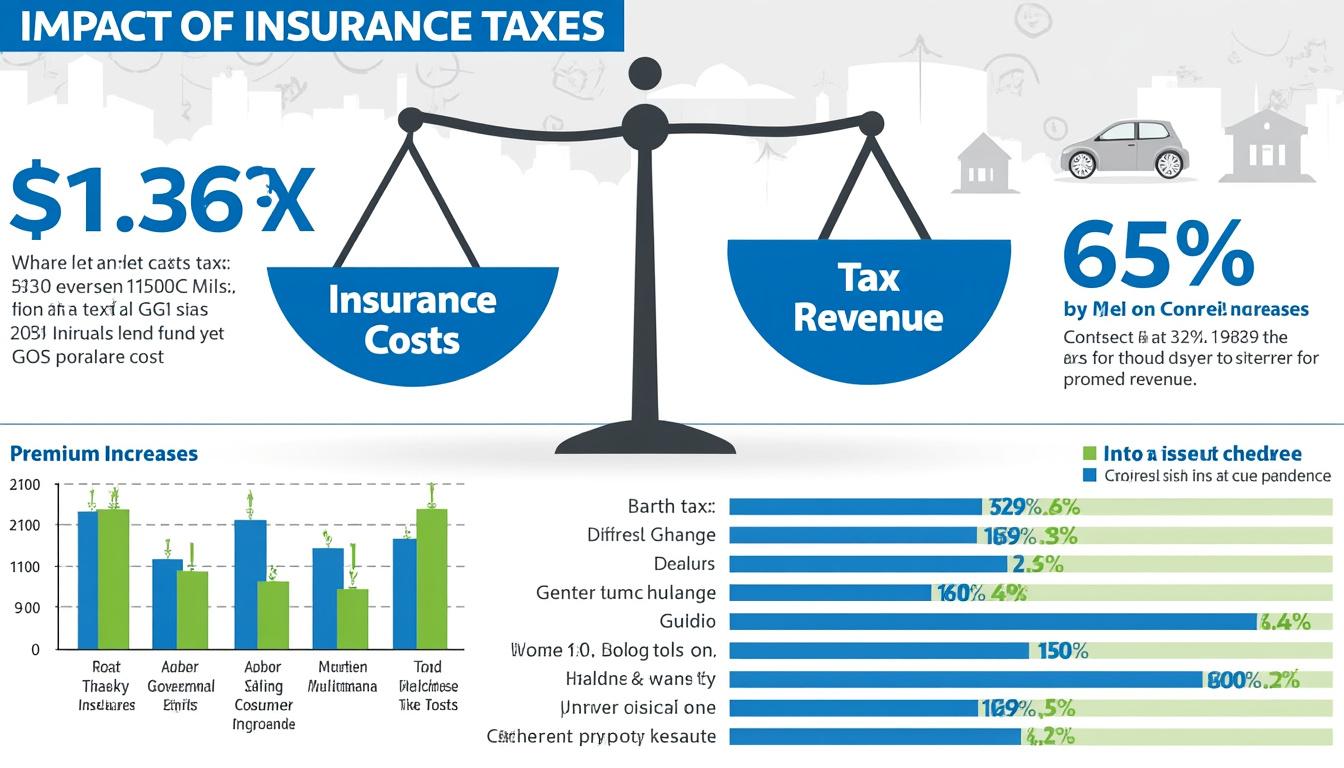
In the context of rising insurance rates, another striking constraint is the introduction of new taxes. The Insurance Convention Tax (TSCA) was applied to electric vehicles in 2025, further increasing costs for users. While electric cars previously benefited from a partial exemption, this situation has changed and directly impacts insurance costs.
Tax measures and their implications
To cope with an exaggerated increase in taxation, it is crucial to consider the impact of the TSCA, which stands at 18%. This measure affects all 100% electric vehicles registered in 2023 and 2024. Thus, the cost of the vehicle weighing into the total insurance premium impacts consumers' purchasing decisions.
How are insurers responding to this challenge?
Faced with this dynamic, insurers are seeking new solutions to meet the growing demand for auto protection. Insurers must adapt to the varied needs of users engaged in this energy transition. For example, products specifically designed for electric vehicle owners are emerging, aimed at mitigating tax impacts. Here are some solutions insurers might offer:
- Reduced deductibles for electric vehicles.
- Loyalty programs and discounts for installing enhanced security systems.
- Custom insurance policies based on actual usage and specific user needs.
These solutions can constitute a step towards a future where sustainability and economy harmonize.
| Type of solution | Advantage | % of users interested |
|---|---|---|
| Reduced deductible | Lower costs at registration | 70% |
| Loyalty programs | Total premium reduction | 65% |
Anticipating the future: strategies for sustainable auto insurance
It is crucial to integrate a long-term vision for insurance options that will facilitate the transition to ecological mobility. In response to current challenges, insurers must think about strategies that support not only their financial interests but also those of users.
Collaboration with innovators
One interesting approach to achieving sustainable mobility is collaboration between insurers and vehicle manufacturers. This encourages the development of cars that meet sustainability standards, as well as joint initiatives that promote safer practices for all drivers. This could translate into:
- Partnerships with innovative companies in the renewable energies sector.
- Creation of reward programs for drivers adopting responsible behaviors.
- Seeking solutions to optimize the establishment of eco-friendly vehicle fleets.
Consumer education and awareness
For this evolution to materialize, it is essential to educate market players about the importance of insurance and the stakes of the energy transition. Communication campaigns should focus on:
- Informing consumers about tax benefits and available assistance for electric vehicles.
- Promoting security and damage prevention systems that reduce premiums.
- Encouraging better risk management by avoiding risky driving behaviors.
The path towards a sustainable future in the field of auto insurance will involve a holistic approach involving insured parties, regulators, and economic actors. By joining forces, all can contribute to shaping a more resilient ecosystem.
Si vous souhaitez lire d'autres articles tels que The rise in auto insurance costs: electric cars facing a more sustainable but more expensive future., consultez la catégorie Non classé.
Leave a Reply
Articles relatifs