The rates for auto insurance for electric vehicles are skyrocketing: a comparison with gasoline and diesel options

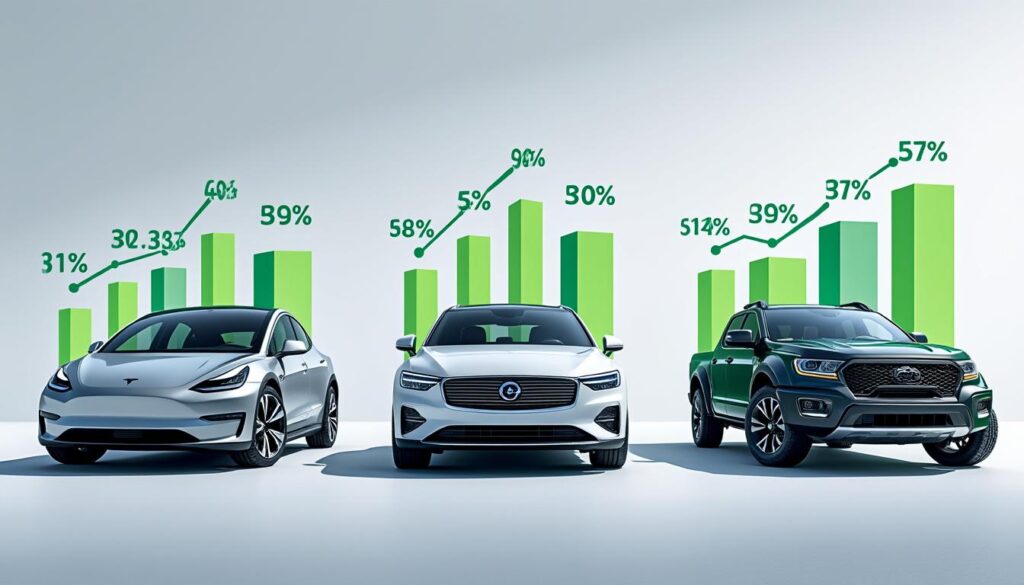

The rise of electric vehicles is gradually transforming the automotive landscape, but this transition comes with significant challenges, particularly in terms of insurance. While the costs of charging and maintenance seem more affordable, the insurance costs for these zero-emission cars are experiencing a concerning surge. With premiums on the rise, electric car owners are questioning the future of insurance rates compared to those of gasoline and diesel options. This article highlights the reasons for this evolution, the current rates, and how owners can navigate this rapidly changing environment.
Insurance Rate Analysis for Electric Vehicles
In 2025, auto insurance premiums show a significant increase, particularly affecting electric vehicles. According to the latest Assurland report, the average premium amount has surged by 6.8% this year, reaching 722 euros. However, this figure does not tell the whole story. Electric car drivers have seen their premiums rise by about 20% in just one year. Various factors explain this surge in rates.
| Type of Vehicle | Average Premium (2025) | Increase (%) |
|---|---|---|
| Electric Vehicles | 702 euros | +20% |
| Gasoline Vehicles | 715 euros | +8% |
| Diesel Vehicles | 722 euros | +5% |
The reasons for this increase are manifold. First, the purchase cost of electric vehicles remains higher than that of their gasoline and diesel counterparts. This means that the amount to be reimbursed in case of an accident is greater, which drives up premiums. Second, the increase in the number of electric cars on the roads leads to a higher risk of accidents, thereby intensifying pressure on insurance rates.
Other factors exacerbate the situation. Indeed, the price of spare parts for electric cars has skyrocketed, particularly due to the technological complexity of the necessary repairs. Insurance companies are facing repair costs that have risen by 6.2% compared to last year, due to the use of more sophisticated materials and components, especially for battery systems. When damage occurs, it is not uncommon for the car to be declared a "total loss" due to the prohibitive cost of repairs.
Key Factors Influencing Rate Increases
Several parameters explain these increases in auto insurance rates for electric vehicles:
- High Purchase Cost : The price of an electric vehicle can exceed that of a thermal model, increasing risks for insurers.
- Accidents and Repairs : With more electric cars on the road, the number of accidents increases, leading to higher premiums.
- Parts Shortage : Spare parts are becoming increasingly expensive and difficult to find, which increases repair costs.
- Specialized Labor : Repairs require technicians specifically trained to work on these advanced vehicles.
- Expensive Batteries : In case of damage, the battery, representing about 40% of the vehicle's value, is often damaged.
The statistics are alarming. Many electric vehicle drivers feel trapped by premiums that are rising, often disproportionately compared to incentives for electromobility. Potential owners are therefore hesitant to make the switch to electric, fearing that the insurance bill will make this transition less attractive. Indeed, despite an initial perception of savings with electric vehicles, the economic challenges they face can be discouraging.

Insurance Options Comparison: Electric vs Gasoline and Diesel Vehicles
In light of the surge in rates, an objective comparison of insurance options between electric, gasoline, and diesel vehicles is essential. By analyzing the different insurance products available on the market, it is crucial to observe the noticeable variations in rates and coverage.
| Type of Coverage | Electric Vehicles | Gasoline Vehicles | Diesel Vehicles |
|---|---|---|---|
| Third Party Insurance (Minimal) | On average 550 euros | On average 500 euros | On average 520 euros |
| Comprehensive Insurance | On average 850 euros | On average 800 euros | On average 820 euros |
| Intermediate Insurance | On average 700 euros | On average 680 euros | On average 700 euros |
Insurance options for electric vehicles are often comparable to those of gasoline and diesel models, but the coverage limits and specific exclusions may be more numerous for electric models. Thus, the choice of insurance depends not only on cost but also on the quality of coverage and customer service.
Criteria for Selecting Suitable Auto Insurance
To choose the most suitable auto insurance, it is important to consider several criteria:
- Type of Vehicle : Coverage requirements may vary depending on the model.
- Vehicle Use : Intensive use may require more comprehensive insurance.
- Specific Options : These options may include new-for-old replacement or roadside assistance at 0 km.
- Cost : Make comparisons to find the most appropriate premium.
- Value for Money : Also assess the insurer's customer service.
A recent market study has highlighted the need to evaluate insurance options before making a final choice. Due to high premiums for electric vehicles, comparisons of different offers, such as those provided by L’Olivier or MMA, become essential to find a solution that balances cost and optimal protection.
The Vicious Circle of Insurance Premiums for Electric Vehicles
The current situation of insurance premiums for electric vehicles creates a vicious circle. Due to high rates, many drivers choose less comprehensive coverage, exposing them to increased risk in the event of accidents. This trend may exacerbate the problem, as improper repairs could lead to more serious accidents.
An illustrative example is that of Marc, a driver who recently acquired an electric car. Although he was attracted by promises of low operating costs, he was faced with insurance premiums that kept rising. He had to try several insurers before finally choosing minimal coverage, thereby increasing the risk of being underinsured. This phenomenon is not unique to Marc — it is becoming increasingly common among electric vehicle owners.
The Impact of Repairs on Insurance Rates
The increased risk of high repair costs adds financial burdens for insurers. Damage to electric vehicles can require repairs on critical components that are particularly expensive. This directly affects the cost of insurance. Here are some factors to consider:
- Electronic Equipment Failures : With cutting-edge technology, repairs can be complex and costly.
- Battery Systems : In case of damage, replacing the battery can cost thousands of euros.
- Abundance of Sensors : Electric cars are often equipped with many sensors, which can increase the bill.
As the number of electric vehicle owners continues to grow, the need for better management of insurance costs is becoming pressing. Solutions will need to be considered to balance the market and allow insured individuals to benefit from viable and competitive options.
Government Measures and the Future of Auto Insurance
In response to the surge in auto insurance rates, the government has begun examining various measures to encourage the use of sustainable vehicles, particularly within the framework of renewable energies. One of the key initiatives for electric vehicles is the exemption from the special tax on insurance contracts (TSCA). This exemption represents significant savings that remains favorable for electric vehicle owners.
| Government Measures | Expected Benefits | Impact on Insurance Rates |
|---|---|---|
| Tax Exemptions | Reduction in insurance costs | May stabilize rates in the medium term |
| Subsidies for Electric Vehicles | Encouragement for purchase | Potential for premium reductions if the fleet increases |
| Technician Training | Skills improvement | Possibility of long-term reductions in repair costs |
Such initiatives can help reduce insurance premiums and assist drivers in adopting sustainable mobility. Insurance companies will also need to adapt their strategies to respond to this market evolution, offering solutions that better balance costs. This paradigm shift could signify the beginning of an era where premiums for electric vehicles become more affordable and accessible, allowing for broader adoption of this technology.
Toward a Fairer Insurance System
With these challenges, the question arises: how to achieve a fairer insurance system for all types of vehicles? Economic analyses suggest that behavior-based and safety-focused pricing models could play a significant role. Drivers of electric cars, often perceived as lower risk due to their advanced technology, could benefit from fairer insurance premiums if these models were implemented.
Through a better understanding of the needs of the insured, personalized offers could emerge, optimizing the cost of insurance without compromising safety. Insurers must evolve with the market and provide advice on the best insurance options for each type of vehicle.
Si vous souhaitez lire d'autres articles tels que The rates for auto insurance for electric vehicles are skyrocketing: a comparison with gasoline and diesel options, consultez la catégorie Non classé.
-
Joran Verlay says:
Les tarifs d'assurance pour les véhicules électriques sont vraiment trop élevés, ça décourage les acheteurs.
Leave a Reply
Articles relatifs