Global lithium shortage: a challenge for the future of electric cars?

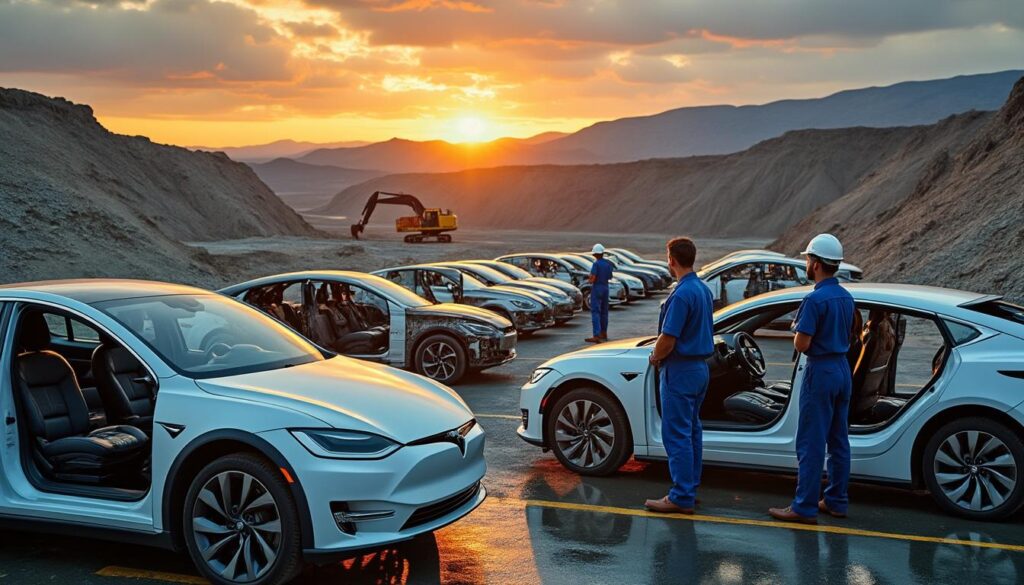

The global demand for electric cars is experiencing spectacular growth. However, a shadow is growing over this green revolution: the potential shortage of lithium. This precious metal has become essential for manufacturing the batteries that power these vehicles. Experts warn of the need for proactive resource management to ensure a sustainable supply for the future of the automotive industry. As sales of Tesla, Nissan, BMW, Renault, Audi, Volkswagen, Ford, and Hyundai hit record highs, the challenges related to lithium supply could well alter our transition to an electric future.
The stakes of lithium production for electric vehicle batteries
Lithium is more than just a raw material; it is now considered a vital element for the rise of electric vehicles. Paradoxically, it is also at the heart of concerns over a possible shortage. Forecasts estimate that global lithium production could reach about 325,000 tons per year by 2030 in the European Union. However, demand could soar to 792,000 tons over the same period, taking into account the growth in electric vehicle sales.
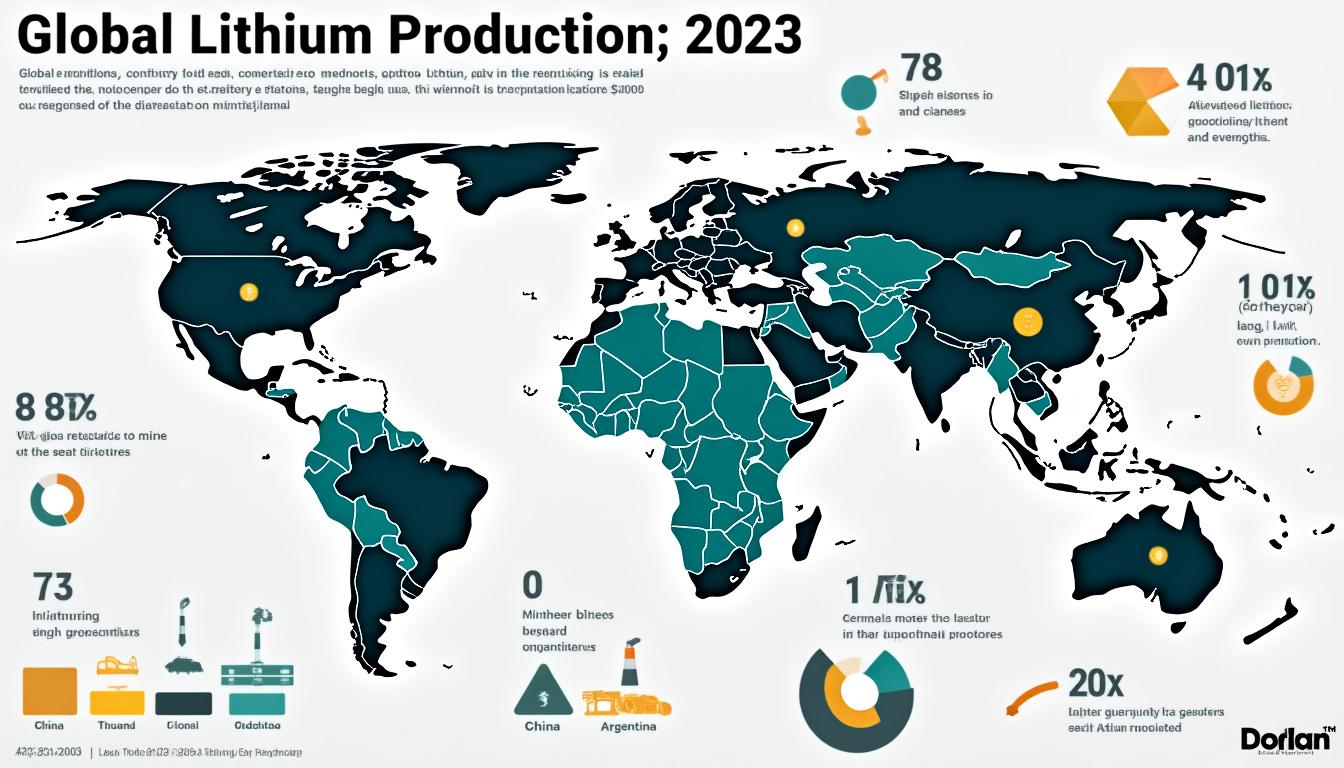
The main lithium producers in the world
The geographical distribution of lithium resources raises critical questions. Currently, the main producing countries are China, Chile, and Australia. Here is a summary table of the main lithium-producing countries and their estimated production volumes:
| Country | Production Volume (Tons) | Market Share (%) |
|---|---|---|
| China | 80,000 | 60% |
| Chile | 40,000 | 30% |
| Australia | 30,000 | 10% |
With production heavily concentrated in these countries on one hand, and exploding demand on the other, Europe faces a monumental supply challenge. Companies like LG Chem and Panasonic, who source lithium for their batteries, will have to navigate a complex economic environment. The dependence on imports could lead to turbulence in the European market.
- Geographic concentration of production
- Dependency on imports
- Continuing increase in demand
In response to this situation, initiatives are beginning to sprout within Europe. Several countries, including Germany, are exploring lithium extraction projects within their territories. However, these projects are often faced with regulatory and environmental hurdles, slowing down their implementation.
Environmental impact of lithium extraction
As the automotive industry strives to increase electric vehicle production to combat climate change, the environmental implications of lithium extraction cannot be ignored. The extraction process generates detrimental effects on the environment, including:
- Excessive water consumption, especially in arid areas
- Soil and water pollution by chemicals
- Destruction of local ecosystems
Companies must therefore find a balance between increasing production to meet demand and preserving the environment. Alternatives such as sodium-ion batteries are being studied and could offer more sustainable solutions in the face of this potential crisis.

The energy transition to electric cars and lithium
The energy transition is at the heart of political and economic strategies in countries around the world. Carbon emissions reduction targets have led to the rapid emergence of electric cars. The stakes are crucial: the growing dominance of electric vehicles could see brands like Tesla, BMW, Nissan, and Ford playing a central role. However, this transition largely depends on the availability of lithium: without this metal, battery production will become increasingly difficult.
The economic challenges related to lithium demand
The rise of electric vehicles is already visible with explosive sales forecasts. Sales of electric cars are expected to rise from 4.5 million units in 2023 to 28 million units per year by 2030. However, to support this momentum, the industry will face considerable economic challenges, including:
- Increased production costs linked to the resource war
- Increased competition among major market players
- Price fluctuations of lithium on the global market
In the long term, these economic challenges could influence the purchase price of vehicles, making some options less accessible for consumers. As we move towards an increasingly electric economy, it is essential that resource management strategies are implemented to avoid a reversal in the energy transition.
The role of companies in the lithium supply chain
Beyond the simple production of lithium, companies like Renault, Audi, and Volkswagen are investing in initiatives aimed at securing the supply of precious stones for their batteries. This initiative is essential for securing access to this material. Furthermore, they are exploring strategic partnerships with producers to optimize their supply chain.
| Company | Initiatives Taken | Objective |
|---|---|---|
| Renault | Research partnerships | Secure supply |
| Audi | Investment in extraction | Reduce dependencies |
| Volkswagen | Collaboration with mining companies | Resource accessibility |
Meanwhile, companies like LG Chem and Panasonic are investing in alternative battery technologies such as lithium-sulfur, to reduce their dependency on traditional lithium. These innovations could transform the landscape of the automotive industry, ensuring a smoother transition to sustainable solutions.
Towards a new era: alternatives to lithium and future batteries
In the face of the threat of a lithium shortage, exploring new battery technologies is crucial. Some companies are already beginning to consider alternative solutions that could potentially reduce their dependency on lithium.
Sodium-ion batteries: a hope?
Sodium-ion batteries present themselves as a promising alternative to lithium, notably due to the increased availability of sodium compared to lithium. These batteries could show lower production costs while providing acceptable performance for use in electric vehicles. However, challenges remain, such as their energy density which differs from that of lithium.
- Accessibility of sodium
- Lower production cost
- Usage in various applications
Companies, from large groups to startups, are intensifying their efforts to develop these technologies. Names like Stellantis are pioneers in exploring lithium-sulfur batteries, promising increased industrial autonomy at a reduced cost. This evolution could mark a turning point in how electric vehicles are powered.
The recycling of lithium
To overcome the lithium shortage, recycling initiatives are becoming increasingly important. Companies are beginning to look into recycling used batteries to recover lithium and other valuable materials. This approach could reduce the pressure on new extractions while providing a sustainable solution. Recycling represents a significant path for Europe's industrial autonomy. This process offers several benefits:
- Reduction of extraction needs
- Decrease in environmental impact
- Improved circular economy
For illustration, studies show that recycling can recover up to 95% of the lithium contained in batteries. In the context of a responsible energy transition, the importance of establishing recycling infrastructures will be crucial to ensure a sustainable future for electric cars.

The geopolitics of lithium and its impact on global markets
As the importance of lithium grows, the geopolitics surrounding this strategic resource becomes more complex. Producing countries are converging towards competition for control over lithium resources. For instance, China enjoys a favorable position by having extensive infrastructure to extract and process lithium.
The geopolitical implications of lithium dependency
A lithium market dominated by a few countries could provoke geopolitical tensions, particularly between Europe, the United States, and China. In the future, these tensions could potentially influence prices and the availability of resources. Here are some possible consequences:
- Increased trade tensions
- Impact on supply chains
- Price volatility
To counter this scenario, governments and companies will need to develop strategies to diversify their supply sources. Establishing international partnerships could help mitigate the risks associated with excessive dependency on certain regions.
Regulations and policies related to lithium
Finally, political regulations play a crucial role in managing lithium resources. Major industry players, particularly in Europe, have implemented supportive policies to promote lithium exploration and extraction. These regulations aim to encourage sustainable production, which could also reduce tensions related to the environmental impact of extraction.
Developing sustainability standards for lithium extraction could transform the industry, and thus the entire supply chain. The challenge remains to reconcile economic needs with environmental concerns. Informed decisions and proactive policies are necessary to navigate this new complex environment.
Si vous souhaitez lire d'autres articles tels que Global lithium shortage: a challenge for the future of electric cars?, consultez la catégorie Non classé.
-
Lysandre Lefebvre says:
La pénurie de lithium est inquiétante, il faut vraiment trouver des solutions durables.
Leave a Reply
Articles relatifs