A mini Japanese electric car that easily fits into the trunk of a van!



The Mibot, the latest gem from KG Motor, embodies the future of urban micro-vehicles in Japan. Designed to navigate the narrow streets of the Japanese metropolis, this single-seat electric microcar is already making waves in the market. With a highly competitive entry price of 6,000 euros, it positions itself as a credible alternative to classic Japanese brands like Toyota and Honda. The Mibot stands out particularly for its ability to fit into the trunk of a van, a practical aspect that underscores its revolutionary potential in a country where urbanization is booming.
Compact dimensions: innovation at the service of the city
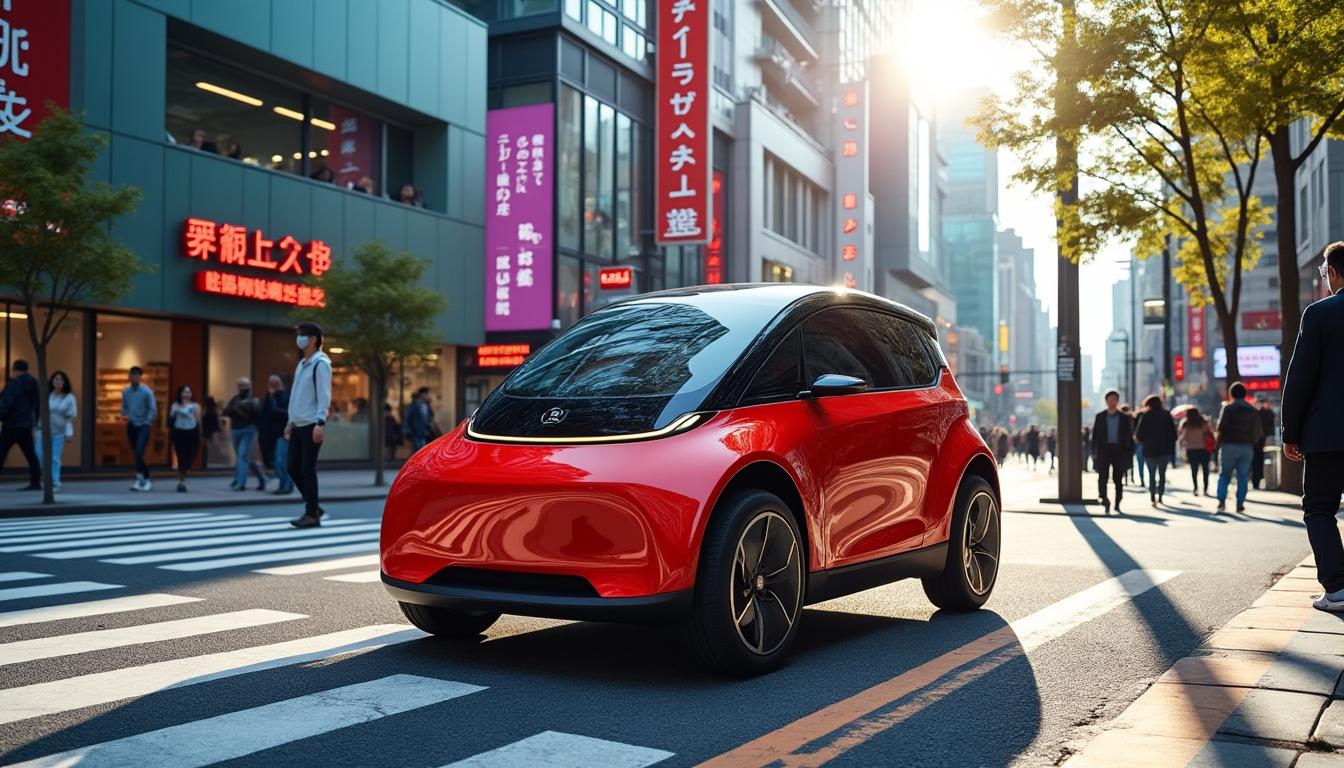
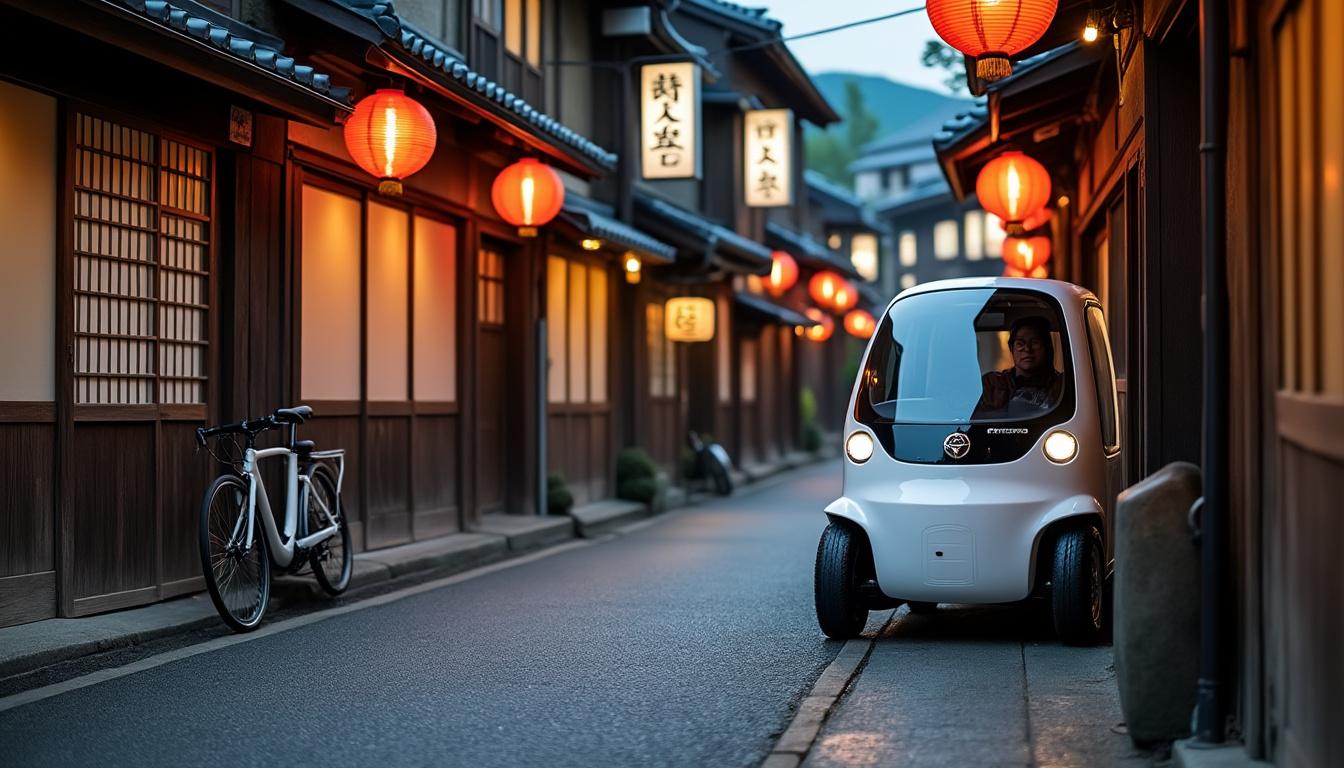
The Mibot measures only 2.49 meters long and 1.13 meters wide, making it one of the most compact quadricycles on the market. In Japan, where narrow streets are common, this reduced size allows it to weave into spaces where traditional cars struggle to venture.
A thoughtful design for urban use
This micro car is equipped with a battery offering up to 100 km of autonomy, which is more than sufficient for daily urban commutes. Its maximum speed is 60 km/h, suitable for the speed limits often encountered in Japanese cities. The technical features of the Mibot clearly illustrate the main objective: to meet the mobility needs of an increasingly growing urban population.
The challenge of the Japanese market
Although Japan is known for its technological advancement, the adoption of electric cars remains low. In 2024, brands like Toyota and Nissan sold only 2,000 electric vehicles, a figure that reflects a certain reluctance towards this new technology. Japanese consumers often prefer vehicles of a more traditional format, complicating the introduction of models like the Mibot.
- Infrastructure issues for electric vehicles
- Cultural preferences for larger cars
- Perception of technology as unsuitable for daily needs
KG Motor's contributions to the local market
In light of this situation, KG Motor's founder, Kazunari Kusunoki, aspires to shake up conventions. He states that the traditional automotive industry designs cars that are becoming increasingly cumbersome and unsuitable for urban living conditions. The Mibot is a response to this trend with the ambition to revitalize a category of vehicles often overlooked. With 2,250 units already sold, the Mibot, while considered smaller than traditional Kei cars, is beginning to create enthusiasm around it.
| Characteristic | Detail |
|---|---|
| Length | 2.49 meters |
| Width | 1.13 meters |
| Autonomy | 100 km |
| Maximum speed | 60 km/h |
| Price | 6,000 euros (1 million yen) |
Potential impact on the Japanese automotive sector
The breakthrough of the Mibot in the Japanese market could have significant consequences for the entire automotive sector. While major players like Toyota and Honda continue to dominate, the Mibot could pave the way for other manufacturers wishing to explore the compact and electric vehicle segment. With brands like Mitsubishi and Nissan also seeking to diversify their range, the highly competitive scenario could positively evolve.
A model for other manufacturers to follow
The success of the Mibot is not only based on its technical features but also on its ability to capture consumers' attention. Indeed, with the increasing awareness of environmental issues, more people are looking for eco-friendly transport options.
Challenges to overcome for KG Motor
Despite its attractive price and compact dimensions, KG Motor must overcome several challenges: establishing adequate infrastructure for electric cars and changing consumer mindsets. The electrification of vehicles is often perceived as synonymous with cost and complications.
Market status in 2025
By 2025, recent events around energy needs and batteries could see a resurgence of interest in mini electric cars. Smaller companies like KG Motor could benefit from this shift with a production goal of 10,000 units per year. However, this will require the company to adapt quickly to competition.
The cultural repercussions of the Mibot
Beyond simple sales figures, the Mibot represents a real cultural shift in how Japanese people view their commuting. This small quadricycle represents the future, less polluting and more suited to modern society. It could also encourage other companies to explore new designs and innovative concepts, thus influencing the Japanese automotive landscape.
The design and its implications
The design of the Mibot is not limited to its exterior appearance. It also suggests a simpler lifestyle focused on practical and efficient commuting. The popularity of the Mibot could encourage similar initiatives from major industry names such as Subaru, Daihatsu, or Kawasaki that could compete with its features.
The role of media and social networks
The perception of the Mibot in the market will also depend on the media and social networks. Sharing experiences and testimonials on platforms like Instagram and Facebook can play a key role in persuading more skeptical consumers. A strong presence on these channels could make this micro-car indispensable in the daily life of urban Japanese residents.
The progression of production and future expectations
KG Motor has embarked on an ambitious roadmap. Increasing production to 10,000 units per year represents a monumental but feasible challenge, considering the growing interest in electric mobility solutions. However, the company must ensure that its supply chain can keep up with this growth.
Logistical challenges related to growth
One of the major challenges for the future will be optimizing production logistics. With the increasing interest in electric batteries, suppliers of raw materials, such as lithium, may become increasingly sought after. Costs should also be monitored to remain competitive in the market.
- Increased pressure on material suppliers
- Risk of rising production costs
- Importance of seeking innovations to attract young consumers
A long-term vision for KG Motor
In this context, it will be essential for KG Motor to maintain a long-term vision. The environmental and economic repercussions of decisions made today will define their position in the market of tomorrow. More and more consumers are becoming aware of the impact of their transport choices, which could very well work in favor of the Mibot.

Trends and future: towards a new automotive era
Looking towards the future, the success of the Mibot in the coming years could change the game for the sector. The consumers of 2025 could revolutionize their vehicle purchasing preferences, prompting major industry names, such as Isuzu and Mazda, to consider smaller and more efficient options. Meanwhile, KG Motor's model could serve as an example for future developments around micro electric vehicles.
The Mibot represents not just a new car on the market, but it could become a symbol of renewal in the perception of urban mobility in Japan.
Si vous souhaitez lire d'autres articles tels que A mini Japanese electric car that easily fits into the trunk of a van!, consultez la catégorie Non classé.
-
Kairo Takashiro says:
Le Mibot est une véritable innovation qui pourrait transformer nos déplacements en ville.
-
Le Mibot pourrait vraiment changer notre façon de voyager en ville. C'est ingénieux!
Leave a Reply
Articles relatifs