Renewable energy and coal: China's paradoxical strategy

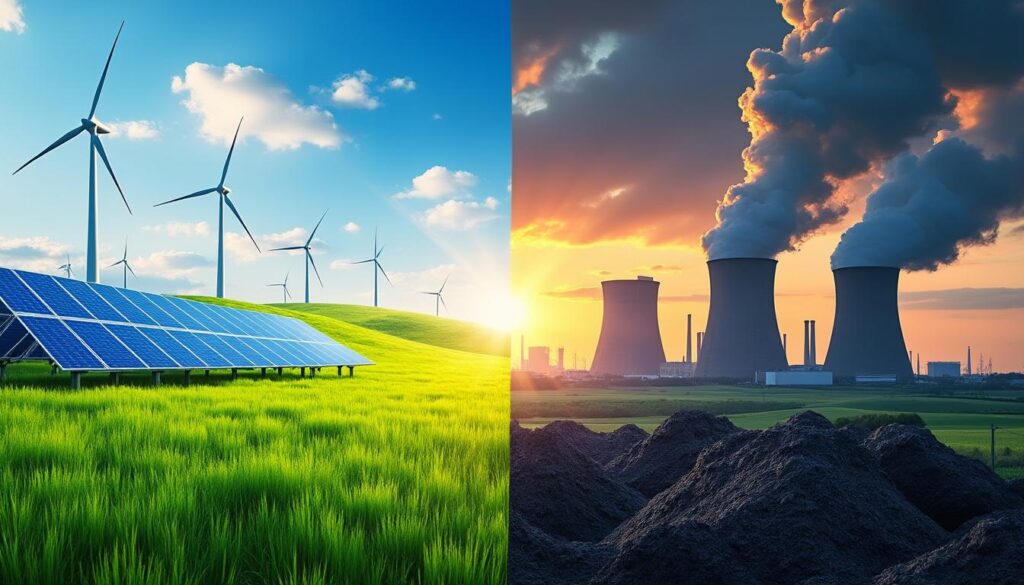

At the dawn of the energy transition, China finds itself at an intriguing crossroads, juggling between renewable energies and coal. While the country is investing heavily in green initiatives, a closer look reveals a stubborn dependence on fossil fuels, highlighting a fascinating paradox.
Unmatched dominance in clean technologies
The numbers speak for themselves: China has become the undisputed leader in clean energy. By 2025, the country will capture nearly a third of the $3.3 trillion of global investments in the energy sector, including a significant share for renewable energies. This dynamic is reshaping the global energy map, offering exceptional opportunities for producers like Neoen, Engie, and Solarwatt.
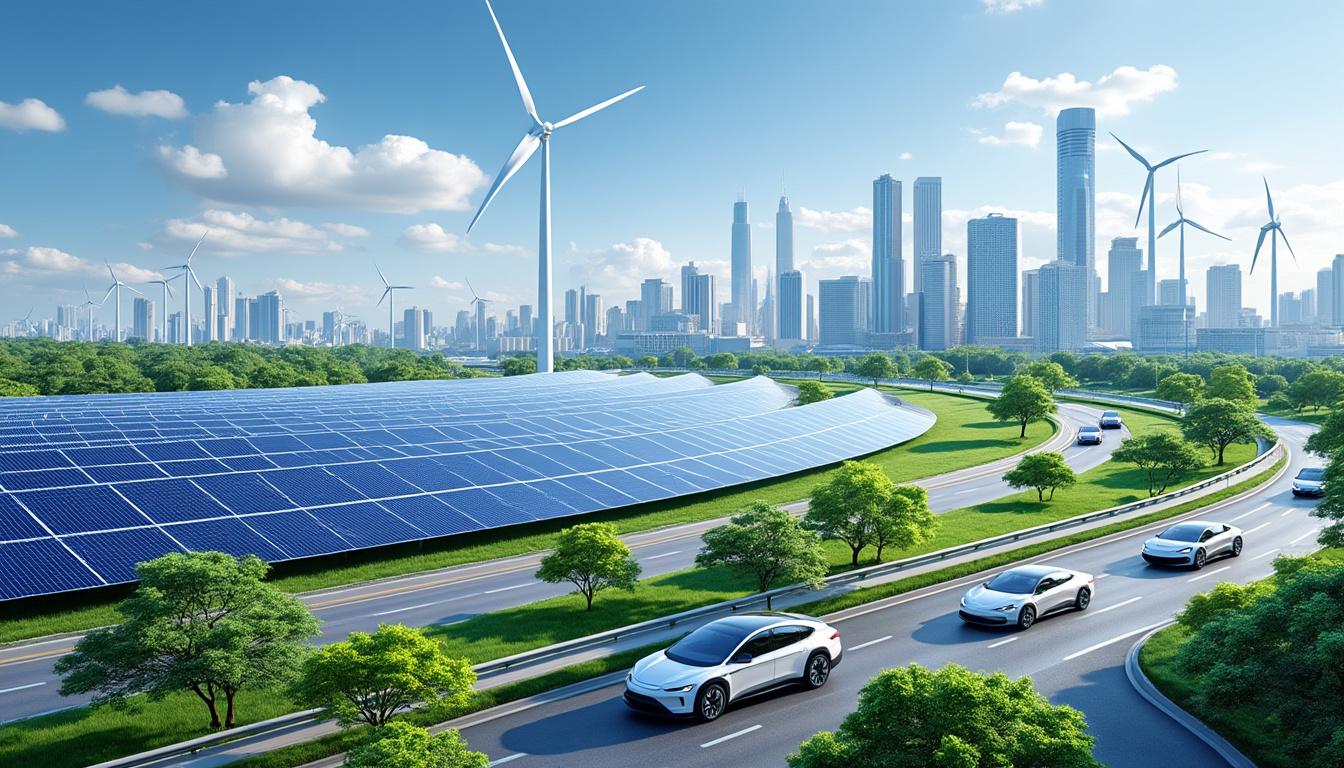
Colossal investments in solar and storage
Investments in the photovoltaic sector will reach $450 billion by 2025. This amount not only enhances energy efficiency but also impacts the production cost of electric vehicles. Companies such as BYD and CATL benefit from this, making them more competitive internationally.
- 💰 $450 billion in solar
- 🔋 $65 billion for lithium-ion battery storage
- 🚗 Rise of electric vehicles
Coal: a legacy hard to erase
Despite these advances, China continues to build new thermal power plants. In 2024, nearly 100 gigawatts of new coal capacity were approved, driving production to alarming levels. This explosive mix raises questions about the carbon footprint of the electric vehicles produced.
| Year | Coal Capacity (GW) | Renewable Capacity (GW) |
|---|---|---|
| 2020 | 1000 | 250 |
| 2024 | 1100 | 600 |
| 2025 | 1200 | 800 |
This duality shows a worrying dependency on coal, threatening to undermine decarbonization efforts. The IEA warns: investments in electricity infrastructure must keep pace, yet only $400 billion per year are allocated to this crucial task.
Infrastructure under pressure
With rapid development, power grids are showing signs of strain. Slow permitting processes and supply chain bottlenecks hinder the necessary deployment of fast-charging stations. This could potentially slow the adoption of electric vehicles. 🌐
- 🔌 Delays in permitting
- ⚡ Supply bottlenecks
- 🚧 Risks for electromobility

From a nuclear future to the emergence of new technologies
The reevaluation of nuclear energy, with a recent increase in investments of 50% over five years, may offer a potential alternative to reduce the carbon footprint associated with electric vehicle production while complementing renewables.
European players such as Volkswagen and Renault are watching this evolution closely. Adapting their strategies, these brands are turning to partnerships with Chinese battery suppliers or relocating their production to remain competitive in the market. 🚗💨
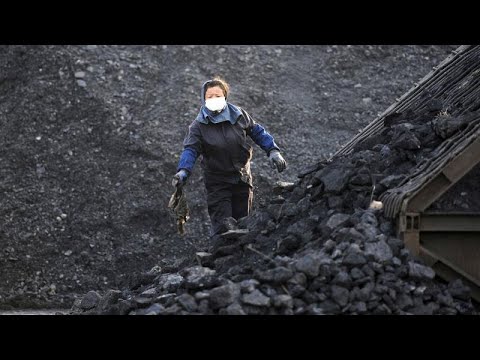
This phenomenon is reshaping the global industrial geography and questioning technological sovereignty outside of China, which, in a paradoxical surge, positions itself as a champion of the energy transition while remaining attached to its coal heritage.
Si vous souhaitez lire d'autres articles tels que Renewable energy and coal: China's paradoxical strategy, consultez la catégorie Non classé.
-
Zyra Quinlan says:
C'est fascinant de voir comment la Chine navigue entre énergies renouvelables et charbon.
-
La dépendance à charbon de la Chine est inquiétante malgré ses efforts pour les énergies renouvelables.
-
C'est fascinant de voir comment la Chine équilibre énergies renouvelables et charbon, mais ça soulève des questions importantes.
-
C'est fascinant de voir comment la Chine balance entre énergies renouvelables et charbon.
-
La dépendance de la Chine au charbon freine vraiment ses efforts pour une transition énergétique réussie.
Leave a Reply
Articles relatifs