BMW reintroduces a discussed method to increase the range of its electric vehicles

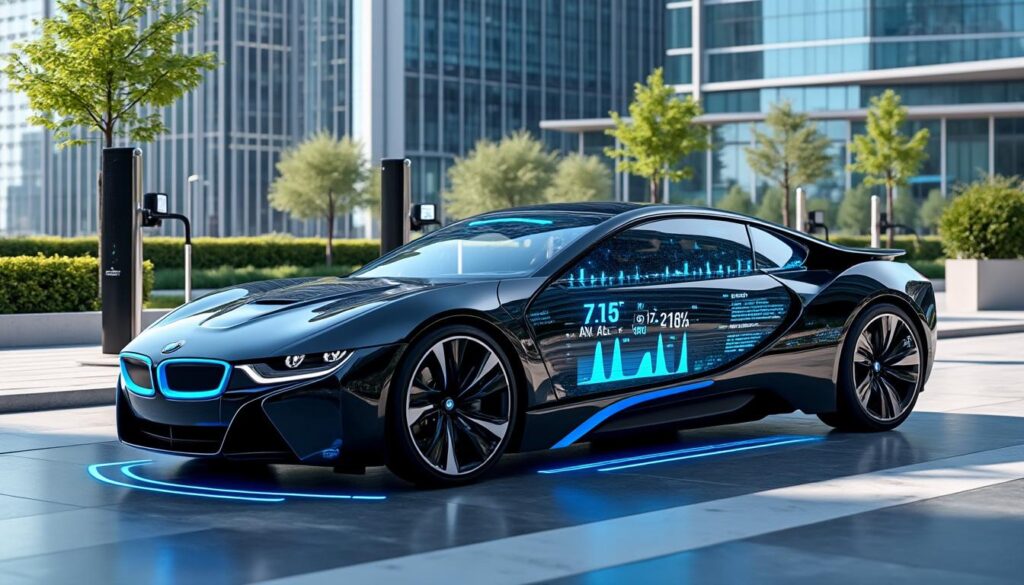

In an ever-evolving electric vehicle market, where range becomes crucial, BMW is making a bold move by reintroducing a once-controversial technology. This decision marks a significant turning point for the brand, which is determined to strengthen its position in the face of increasingly aggressive competition. By opting for a range extender, BMW hopes not only to attract new customers but also to revitalize interest in its electric models. This choice is motivated by specific customer needs while taking into account the technical challenges and associated costs of this technology. With the promise of improving range without sacrificing performance or efficiency, this strategy could well redefine the future of sustainable mobility.
BMW's New Electric Ambitions for Range
In the face of rising demand for electric vehicles offering increased range, BMW has always been at the forefront of innovation. In 2025, the brand had already proven itself with its series of electric models, but the need to go further remains crucial. According to current trends, many drivers want to travel at least 400 kilometers on a single charge, a requirement that pushes manufacturers to innovate continuously.
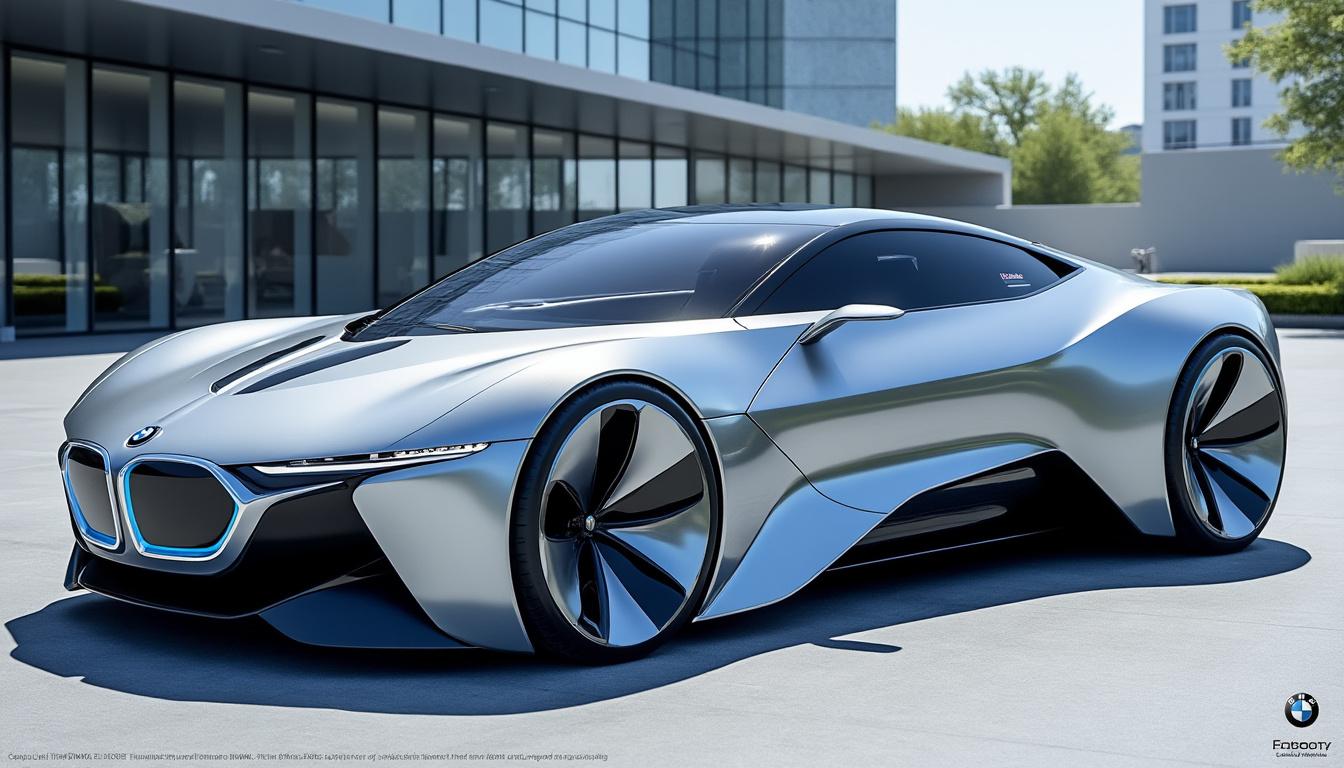
For BMW, the key lies in developing range solutions that do not rely solely on larger capacity batteries. In addition to traditional techniques, the brand is considering revitalizing the concept of a range extender, a technology it first introduced on the BMW i3 in 2013. At that time, this adjustment was crucial to address the lack of charging infrastructure. This back-to-basics approach could effectively address the concerns of new drivers.
Why the Range Extender is Back in the Spotlight
The range extender, sometimes referred to by the term REx (Range Extender), will allow for increased range while maintaining the overall appeal of the model for potential buyers. Developed to act as a generator without being integrated into the main powertrain, this technology will clearly increase the range of vehicles while avoiding a substantial increase in the weight of the affected models.
BMW's decision to reintegrate this method responds to the effectiveness of a changing market. Among the strategic choices, it is important to note:
- Increased flexibility: Drivers can travel without fearing limitations from the number of charging stations.
- Reduced emissions: By integrating hybrid technology, BMW could lower emissions by optimizing the operation of its thermal engine.
- Production costs: The integration of existing systems could reduce costs while increasing the efficiency of new ranges.
For better understanding, a comparative table could highlight the expected features of this innovation:
| Features | Before | After |
|---|---|---|
| Range | 400 km | 600 km |
| Charging system | Standard charging | Fast charging with extender |
| CO2 emissions | High | Reduced |
This desire for renewal and adaptation to market needs not only meets the demands of drivers. It also illustrates BMW's commitment to being at the forefront of sustainable mobility in a context where electromobility is essential for the future of the automotive industry.

The Challenges of the Return of the REx Range Extender
The return of the range extender at BMW does not come without challenges. While the technology offers interesting prospects, it also raises important questions. Among these, current regulations on electric vehicles play a major role in the perception of this innovation.
One point of contention is related to the categorization of vehicles. A vehicle with a thermal engine as a generator will not be considered a fully electric vehicle in France, which would deprive it of ecological incentives. This could pose a financial risk, as French buyers may be deterred by the lack of ecological bonus.
To understand the financial stakes, it is useful to consider:
- Acquisition costs: Risks of additional costs due to taxes not applied to true electric vehicles.
- Competition: The presence of other 100% electric models in the same market segment could diminish the appeal of the extender.
- Customer perception: The dangers of a misinterpretation of the technology by the public, even if it presents clear benefits.
This return must be carefully orchestrated to avoid compromising BMW's reputation in the field of innovation. The adoption of this technology could also vary by region, as evidenced by the current debate over the regulation of hybrid vehicles in Europe:
| Country | Range Extender Classification | Ecological Bonus |
|---|---|---|
| France | Non-electric | Not applicable |
| Germany | Electric | Applicable |
| United Kingdom | Electric under certain conditions | Applicable |
This table helps visualize the impact of regulations on the model's appeal depending on the regions. These regulatory challenges, conducive to debate, compel BMW to adopt an adapted marketing strategy, which could include specific campaigns to clarify the advantages of this technological choice.

An Architecture Ready for the Future
To ensure the success of its return, BMW highlights an 800-volt architecture for the new X5 model, whose orientation towards electromobility is undeniable. This technological advancement is significant as it promises to substantially improve charging speed. BMW claims that it will be possible to add 300 kilometers of range in just 10 minutes of charging.
This 800-volt architecture is an evolution from conventional systems and allows for full utilization of available power for rapid charging. To illustrate the impact of this innovation, here are some key points to note:
- Energy efficiency: This technology reduces energy loss during charging, offering a prolonged user experience.
- Production costs: This solution promises to reduce manufacturing costs by up to 50%, thus favoring more competitive prices in the market.
- Environmental sustainability: Optimized materials and processes ensure a reduced carbon footprint.
This technological evolution not only echoes customer needs but also fits into a broader dynamic: the reduction of emissions and the transition to a sustainable future in the automotive sector. Indeed, this architecture resonates with consumer demands for sustainability.
Comparison with Competitors
To better understand BMW's impact and positioning, a comparative analysis with other manufacturers using a similar approach proves relevant. With a landscape taking shape, industry trends show that several brands, such as Volkswagen and Leapmotor, are also considering range extenders, but each with its own specifics:
| Manufacturer | Model | Salient feature |
|---|---|---|
| BMW | X5 Electric REx | Integrated range extender, 800V architecture |
| Volkswagen | Future EV | Thermal integration for increased range |
| Leapmotor | C10 REEV | Range extender with multiple energy options |
This table shows the similarities and differences between various manufacturers, each striving to bring its own vision to this technology. With the rise of electric vehicles, these innovations are essential to maintain a high level of competition in the market.
The Impact on the Market and Consumers
As BMW considers the return of the method of the range extender, it is essential to look at the potential impact of this strategy on companies and consumers. The dynamic of the electric vehicle market is constantly changing, and choices made by a single brand can have far-reaching repercussions on the entire industry.
For consumers, the adoption of REx technology could offer numerous advantages:
- Overview of new options: Consumers will see more choices, particularly in terms of range.
- Improved user experience: Range anxiety could decrease, thereby increasing confidence in electric vehicles.
- Operating cost: Optimized use of power systems will lead to long-term energy savings.
To better grasp this phenomenon, the following table presents an analysis of consumer expectations regarding new range technologies:
| Expectation Criterion | % of consumers expressing this need |
|---|---|
| Range exceeding 500 km | 75% |
| Fast charging (under 30 minutes) | 82% |
| Reduced operating costs | 68% |
These figures reflect a growing demand that could guide the future directions of BMW and other industry players. By effectively integrating the range extender into its offerings, BMW appears well-positioned to capitalize on this opportunity.
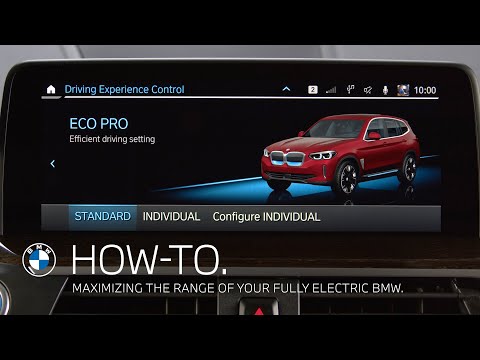
The electric vehicle sector is at a significant turning point, and BMW's return of the range extender reflects ongoing efforts toward innovation and performance improvements in vehicles. Through an integrated approach aimed at ensuring desired range while offering competitive solutions, BMW could very well revitalize interest in its vehicles within the realm of electromobility.
Si vous souhaitez lire d'autres articles tels que BMW reintroduces a discussed method to increase the range of its electric vehicles, consultez la catégorie Non classé.
-
Azura Lumens says:
C'est intéressant de voir BMW réinventer le range extender. Cela pourrait vraiment aider les conducteurs!
-
C'est intéressant de voir BMW revenir sur cette technologie. Cela pourrait vraiment améliorer l’autonomie des voitures électriques.
Leave a Reply
Articles relatifs