The concerns of an automotive expert regarding the 2035 Green Deal and the challenges of the Chinese market



The challenges facing the European automotive industry are of unprecedented magnitude. As the European Union commits to banning the sale of internal combustion engine vehicles by 2035, the market reality presents significant obstacles. Major industry players like Renault, Peugeot, and Volkswagen are being called upon to reassess their strategies in the face of fierce competition, particularly from the Chinese market. Economic uncertainties and consumer expectations add to an already complex situation. Experts are expressing growing concerns about the viability of these ambitious goals.
The Stakes of the Green Deal and Its Implications for the Automotive Industry
The European Green Deal represents a decisive turning point towards a decarbonized economy. This ambitious plan argues that internal combustion engine cars should no longer be an option on the market starting in 2035. These goals, while admirable, raise fundamental questions about their feasibility and the impact they could have on the European automotive economy. How will major brands such as BMW, Mercedes-Benz, and Ford adapt?
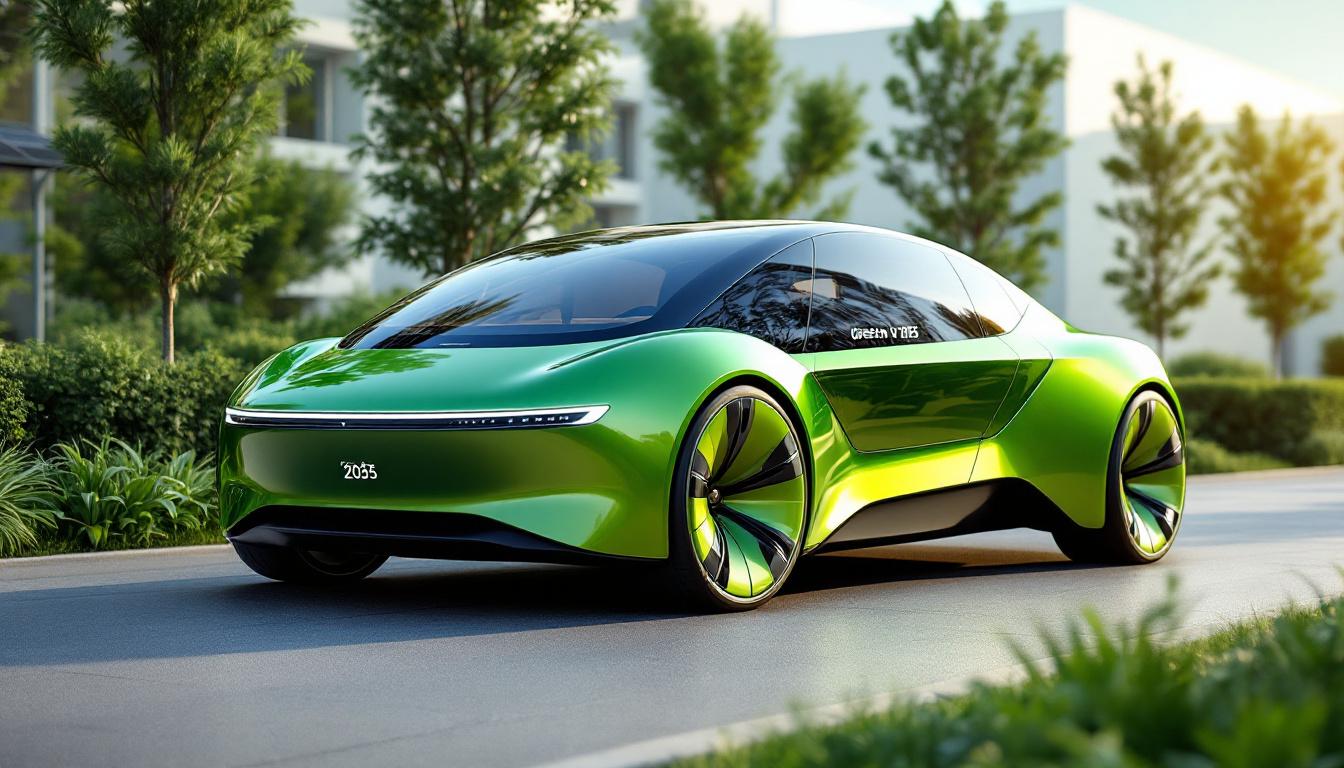
To address these challenges, companies must consider several crucial factors:
- Technological transition: The rapid shift towards electrified vehicles requires manufacturers to innovate quickly. Investment in research and development is key, but at what cost?
- Consumer satisfaction: Consumer concerns, particularly regarding the performance and price of electric vehicles, must not be underestimated. Understanding their needs is essential.
- Global competition: Asian brands like Toyota and Nissan are playing an increasingly competitive role, offering electric vehicles at affordable prices.
Experts also emphasize that planning this transition must include a phase of easing. Companies need to be able to react quickly to evolving market demands, as a lack of flexibility could lead to a real crisis in the sector.
Concerns of Industry Stakeholders
Industry leaders, such as Luc Chatel, president of the Automotive Platform, express their concerns about the future of the industry. Chatel has warned that the European automotive industry "is not eternal." This alarming observation prompts reflection on preventive measures to adopt before reaching strict deadlines. A revision of standards could better meet market needs while respecting environmental objectives.
Companies are sounding the alarm about the lack of regulatory flexibility. The transition to greener mobility cannot happen without continuous dialogue between governments and industry players. A strong partnership among various stakeholders in the sector could ensure a viable future for the automotive industry.
The Chinese Market: An Unavoidable Challenge
Alongside the objectives of the Green Deal, the Chinese market presents another source of tension for European automotive companies. By 2025, China continues to be a world leader in the production and sale of electric vehicles. Chinese brands, such as BYD and Geely, are conquering the international market with attractive and accessible models. This phenomenon questions the position of traditional companies like Citroën and Ford, which struggle to maintain their market share.
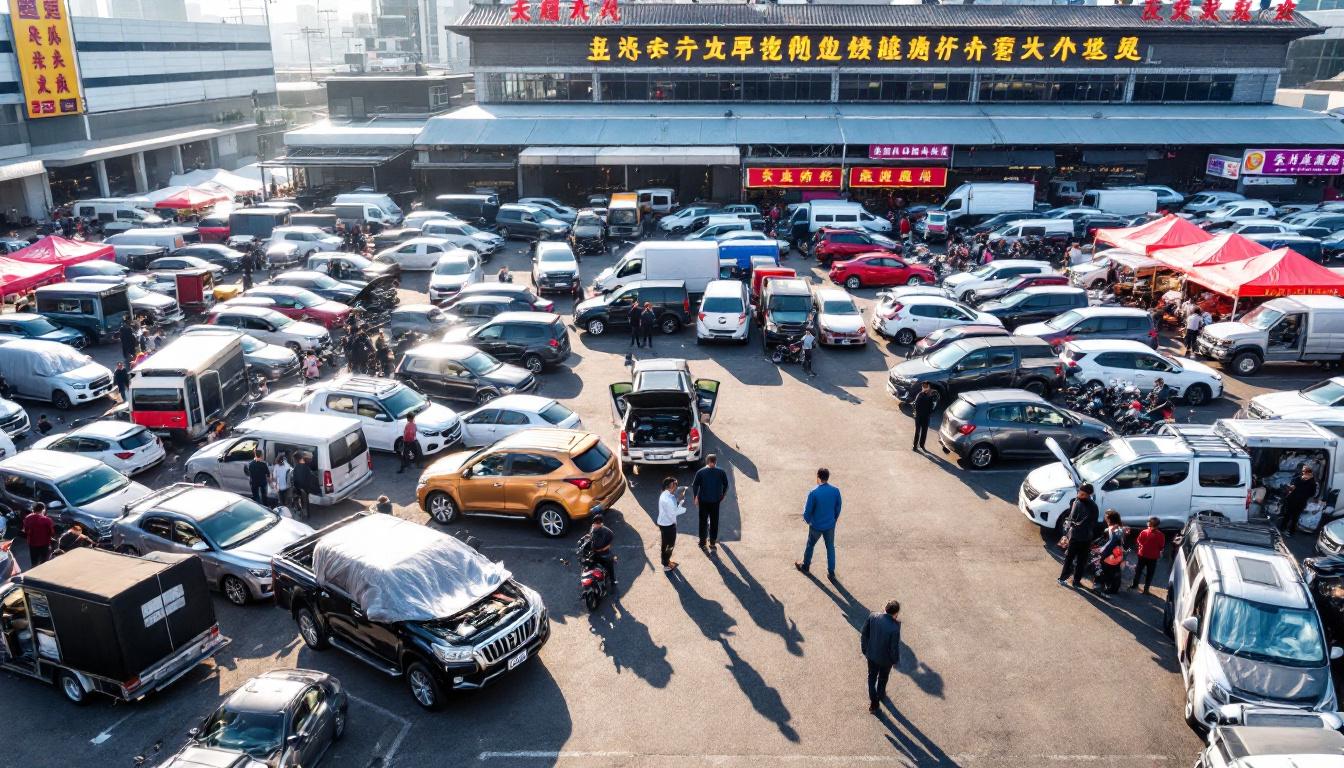
In light of this reality, it is essential to examine what makes Chinese manufacturers so successful:
- Competitive pricing: Chinese manufacturers offer electric vehicles at significantly lower costs, making competition difficult for European brands.
- Rapid innovation: Innovation initiatives in China are multiplying. Technological advancements are swift and accompanied by strong production capacity.
- Market adaptation: Chinese companies prioritize local expectations, allowing them to respond quickly and effectively to consumer needs.
This dynamic raises questions about the viability of the traditional business models adopted by brands like Mercedes-Benz and Tesla. At a time when rapid adaptation is crucial, historical models seem outdated.
The Economic Effects of the Green Deal on the European Market
The economic consequences of the Green Deal are concerning. Alarming forecasts indicate that up to 50% of French automotive production could disappear by 2030. This would result in a loss of 40,000 jobs, a catastrophic scenario that weighs heavily in an uncertain global economic context. Market players are facing structural challenges that could undermine the sustainability of the European automotive sector.
Efforts to transition to low-emission vehicles must be accompanied by support structures. Simplifying regulatory standards would be a significant step forward. To better understand these impacts, a table may help visualize the comparison between brands:
| Brand | Market Share in 2025 | Electrification Strategy | Ongoing Innovations |
|---|---|---|---|
| Renault | 10% | Hybrid and electric vehicles | New electric platform in development |
| Peugeot | 8% | Offensive electrification | Collaboration with tech startups |
| Volkswagen | 15% | Complete transition to electric | ID model expansion |
| Tesla | 12% | Sale of electric models only | Constant improvements in autonomous driving software |
The Need for Strategic Dialogue
Times of economic uncertainty require strategic dialogue within the automotive industry. The European Parliament has promised to facilitate such a "strategic dialogue," but questions remain. What needs to be discussed? It is essential to review the Union's position on CAFE standards and related fines. Market players, such as BMW and Ford, are calling for revisability of regulations to allow for rapid adaptation to market evolutions.

- Revision of CO2 standards: Easing could encourage innovation.
- Transition support: Temporary subsidies to support research and development of electrified vehicles.
- Adaptation to market changes: Identify solutions for regulatory flexibility.
Assessments in 2025 will play a crucial role in defining the way forward. The dialogue around sustainability and competitiveness must be strengthened so that the automotive industry does not become a victim of its own ambition.
Towards a Sustainable Future
The challenge is substantial, but there remains an opportunity. Looking towards the future, a dynamic horizon of possibilities is emerging. Industry players must rethink their business models while maintaining a focus on sustainability. Other sectors are learning from the experience of the energy transition; the automotive sector has no choice but to adjust. Ultimately, the initiative must come from the companies themselves. Focusing on an integrative approach that places the consumer at the heart of transformations is key to ensuring that the automobile of tomorrow is both sustainable and desirable. Only then can the transition truly begin.
Si vous souhaitez lire d'autres articles tels que The concerns of an automotive expert regarding the 2035 Green Deal and the challenges of the Chinese market, consultez la catégorie News.
-
Elwynn Bardot says:
Le passage à l'électrique semble difficile, mais c'est essentiel pour l'avenir de l'industrie.
Leave a Reply
Articles relatifs