Insights into the French automotive market: the essentials and trends to note for May 2025

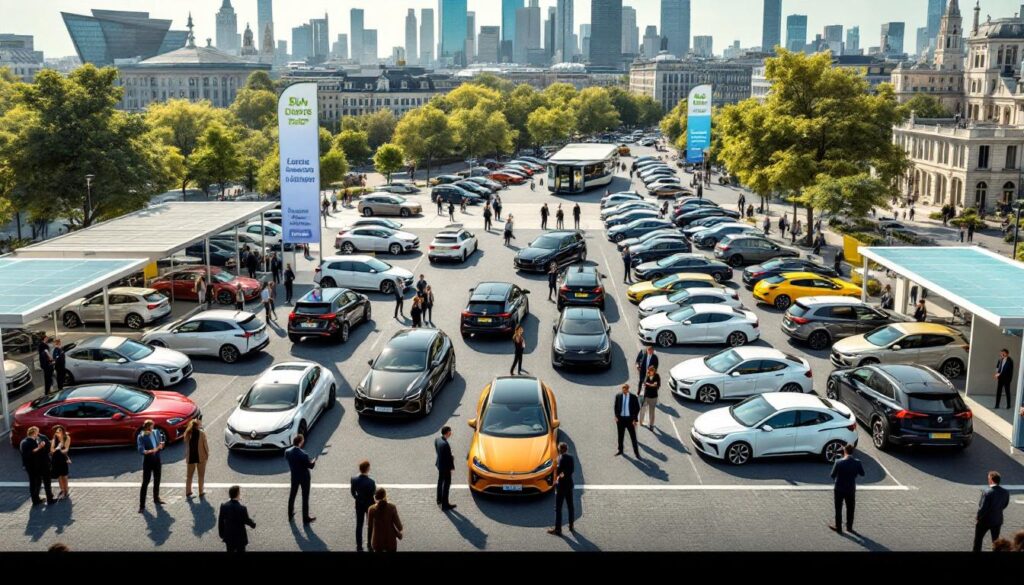

The French automobile market is going through a turbulent period. The figures from May 2025 reveal an alarming drop in new car sales, which amounted to 123,918 registrations. This decline of 12.3% compared to the previous year crystallizes significant economic and environmental issues. As the transition to more environmentally friendly vehicles continues around, the question remains: how are market players adapting to this new reality?
Sales Dynamics in the French Automobile Sector
The automobile sector in France is undergoing complex transformations. Current data shows a significant contraction in the market, plunging major players, such as Renault, Peugeot, and Citroën, into a zone of turbulence. The economic context, marked by persistent inflation and increasing uncertainty, directly impacts the purchasing power of households. Many consumers are forgoing the purchase of a new vehicle. In recent months, factors such as the semiconductor shortage have exacerbated the situation. We are also witnessing longer delivery times, making the offer less attractive.
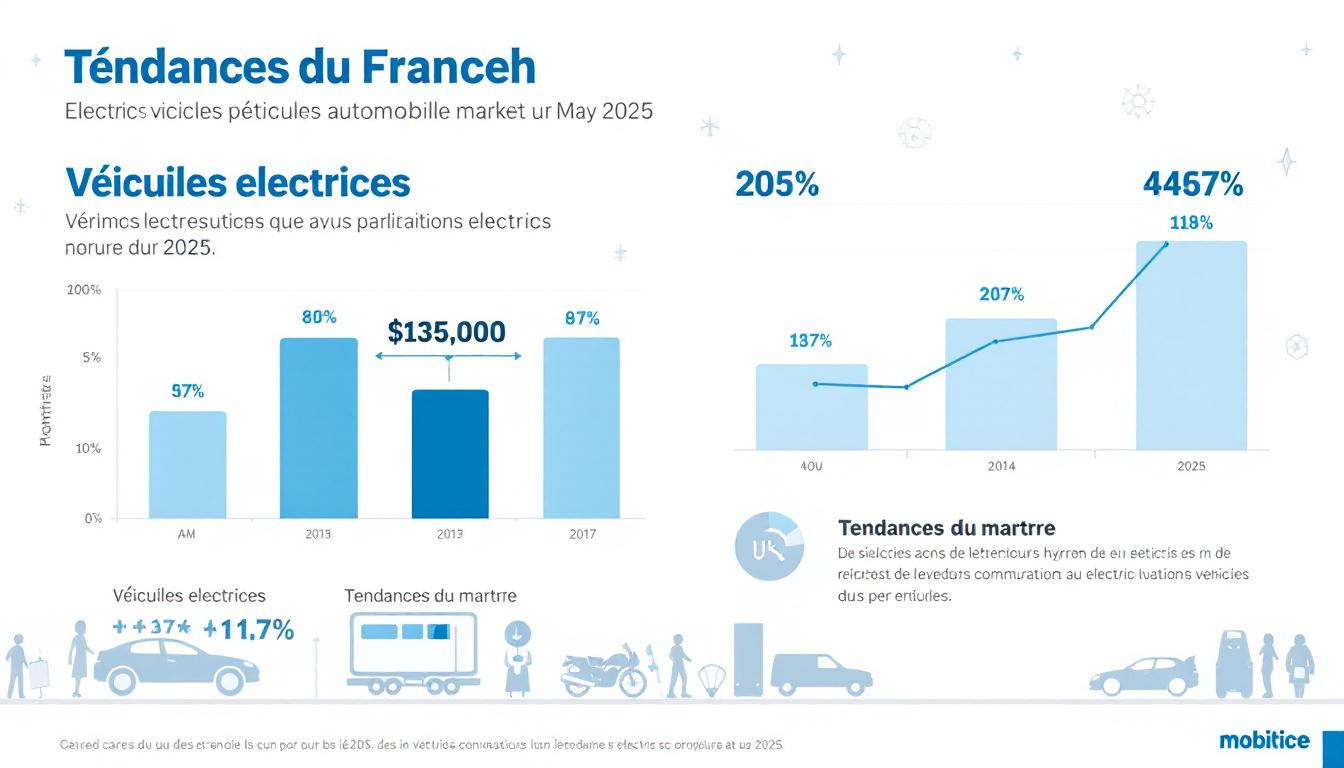
This phenomenon is not limited to French brands. Volkswagen and other major foreign brands are also feeling this market contraction. All segments are affected, from city cars to SUVs, without distinction. Those who thought that the rise of electric and hybrid models would be enough to revive the sector are confronted with reality, where innovation must face financing and infrastructure challenges.
Factors Influencing Automobile Purchases
Several reasons explain this dynamic. First, high-interest rates for financing vehicles contribute to a decrease in sales. Moreover, government incentives for purchasing electric vehicles are not sufficient to offset price increases.
- Rising financing rates
- Insufficient government incentives
- A limited supply of vehicles due to the semiconductor shortage
- Environmental concerns
Consumers are also turning toward more sustainable options. However, this transition involves significant investments. Brands must not only adapt their offerings but also reassure buyers about the durability of these choices. How can the sector win back these customers? By focusing on cost clarity, transparency regarding carbon footprints, and support in the transition to greener vehicles.
| Brand | Revenue 2025 | Change Compared to 2024 |
|---|---|---|
| Renault | 5 billion euros | -10% |
| Peugeot | 4.5 billion euros | -8% |
| Volkswagen | 6 billion euros | -5% |
| Toyota | 3.5 billion euros | -4% |

Performance of Key Market Players
Let’s take a closer look at the performance of the main players in the French market. While brands like BMW, Mercedes-Benz, and Audi attempt to maintain their position by offering high-end vehicles, popular brands like Nissan and Ford are under significant pressure on their sales.
The issue is not only about the numbers but also about the adoption of new technologies. Electric models are progressing, but their market share remains limited. Many people are still hesitant to make the leap, partly due to associated costs and insufficient charging infrastructure. The availability of charging stations and innovations in battery technology will play a crucial role in adoption. The need to combine performance and ecology is becoming a priority for manufacturers.
The Impact of Electrification on the Market
The shift to electric vehicles is certainly underway, but it also raises a crucial debate: what real impact is this electrification having on the market? Everything suggests that some players are better prepared than others.
- Renault and its electric range: the Twingo Electric model is managing to attract interest.
- Volkswagen focuses on making its ID models accessible.
- Toyota, with its hybrids, finds a growing audience.
Each of these brands must reassess its strategy in light of the growing demand for sustainable mobility. The market does not hesitate to question traditional business models. What the sector needs is a true long-term vision. This upheaval requires deep reflection on the future of mobility.
| Brand | Flagship Model | Type of Engine | Market Share (%) |
|---|---|---|---|
| Renault | Zoe | Electric | 12% |
| Peugeot | e-208 | Electric | 10% |
| Volkswagen | ID.3 | Electric | 9% |
| Toyota | Corolla Hybrid | Hybrid | 15% |
Challenges of Supply and Production
Brands are facing complex supply challenges. Delays in supply chains remain concerning. The lack of essential components, especially those related to advanced technologies, continues to disrupt production. While some manufacturers like Nissan are performing decently, others struggle to maintain their production levels. This situation leads to an imbalance between supply and demand, causing frustration among customers.
Consequences on Delivery Times
Customers, unable to order their vehicles in a reasonable time frame, feel neglected. This may lead them to turn to other brands or models, resulting in a loss of trust in national manufacturers. In reality, the impact of these delays should not be taken lightly. Manufacturers are forced to find alternative solutions, such as optimizing production processes or seeking new suppliers.
- Reassessing supply strategy
- Investing in innovative production technologies
- Increased collaboration between manufacturers and suppliers
These challenges present an opportunity for innovation. By integrating new technologies, companies can not only improve their productivity but also increase their resilience against market fluctuations.
| Challenge | Proposed Solutions | Potential Impact on the Market |
|---|---|---|
| Electronic component shortages | Strengthening local partnerships | Improved supply |
| Increased production time | Automation of production lines | Increased production capacity |
| Demand fluctuations | Flexibility in production lines | Rapid adaptation to trends |
Consumer Expectations and Their Evolution
As the market evolves, consumer behaviors are transforming. Today's buyers are more demanding. They are looking for not just a vehicle but an experience. This transition toward a new form of consumption is reflected in a marked interest in properties such as sustainability and transparency. Brands must understand and respond to the needs of this new generation of consumers.
The Importance of Customer Experience
Customer satisfaction is no longer just a simple product question. Brands must create an emotional connection with their consumers. This involves investing in immersive experiences, whether online or in dealerships. Online reviews also have consequences. A single evaluation can influence purchasing decisions. Manufacturers must take this factor into account.
- Creating communities around brands
- Personalizing services and offers
- Utilizing customer reviews to enhance brand image
Major brands, such as BMW and Mercedes-Benz, are beginning to understand this dynamic. By adopting a customer-centric approach, they are gaining valuable points.
| Consumer Expectation | Brand Response | Impact on Learning |
|---|---|---|
| Sustainability | Electric and hybrid models | Gaining popularity |
| Transparency | Communication on carbon footprint | Improvement of brand image |
| Personalization | Configurable offers | Increased customer satisfaction |
Si vous souhaitez lire d'autres articles tels que Insights into the French automotive market: the essentials and trends to note for May 2025, consultez la catégorie News.
Leave a Reply
Articles relatifs