Hydrogen car: a necessity to rethink?

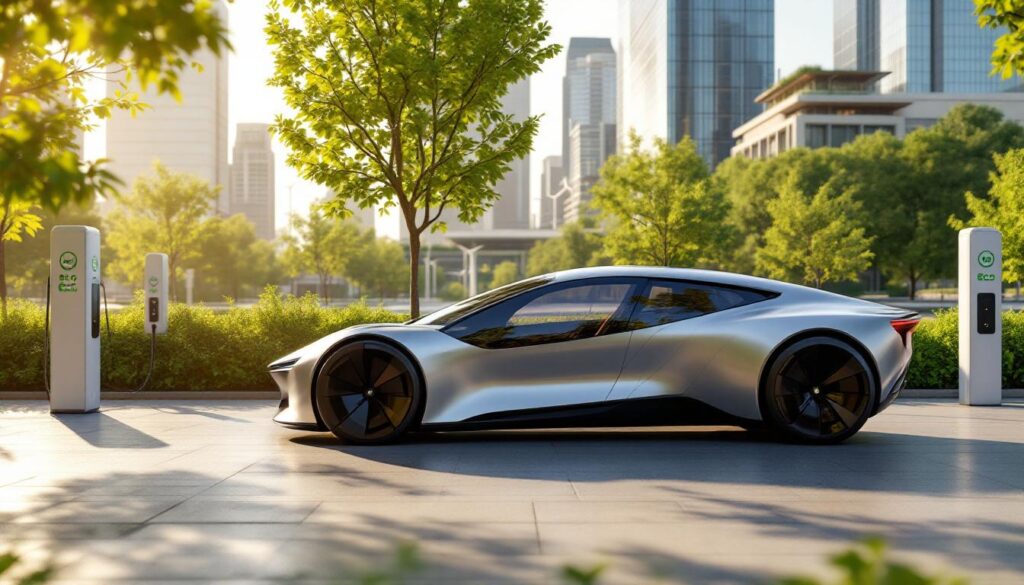

The debate around hydrogen cars is more vibrant than ever. With the growing enthusiasm for the energy transition and the fight against carbon emissions, this technology presents itself as an innovative alternative. But does it really deserve the attention it receives? The advantages and disadvantages of hydrogen vehicles must be highlighted, as well as their uncertain future in a context where electric cars dominate. Let’s discover together what this complex issue hides.
The advantages and disadvantages of hydrogen vehicles
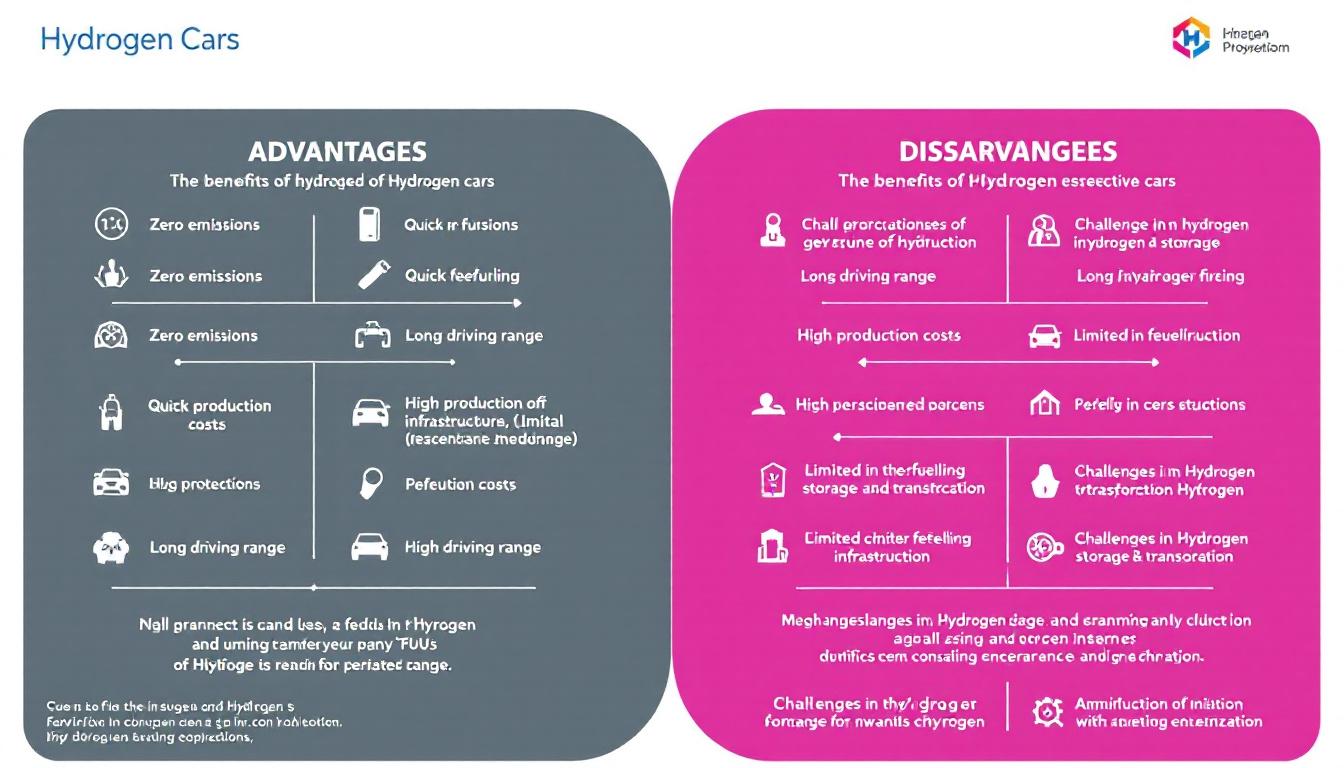
Many experts argue that hydrogen cars represent an interesting solution to reduce carbon footprints, particularly in the automotive sector. They only emit water vapor, thus eliminating traditional pollutants. However, several points nuance this flattering image.
The undeniable advantages of hydrogen cars
First, the refueling speed is a significant argument. Unlike electric cars, which require long hours to recharge, hydrogen vehicles can be refilled in just a few minutes. This feature will be essential for users who regularly travel long distances.
Furthermore, the range of hydrogen cars is often greater than that of their electric counterparts. This allows drivers to make long trips without worrying about finding a charging station, a key issue for mass adoption.
The obstacles to overcome
Despite these advantages, the disadvantages are numerous. One of the main challenges lies in hydrogen production. Indeed, more than 85% of global hydrogen comes from fossil sources, which raises the question of the sustainability of this technology. Additionally, the high costs of manufacturing hydrogen fuel cells, primarily due to the use of platinum, make this option expensive for consumers.
- Production costs: The production of clean hydrogen requires expensive electrolyzers.
- Distribution infrastructures: Hydrogen refueling stations are still rare and poorly distributed.
- Energy efficiency: The energy efficiency of a hydrogen car is lower than that of an electric car.
The functioning of a hydrogen car: mechanisms and issues
To fully appreciate the issues surrounding hydrogen cars, it is essential to understand how they work. These vehicles rely on hydrogen fuel cells that convert hydrogen into electricity, thus powering the electric motor.

This technology offers the advantage of zero-emission propulsion. Nevertheless, it is necessary to question how this hydrogen is produced and delivered to vehicles.
Hydrogen production: a crucial issue
Currently, the majority of hydrogen is produced by polluting methods, such as natural gas reforming. More ecological alternatives, such as water electrolysis, are developing, but they remain marginal. This situation raises questions about the future direction of investments. Should we focus efforts on the production of green hydrogen or continue to depend on fossil sources?
The ambitions of automotive companies
Major car manufacturers such as Toyota, Hyundai, and Honda continue to develop hydrogen models, thus challenging current trends in the electric market. BMW and Mercedes-Benz, on the other hand, are cautious and are testing the capabilities of their hydrogen vehicles but have not fully committed to this technology.
| Manufacturer | Model | Status |
|---|---|---|
| Toyota | Mirai | Available |
| Hyundai | Nexo | Available |
| Honda | Clarity | Limited production |
| BMW | Testing in progress | Prototypes |
| Mercedes-Benz | Testing in progress | Prototypes |
Hydrogen infrastructures and ecosystem: a stunted development
The development of an infrastructure network to support hydrogen cars is crucial. Currently, the limited number of refueling stations hinders the adoption of this technology. For a widespread rollout to be possible, a real territorial network must be established to serve all areas.

The economic and political issues
Currently, the French government has chosen to prioritize support for the decarbonization of heavy industries rather than personal mobility. This decision could slow investments in the infrastructure needed for the development of hydrogen cars.
- Insufficient budgets: The lack of funding for refueling infrastructures remains a major obstacle.
- Absence of a clear strategy: Companies struggle to navigate in an uncertain framework.
- Competing alternatives: Electric vehicles continue to dominate the market, making it difficult for hydrogen to emerge.
Initiatives to encourage development
Local initiatives have emerged in certain regions to promote hydrogen as a fuel of the future. In France, regional projects seek to improve the availability of refueling stations and encourage investments in infrastructure. This could provide a new boost to automotive hydrogen.
| Initiative | Objective | Progress status |
|---|---|---|
| Regional projects | Develop refueling stations | In progress |
| Industrial partnerships | Investment in hydrogen projects | Government support |
| Grant programs | Assist entrepreneurs in investing in hydrogen | To be developed |
The future of hydrogen cars: an uncertain vision
The prospects for hydrogen cars seem mixed. Despite undeniable advantages, the obstacles to overcome remain considerable. Brands like Volkswagen, Nissan, and Kia seem to be turning towards fully electric vehicles, leaving hydrogen for marginal use. This raises the question: can hydrogen really assert itself in the future of the automotive sector?

A technology to rethink
Hydrogen cars, although promising, require a reevaluation of their strategic development. Efforts should focus on optimizing production and infrastructure processes, as well as seeking new, less costly technologies. The future of hydrogen cars could then unfold in a more favorable context.
An opportunity to seize?
The growing awareness surrounding climate issues could offer a second chance to hydrogen technologies. Companies need to reassess their strategies and consider new collaborations to facilitate the establishment of suitable refueling stations. The question of hydrogen should not be abandoned, but rather explored with a fresh perspective.
The road still seems long, but the stakes are too high to ignore them. Should we abandon hydrogen or give this technology a new chance? This question, more than ever, deserves to be addressed.
Si vous souhaitez lire d'autres articles tels que Hydrogen car: a necessity to rethink?, consultez la catégorie Non classé.
-
Zéphirin Lascaux says:
Les voitures à hydrogène semblent prometteuses, mais beaucoup de défis restent à relever.
-
Les voitures à hydrogène pourraient vraiment changer la donne, mais il reste beaucoup à faire.
-
Les voitures à hydrogène ont un bel avenir, mais les défis restent énormes.
-
Hydrogène semble prometteur, mais des défis importants subsistent. C'est à suivre de près.
-
Les voitures à hydrogène ont du potentiel, mais les obstacles restent nombreux. À suivre!
Leave a Reply
Articles relatifs