The imminent end of the tax bonus for electric car charging stations



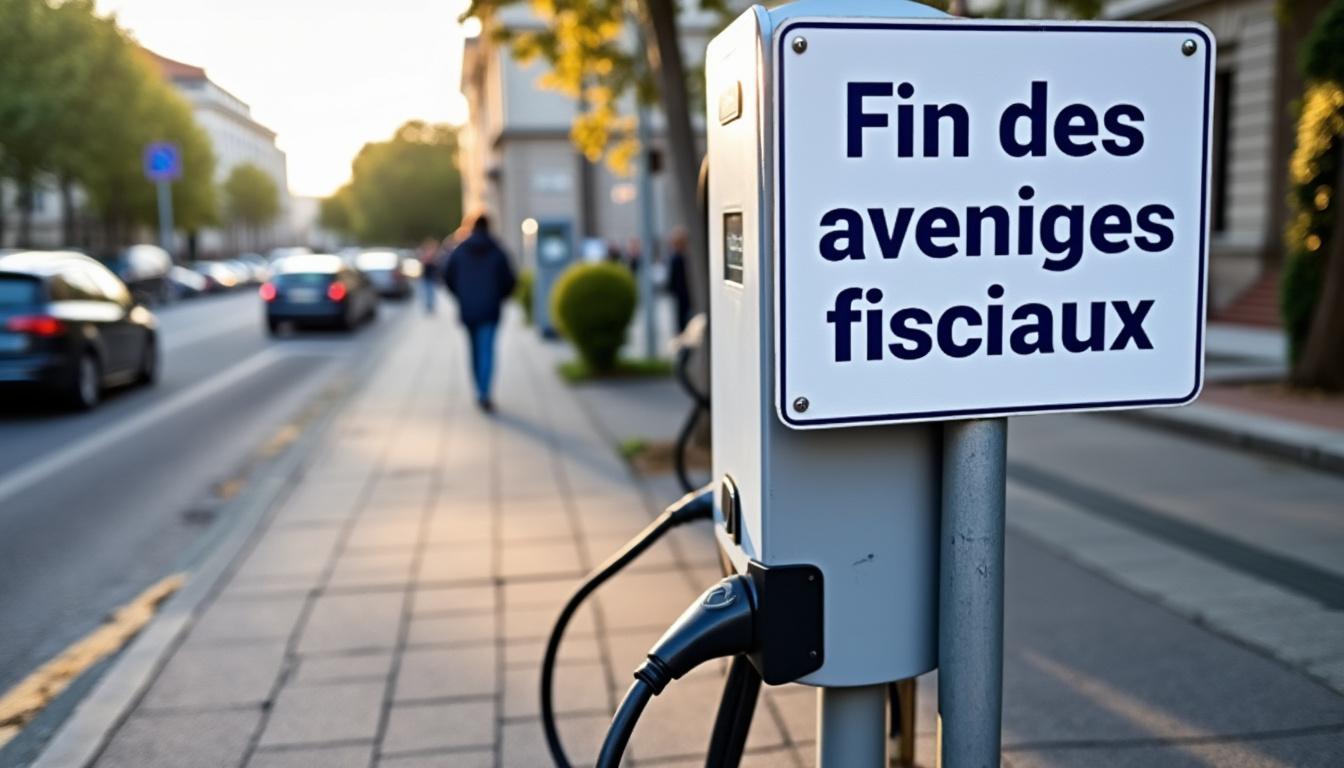
This year, France is preparing for a decisive turning point in the field of electric mobility. Indeed, the tax support associated with charging stations for electric vehicles could take a serious hit. For several years, the state has encouraged the growth of eco-friendly vehicles through various incentives, but as of January 1, 2025, these benefits may no longer be available. Companies and individuals must anticipate this major change that could transform the automotive landscape in France.
The stakes of the end of tax bonuses for charging stations
The elimination of tax bonuses related to charging stations for electric vehicles represents a crucial issue, not only for the automotive and energy sectors but also for the environment. Companies like Renault, Peugeot, and Volkswagen have bet on accelerating the transition to electric vehicles, but changes in tax aids could have a significant impact on consumer choices.
A declining support: the importance of the tax credit
Since 2021, a tax credit has been established for households wishing to install charging stations. This incentive, which has been renewed and subsequently enhanced, could reach up to 2,000 € per tax household. The conditions were relatively favorable: whether you are an owner, tenant, or occupant of a dwelling free of charge, the tax credit was accessible. In 2025, all of this could change.
- Change in consumer attitudes regarding the end of tax aids.
- Potential impact on the electric vehicle fleet.
- Less incentive to turn to eco-friendly options.
Today, the French automotive fleet includes 1,418,588 fully electric vehicles, while charging infrastructures struggle to keep up with only 163,656 publicly accessible charging points. Therefore, it is essential to maintain these aids to avoid slowing down the energy transition.
The consequences for companies and individuals
With the end of these tax benefits, companies that had installed charging stations to offer their employees a free charging solution will face a new fiscal environment. The free provision of charging stations will be considered a benefit in kind and subject to taxation.
| Type of benefit | Tax regime before January 1, 2025 | Tax regime after January 1, 2025 |
|---|---|---|
| Home charging station | Non-taxable (tax credit) | Taxable as a benefit in kind |
| Work charging station | Non-taxable | Taxable as a benefit in kind |
In this new context, it is likely that companies in the automotive industry such as Tesla, Nissan, and Audi will reevaluate their policies regarding the provision of these infrastructures. This could slow down the adoption of electric vehicles in companies, a sector that is vital for the growth of this mode of transport. With declining support measures, incentives to transition to electric may diminish.
The reaction of main actors in the automotive market
Brands like BMW, Hyundai, and Kia must already think about their strategy in response to this fiscal evolution, as government support has been a major lever in the development of their electric vehicle ranges. These brands have the mission to offer cars that are not only high-performing but also environmentally friendly, and the end of incentives could weigh on their offerings.
A necessary adaptation
The imminent end of tax incentives forces manufacturers to explore alternatives to maintain their sales. Several approaches can be considered for this:
- Increase charging services at points of sale.
- Offer personal incentives such as subsidies for charging station installations.
- Create partnerships with energy suppliers to make charging more accessible.
It is essential to anticipate innovative solutions to capture the interest of an increasingly environmentally conscious clientele. Moreover, corporate federalism could lead to increased collaboration for charging infrastructures. Indeed, unity is strength, and a collective effort could address this new situation.
Alternative solutions for companies
Facing these challenges, companies might consider offering mobilization alternatives such as the leasing of equipment or integrated charging service contracts. Thus, an organization like Citroën could adopt leasing solutions that include the installation of charging stations, making electric vehicles more attractive without relying on tax aids. This could also fuel a new economic model based on sustainable mobility solutions.
Environmental and societal perspectives at stake
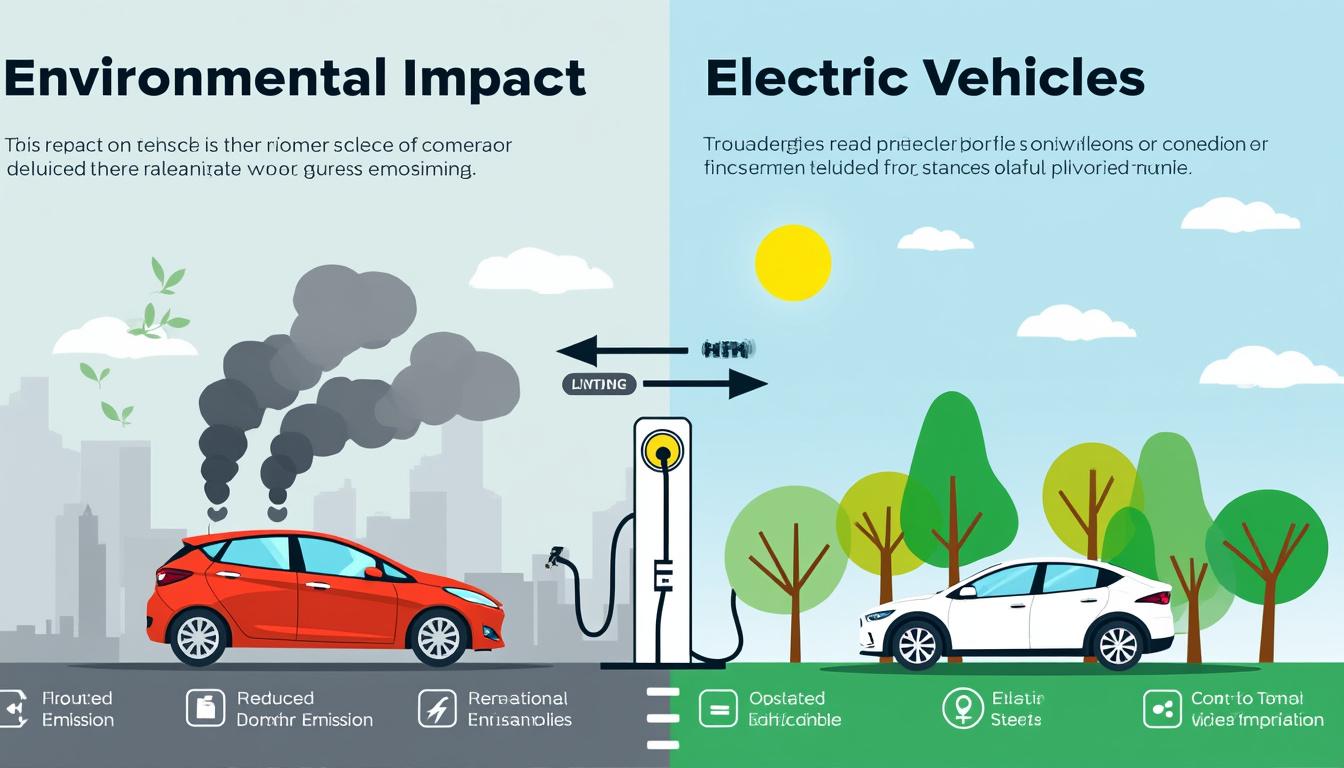
As climate concerns grow increasingly pressing, the end of tax aids could raise questions about the future of environmental efforts in France. Consumers are more and more inclined to choose eco-friendly vehicles like those offered by Volkswagen, Peugeot, and Renault. If the state no longer supports this momentum, what will be the impact on carbon emission reduction targets?
A turning point in climate commitment
The absence of fiscal support could imply a setback regarding commitments made for the planet, where even companies are worried about the viability of their business models. The potential consequences of this change could manifest as:
- A slowdown in the energy transition
- A disengagement of companies towards sustainable practices
- A negative perception of electric vehicles by consumers due to higher costs
Studies have shown that tax incentives significantly increased the purchase of electric vehicles. If they disappear, the perception of electric vehicles could suffer. Thus, actors like Hyundai and Kia may confront this dynamic with proactive communication on the benefits of electric, alternating between information and consumer education.
What alternatives for society?
In light of this worrying situation, electric mobility stakeholders must take proactive measures to maintain consumer engagement. This could include initiatives such as:
- Awareness programs about the benefits of electric vehicles.
- Partnerships with cities for the installation of accessible charging stations.
- Involvement of public authorities for a transition that aligns with environmental issues.
Ultimately, each of the stakeholders involved, whether companies, institutions, or even consumers, must collaborate to find suitable solutions in the face of the imminent end of tax aids. It is thus possible to continue promoting electric mobility and ensure the sustainability of efforts for a sustainable future.
The need for a coherent vision for the future
Consulting the current trends, it appears that a structured vision is essential to grasp the upcoming challenges in electric mobility. Stakeholders must strive to develop an offer that is both attractive and competitive. Consumers need to feel supported in their choices. This is a shared challenge for all brands, whether Audi, BMW, or Tesla, which must work together to stimulate customers' desire to choose electric.

The next few years will be decisive for both the automotive industry and public policies. Because it concerns the future of many companies and the health of our planet. Without this reciprocal commitment, there is a risk that the growth of electric vehicles will be hindered and that we will miss a crucial opportunity to create a more sustainable world.
Si vous souhaitez lire d'autres articles tels que The imminent end of the tax bonus for electric car charging stations, consultez la catégorie Non classé.
-
Lioré Papillon says:
C'est vraiment inquiétant de voir les aides disparaître pour les bornes de recharge. Ça pourrait freiner la transition écologique.
-
La fin des aides fiscales pour les bornes de recharge risque de nuire à l'électromobilité en France.
-
C'est dommage de voir les aides disparaître, ça pourrait freiner l'électromobilité en France.
-
C'est inquiétant de voir la fin des aides fiscales, cela pourrait vraiment nuire à l'adoption des véhicules électriques.
-
C'est inquiétant de voir la fin des aides. Cela pourrait freiner l'adooption des véhicules électriques.
Leave a Reply
Articles relatifs