Promising advances for electric vehicles in Europe revealed by these figures

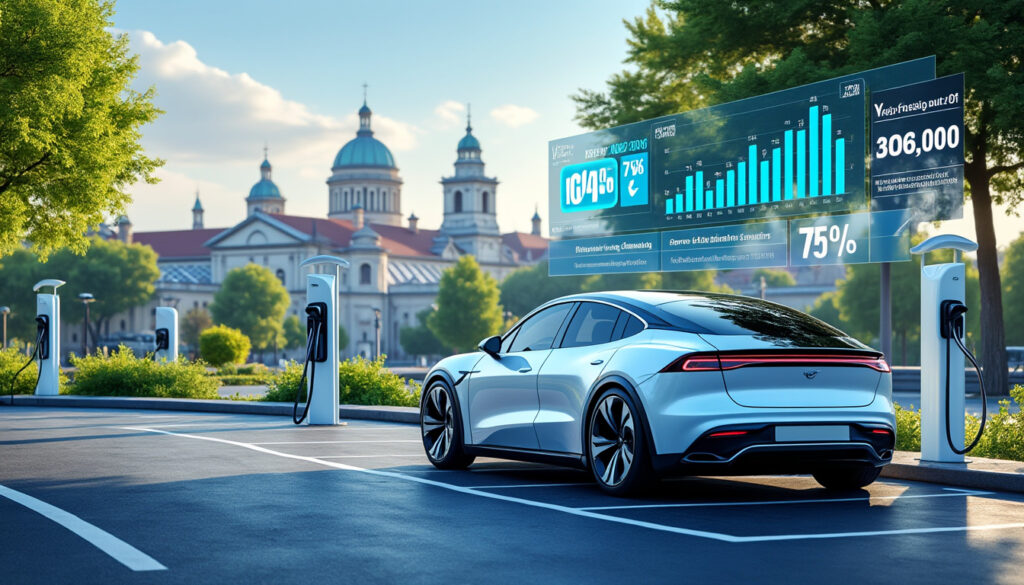

The latest trends in the European automotive market reveal significant movements around electric vehicles. 2025 is shaping up to be a pivotal year, especially with the rise of various players in this booming segment. This evolution echoes an ideological transition, where alternative drivetrains begin to meet a genuine societal need for sustainable mobility. Let us explore together the figures and analyses that outline the contours of changes to come in the European automotive industry.
The rebound of electric vehicle sales in 2025
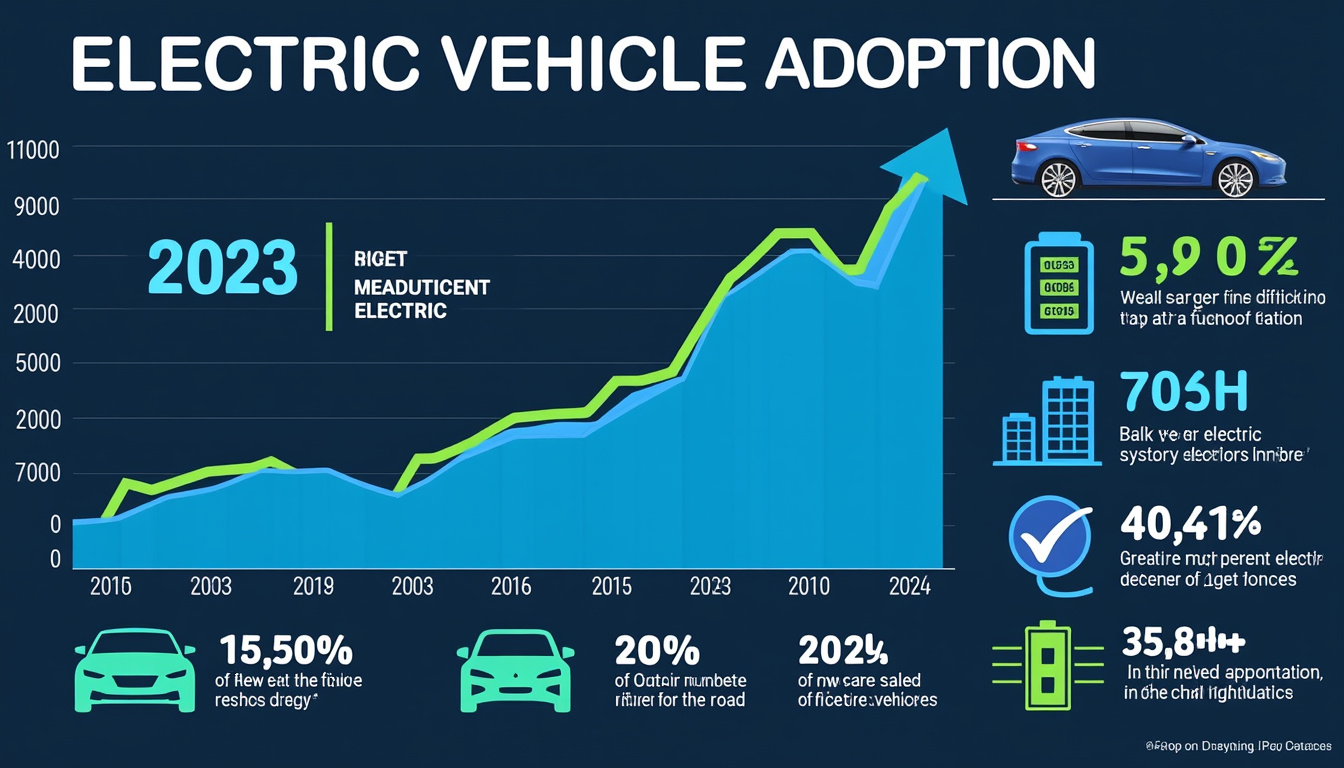
After a very difficult year in 2024, particularly due to an uncertain global economic context, 2025 marks a return to growth for electric vehicle sales in Europe. The figures are telling: sales have recorded a 29% increase since the beginning of the year, thus confirming the forecasts of industry analysts. This momentum can be explained by several factors, ranging from changing consumer preferences to government policies favoring the electrification of transport.
The main drivers of this growth
Several elements explain this positive phenomenon:
- Diversification of the offer: All major manufacturers, such as Renault, Volkswagen, BMW, and even Nissan, have expanded their range of electric vehicles, making the choice more appealing for consumers.
- Improved charging infrastructure: The deployment of a network of charging stations is essential to alleviate buyers' concerns. In 2025, ambitious projects are emerging in several European countries.
- Financial incentives: Governments continue to encourage the purchase of electric vehicles through subsidies and financial aids, thus facilitating their accessibility.
These factors, combined with international commitments to reduce CO2 emissions, create a favorable environment for the adoption of zero-emission vehicles. ACEA data indicates a 26.4% jump in electric car registrations in the first four months of 2025 compared to the previous year.
| Country | Increase in Sales (%) |
|---|---|
| Germany | 42.8 |
| Belgium | 31.3 |
| Netherlands | 6.4 |
Although the market share of electric vehicles hovers around 15.3%, there is no doubt that the acceleration of sales continues to draw attention to this sector. Nevertheless, some countries like France seem to be lagging, with a slight decrease of 4.4% in registrations compared to the previous year.
The stakes of the energy transition in Europe
As Europe prepares to ban the sale of internal combustion engine vehicles by 2035, it is essential to consider the implications of this transformation. The stakes are high: environmental, economic, and social. European governments have had to firmly commit to this direction, thus prompting car manufacturers to adapt quickly to these new standards.
Diversification of motorization technologies
A significant share of vehicle sales in 2025 comes from hybrid vehicles, including plug-in hybrids. These models are among the bestsellers as they represent a smoother transition to electric for many consumers. Many remain reluctant to fully abandon internal combustion engines. Meanwhile, several companies are beginning to invest in battery technology, aiming to optimize range and reduce production costs, as highlighted by this article on the closure of certain battery plants in Europe.
- Hybrid and plug-in hybrid vehicles: These models are positioned as popular options during the transition.
- Charging infrastructure: The proliferation of charging stations encourages adoption.
- Cost of electric vehicles: The reduction of prices, announced by some manufacturers, could stimulate demand.
The disparities between manufacturers and the new strategies
Each car manufacturer approaches the transition to electric in a unique way. Some brands, like BYD and Tesla, are experiencing rapid ascension, while others, such as Stellantis, are feeling less glorious effects on their sales.

Varied performances in the market
The performances of different players in the European market in 2025 are revealing. For example, Renault sees its sales grow by 1.1%, while Tesla faces a dramatic drop of 52.6%. This contrast perfectly illustrates the challenges of competition in the market. Meanwhile, some Chinese players, like SAIC, whose brand MG has recorded an impressive increase of 54%, are shaking up the traditional sales hierarchy.
| Manufacturer | Sales Variation (%) |
|---|---|
| Renault | 1.1 |
| Tesla | -52.6 |
| Stellantis | -1.1 |
| SAIC (MG) | 54 |
It becomes evident that innovation and the ability to respond to changed consumer needs have become crucial assets. Marketing strategies, partnerships for developing new technologies, and approaches tailored to each local market will play a decisive role.
The impact of environmental concerns on purchasing decisions
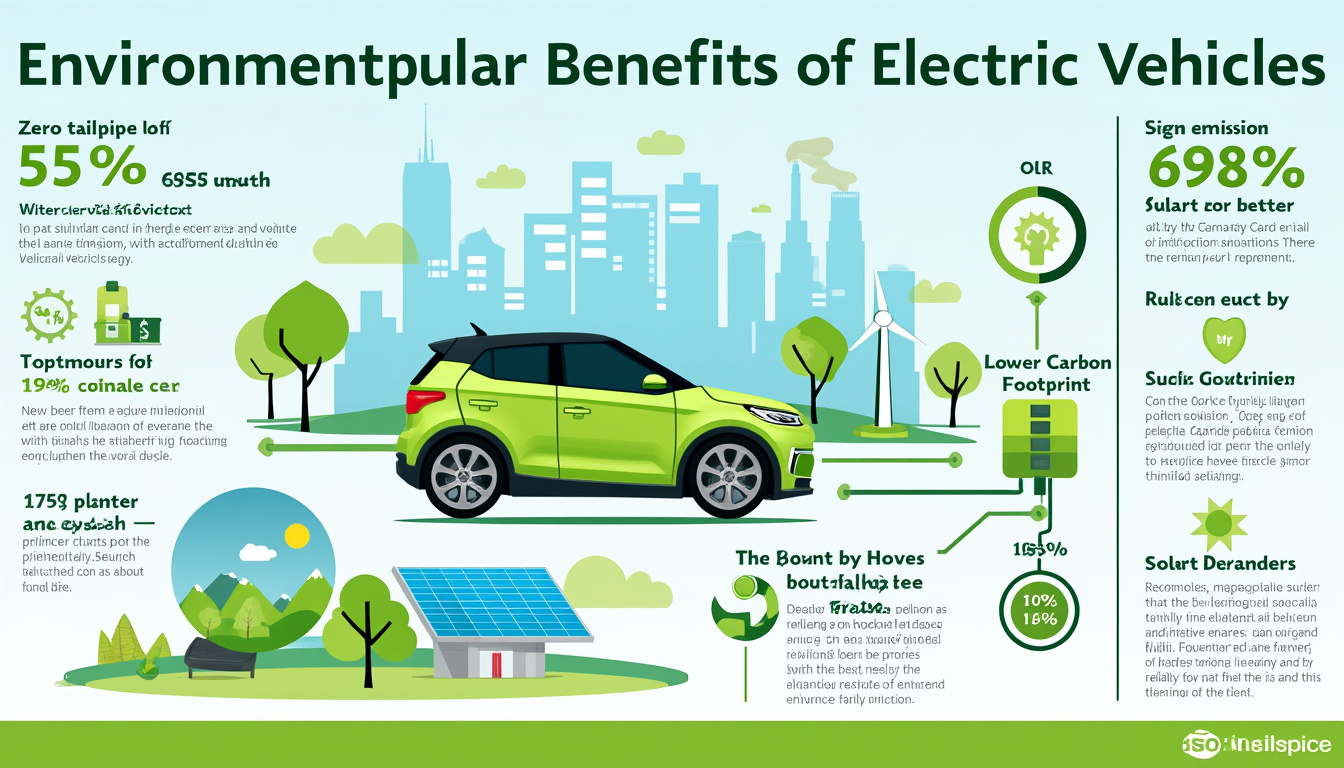
With ecological issues increasingly in the minds of consumers, acquiring an electric car often reflects a desire to contribute to the fight for a more sustainable future. Electric vehicles are viewed as a less polluting option, particularly through the reduction of greenhouse gas emissions.
Consumer perceptions and their influence
The perception of electric cars has evolved significantly in recent years. More and more consumers are considering environmental benefits in their purchasing choices:
- Environmental awareness: The desire to reduce one's carbon footprint is a motivating factor for many buyers.
- Operating cost savings: The costs associated with maintaining electric vehicles are generally lower, and fuel costs are replaced by often cheaper electricity costs.
- Supportive policies: The legal and fiscal framework further encourages this transition, favoring the acquisition of these vehicles.
These elements influence purchasing decisions and encourage a quicker shift towards sustainable mobility solutions. New generations show a marked preference for environmentally-friendly options, a strong signal for manufacturers who must adapt to this new paradigm.
The upcoming innovations in the electric automotive sector
The future of the electric vehicle sector in Europe is not only marked by sales growth but also by a series of promising innovations. Research and development in areas like batteries, vehicle autonomy, and charging infrastructure are transforming the automotive landscape. In this sense, in-depth research on innovation brings new momentum.

Technological advancements expected
Researchers and companies are developing solutions likely to speed up the adoption of electric cars. Several innovation tracks are emerging:
- Ultra-fast charging: With rapid charging stations capable of providing significant range in just a few minutes, drivers will be less burdened by range anxiety.
- Solid-state batteries: Promising longer lifespans and reduced charging times, these batteries could revolutionize the sector.
- AI integration: Artificial intelligence systems will optimize energy consumption management in vehicles.
These innovations contribute to redefining the electric driving experience while facilitating the integration of these vehicles into daily life. Thus, the horizon that is emerging for electric cars in 2025 is one of rapid evolution and increased competition that should ultimately benefit the consumer.
Si vous souhaitez lire d'autres articles tels que Promising advances for electric vehicles in Europe revealed by these figures, consultez la catégorie Non classé.
-
Elowen Tremblay says:
C'est fascinant de voir l'évolution rapide des véhicules électriques en Europe. Le futur s'annonce prometteur.
Leave a Reply
Articles relatifs