Honda opts for fewer electric vehicles and more hybrids: a new bold challenge

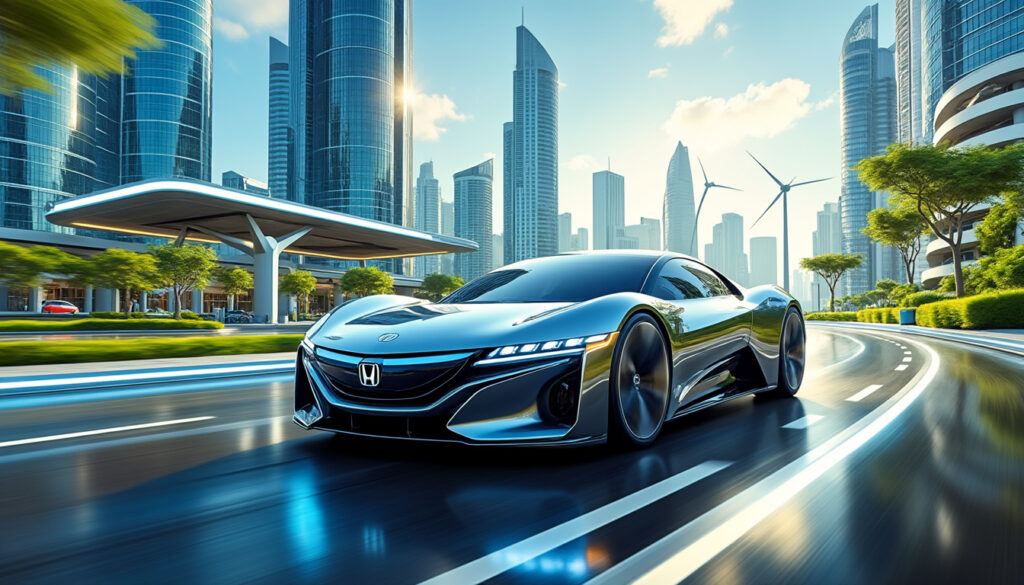

In an ever-evolving automotive context, Honda is making a bold turn. Faced with less dazzling sales projections than expected for electric vehicles, the Japanese brand is choosing to focus on hybrid cars. This refocusing comes with a 30% reduction in investments in electrification, a challenge that Honda is meeting with pragmatism and innovation.
A refreshed strategy: the turn towards hybrids
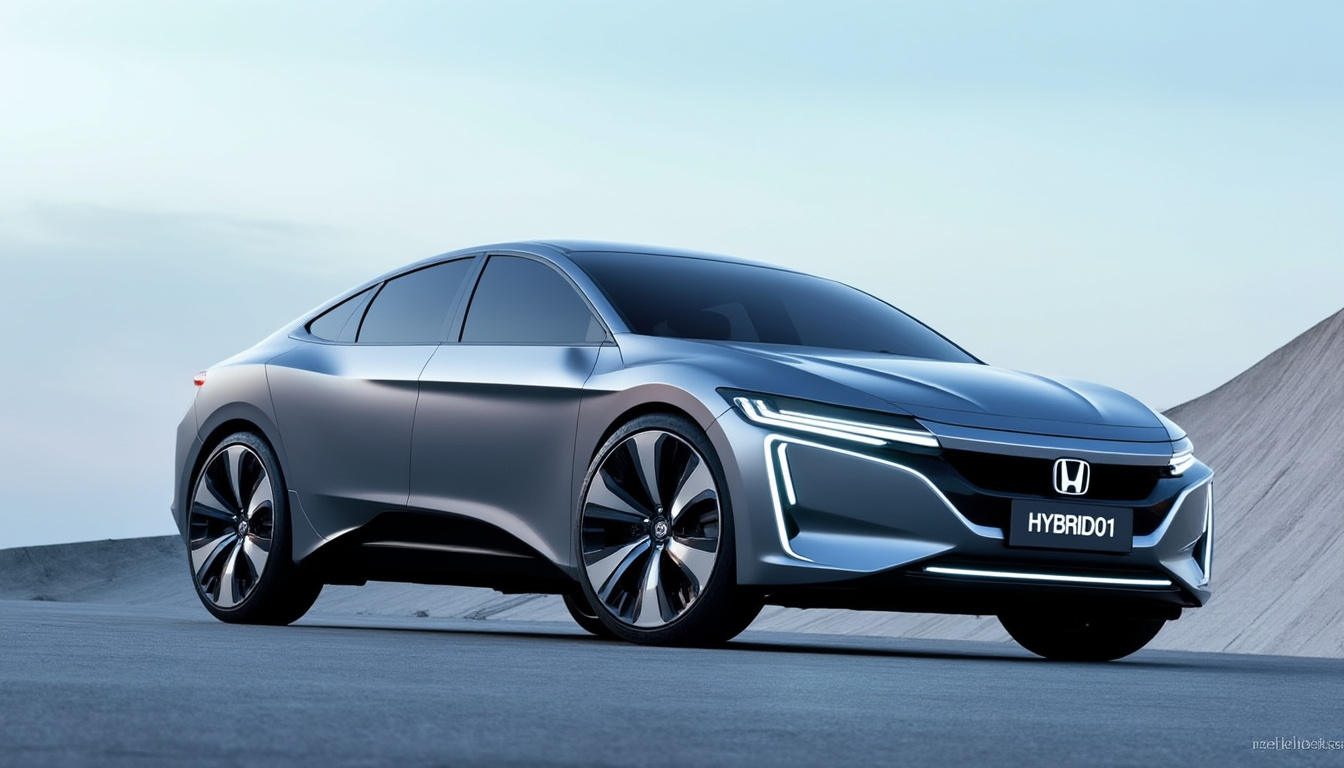
As the demand for electric vehicles wanes, Honda has decided to reconsider its priorities. This strategic change sees the manufacturer marking a turn towards hybrid models, a complementary solution that combines the advantages of electric and thermal engines. Indeed, 13 new hybrid models are planned by 2031, illustrating Honda's willingness to adapt to market needs.
Economic impact on investments in electric vehicles
The brand has reported a significant reduction in its budget initially planned for the development of fully electrified vehicles, from 69 billion dollars to 48.4 billion dollars by 2030. Honda's CEO, Toshihiro Mibe, speaks of a “current market slowdown” that has led to this reassessment.
- 🔹 10 billion yen : initial budget for electric vehicles
- 🔹 7 trillion yen : revised budget
- 🔹 Electric vehicle target: 20% of total sales by 2030 (down from 30%)

The hybrid as a strategic choice for 2025
With a sales target of 2.2 to 2.3 million hybrid vehicles by 2030, Honda seeks to balance its ecological ambitions with economic realities. The incorporation of hybrid systems in new models and the integration of advanced technologies will be focal points for the manufacturer. This astute strategy is not just about surviving the storm but also about thriving by aligning with market realities.
| Model Type | Launch Date | Key Features |
|---|---|---|
| 0 Saloon | 2025 | Futuristic design, level 3 autonomy |
| 0 SUV | 2025 | Next generation architecture |
Maintaining an electric offer nonetheless
While Honda's vision has evolved, plans to launch new electric models, such as the 0 Saloon and 0 SUV, remain relevant. These vehicles, capable of adapting to level 3 autonomous driving, maintain the brand's ambition to explore all facets of decarbonized mobility.
A long-term vision: sustainability in focus
Despite short-term adjustments, Honda keeps an eye on its long-term goals: achieving 100% of battery or hydrogen propulsion vehicle sales by 2040. Sustainability and energy transition represent a clear vision for the manufacturer, which relies on its expertise in hybrid propulsion to navigate through economic challenges.
- 🔹 Ambition for decarbonization.
- 🔹 Integration of innovations to measure ecological impact.
- 🔹 Flexibility in response to customer expectations.

In summary, this strategic decision by Honda to reduce its investments in electric vehicles while multiplying its hybrid initiatives could revitalize its position in a rapidly changing automotive market. It remains to be seen how consumers will welcome this new offering!
Si vous souhaitez lire d'autres articles tels que Honda opts for fewer electric vehicles and more hybrids: a new bold challenge, consultez la catégorie Non classé.
-
Léandre Célestine says:
C'est une approche intéressante ! Les hybrides pourraient vraiment aider à réduire les émissions.
-
C'est une stratégie audacieuse de Honda, j'espère que cela fonctionnera pour eux.
-
C'est intéressant de voir Honda se concentrer sur les hybrides. Une bonne approche face aux défis actuels.
-
Le choix de Honda pour les hybrides semble judicieux, surtout avec les défis actuels du marché.
-
Honda fait un choix intéressant avec son focus sur les hybrides. J'ai hâte de voir les nouveaux modèles!
Leave a Reply
Articles relatifs