BYD surpasses Tesla in the electric sector in Europe, while the Renault Clio stands out



In an unexpected turning point in the European automotive market, BYD, the Chinese electric vehicle giant, makes a masterstroke by surpassing Tesla in April. This announcement marks a pivotal moment. For the first time, Tesla is downgraded in its own territory, a palpable sign of the dynamism of the electric vehicle market in Europe. Meanwhile, the Renault Clio, an iconic model, continues to capture consumers' attention, demonstrating that it remains a formidable competitor despite the rise of electric vehicles.
BYD: an essential player in electric cars in Europe
The numbers do not lie. In April 2025, BYD registered 7,231 electric vehicles in Europe, compared to 7,165 for Tesla. This simple gap represents much more than statistics. It reflects the ambitions of a company that has managed to adapt and innovate in the face of a rapidly evolving market. BYD's models, like the Dolphin Surf, attract attention with their value for money. The democratization of electric vehicles is thus becoming a tangible reality.
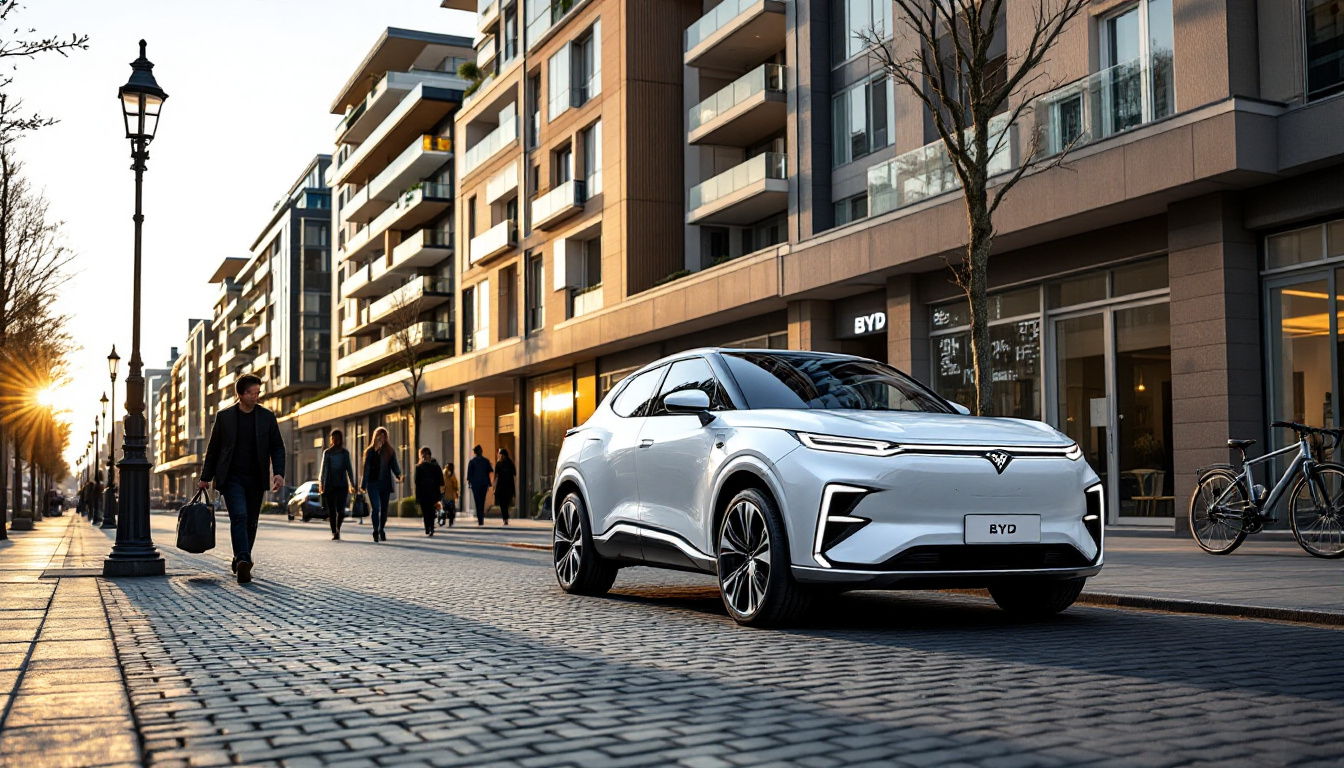
The way BYD stands out is based on several pillars. On one hand, the accessibility of its models. On the other, a clear strategy. BYD has chosen to diversify its range by offering not only 100% electric cars but also hybrids, allowing it to attract a broader audience. While Tesla mainly positions itself in the high-end segment, BYD exploits a more inclusive approach. Here are some reasons that explain this success:
- Competitive prices: BYD offers vehicles at more accessible prices than Tesla.
- A wide range: From city cars to SUVs, BYD covers all segments.
- Innovative technology: Application of the latest advancements in autonomy and fast charging.
- A rapidly growing distribution network: Points of sale are emerging across Europe, facilitating access for consumers.
The market shock: implications for the future
This turnaround calls into question Tesla's dominance. A phenomenon that few would have anticipated. BYD, once considered an outsider, emerges here as a leader. This transition illustrates a paradigm shift in the automotive industry. In consumers' eyes, electric becomes an accessible and attractive option now.
A summary table of electric vehicle sales can provide an interesting perspective:
| Brand | Vehicles registered in April 2025 |
|---|---|
| BYD | 7,231 |
| Tesla | 7,165 |
| Volkswagen | 5,200 |
| Nissan | 4,500 |
| BMW | 3,800 |
The implications of this dynamic are significant for the entire sector. As BYD gains ground, the competition from traditional brands like Volkswagen, Nissan, Peugeot, and Citroën will need to intensify to adapt to this new market reality.

The Renault Clio: the resilience of a classic model
While observing BYD's meteoric rise, the Renault Clio continues to shine in the automotive landscape. Its positioning in the city car market allows it to stay afloat despite fierce competition from electric vehicles. But how does a model rooted in the daily life of motorists manage to maintain its appeal in the face of modernity?
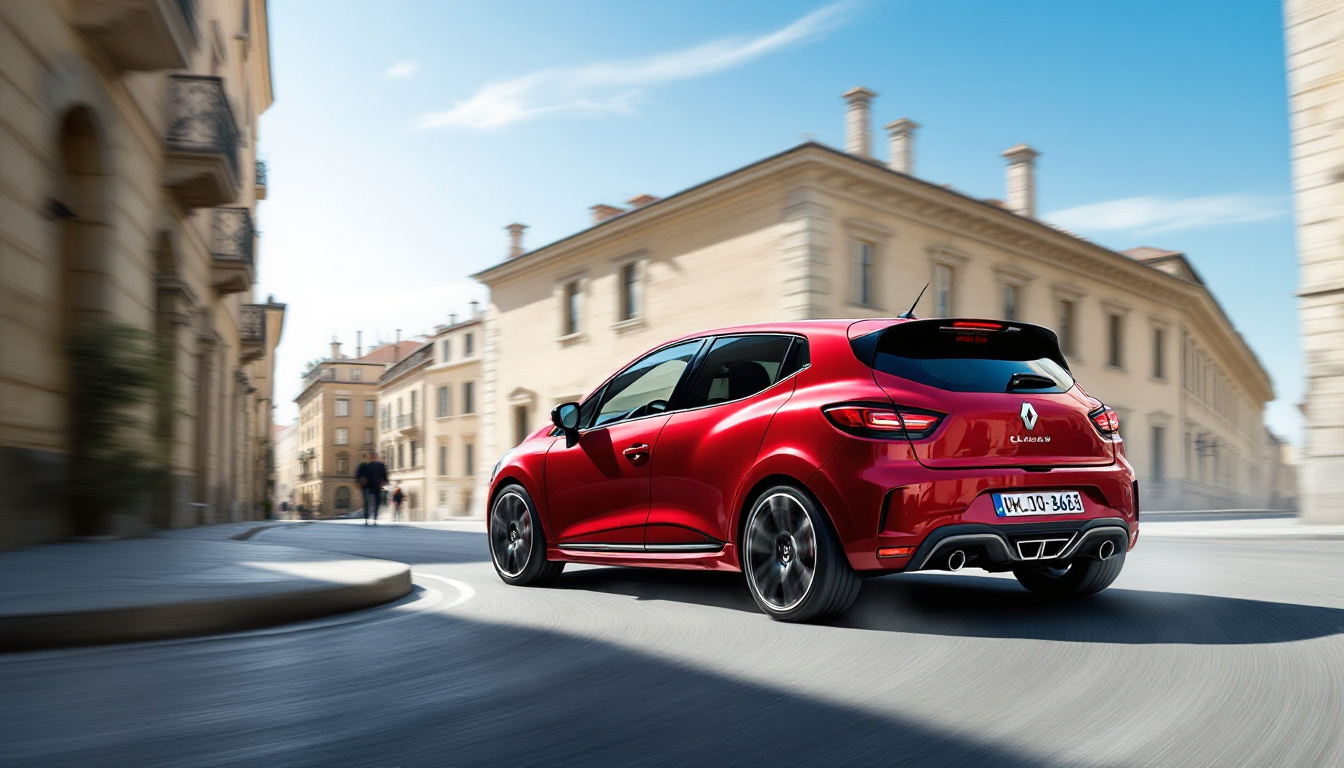
The Clio stands out thanks to its versatility and its success with a varied customer base, ranging from young drivers to families. All thanks to an appealing design and unmatched comfort. Several advantages allow the Clio to overlook rising tensions in the market:
- High value for money: Its affordable cost attracts buyers looking for a good compromise.
- Modern technologies: Although classified in the city car segment, the Clio features advanced electronic functionalities.
- The brand's reputation: Renault's legacy and renown add value to the Clio.
- Aesthetics and comfort: The modern design and ergonomics reinforce its success in urban environments.
Consumer choice: electric versus thermal
This duality between BYD and the Renault Clio highlights an essential question: are consumers ready to abandon their habits for electric vehicles? Although electric vehicle sales are on the rise, a significant portion of the clientele remains attached to thermal models. Government incentives, charging infrastructure, and maintenance costs are all factors to consider during this transition.
It is therefore crucial for Renault to continue innovating while preserving its flagship model. Various scenarios allow for anticipating interesting developments in the years to come. Here is a comparative table illustrating the evolution of sales between the Clio and electric cars:
| Year | Renault Clio Sales | Electric Sales (all brands) |
|---|---|---|
| 2022 | 150,000 | 100,000 |
| 2023 | 140,000 | 200,000 |
| 2024 | 130,000 | 300,000 |
| 2025 | 120,000 | 500,000 |
This table resonates as a call to action for Renault: identifying new routes for innovation becomes essential to remain on the market. The encouraging measures for the purchase of electric vehicles should not be overlooked if one wishes to break into this sector.

The competitors' response: a market in full boil
The rise of BYD does not go unnoticed by other European brands. Volkswagen, Nissan, Peugeot, and Citroën, historical players, are forced to rethink their approach to avoid being left behind. The electric vehicle market itself is transforming into an unprecedented battleground. Each brand must analyze new trends to develop attractive models and offer alternatives to consumers.

The challenge is significant. Distrust towards fully electric vehicles persists. The initial cost and charging infrastructure pose barriers. Brands are seeking to innovate by offering hybrid models or alternative powertrains. Moreover, fast charging technologies are now imperative to address consumers' hesitations.
- Simplification of access to electric: Flexible financing options can appeal.
- Creation of charging station networks: Protecting access to infrastructure.
- Increasing awareness: Relevant information campaigns on the benefits of electric vehicles can change perceptions.
- Offering varied models: Hybrid versions to attract newcomers.
The impact of sustainable mobility on the market
We must not lose sight of the growing importance of sustainable mobility. European governments are engaged in rigorous environmental policies aimed at encouraging consumers to opt for cleaner and more environmentally-friendly solutions. The impacts are clear: we are witnessing an increase in energy transition initiatives on the old continent, which will soon have to face infrastructure challenges and the acceptance of these changes by citizens.
For an overview, a comparative table among the different market players can provide illuminating insights:
| Brand | Strategies adopted for electric |
|---|---|
| BYD | Democratization of electric, diverse model choices |
| Tesla | High-end, innovative batteries |
| Volkswagen | Acceleration towards electric, investments in infrastructure |
| Nissan | Hybrid transition, accessible models |
| Renault | Mixed strategy, preserving Clio while offering electric versions |

Future perspectives: towards a sustainable revolution
With this increased competition, questions of sustainability and technology will profoundly influence the future of the automotive industry. BYD is not the only one wanting to transform the landscape of electric vehicles. The revolution will likely be driven by a synergy of approaches between different brands, offering consumers a multitude of options. European countries are investing in charging infrastructure that should make driving electric as simple as a ride in a thermal car. This dynamic could well redefine our preconceived ideas about the future of transportation.
Meanwhile, consumers play an active role in this transformation. A sense of urgency is noticeable. The right choices today are part of a sustainable economic model for tomorrow. Innovation markings become essential.
- Evolution of purchasing trends: Current challenges force brands to adapt quickly.
- Investments in sustainable development: Customers expect concrete ecological commitments.
- Consumer education: Informing about the environmental impact of their choices is a necessity.
- Collaboration among market players: Uniting forces for a wider impact may be key to success.
The stakes of sustainable mobility thus open a new chapter for the automobile manufacturer. So, who will stand out in this new market dynamic? The answers will oscillate between innovation, accessibility, and commitment. The new generations of motorists are preparing to write a new chapter in the history of mobility.
Si vous souhaitez lire d'autres articles tels que BYD surpasses Tesla in the electric sector in Europe, while the Renault Clio stands out, consultez la catégorie Non classé.
-
Eldric Lintober says:
C'est impressionnant de voir BYD surpasser Tesla. Cela va vraiment changer le paysage automobile en Europe.
-
C'est fascinant de voir BYD surpasser Tesla. Cela change vraiment la donne sur le marché.
-
BYD a vraiment surpris tout le monde en dépassant Tesla. Cela change la donne dans l'électrique.
Leave a Reply
Articles relatifs