Dodge has ended its electric muscle car project: what are the reasons behind this?

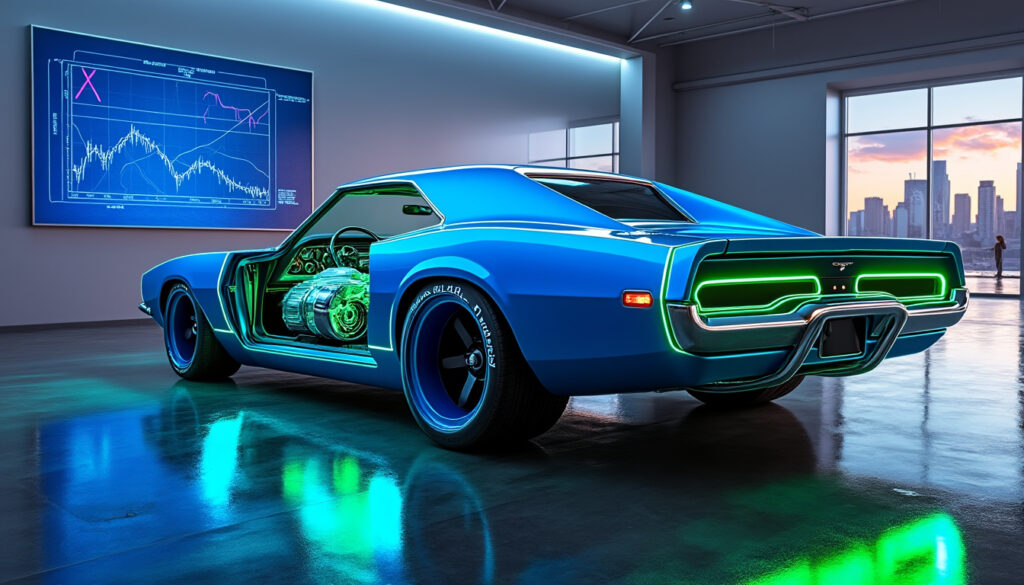

The automotive sector is undergoing an unprecedented transformation, and Dodge's decision to abandon its electric muscle car project raises questions. While many expected to see the 2026 Dodge Charger Daytona R/T make a breakthrough in the market, the reality is quite different. This sudden reversal raises a crucial question: what prompts an iconic brand, historically associated with the power of combustion engines, to take a step back in electrification?
Tumultuous launch and stagnant inventory
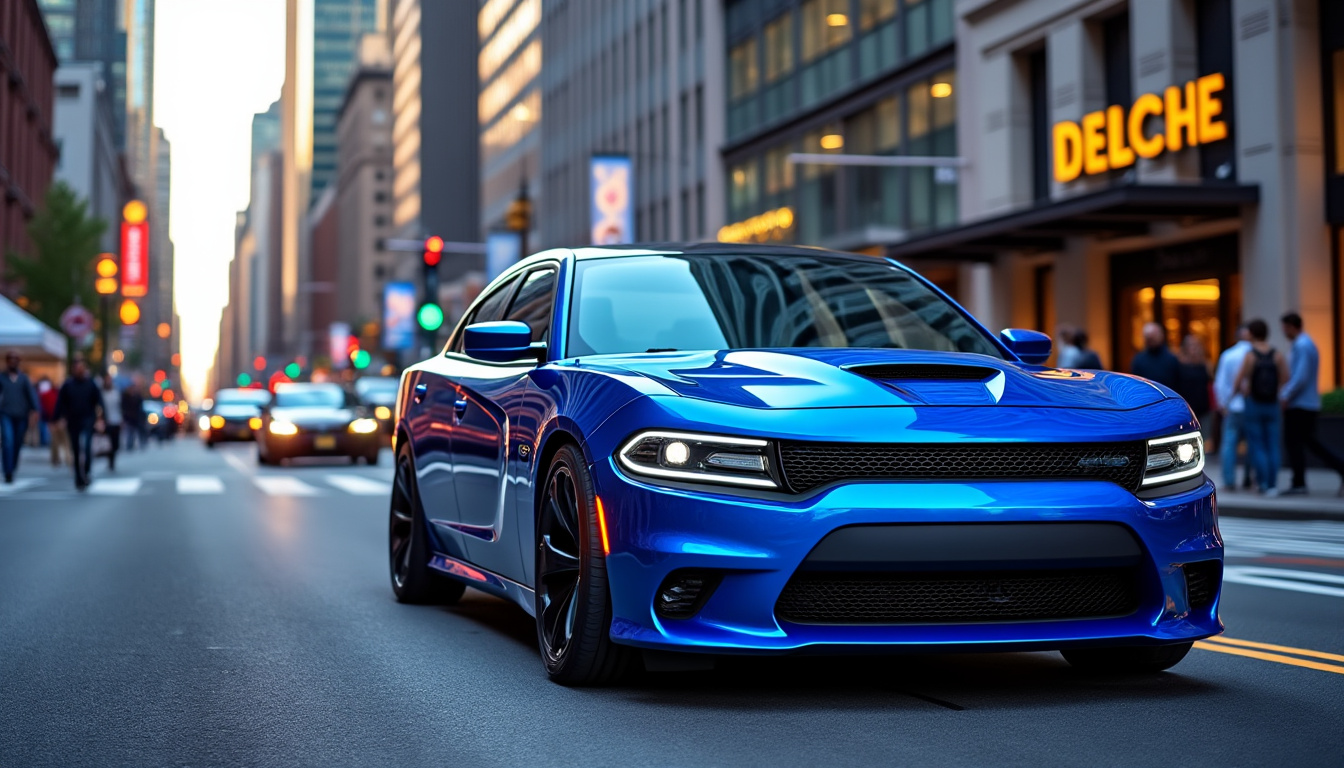
The electric muscle car from Dodge was launched in an already complex climate. The numbers speak for themselves: nearly 3,500 units of the Charger Daytona R/T are currently piled up at American dealerships, raising questions about Dodge's sales strategy. Generous discounts during its introduction were not enough to attract a usual audience drawn to traditional V8 engines.
- 🚗 Performance deemed insufficient compared to the competition.
- 🧾 Technology ratings and a high price of €57,000 (approximately $62,000).
- ⚖️ Impact of new taxes on imported vehicles, making this model less profitable.
| Model | Power | 0-100 km/h | Estimated Price | Status |
|---|---|---|---|---|
| Charger Daytona R/T | 496 hp | 4.8 s | €57,000 | Abandoned in 2026 |
| Charger Daytona Scat Pack | 670 hp | 3.3 s | €75,000 | Maintained, 4-door version coming |
Disappointing price/performance ratio
Inevitably, the positioning of the Charger Daytona R/T had flaws. Although it offers respectable power with 496 horsepower, its performance does not meet the expectations of muscle car enthusiasts. Elements such as:
- 💨 Acceleration from 0 to 100 km/h in 4.8 seconds, which is gradually becoming obsolete.
- 🔋 Range lower than competitors like the Tesla Model Y Dual Motor.
- ⚖️ Weight and infotainment system that seem outdated compared to contemporary standards.
All of this has led some brand loyalists to look toward alternatives that better meet their expectations.
Focus on high-end and strategic adjustments
The failure of the R/T does not mean that Dodge is abandoning electrification. On the contrary, the brand is now putting its energy into more performance-oriented models like the Scat Pack. Scheduled for 2026, this high-end version highlights a commitment to meet a clientele eager for authenticity and sensations, values that are historical for Dodge.
- 📊 Focus on performance rather than entry-level range.
- 🛠️ Development of four-door versions to align with the current market.
- 📻 Attempt to integrate a “Fratzonic” sound system to replicate the roar of V8s.
The stakes of electrification at Stellantis
This turnaround fits into a larger framework, with Stellantis facing broader challenges regarding its electric evolution. Indeed, the company offers only a limited number of models that meet consumer expectations. The future will depend on their ability to capitalize on vehicles that combine power and innovation. Models like the Jeep Recon and Ram 1500, planned for the coming years, show that electrification at Stellantis is far from over.
| Model | Range | Price | Status |
|---|---|---|---|
| Dodge Charger Daytona | Limited range | $62,000 | Discontinuation of the base model |
| Jeep Wagoneer S | To be confirmed | $79,000 | Currently available |
In an automotive world where competition is fierce, repositioning is essential. The story of Dodge illustrates how innovation must respond not only to market expectations but also to the identity of a brand. The path to a sustainable electric future is paved with obstacles, but the determination and passion for the wheel remain intact.

Si vous souhaitez lire d'autres articles tels que Dodge has ended its electric muscle car project: what are the reasons behind this?, consultez la catégorie Non classé.
-
Thoreau Bellerose says:
C'est décevant de voir Dodge abandonner son projet électrique, notamment avec une si belle histoire de performance.
Leave a Reply
Articles relatifs