China takes a firm stance: towards a shortage of components for electric car engines?

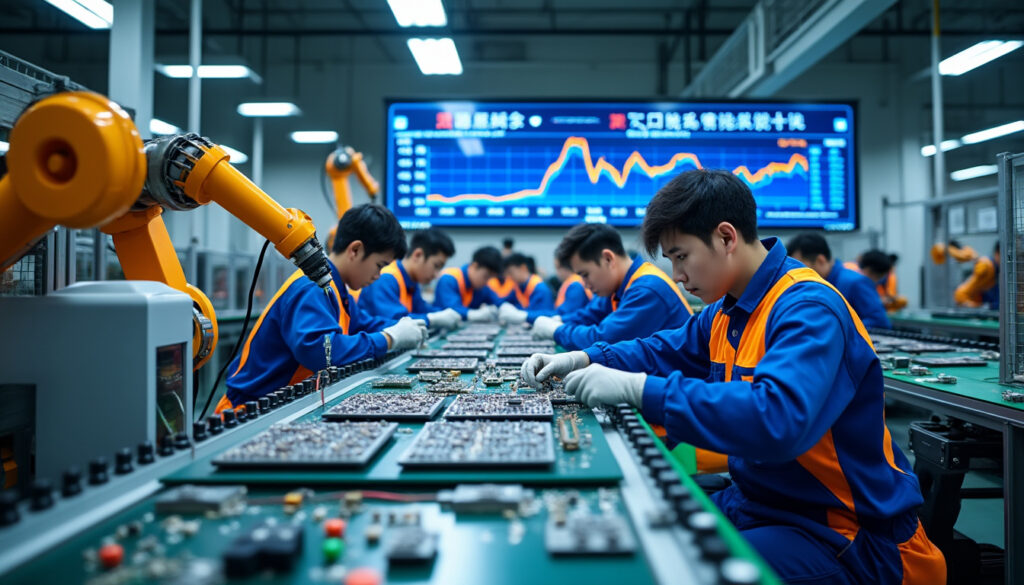

The automotive sector is undergoing rapid transformation, driven by the rise of electric vehicles (EVs). At the heart of this revolution are the essential components that power these vehicles. China, the hegemon par excellence in the market for rare metals and materials necessary for the production of batteries and motors, is adopting an increasingly firm stance. In the face of a significant reduction in exports of rare earths and other metals, the world is pondering: cause or consequence, can this strategy plunge the automotive industry into an unprecedented shortage? This article explores the implications of China's decisions on global electric vehicle production, targeting key market players and the skills issues necessary for the energy transition.
The key role of China in the production of components for electric vehicles
China's dominance in the global market for rare earths and metals necessary for the manufacturing of automotive equipment is undeniable. Indeed, nearly 85% of the metals used for the production of lithium-ion batteries come from this country. This situation is not only due to the wealth of natural resources but also to a proactive industrial policy implemented to support innovation and growth. China's efforts to control the supply of these materials place increased pressure on foreign actors who depend on these resources.
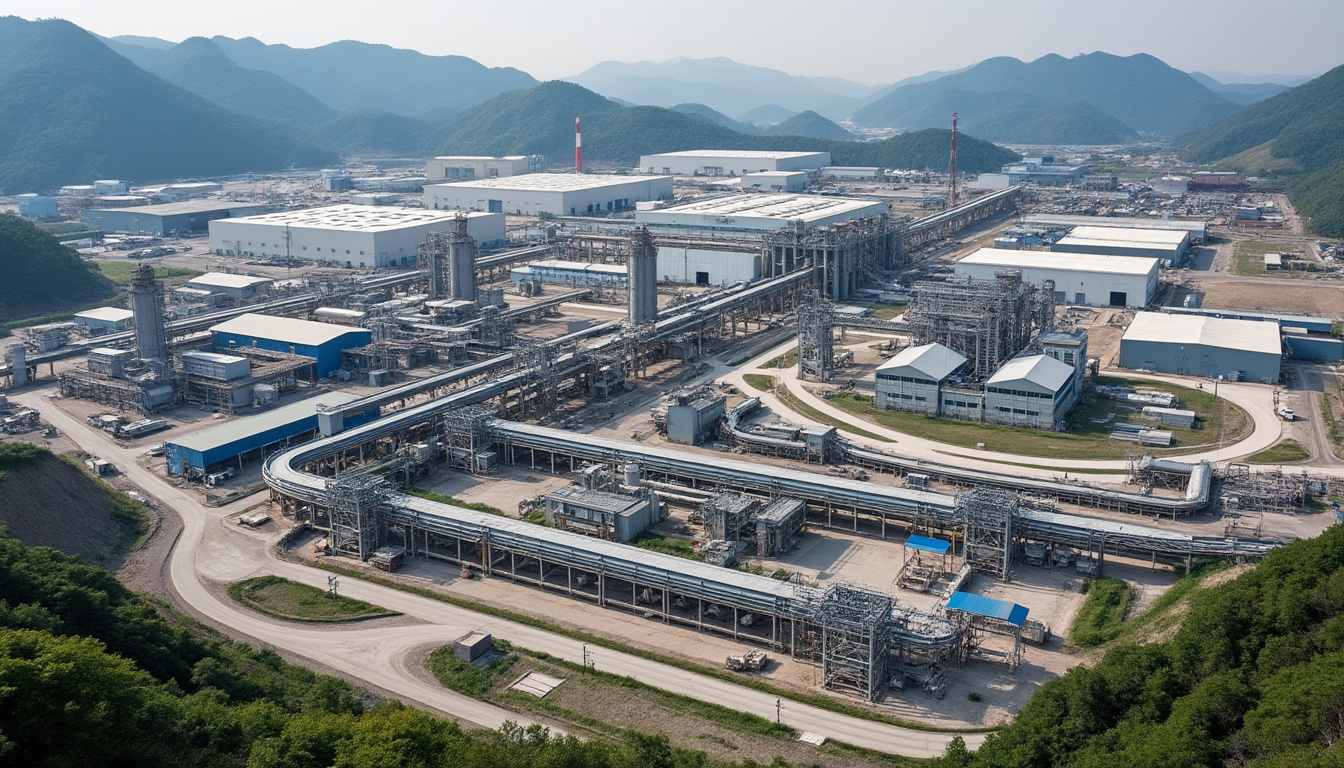
The main metals affected by this dynamic include lithium, cobalt, nickel, and elements such as neodymium and praseodymium, which are essential in the manufacture of permanent magnet motors. This type of motor, chosen by a majority of manufacturers such as Tesla, NIO, and BMW for its performance, is at the heart of technological innovation in electric vehicles. Dependence on these metals raises critical questions about the sustainability of the global supply chain.
The repercussions of reduced Chinese exports
Recent decisions by the Chinese government to impose restrictions on the export of vital raw materials for the automotive industry have already had notable impacts. For example, major manufacturers such as Ford and General Motors are beginning to report production delays due to supply difficulties. In an increasingly connected world, a bottleneck in one region can quickly destabilize the industry elsewhere.
- Reviews of global supply chains.
- Rising production costs for smaller brands.
- Supply issues affecting countries like India and Europe.
Indeed, the emergence of new players such as BYD and Xpeng in the market, who have prioritized innovation, is threatened by this potential shortage. Delivery times are becoming longer, preventing these companies from meeting their promises of rapid expansion and supply. This phenomenon could force companies to diversify their suppliers, sometimes at the cost of quality and performance, and to engage in international collaborations to secure their supply of critical materials.
| Metal Type | Applications | Impact of Shortage |
|---|---|---|
| Lithium | Battery components | Increased EV costs |
| Cobalt | Lithium-ion batteries | Risks of production halt |
| Neodymium | Permanent magnetic motors | Penalty on motor efficiency |
China’s strategy in the face of geopolitical tensions
China's economic decisions are also influenced by a geopolitical context marked by escalating tensions with the United States and the European Union. The increase in tariffs imposed by the Trump administration on Chinese imports has led to reciprocal measures. Thus, China chooses to defend itself by limiting the volume and conditions of export of its essential resources. This power dynamic implies that foreign countries must consider alternatives to avoid being exclusively dependent on Chinese supply.

Towards a new European autonomy in electrical components
Faced with growing concern about the supply of critical materials, Europe is becoming aware of the urgency of energy autonomy. Initiatives are beginning to emerge aimed at developing the extraction and recycling of critical materials within its own borders. This could reduce dependence on third countries, especially China.
- Investments in mines in Europe.
- Recycling projects to reuse metals from old batteries.
- Collaboration with resource-rich African countries.
In this perspective, European brands such as Volkswagen and Renault are actively exploring partnerships to secure a diversified supply chain, less vulnerable to market fluctuations. These efforts taken individually or collectively could prevent a supply crisis for their electric subsidiaries.
| Company | Initiative | Objective |
|---|---|---|
| Volkswagen | Investment in local mines | Ensure a steady supply of metals |
| Renault | Partnerships in Africa | Diversify supply sources |
| BMW | Battery recycling | Reuse existing precious metals |
Future outlook for the electric vehicle market
The current dynamics suggest an uncertain future for the electric vehicle market. China's strategic maneuvers could lead to significant opportunities and challenges for the industry. The automotive sector, which is already in rapid transition, could see its pace slowed by a components crisis. Manufacturers' adaptation to this new reality will require innovative solutions.
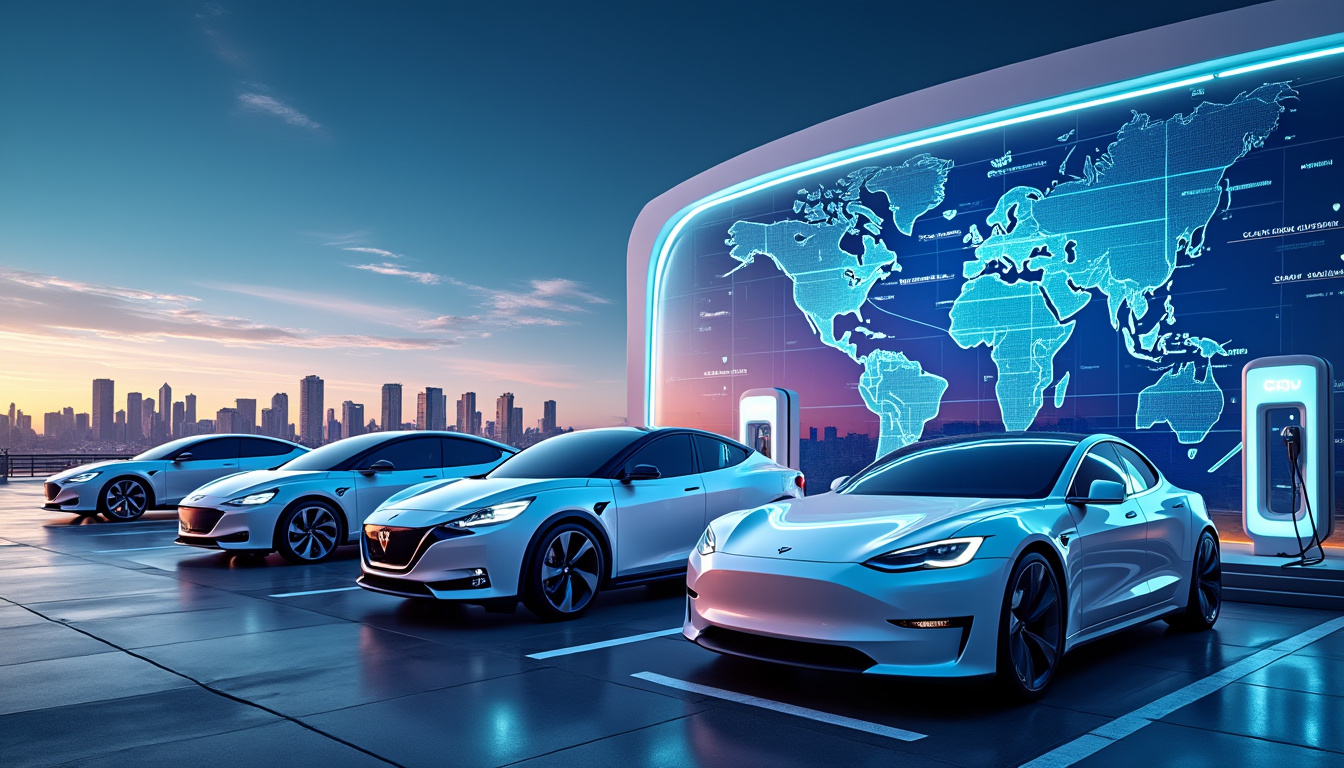
Examples of solutions proposed by manufacturers
As a result, companies are committing to finding alternative solutions to avoid upcoming difficulties. Here are a few examples:
- Investment in research for substitute materials.
- Creation of new manufacturing processes to reduce the use of critical metals.
- Development of business models focused on circularity, including massive recycling of automotive parts.
This increasing pressure on materials also imposes a reflection on sustainable practices. Facing the risks of precarious supply, companies must turn towards a transition that is not only technological but also ethical, committing to responsible sourcing in the long term. These efforts could lead to better acceptance of electric vehicles across diverse markets.
| Initiative | Impact on the market | Material savings |
|---|---|---|
| Substitute materials | Increased durability | Reduced dependency on rare earths |
| Industrial recycling | Decreased production costs | Better valuation of resources |
Conclusion on the critical situation of components for electric vehicle motors
The current situation around electric vehicle components reflects the geopolitical and economic dynamics at play. China's strategy, by tightening its control over exports, could well have repercussions beyond its borders, impacting the entire global automotive industry. The alternatives proposed by various stakeholders and the search for autonomy within European markets are signs that the future of the industry looks complex but potentially promising, as long as it navigates skillfully through this economic storm.
Si vous souhaitez lire d'autres articles tels que China takes a firm stance: towards a shortage of components for electric car engines?, consultez la catégorie Non classé.
-
Liora Venturi says:
Les nouvelles restrictions de la Chine suscitent des inquiétudes sérieuses pour l'industrie automobile mondiale.
-
La dépendance de l'industrie automobile à la Chine est vraiment préoccupante pour l'avenir des véhicules électriques.
-
L'impact de la stratégie chinoise sur l'industrie automobile est vraiment préoccupant pour l'avenir des véhicules électriques.
-
La dépendance à la Chine pour les métaux rares est vraiment problématique pour l'avenir des véhicules électriques.
Leave a Reply
Articles relatifs